

Zoo Stock Species and the Red List
Zoo Stock Species and the Red List
Zoo Stock
This indicates that the species is included in the Second Zoo Stock Plan, which was formulated by the Tokyo Metropolitan Government in 2018. The plan sets goals for the next 10 years in three areas: "species conservation," "contribution to wildlife conservation," and "environmental education and conservation awareness." 124 animal species are included.
What is the Red List?
Based on scientific research, this is a list of wildlife classified by rank (category) indicating the degree of risk of extinction.
Livng Things Encyclopedia shows the categories (mainland and islands) assessed by the IUCN (International Union for Conservation of Nature) at the global level, the Ministry of the Environment for Japan, and the Tokyo Metropolitan Government for Tokyo.
The higher the category in each table, the higher the risk of extinction, and CR, EN, and VU are the three categories known as "endangered species." In Tokyo, species that are not at the NT (near threatened) level but are relatively rare are considered "species of concern."
|
IUCN categories |
|
|---|---|
|
EX |
extinction |
|
EW |
Extinction in the wild |
|
CR+EN |
— |
|
CR |
Serious crisis |
|
EN |
crisis |
|
VU |
emergency |
|
NT |
Near Threatened |
|
LC・○ |
Low Concern |
|
DD |
Data shortage |
|
LP |
— |
|
Japan (Ministry of the Environment) Category |
|
|---|---|
|
EX |
extinction |
|
EW |
Extinction in the wild |
|
CR+EN |
Endangered species |
|
CR |
Critically Endangered |
|
EN |
Endangered species |
|
VU |
Endangered species |
|
NT |
Near Threatened |
|
LC・○ |
— |
|
DD |
Lack of information |
|
LP |
Endangered |
|
Tokyo Category |
|
|---|---|
|
EX |
extinction |
|
EW |
Extinction in the wild |
|
CR+EN |
Endangered species |
|
CR |
Critically Endangered |
|
EN |
Endangered species |
|
VU |
Endangered species |
|
NT |
Near Threatened |
|
LC・○ |
Unranked |
|
DD |
Lack of information |
|
LP |
Endangered |
Creatures at Inokashira Park Zoo
Creatures at Inokashira Park Zoo
Stonewort
Stonewort
Nitella mirabilis var. inokasiraensis
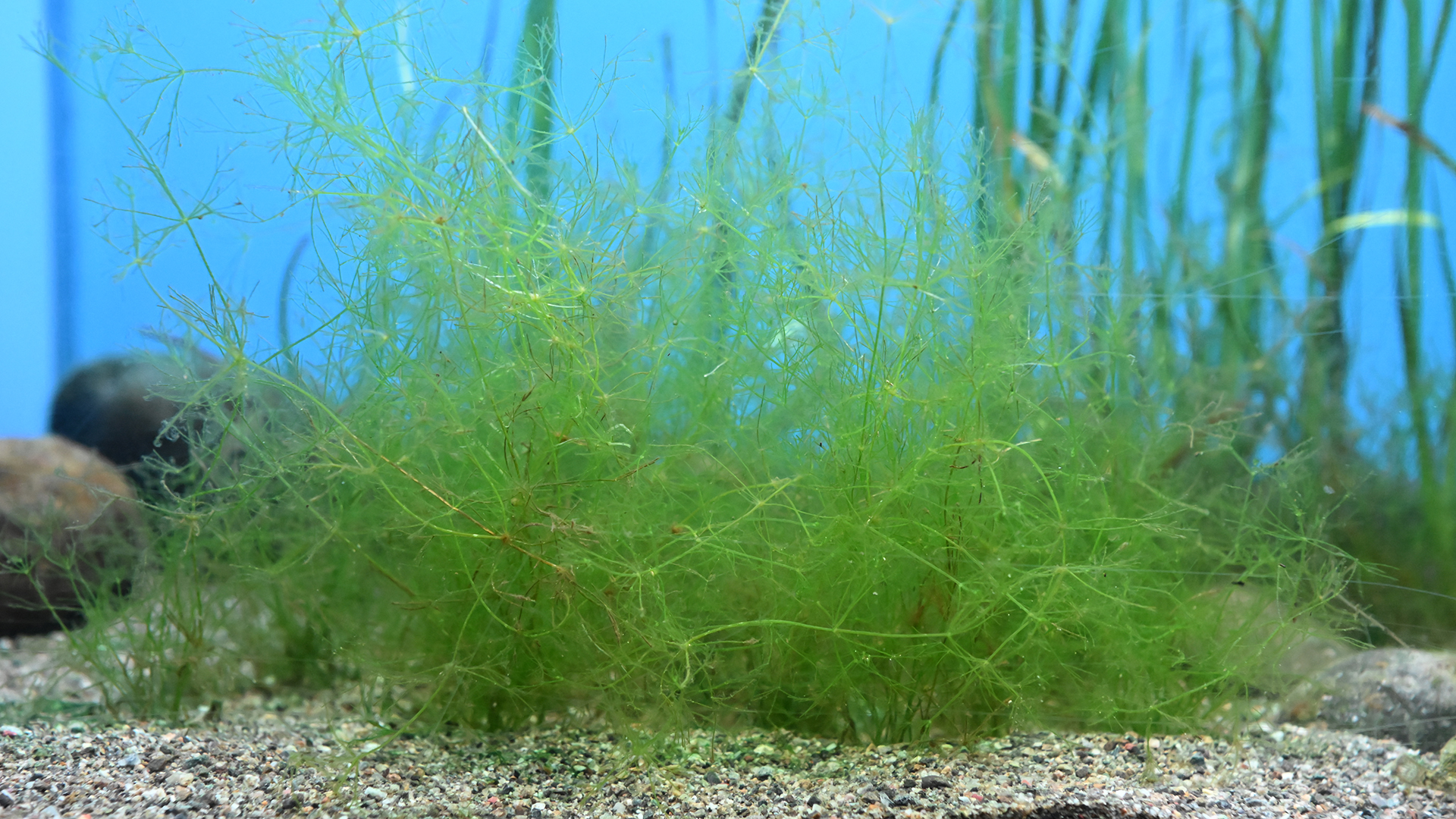
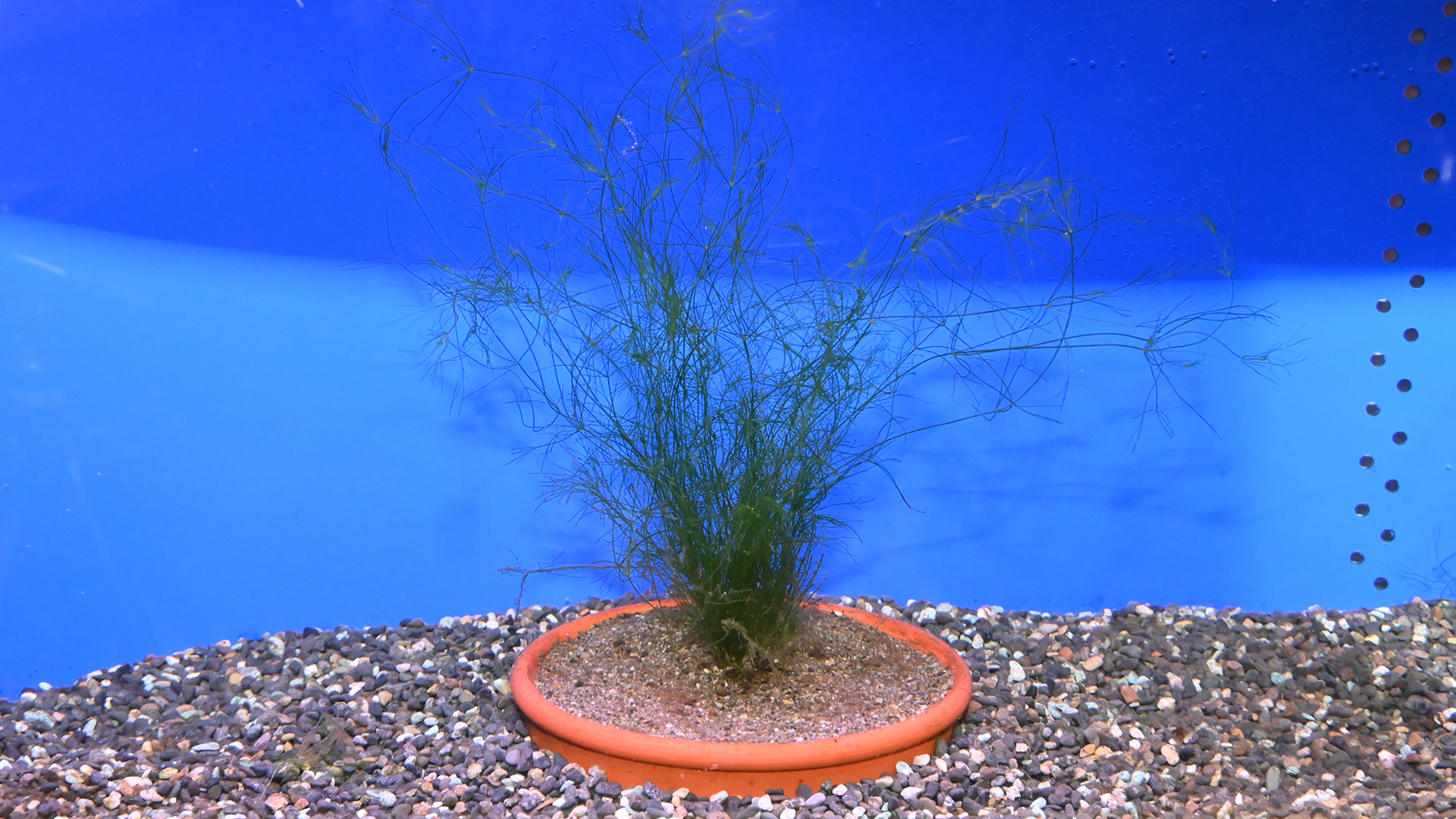
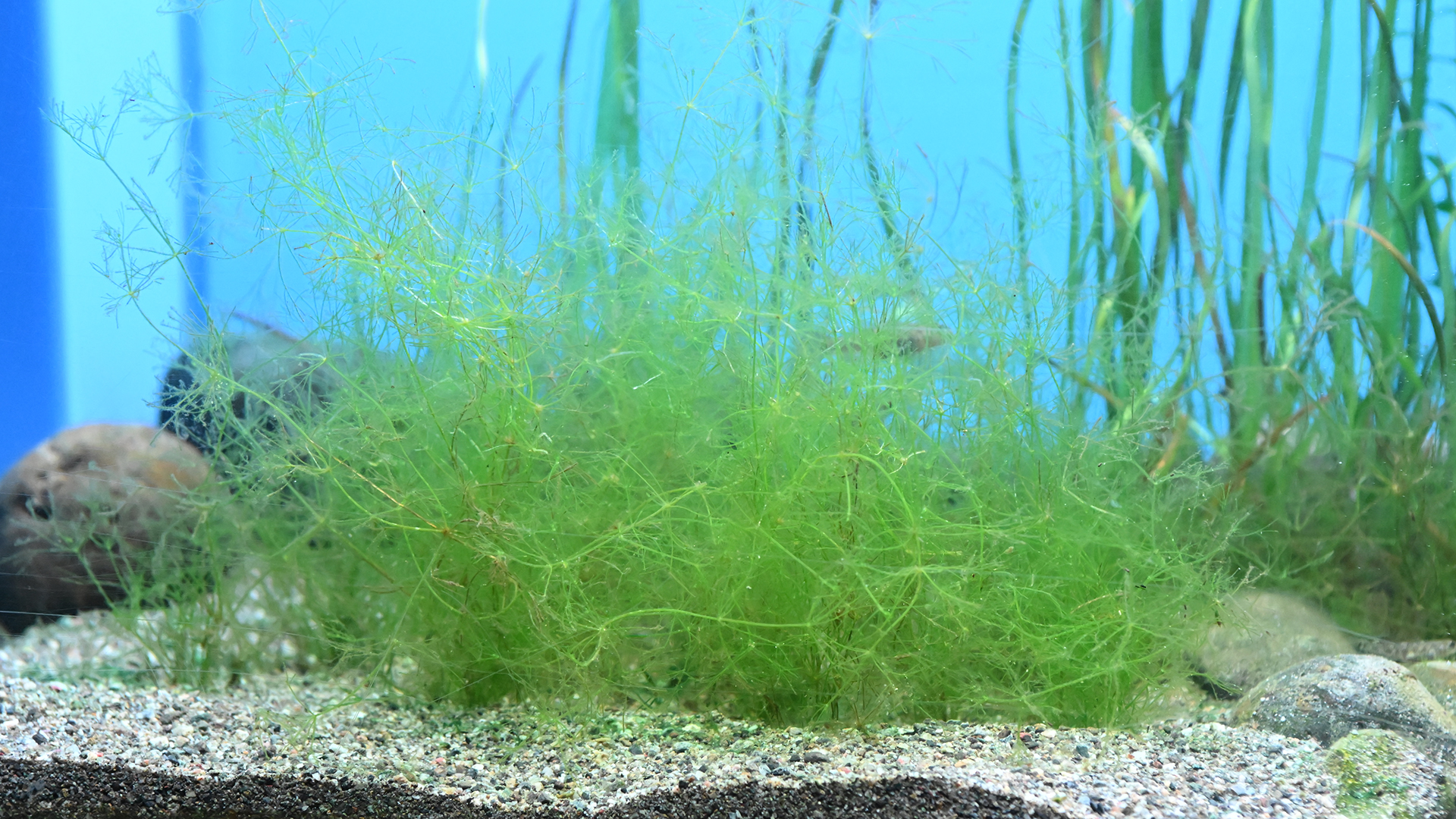
Discovered in 1957 as a new species in Inokashira Pond, adjacent to Inokashira Park Zoo, this aquatic plant is endemic to Japan and belongs to the Chara algae family. It has male and female plants, each producing beautiful orange or yellow reproductive organs (seed-like structures) during the spring breeding season. Due to water pollution and wetland reclamation, it is now only found growing naturally in three locations in Japan.
| classification | Kingdom: Plantae, Order: Charales, Family: Charoaceae |
|---|---|
| English name | Inokashira Stonewort |
| distribution | Japan (3 locations in Japan, including Inokashira Pond in Mitaka City) |
| Residence | Bodies of Water in Tamsui |
| Size |
Stock length: 20-30cm
|
| food | - |
| Red List |
IUCN: Not rated
Japan: CR+EN (endangered species) Tokyo: CR+EN (endangered species) |
The revived Stonewort
After its discovery, the species disappeared from Inokashira Pond and was thought to be extinct. However, from 2014 to 2018, the pond was drained and the bottom exposed to sunlight, causing spores in the soil to awaken and germinate for the first time in 59 years. However, due to rising water temperatures in the summer and being eaten by invasive species, the species' growth conditions remain unstable, so Inokashira Park Zoo Aquatic Life House is continuing to investigate the water temperature, light, and other growth conditions.