

Zoo Stock Species and the Red List
Zoo Stock Species and the Red List
Zoo Stock
This indicates that the species is included in the Second Zoo Stock Plan, which was formulated by the Tokyo Metropolitan Government in 2018. The plan sets goals for the next 10 years in three areas: "species conservation," "contribution to wildlife conservation," and "environmental education and conservation awareness." 124 animal species are included.
What is the Red List?
Based on scientific research, this is a list of wildlife classified by rank (category) indicating the degree of risk of extinction.
Livng Things Encyclopedia shows the categories (mainland and islands) assessed by the IUCN (International Union for Conservation of Nature) at the global level, the Ministry of the Environment for Japan, and the Tokyo Metropolitan Government for Tokyo.
The higher the category in each table, the higher the risk of extinction, and CR, EN, and VU are the three categories known as "endangered species." In Tokyo, species that are not at the NT (near threatened) level but are relatively rare are considered "species of concern."
|
IUCN categories |
|
|---|---|
|
EX |
extinction |
|
EW |
Extinction in the wild |
|
CR+EN |
— |
|
CR |
Serious crisis |
|
EN |
crisis |
|
VU |
emergency |
|
NT |
Near Threatened |
|
LC・○ |
Low Concern |
|
DD |
Data shortage |
|
LP |
— |
|
Japan (Ministry of the Environment) Category |
|
|---|---|
|
EX |
extinction |
|
EW |
Extinction in the wild |
|
CR+EN |
Endangered species |
|
CR |
Critically Endangered |
|
EN |
Endangered species |
|
VU |
Endangered species |
|
NT |
Near Threatened |
|
LC・○ |
— |
|
DD |
Lack of information |
|
LP |
Endangered |
|
Tokyo Category |
|
|---|---|
|
EX |
extinction |
|
EW |
Extinction in the wild |
|
CR+EN |
Endangered species |
|
CR |
Critically Endangered |
|
EN |
Endangered species |
|
VU |
Endangered species |
|
NT |
Near Threatened |
|
LC・○ |
Unranked |
|
DD |
Lack of information |
|
LP |
Endangered |
Creatures at Inokashira Park Zoo
Creatures at Inokashira Park Zoo
Eurasian Otter
Eurasian Otter
Lutra lutra
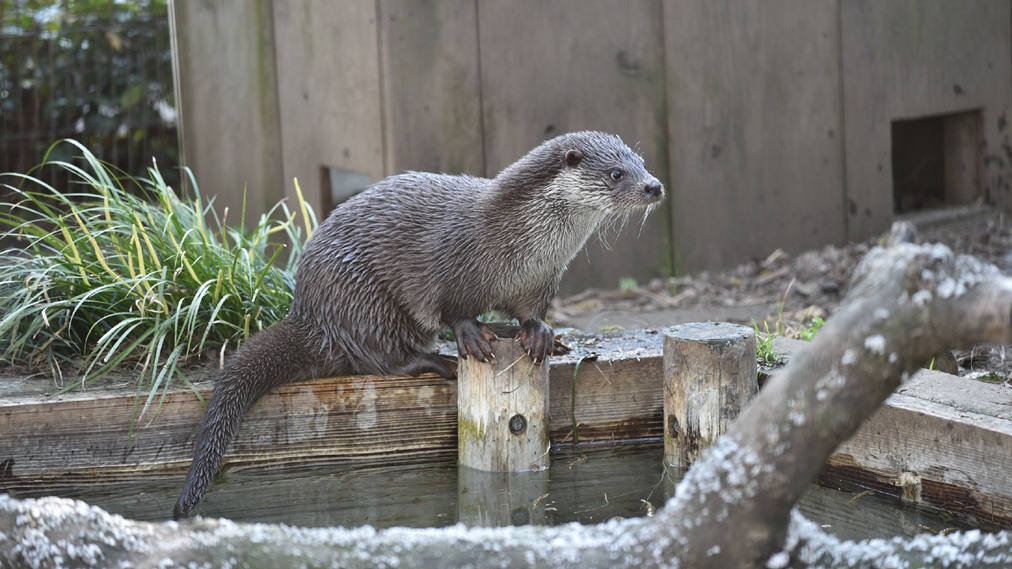
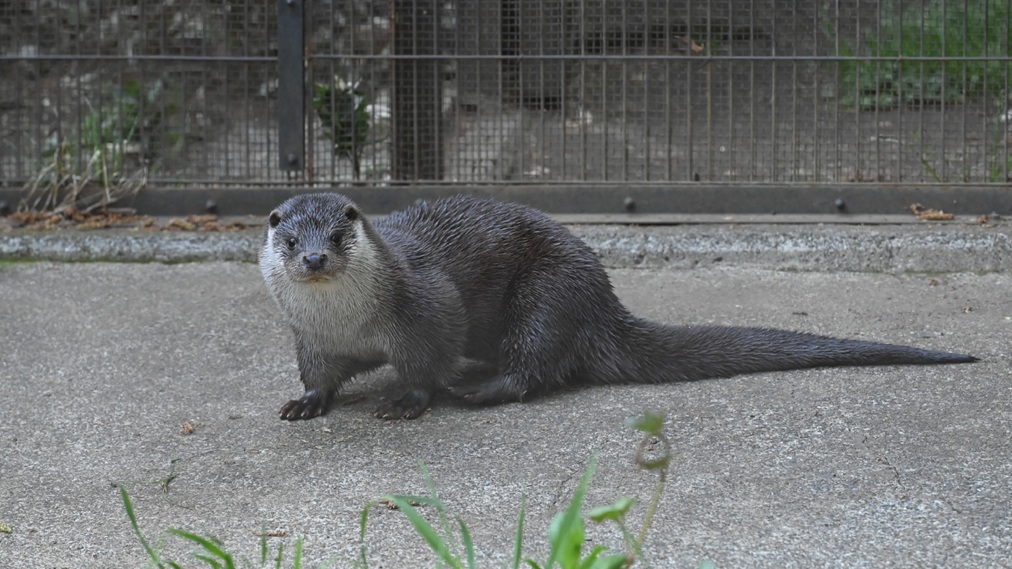
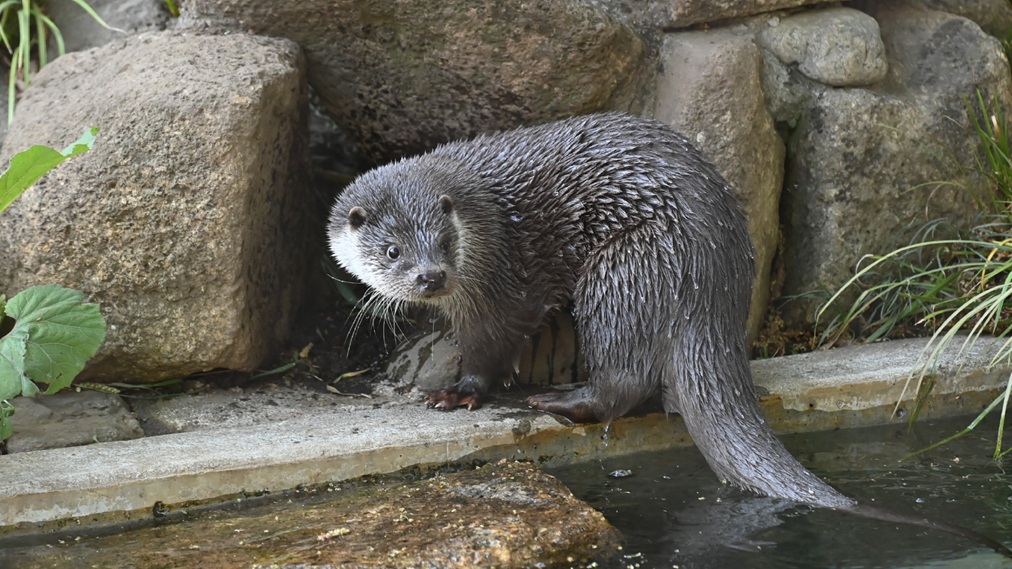
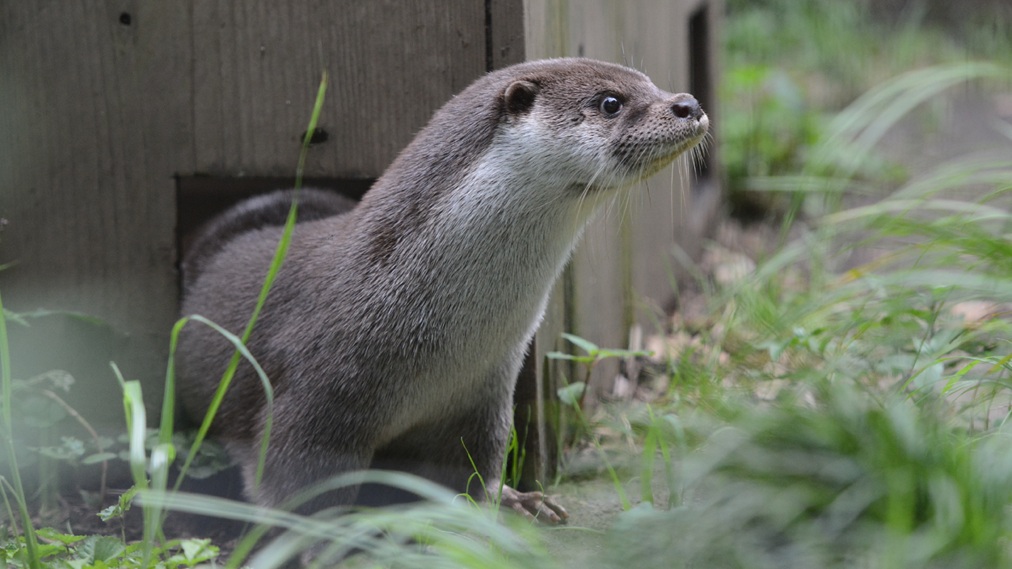
They live in rivers and on the coast, catching fish while swimming. With a long, slender body, flat head, and small ears, they have a shape that makes them less susceptible to water resistance and allows them to swim quickly. They have sharp claws on their front feet that allow them to firmly grasp and hold their prey. They sometimes live in schools, but most live alone.
| classification | Mammalia, Carnivora, Mustelidae |
|---|---|
| English name | Eurasian Otter |
| distribution | Most of Eurasia south of the tundra and North Africa |
| Residence | Inland rivers, lakes, marshes and bayous coastlines |
| Size |
Head torso length: 57-70cm
Tail length: 35-40cm Shoulder height: approx. 30cm Weight: 4.1-16 kg |
| food | Fish (about 10-30cm), crayfish, frogs, small aquatic mammals and birds |
| Red List |
IUCN: NT (Near Threatened)
|
Which is bigger, the front or back legs?
Both species have webbed feet, but their hind feet are larger. They mainly use their hind feet to paddle and swim. They also use their long, flat tails to balance and turn in the water.
His face is covered in beard
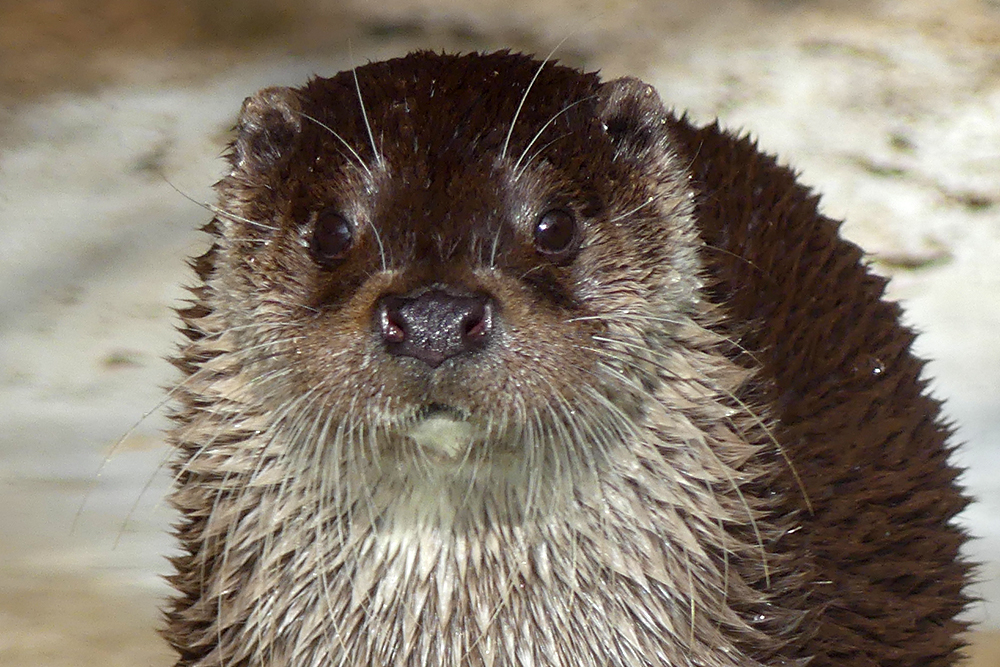
They have many whiskers above their eyes, on their cheeks, and under their chin. They use these whiskers to sense the flow of water underwater, allowing them to detect fish and obstacles. These whiskers are thicker and stronger than the whiskers used in the air by cats and other animals.