

Zoo Stock Species and the Red List
Zoo Stock Species and the Red List
Zoo Stock

This indicates that the species is included in the Second Zoo Stock Plan, which was formulated by the Tokyo Metropolitan Government in 2018. The plan sets goals for the next 10 years in three areas: "species conservation," "contribution to wildlife conservation," and "environmental education and conservation awareness." 124 animal species are included.
What is the Red List?
Based on scientific research, this is a list of wildlife classified by rank (category) indicating the degree of risk of extinction.
Livng Things Encyclopedia shows the categories (mainland and islands) assessed by the IUCN (International Union for Conservation of Nature) at the global level, the Ministry of the Environment for Japan, and the Tokyo Metropolitan Government for Tokyo.
The higher the category in each table, the higher the risk of extinction, and CR, EN, and VU are the three categories known as "endangered species." In Tokyo, species that are not at the NT (near threatened) level but are relatively rare are considered "species of concern."
|
IUCN categories |
|
|---|---|
|
EX |
extinction |
|
EW |
Extinction in the wild |
|
CR+EN |
— |
|
CR |
Serious crisis |
|
EN |
crisis |
|
VU |
emergency |
|
NT |
Near Threatened |
|
LC・○ |
Low Concern |
|
DD |
Data shortage |
|
LP |
— |
|
Japan (Ministry of the Environment) Category |
|
|---|---|
|
EX |
extinction |
|
EW |
Extinction in the wild |
|
CR+EN |
Endangered species |
|
CR |
Critically Endangered |
|
EN |
Endangered species |
|
VU |
Endangered species |
|
NT |
Near Threatened |
|
LC・○ |
— |
|
DD |
Lack of information |
|
LP |
Endangered |
|
Tokyo Category |
|
|---|---|
|
EX |
extinction |
|
EW |
Extinction in the wild |
|
CR+EN |
Endangered species |
|
CR |
Critically Endangered |
|
EN |
Endangered species |
|
VU |
Endangered species |
|
NT |
Near Threatened |
|
LC・○ |
Unranked |
|
DD |
Lack of information |
|
LP |
Endangered |
Creatures at Inokashira Park Zoo
Creatures at Inokashira Park Zoo
Domestic Guinea Pig
Domestic Guinea Pig
Cavia porcellus
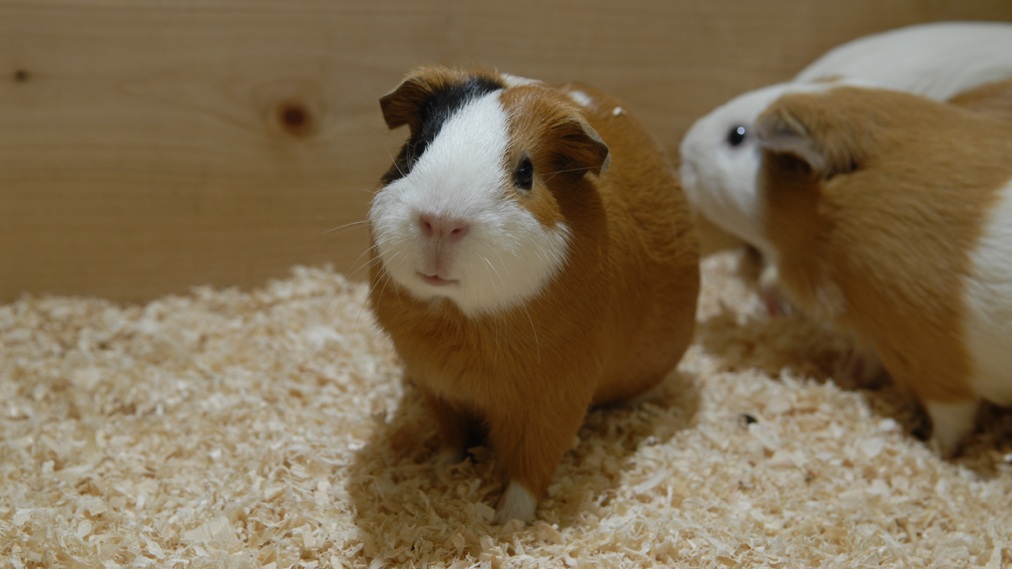
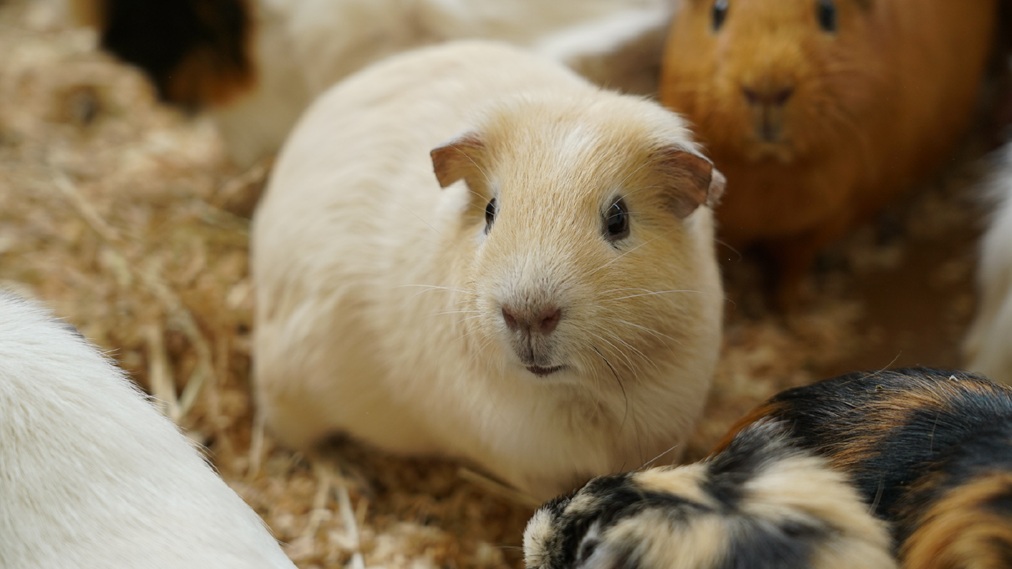
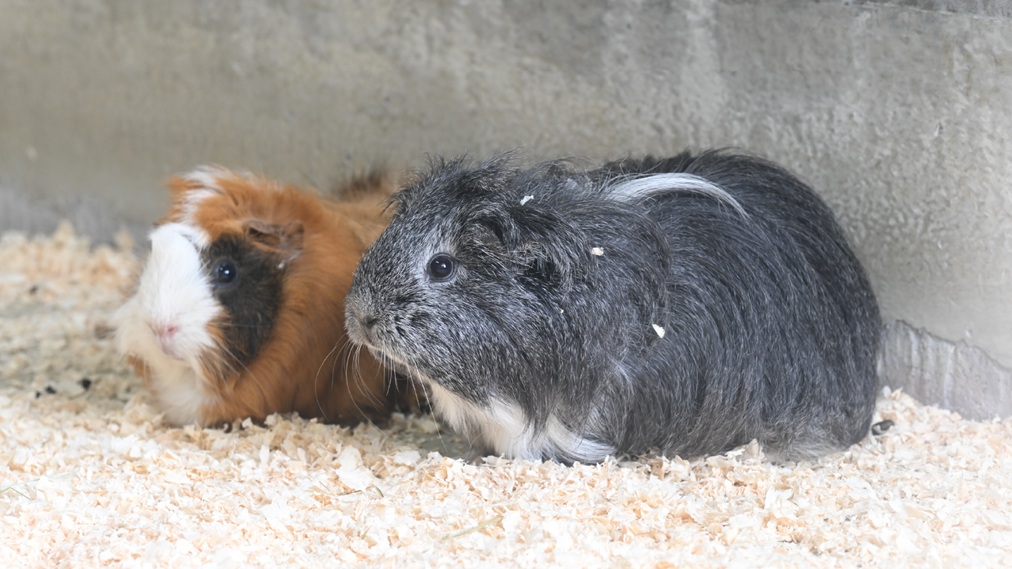
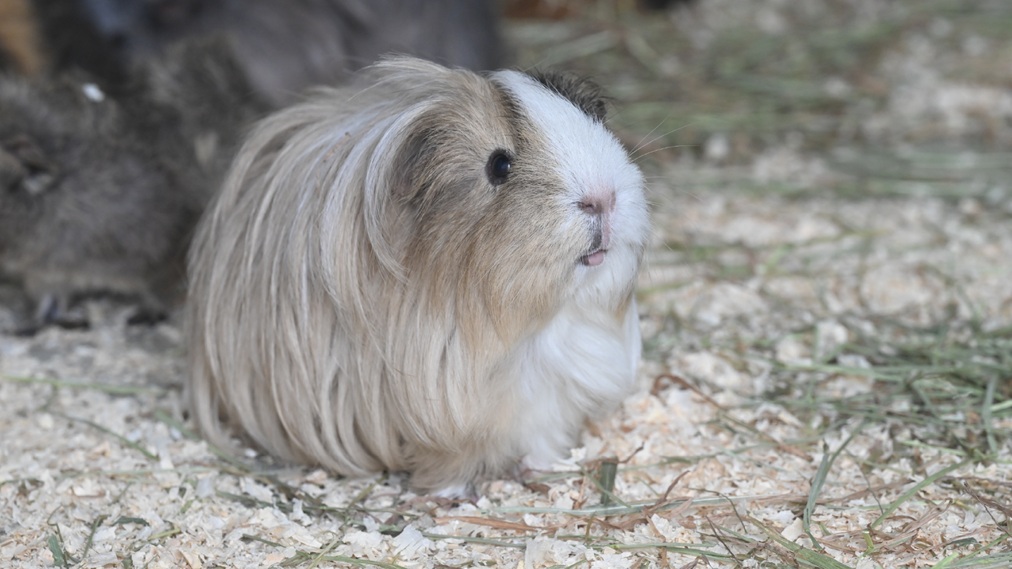
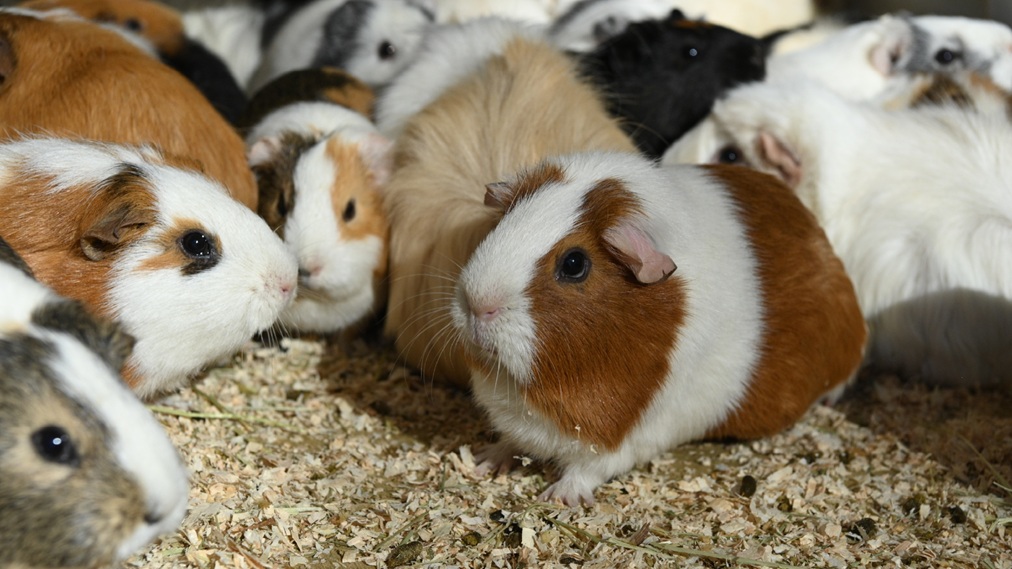
The guinea pig originated from a species of Domestic Guinea Pig that was domesticated for food by people in the mountainous regions of ancient South America approximately 5,000 years ago. Due to its gentle nature and ability to easily become accustomed to humans, it was later brought to Europe and is now kept as a pet all over the world. It reaches adulthood in about 2-3 months and gives birth to 1-5 pups at a time. Its lifespan is 7-8 years.
| classification | Mammals, Rodentia Domestic Guinea Pig |
|---|---|
| English name | Domestic Guinea Pig |
| distribution | - |
| Residence | - |
| Size |
Head torso length: 30-40cm
|
| food | grass |
| Red List |
Not rated for livestock
|
Various hairs and patterns
Originally, guinea pigs had a brownish coat that made them less conspicuous to predators. However, over time, as they were domesticated by humans, a variety of coat colors and textures became preferred, resulting in the development of Domestic Guinea Pig with white, black, cream, and brown coats, as well as various coat types such as short hair, long hair, curly hair, and frizzy hair. Their eye color also varies; some have red eyes in addition to black.
A strong baby
From the moment they are born, their fur is fully grown and their eyes are open. They begin walking within 1-2 hours, and after a few more hours they are able to run away with their mother. They also breastfeed for about a month, but on the day they are born they already have a full set of teeth in their mouths, and by the next day they can eat hay and other food just like their parents. It is thought that these characteristics increase the baby's chances of survival if it develops properly inside the womb.