

Zoo Stock Species and the Red List
Zoo Stock Species and the Red List
Zoo Stock

This indicates that the species is included in the Second Zoo Stock Plan, which was formulated by the Tokyo Metropolitan Government in 2018. The plan sets goals for the next 10 years in three areas: "species conservation," "contribution to wildlife conservation," and "environmental education and conservation awareness." 124 animal species are included.
What is the Red List?
Based on scientific research, this is a list of wildlife classified by rank (category) indicating the degree of risk of extinction.
Livng Things Encyclopedia shows the categories (mainland and islands) assessed by the IUCN (International Union for Conservation of Nature) at the global level, the Ministry of the Environment for Japan, and the Tokyo Metropolitan Government for Tokyo.
The higher the category in each table, the higher the risk of extinction, and CR, EN, and VU are the three categories known as "endangered species." In Tokyo, species that are not at the NT (near threatened) level but are relatively rare are considered "species of concern."
|
IUCN categories |
|
|---|---|
|
EX |
extinction |
|
EW |
Extinction in the wild |
|
CR+EN |
— |
|
CR |
Serious crisis |
|
EN |
crisis |
|
VU |
emergency |
|
NT |
Near Threatened |
|
LC・○ |
Low Concern |
|
DD |
Data shortage |
|
LP |
— |
|
Japan (Ministry of the Environment) Category |
|
|---|---|
|
EX |
extinction |
|
EW |
Extinction in the wild |
|
CR+EN |
Endangered species |
|
CR |
Critically Endangered |
|
EN |
Endangered species |
|
VU |
Endangered species |
|
NT |
Near Threatened |
|
LC・○ |
— |
|
DD |
Lack of information |
|
LP |
Endangered |
|
Tokyo Category |
|
|---|---|
|
EX |
extinction |
|
EW |
Extinction in the wild |
|
CR+EN |
Endangered species |
|
CR |
Critically Endangered |
|
EN |
Endangered species |
|
VU |
Endangered species |
|
NT |
Near Threatened |
|
LC・○ |
Unranked |
|
DD |
Lack of information |
|
LP |
Endangered |
Creatures at Inokashira Park Zoo
Creatures at Inokashira Park Zoo

Cackling Goose
Cackling Goose
Branta hutchinsii leucopareia
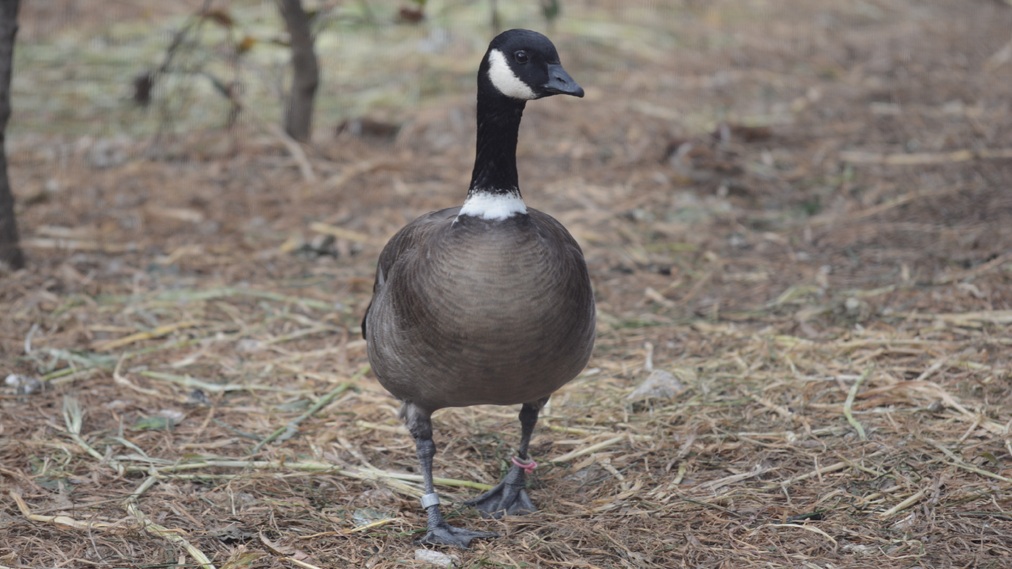
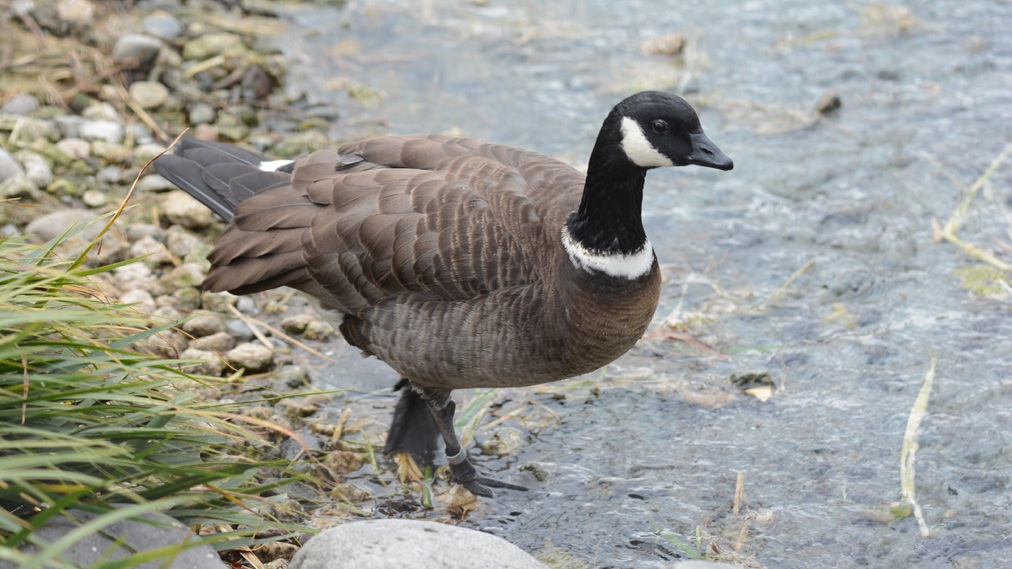
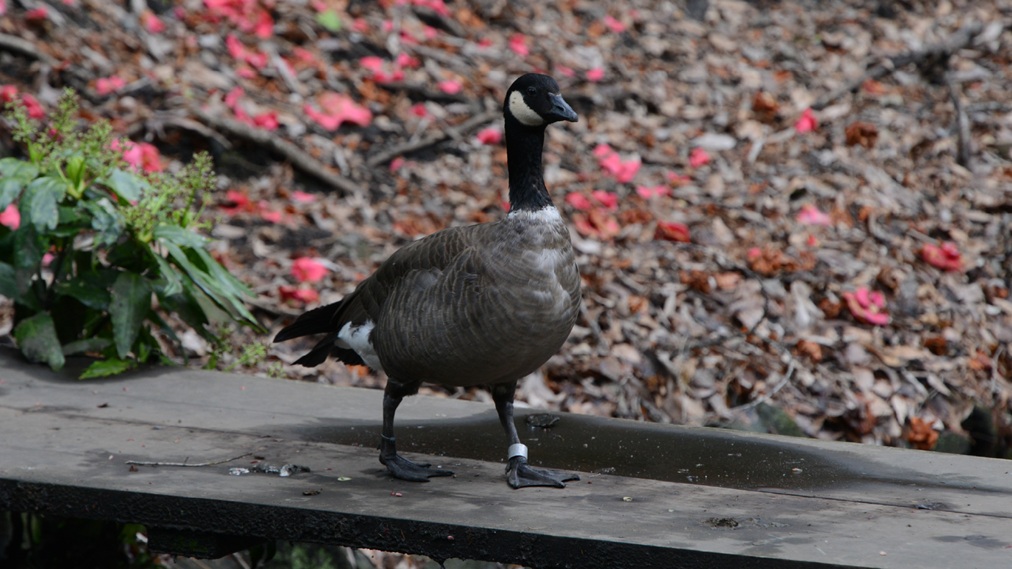
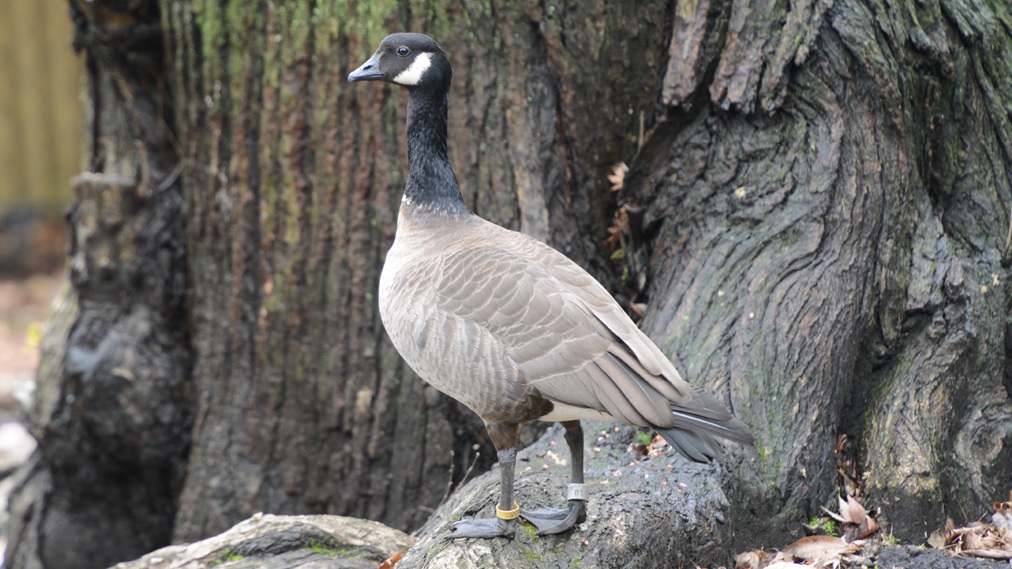
The sexes are the same color, with white patterns on their cheeks and a white collar-like pattern around their black necks. The white patterns on their cheeks resemble those of the small bird, Great Tit, which is where their name comes from. They have jagged edges called platy teeth on the edge of their beaks, which are convenient for eating grass.
| classification | Aves, Anseriformes, Anatidae |
|---|---|
| English name | Cackling Goose |
| distribution | Aleutian Islands and the Kuril Islands |
| Residence | Grasslands, rice fields, marshes, lakes and marshes |
| Size |
Total length: 56-68cm
Weight: 1.7kg |
| food | Aquatic plants, fallen rice grains, shells, etc. |
| Red List |
IUCN: LC (Least Concern)
Japan: VU (Vulnerable) |
Can I see it in Japan?
They breed in the Aleutian Islands and the Kuril Islands, and migrate to North America and Japan, respectively, to spend the winter. At one point, they were on the verge of extinction, but the flocks migrating to the west coast of the United States have been revived thanks to a conservation plan by the U.S. government. However, they are now almost completely absent from Japan. Therefore, a zoo in Miyagi Prefecture has been taking the lead in conservation efforts to revive the flocks migrating to Japan. A survey conducted in 2018 reported that over 5,000 wild Great Cackling Goose had flown into the country.