

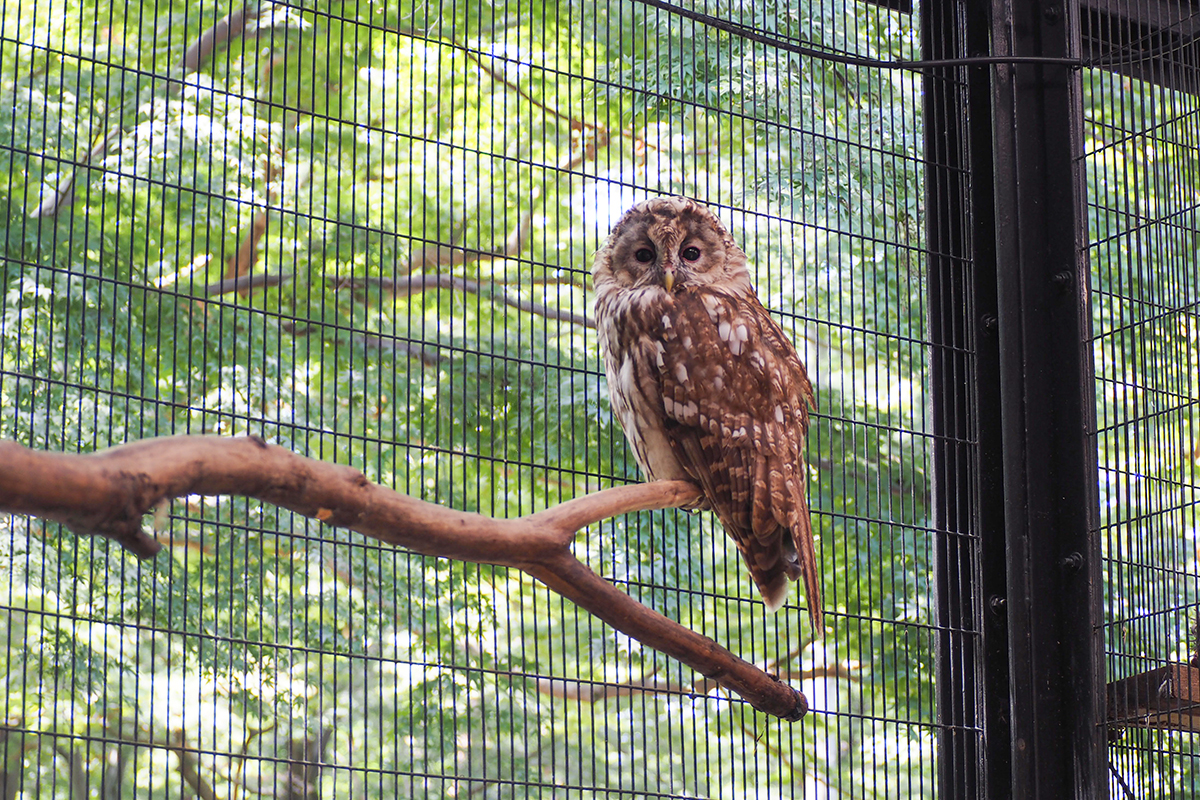
Ural Owl that live in cold regions
September 26, 2026
The peak of the heat is over, and the mornings and evenings are now cool. This time, we'll introduce creatures that live in cold regions, the complete opposite of hot weather.
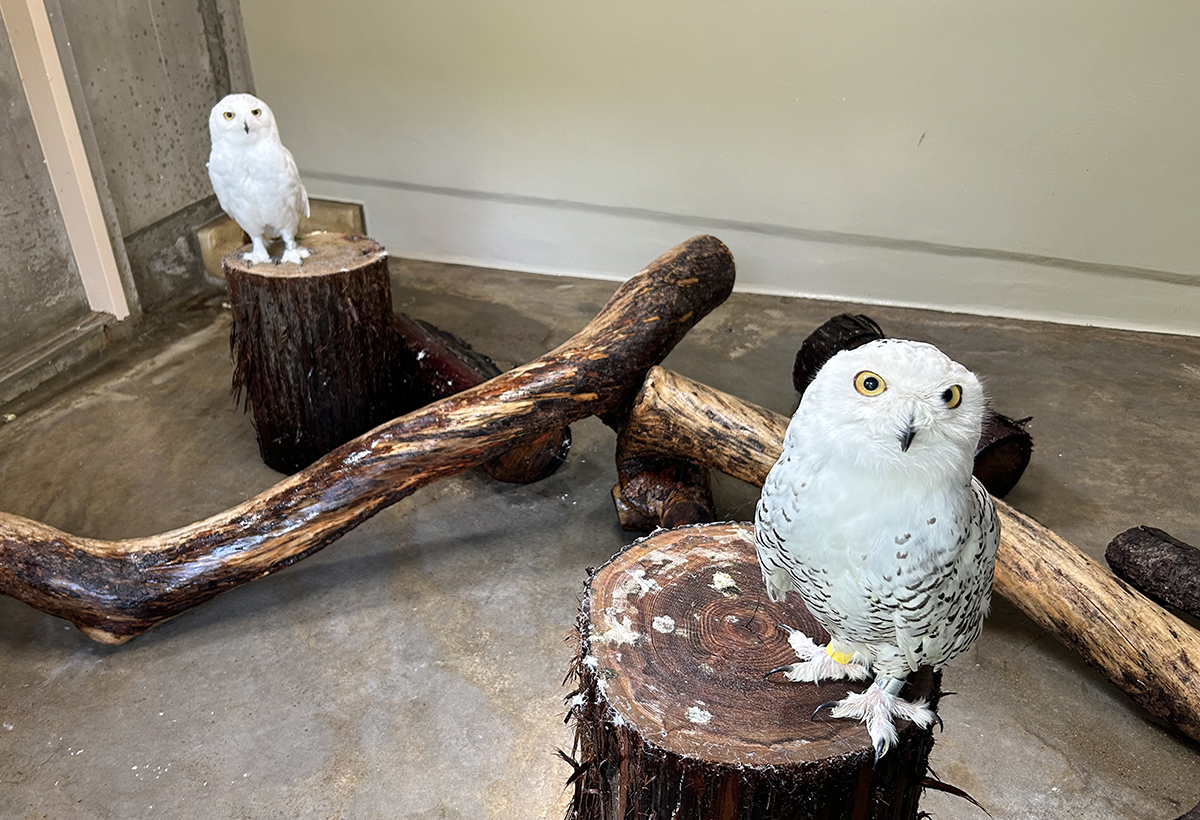
Inokashira Park Zoo keeps Snowy Owl, which are native to cold regions. Wild Snowy Owl live in the Arctic tundra, where temperatures are lower than in Japan even in summer. However, in recent years, the period of rising temperatures in Japan has been starting earlier, and in Tokyo this year (2026), there were days in mid-May when the temperature exceeded 30°C. The outdoor enclosure where Snowy Owl are kept also exceeds 30°C in the summer. Therefore, every year before the temperature rises, the owls are moved from the outdoor enclosure to an air-conditioned indoor enclosure.
This year, we moved on May 18th. We plan to move them to the outdoor exhibit area in the fall when the temperature settles down and it gets cooler.
When capturing animals for relocation, a veterinarian will conduct a health check to ensure there are no abnormalities in their weight, physique, etc.
By the way, many people associate Ural Owl with being nocturnal. In the Arctic Circle, where Snowy Owl live, there are areas in the summer where the sun does not set even at night, a phenomenon known as the midnight sun. The midnight sun is a natural phenomenon where it does not get completely dark even at night, and it remains light all night long. Snowy Owl have their breeding season in the summer when the midnight sun occurs, so it is thought that they hunt even during the daytime. If you take a look at the exhibit during opening hours, you may be able to see them in action.
Next, I'll introduce some points to keep in mind for observation. First, the mice are given to the animals every morning after cleaning is finished, but they don't eat them immediately. They eat them after the zookeepers have left, during opening hours. I don't know exactly when they start eating, but when I check on them in the afternoon or evening, there is usually less food left.
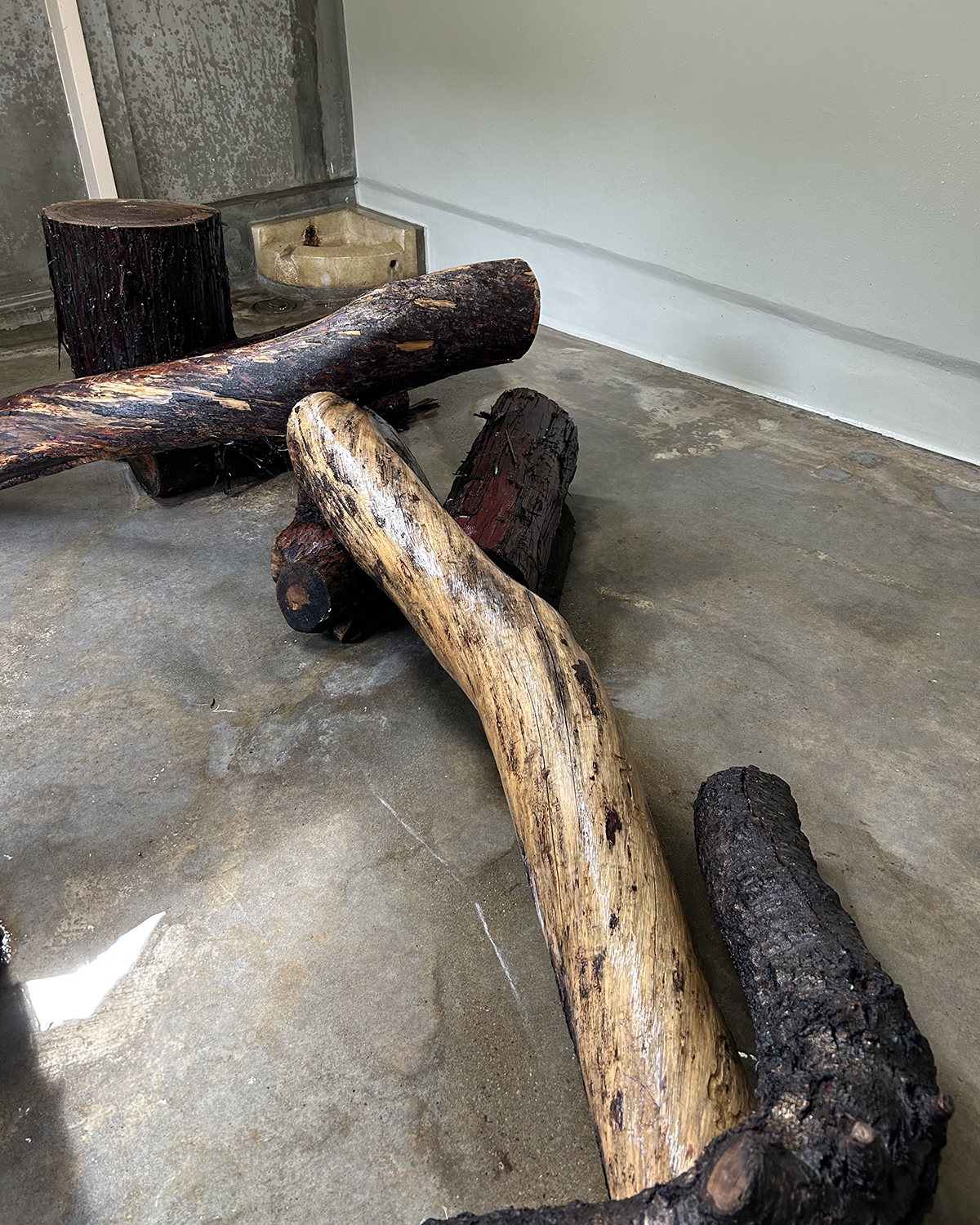
Furthermore, if you look closely at the indoor exhibit, you'll notice there are no tall perches. While many Ural Owl use tree branches as perches, there are hardly any large trees in the Arctic tundra where Snowy Owl live. Therefore, logs and perches are placed at a low level in the indoor exhibit.
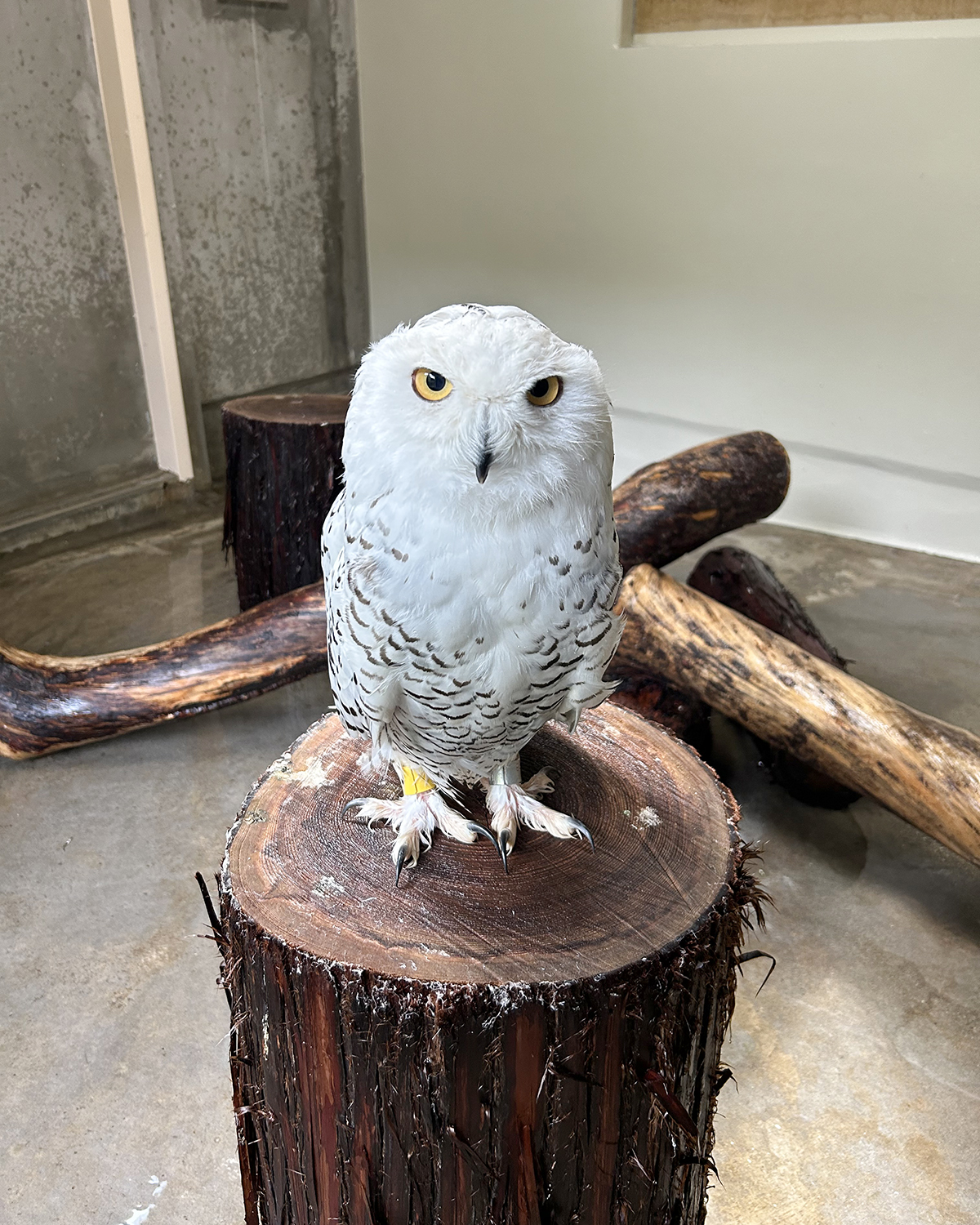
Our Snowy Owl can fly, but you'll probably see them more often walking on the ground or moving around on their perches.
Currently, in the indoor exhibit, if you're lucky, you might be able to see them eating, moving between perches, or bathing. Why not take this opportunity to observe them closely?
[Inokashira Park Zoo Animal Care and Exhibition Staff, Suzuki]