

Preparations underway for the public viewing of the Red-necked Phalarope [Part 1]
April 27, 2026
Inokashira Park Zoo garden houses many birds that inhabit waterside and wetland areas, including ducks, Crested Ibis, crested ibises, and cranes. Now, one Red-necked Phalarope has joined the aquatic life garden.
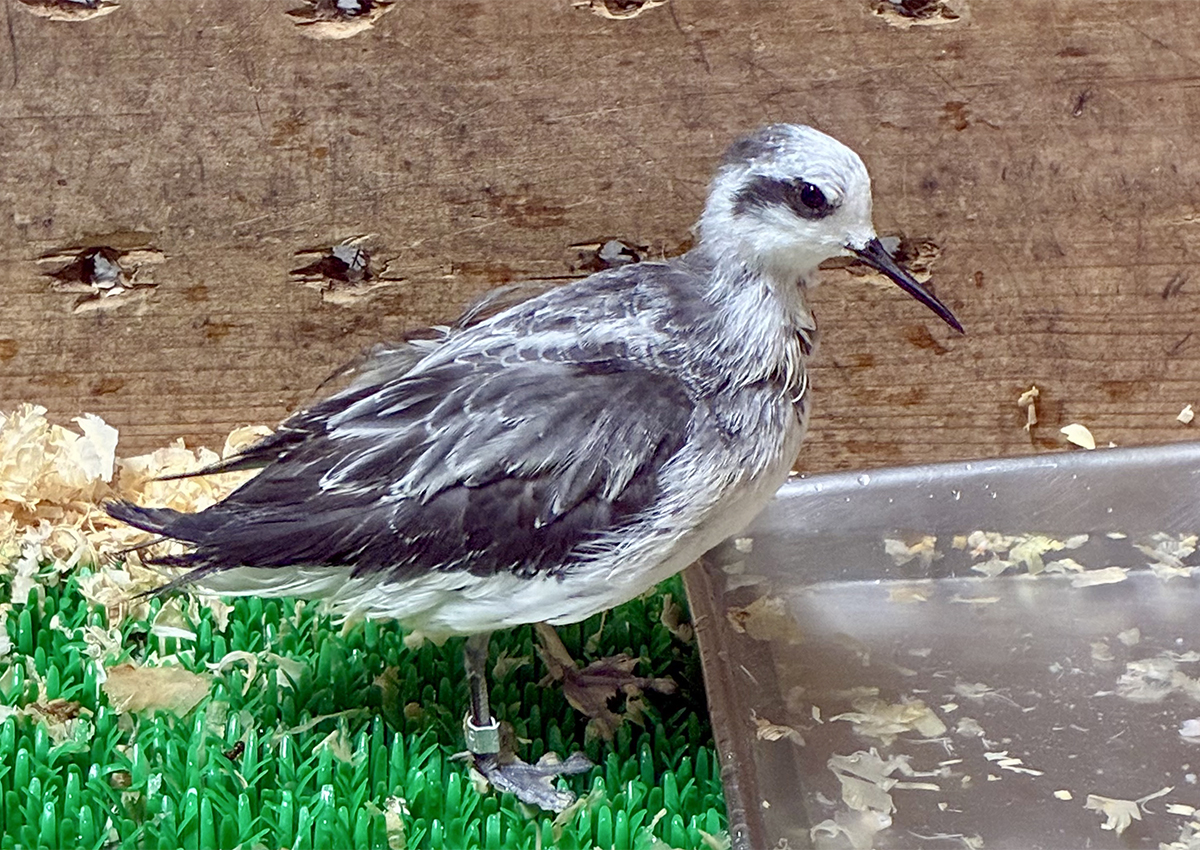
Sandpipers are known for their long legs, slender beaks, and wide-set toes that make it easy for them to walk along the water's edge. They live in tidal flats and coastlines, and mainly feed on crabs, bivalves, and polychaetes. They are often seen searching for food while walking along tidal flats, and unlike geese and ducks, they rarely swim on the water's surface.
However, phalaropes, including the Red-necked Phalarope, can swim in the sea. Unlike other sandpipers, they have fin-like membranes on both sides of their toes, which help them move across the water like ducks do with their webbed feet.
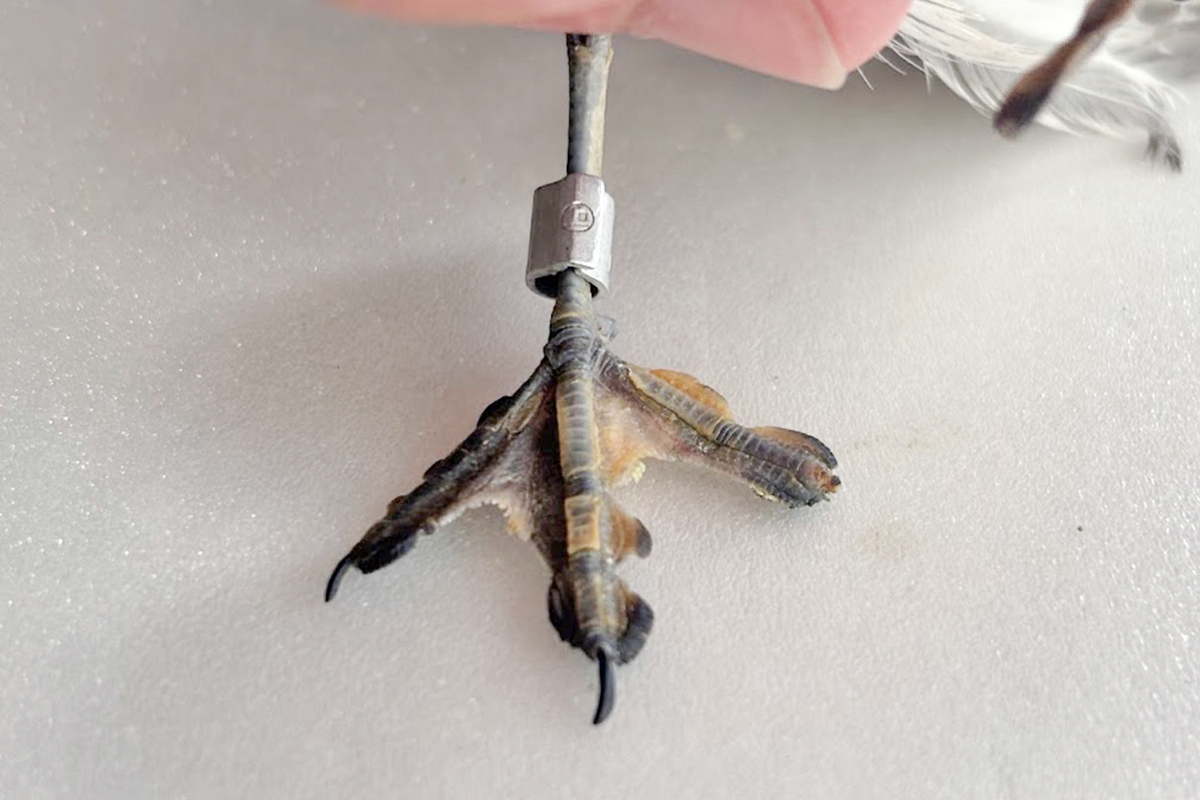
The wild Red-necked Phalarope is a very small bird, measuring approximately 19 cm in length (*), but it migrates long distances from the Arctic Circle to near the equator in spring and autumn. It makes a stopover in Japan along the way. During migration, it spends much of its time at sea, feeding on zooplankton and other organisms that are densely packed on the water's surface, driven up by schools of fish.
*Total length: The length measured from the tip of the beak to the tip of the tail when the bird is lying down and stretched out straight.
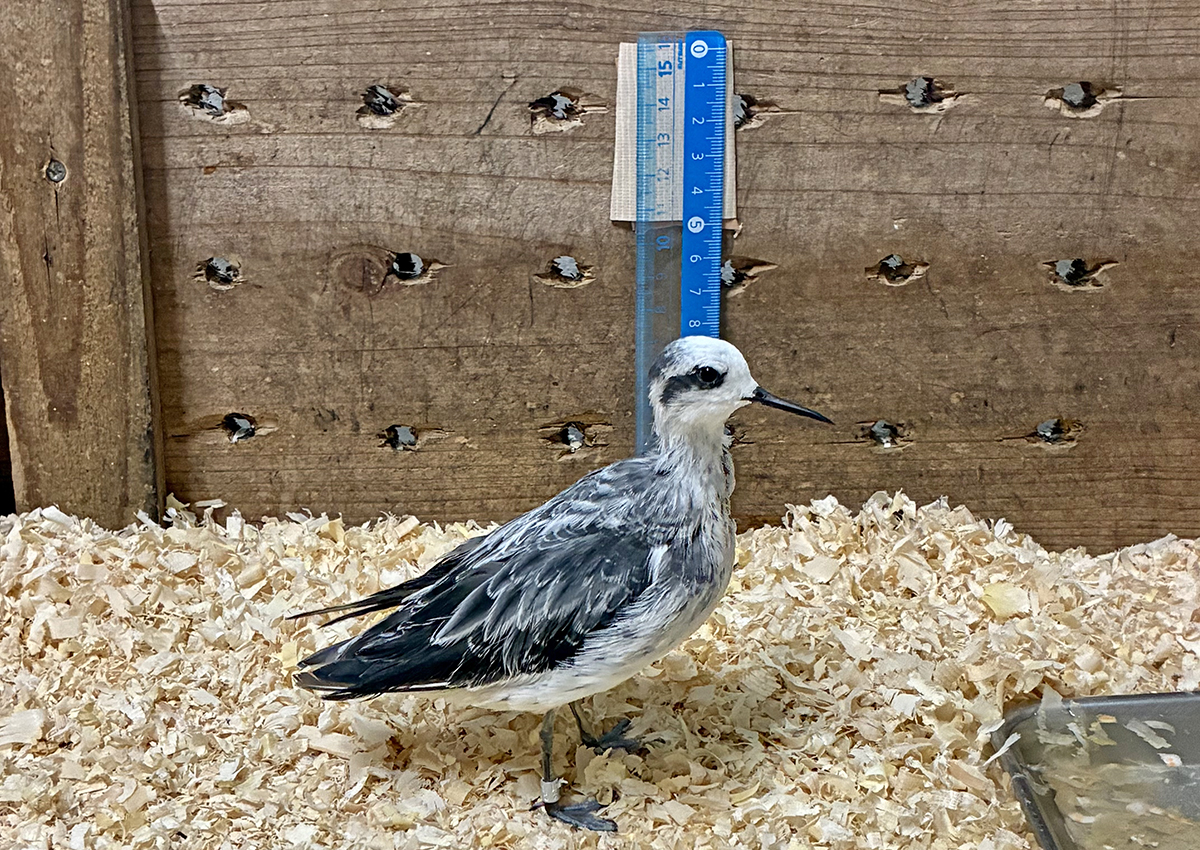
This particular bird was rescued after being found with an injured wing. Due to the injury, it could not be released back into the wild, and it will be coming to Inokashira Park Zoo from a sanctuary in October 2025.
Since it had been about 20 years since the animal had been kept in captivity at a Tokyo Metropolitan Zoo, the first step was to conduct a quarantine inspection at an animal hospital to check for any diseases. During that time, the animal hospital also considered how to care for the animal, including its diet and environment.
The birds were fed krill, powdered artificial feed for Crested Ibis ibises called "Crested Ibis Pellet," and red roaches (a type of cockroach). Because their mouths are very small, with beaks less than 2 cm long and 3 mm thick, only the smallest red roaches were used, and the krill were finely chopped. In addition, water was added to the powdered Crested Ibis Pellet to create a mudflat-like environment to encourage feeding.
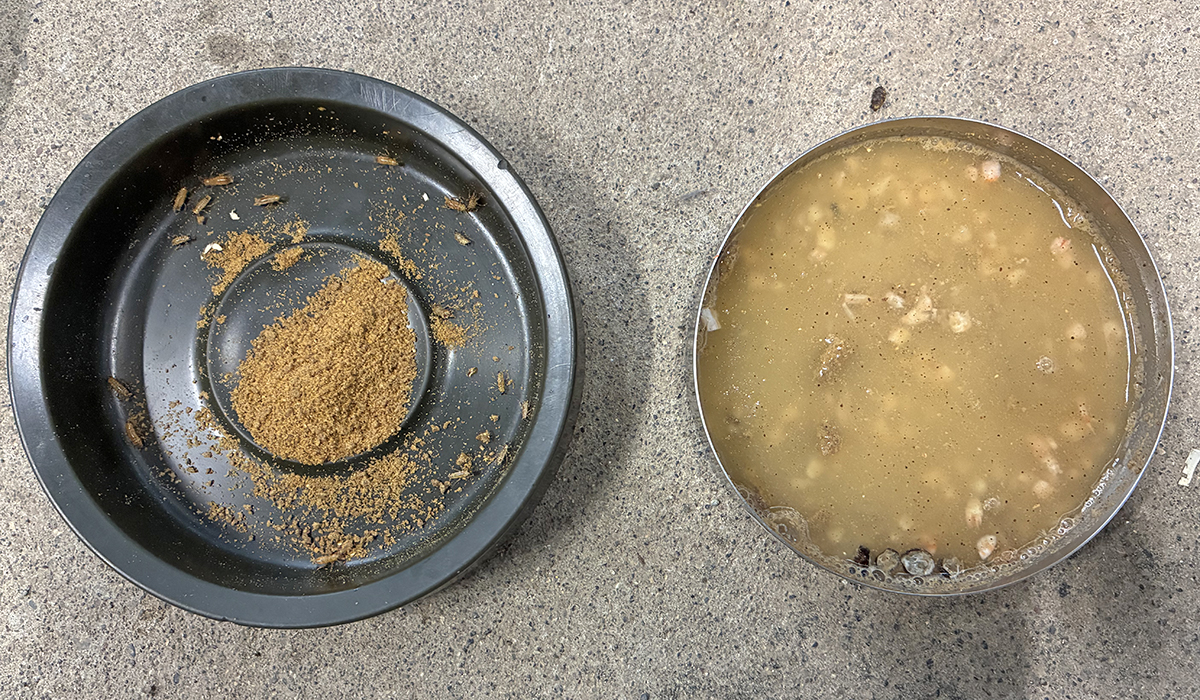
Considering that they overwinter near the equator, the breeding environment was kept indoors in a room where the temperature could be maintained at around 20°C. A panel heater at around 25°C was installed in the breeding case, allowing the individuals to move freely and choose their preferred temperature.
After undergoing preparation and quarantine at the animal hospital, the animals were moved to the back area of the aquatic animal park. The start date for the exhibition is yet to be determined, but preparations for the public viewing are currently underway. We will introduce the behind-the-scenes details in Part 2.
[Machida, Animal Care and Exhibition Staff, Inokashira Park Zoo Aquatic Life House]