

Summer Seminar for Teachers, 2026
Zoo and aquarium courses that can be used in the classroom
Zoo and aquarium courses that can be used in the classroom
Tokyo Metropolitan Zoos and Aquariums (Ueno Zoological Gardens, Tama Zoo, Tokyo Sea Life Park, and Inokashira Park Zoo) accept many elementary schools as field trips. Based on this experience, they will hold workshops on topics such as observation methods for living creatures, information (knowledge) about animals, and nature experiences that will be helpful for teachers in conducting lessons.
As in previous years, we are planning both in-person, hands-on workshops utilizing the exhibition facilities and natural surroundings of each park, as well as online workshops using web conferencing systems.
Choose your preferred format, content, and dates from the 12 available courses and register. Participation is free.
Mainly elementary school teachers
Tokyo Zoological Park Society / Ueno Ueno Zoo, Tama Zoo Park, Tokyo Sea Life Park, Inokashira Park Zoo
Tokyo Metropolitan Board of Education
Applications are now closed.
Held online
Held online
A Day in the Life of a Zoo Veterinarian
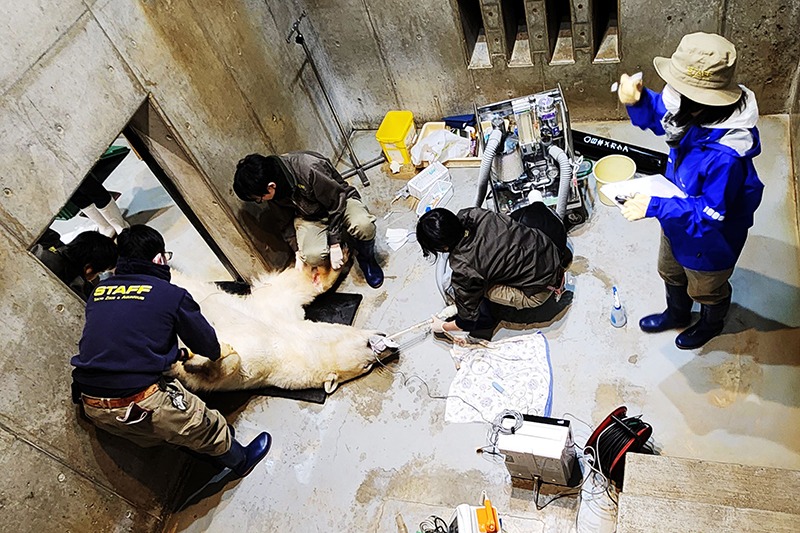
A veterinarian from Ueno Zoo veterinarian, including rounds, consultations, and treatments, following a typical day in their life. In the second half, they will discuss a day in animal keeper of a zookeeper, focusing on their interactions with veterinarians.
Wednesday, July 22, 2026, Thursday, August 20, 2026
Both days from 1:30 PM to 3:00 PM
None (All applicants will be selected)
First-year Japanese language class: "The Zoo Veterinarian"
How baby animals are born and raised
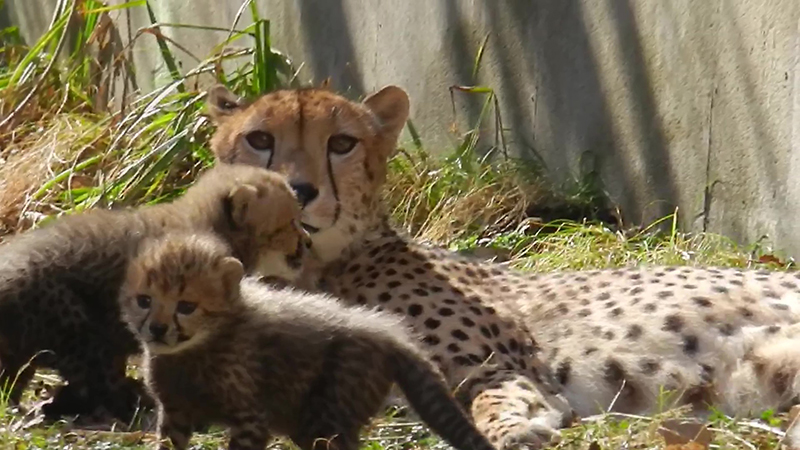
This article compares the growth of baby Cheetah Giraffe Red Kangaroo, and other animals. It explains, from a biological perspective, how babies are born, raised, and interact with their parents, which vary depending on the species and their lifestyle.
Monday, August 3, 2026, Thursday, August 20, 2026
Both days from 10:30 to 12:00
None (All applicants will be selected)
First-year Japanese language class: "Baby Animals"
First-grade Japanese language class: "Animals that protect children"
Discover the secrets of the creatures Swimmy encountered
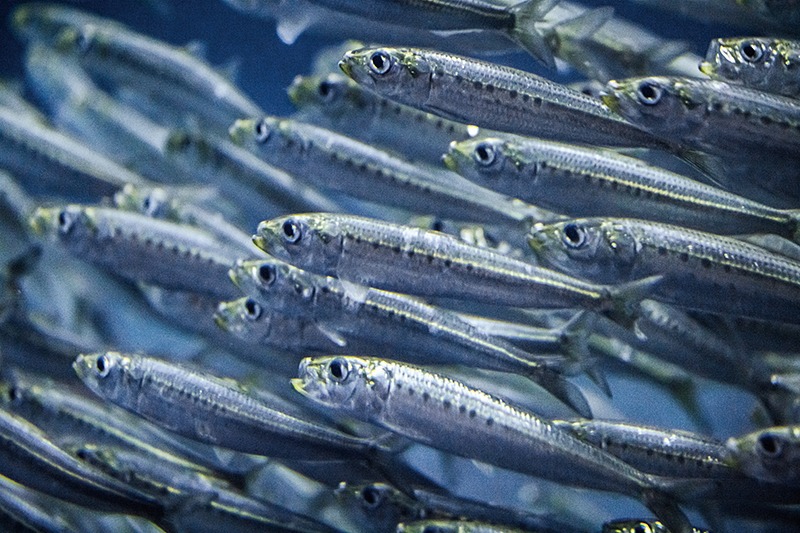
The physical characteristics and lifestyles of the various creatures that Swimmy encounters in the picture book "Swimmy" will be introduced using footage of creatures kept at the aquarium, such as the missile-shaped Pacific Bluefin Tuna and schooling Japanese Pilchard.
Wednesday, July 22, 2026, Monday, August 24, 2026
Both days from 10:30 to 12:00
None (All applicants will be selected)
Grades 1 & 2 Japanese Language Arts: "Swimmy"
In-person event held at Ueno Zoo
In-person event held at Ueno Zoo
Experience it in your local waters! What are invasive species?
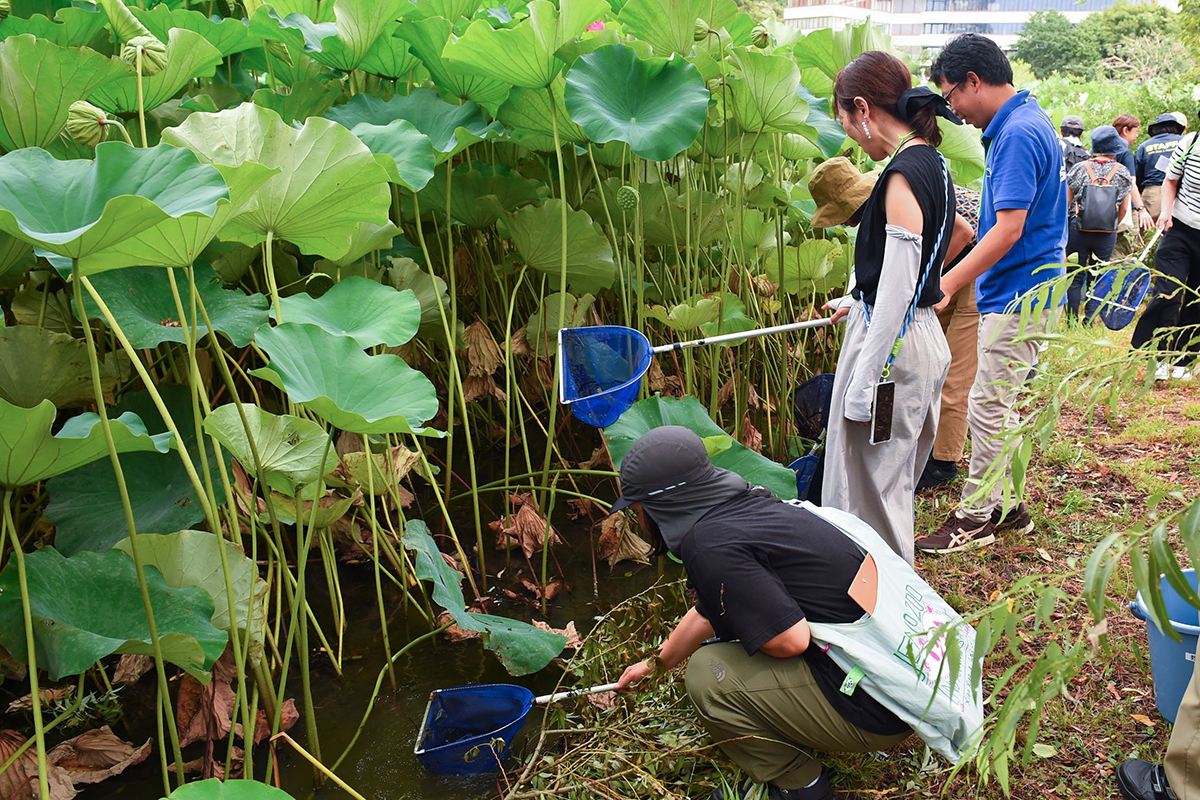
Currently, various invasive species inhabit our surroundings, some of which are having a significant impact on ecosystems and human life. Through observations at Shinobazu Pond, we will consider together what invasive species are, why they are a problem, and how we can convey the issue of invasive species to children.
Thursday, July 23, 2026, Monday, August 10, 2026
Both days from 9:45 to 15:00
20 people each day
09:45 Orientation, explanation of purpose, and self-introductions
10:00 Group work and discussion: What kind of creatures are invasive species?
10:30 Experience: Investigating the creatures of Shinobazu Pond
12:15 Lunch
13:15 Group work and discussion: What are the problems with invasive species?
14:15 Group work and discussion: How to explain the problem of invasive species to children?
14:45 Summary
Ended at 15:00
Life Skills: "Interacting with Nature in Our Surroundings"
Third-grade science: "Living things around us"
5th Grade Science: "The Birth of Animals (Medaka Fish)"
6th Grade Science: "Biology and the Environment"
Third year of junior high school: "Survey and Conservation of the Natural Environment"
Animal feeding and digestion
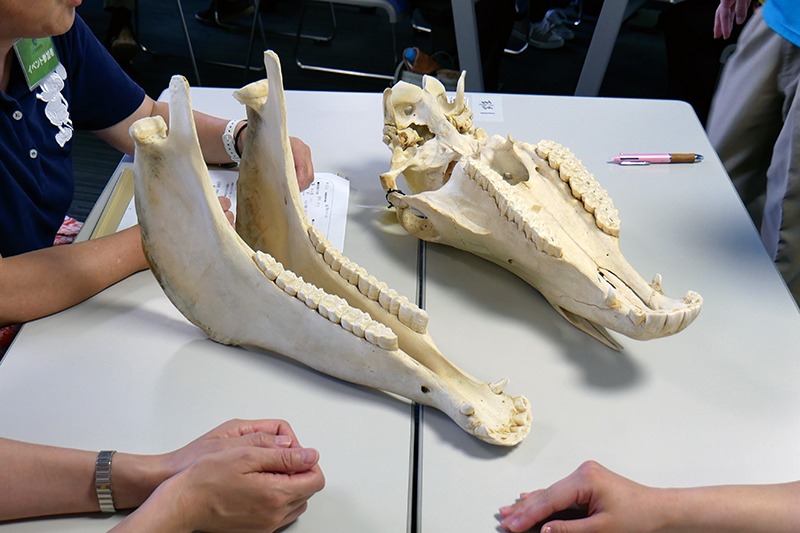
We will carefully observe the foraging behavior of carnivorous and herbivorous animals. We will compare the shape of their teeth, how they chew, and the appearance of their feces to explore the digestive strategies they employ.
Tuesday, August 4, 2026, Wednesday, August 5, 2026
Both days from 9:30 AM to 4:00 PM
20 people each day
09:30 Orientation
10:20 Observing how herbivores eat
11:00 Observation of herbivore teeth
12:00 Lunch
13:00 Observation of how carnivorous animals eat
13:30 Observation of the teeth of carnivorous animals
14:30 Observation of droppings
15:15 Summary
Ended at 16:00
6th Grade Science: "The Structure and Function of the Human Body"
Food education for all grades
How to observe animals – using bird beaks and feet as examples.
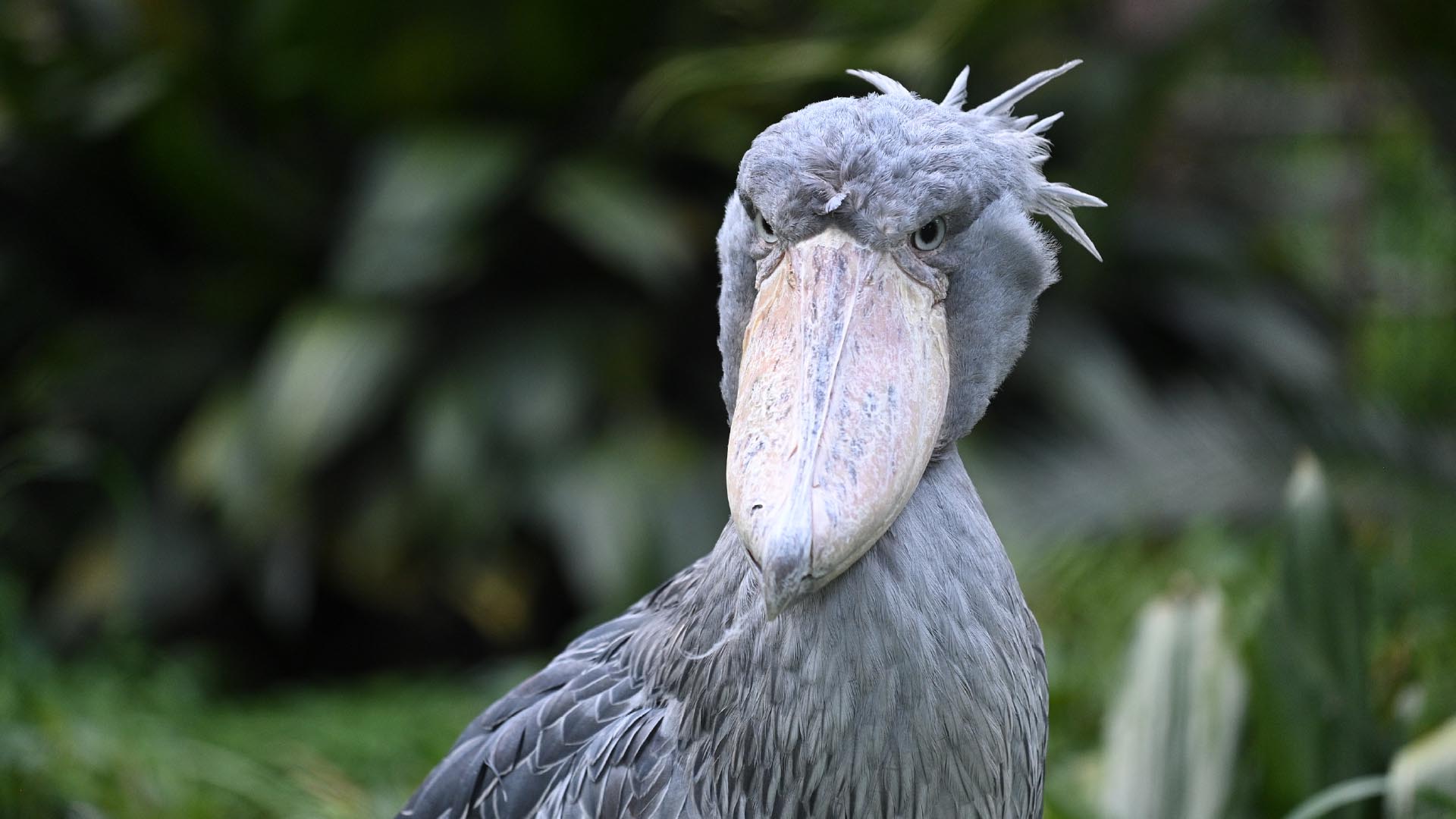
We will observe the shapes of beaks and feet of various types of birds and consider the reasons behind those shapes. We will also experience methods for sketching that are easy even for those who are not good at drawing, and methods for interpreting the results of our observations in our own way.
Thursday, August 6, 2026, Wednesday, August 19, 2026
Both days from 9:30 AM to 12:00 PM
40 people each day
09:30 Orientation and explanation of purpose
09:45 Bird watching
11:00 Review of observation results
11:45 Summary
12:00 End
Life Skills: "Interacting with Nature in Our Surroundings"
Third-grade science: "Living things around us"
In-person event held at Tama Zoo
In-person event held at Tama Zoo
Animal body structure and movement
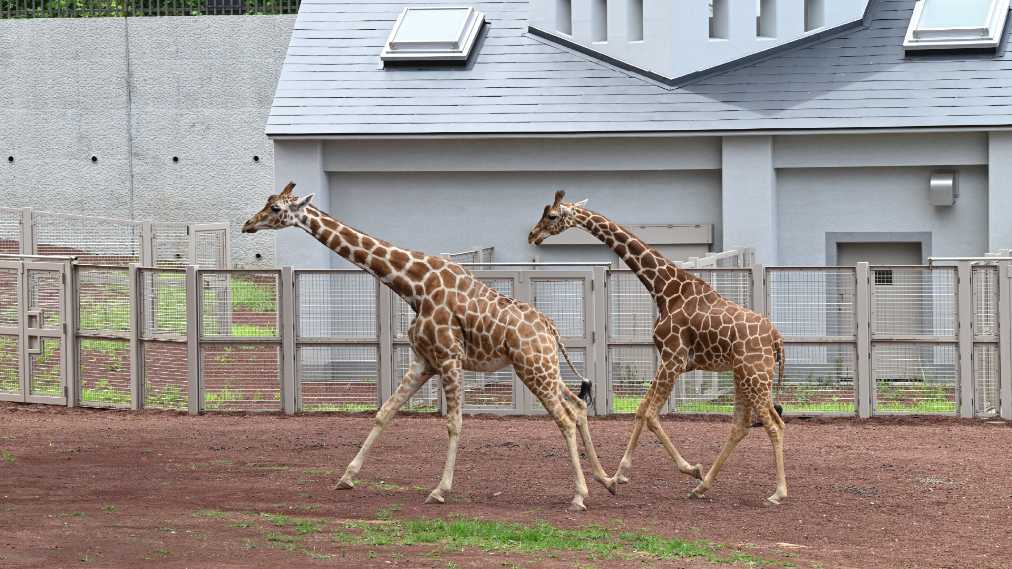
We will observe live animals and skeletal specimens to compare the body structure and movement patterns of humans and other animals. Furthermore, we will deepen our understanding of the connection between animal physical characteristics and their lifestyles.
Thursday, July 30, 2026, Friday, July 31, 2026
Both days: 9:45 AM - 4:00 PM
20 people each day
09:45 Orientation: The structure and movement of the human body
10:15 Experience: Observing the bodies and movements of Giraffe and Cheetah
11:30 Lecture: Comparison of the bodies of humans and other animals
12:00 Lunch
13:00 Experience: Observation of animal skeletons
14:30 Lecture: The connection between animal body characteristics and their lifestyles
14:50 Animal observation based on what we learned today
Ended at 16:00
4th Grade Science: "The Structure and Movement of the Human Body"
Getting to know insects and learning about them
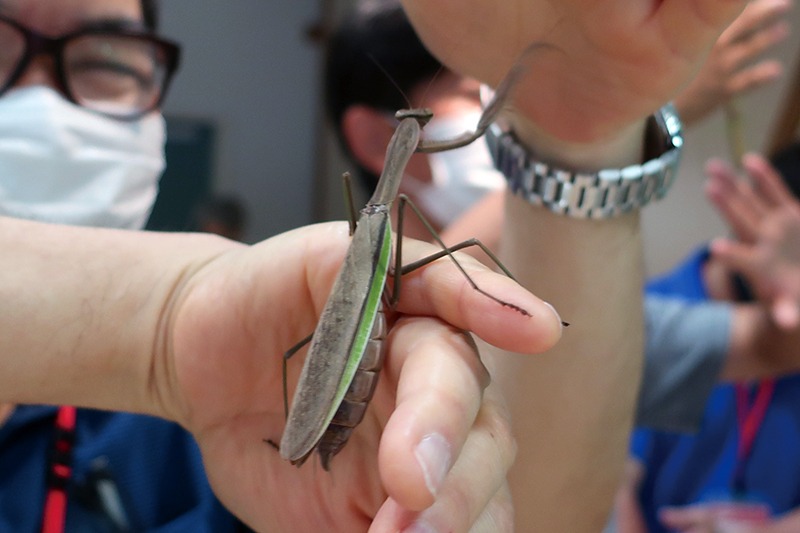
This course allows participants to experience how to handle and catch insects without fear, and learn about the differences between larvae and adults, as well as how they grow, through observation. It is designed for teachers who teach insects in 3rd grade science, deepening familiarity with and understanding of insects, and allowing participants to experience the joy of "observation and discovery."
Monday, August 17, 2026, Tuesday, August 18, 2026
Both days: 9:45 AM - 4:00 PM
20 people each day
09:45 Orientation
10:00 Experience 1: Let's touch insects
11:00 Experience 2: Let's try catching insects
12:15 Lunch
13:15 Experience and Lecture 1: Let's observe the structure of insect bodies.
14:35 Experience and Lecture 2: Let's observe how insects grow.
15:30 Summary and Q&A
Ended at 16:00
Third-grade science: "Observing nature around us" and "How insects grow"
In-person event held at Tokyo Sea Life Park
In-person event held at Tokyo Sea Life Park
Find "Hide and Seek in the Sea" at the Aquarium
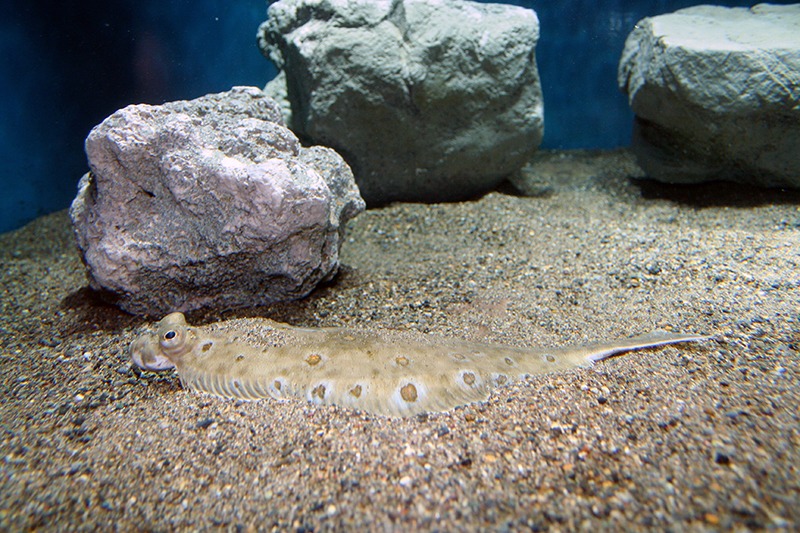
In first and second grade Japanese language textbooks, stories like "Swimmy" and "Hide-and-Seek in the Sea" feature creatures that have various survival strategies, such as forming groups or changing their body color. In this course, we will observe creatures from the perspective of one of these strategies, "hiding," and learn about the designs they use to hide through "observation and discovery."
Monday, July 27, 2026, Friday, August 21, 2026
Both days, the first session: 8:45 AM - 12:00 PM
Second session: 1:30 PM - 4:30 PM
20 people each time
08:45/13:30 Meeting and registration
09:30/14:00 Story: Various forms of "hide-and-seek"
10:15/14:45 Experience: Let's look at designs for hiding (observation of biological specimens)
10:45/15:15 Experience: Let's observe the design of hiding (observing Pacific Bluefin Tuna)
11:15/15:45 Observation: Let's try to find the creatures that are hiding.
12:00 / 16:30 End
Grades 1 & 2 Japanese Language Arts: "Swimmy"
First-grade Japanese language: "Hide-and-Seek in the Sea"
Third-grade science: "Living things around us"
Experience the tidal flats! Learn about living creatures and the environment

We will search for, collect, and observe various creatures in the tidal flats located in front of the aquarium. In the second half, we will deepen our understanding of the tidal flat environment and the creatures that live there. We will also work in groups to consider how to utilize field observations in school.
*In cooperation with: Kasai Seaside Park Partners
Wednesday, July 29, 2025
9:30 AM - 4:30 PM
30 people
09:30 Registration and Orientation
09:45 Experience: Observing organisms in the tidal flats
12:00 Observation ends, move to aquarium.
12:30 Lunch
13:30 Group work: Review of tidal flat observations
14:15 Group work: How to utilize field observations in school
14:45 Break
15:00 Tips for summarizing
15:40 Park tour
16:30 End
First-grade Japanese language: "Hide-and-Seek in the Sea"
Third-grade science: "Living things around us"
6th Grade Science: "Biology and the Environment"
Special activities (waterfront school)
Held in person at Inokashira Park Zoo
Held in person at Inokashira Park Zoo
First time keeping a pet: Guinea pig
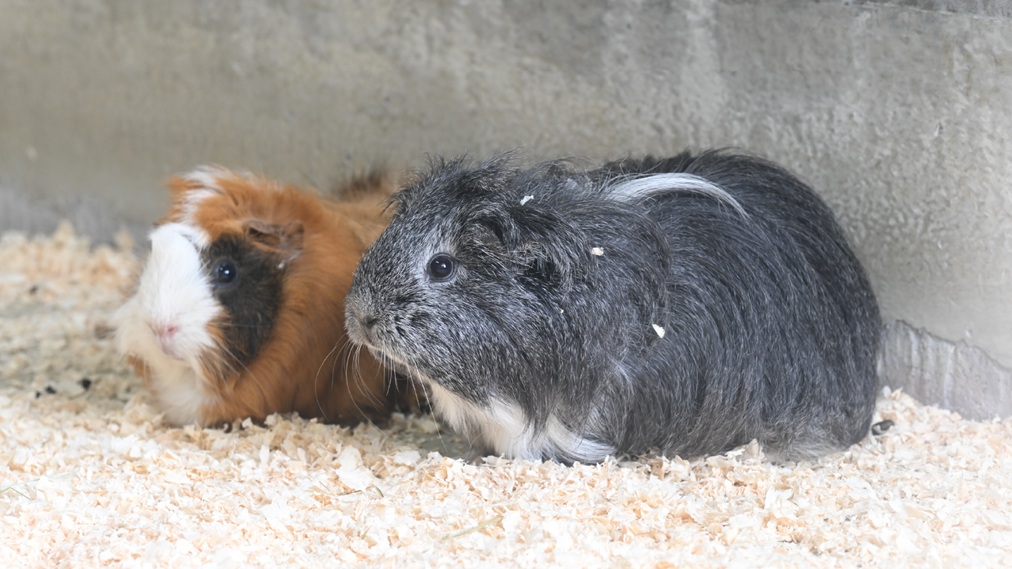
This lesson is part of the "Making Friends with Living Things" unit in the life skills curriculum. We will explain how to properly care for guinea pigs, which are recommended as animals to keep at school, and how to utilize them in educational settings.
Friday, July 24, 2026
9:30 AM to 12:30 PM each day
20 people
09:30 Orientation
09:40 Lecture: Guinea pigs - animals suitable for keeping in schools
09:55 Practical training and observation:
How to carry and hold a guinea pig
Let's take a look at a guinea pig's body (whole body, feet, and teeth).
Let's listen to the sound of a guinea pig's heart.
10:45 Lecture and practical session:
How to care for guinea pigs
Rearing environment and health management
Let's make a pet cage using items from a 100-yen shop!
11:00 Lecture: A veterinarian's talk on protecting the health of guinea pigs
12:05 Lecture: Examples and reflections on its application in school lessons
Finished at 12:30
Life Skills: "Raising and Cultivating Animals and Plants"
Integrated learning time
Special Subject: Moral Education - "The Preciousness of Life"
How to find and attract common insects
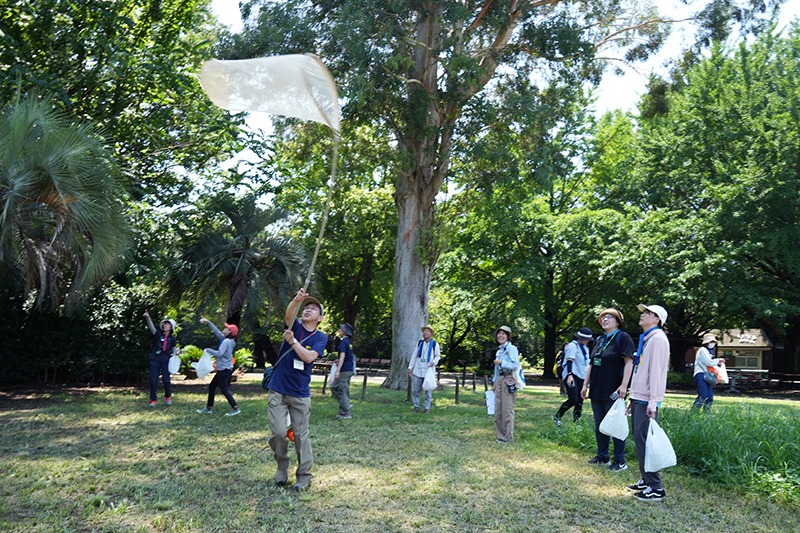
This course focuses on insects, teaching you how to find and catch common creatures, how to use field guides, and how to learn about them in your surroundings. It's an ideal introductory course for teachers who are not comfortable with insects or who want to learn more about them.
Tuesday, July 28, 2026, Friday, August 7, 2026
Both days: 9:30 AM - 4:20 PM
20 people each day
09:30 Registration and Orientation
09:55 Lecture: What kind of creatures are insects?
10:05 Experience: Let's try to find and catch insects
12:20 Lunch
13:20 Lecture: How to attract living creatures to the schoolyard
13:35 Experience: How to research using picture books and observation
15:05 Lecture and practical session: Let's look at the connection between daily life and the body.
16:10 Summary
16:20 End
Life Skills: "Interacting with Nature in Our Surroundings"
Third-grade science: "Observing nature around us"
How to apply
How to apply
This seminar is aimed at elementary school teachers. Please apply using the registration form below.
When applying, please set your spam filter and email software to allow emails from @tzps.or.jp and @kintoneapp.com. Please be especially careful if you are applying from a mobile phone.
If you do not receive an automatic reply email after applying, please contact the Education Planning Section of the Education and Promotion Center Tokyo Zoological Park Society.
[Contact Information] Education Planning Section, Education and Outreach Center Tokyo Zoological Park Society)
edu-center@tzps.or.jp
[Deadline] Entries must be submitted by June 21, 2026 (Sunday).
Important points to note when applying
Tokyo Zoological Park Society / Ueno Ueno Zoo, Tama Zoo Park, Tokyo Sea Life Park, Inokashira Park Zoo
Tokyo Metropolitan Board of Education