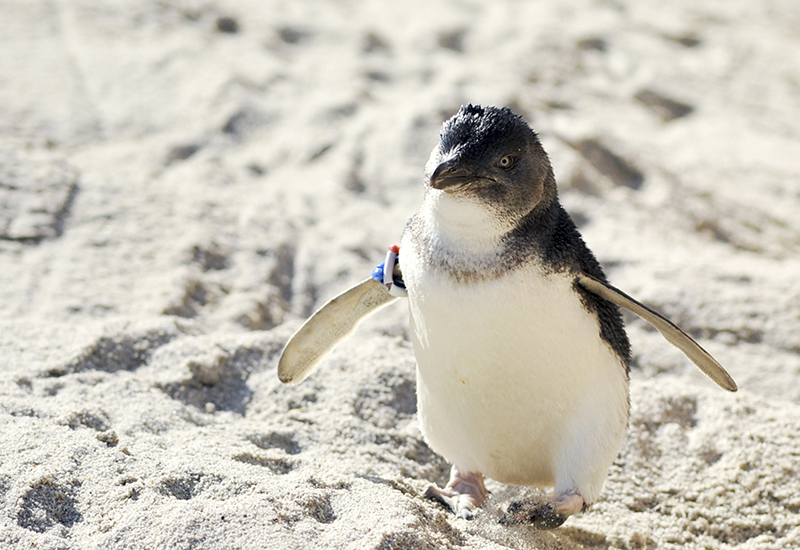
Little Penguin eggs transported from Australia have hatched. The chicks are growing well!
news
July 14, 2026
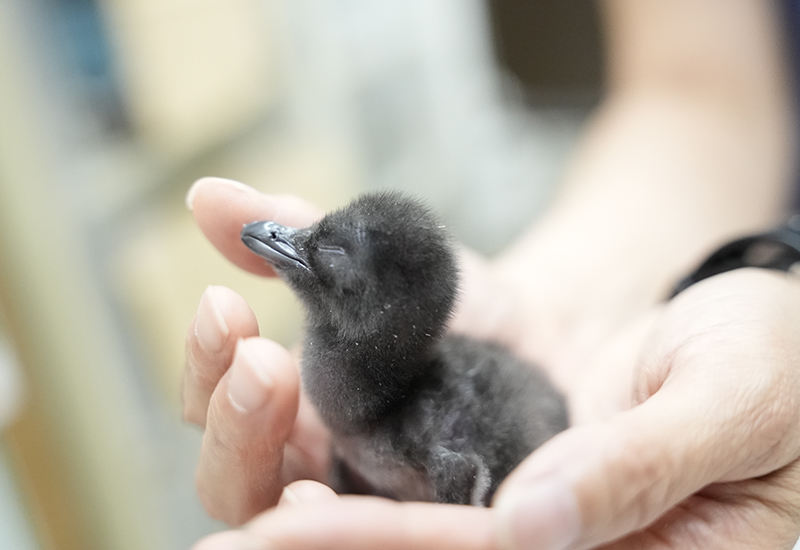
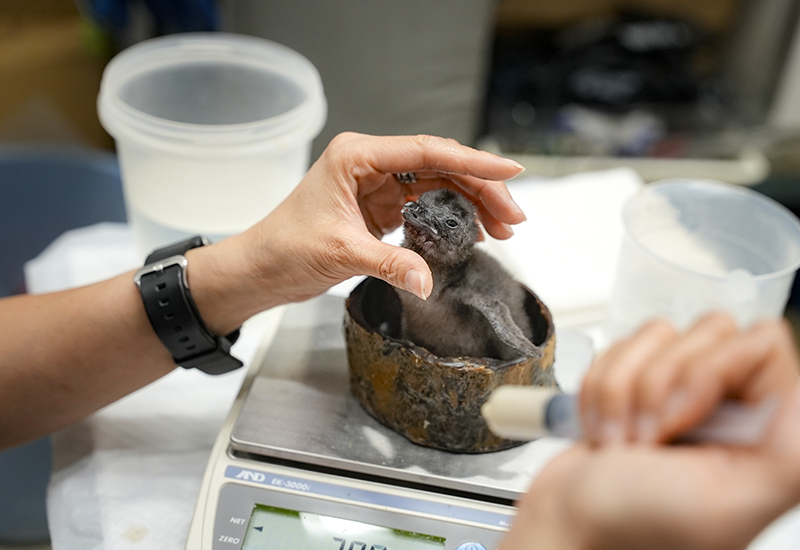
We are pleased to announce that eight of the twelve Little Penguin eggs transported to Kasai Rinkai Aquarium from Ballarat Wildlife Park and Melbourne Zoo, both member Tokyo Sea Life Park of the Zoo and Aquarium Association Australasia (ZAA), have hatched.
background
In Japan, a total of 50 Little Penguin are kept in four zoos and aquariums, with 26 of them being kept at Tokyo Sea Life Park (as of the end of December 2025). Until now, planned breeding and bloodline management have been carried out within the limited domestic population, taking into consideration genetic diversity. However, since many individuals are closely related, the introduction of new bloodlines has become an urgent issue.
Therefore, Tokyo Sea Life Park has been negotiating with the "ZAA" since 2017 to import fertilized eggs from Australia, the main habitat of Little Penguin, and has also been working to establish transportation technology by transferring fertilized eggs between the aquarium and other facilities in Japan since 2021.
In June 2025, four eggs were transported, and one hatched, but died at 3 days old.
If the chicks grow successfully this time, it will be confirmed that long-distance transport does not affect their growth, which will lead to the establishment of long-distance transport technology and will greatly contribute to improving the genetic diversity of the domestic population.
Information on transported eggs and hatched individuals
12 eggs
(Eggs laid between May 18th (Mon) and June 14th (Sun), 2026)
Departure from Ballarat Wildlife Park: Friday, June 19, 2026, 10:40 AM (local time)
Melbourne Zoo departure: Friday, June 19, 2026, 15:40 (local time)
Arrival at Tokyo Sea Life Park: Saturday, June 20, 2026, 9:30 PM
(During transport, temperature and humidity were controlled using a portable incubator.)
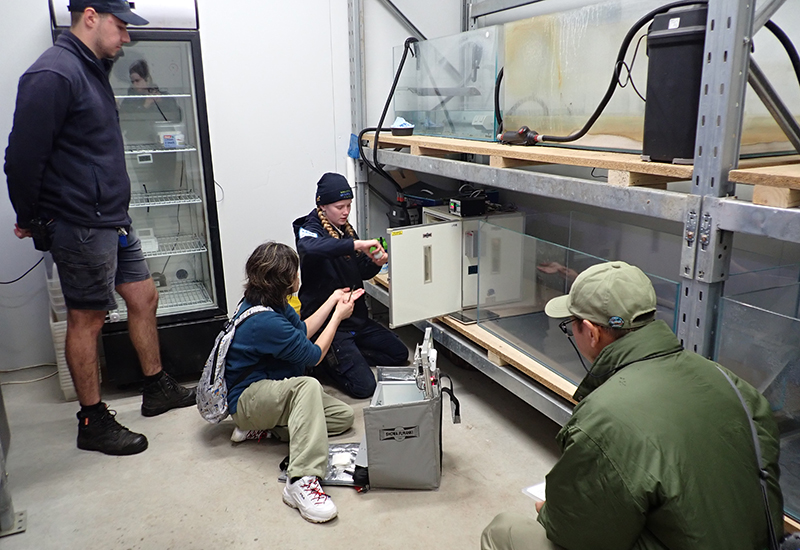
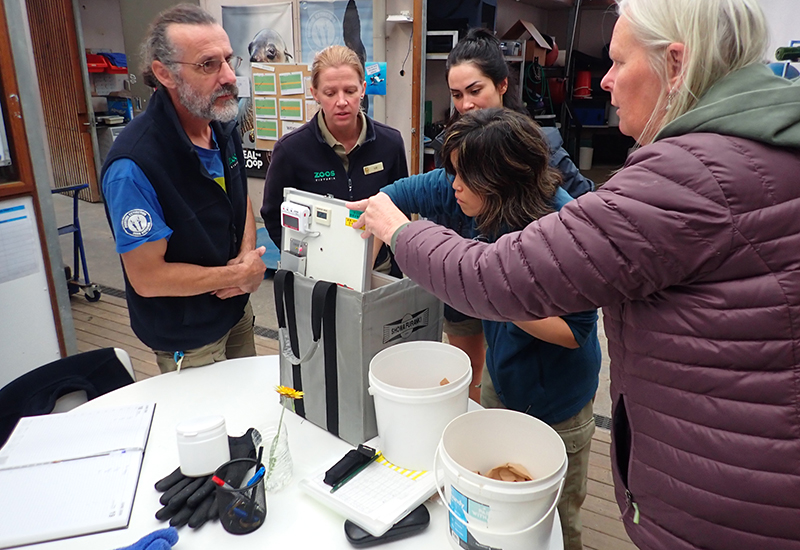
June 23rd (Tuesday), 25th (Thursday), July 3rd (Friday), 8th (Wednesday), 9th (Thursday), 12th (Sunday), 2026
(As of July 12)
Born June 23rd, weighed 40.9g at hatching.
19 days old 311.3g
Born June 25th, weighed 41.2g at hatching.
17 days old 351.0g
Born on July 3rd, weighed 42.9g at hatching.
9 days old 116.7g
Born on July 8th, weighed 35.2g at hatching.
4 days old, 36.4g
Born on July 9th, weighed 39.1g at hatching.
3 days old 41.5g
Born on July 9th, weighed 32.2g at hatching.
3 days old 30.5g
Born on July 12th, weighed 34.3g at hatching (0 days old). Died on July 14th.
Born on July 12th, weighed 38.7g at hatching (0 days old).
8 pieces born
4 occurrences cancelled
It's undecided as we are prioritizing player development.
Reasons for transferring fertilized eggs
Moving individual animals involves time-consuming animal quarantine procedures, as well as the burden of long-distance transport and adaptation to a new environment. In contrast, moving eggs eliminates these burdens on the individual animals. Furthermore, moving individual animals means releasing captive animals from the source ("ZAA"), which affects the maintenance of the population and requires time for adjustment. However, moving eggs has less impact on the "ZAA" population.
Future Initiatives
The hatched individuals will be kept at Tokyo Sea Life Park for the time being.
We will continue to make arrangements to introduce individuals and fertilized eggs from overseas in order to improve genetic diversity.
Furthermore, the knowledge gained from this transport will be shared with ZAA and domestic zoos and aquariums to improve breeding and management methods.