

Zoo Stock Species and the Red List
Zoo Stock Species and the Red List
Zoo Stock
This indicates that the species is included in the Second Zoo Stock Plan, which was formulated by the Tokyo Metropolitan Government in 2018. The plan sets goals for the next 10 years in three areas: "species conservation," "contribution to wildlife conservation," and "environmental education and conservation awareness." 124 animal species are included.
What is the Red List?
Based on scientific research, this is a list of wildlife classified by rank (category) indicating the degree of risk of extinction.
Livng Things Encyclopedia shows the categories (mainland and islands) assessed by the IUCN (International Union for Conservation of Nature) at the global level, the Ministry of the Environment for Japan, and the Tokyo Metropolitan Government for Tokyo.
The higher the category in each table, the higher the risk of extinction, and CR, EN, and VU are the three categories known as "endangered species." In Tokyo, species that are not at the NT (near threatened) level but are relatively rare are considered "species of concern."
|
IUCN categories |
|
|---|---|
|
EX |
extinction |
|
EW |
Extinction in the wild |
|
CR+EN |
— |
|
CR |
Serious crisis |
|
EN |
crisis |
|
VU |
emergency |
|
NT |
Near Threatened |
|
LC・○ |
Low Concern |
|
DD |
Data shortage |
|
LP |
— |
|
Japan (Ministry of the Environment) Category |
|
|---|---|
|
EX |
extinction |
|
EW |
Extinction in the wild |
|
CR+EN |
Endangered species |
|
CR |
Critically Endangered |
|
EN |
Endangered species |
|
VU |
Endangered species |
|
NT |
Near Threatened |
|
LC・○ |
— |
|
DD |
Lack of information |
|
LP |
Endangered |
|
Tokyo Category |
|
|---|---|
|
EX |
extinction |
|
EW |
Extinction in the wild |
|
CR+EN |
Endangered species |
|
CR |
Critically Endangered |
|
EN |
Endangered species |
|
VU |
Endangered species |
|
NT |
Near Threatened |
|
LC・○ |
Unranked |
|
DD |
Lack of information |
|
LP |
Endangered |
Creatures at Tokyo Sea Life Park
Creatures at Tokyo Sea Life Park
Little Penguin
Little Penguin
Eudyptula minor
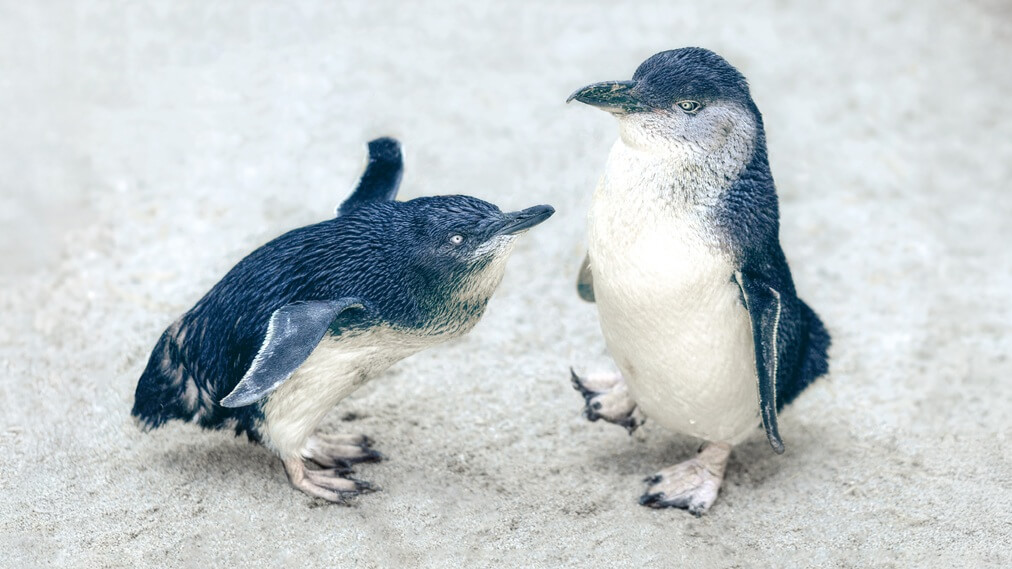
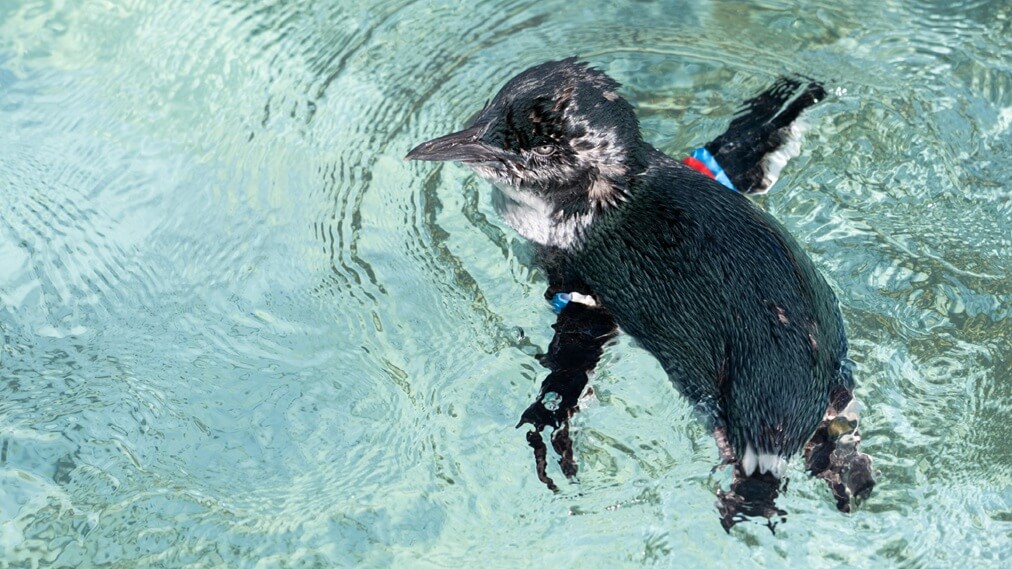
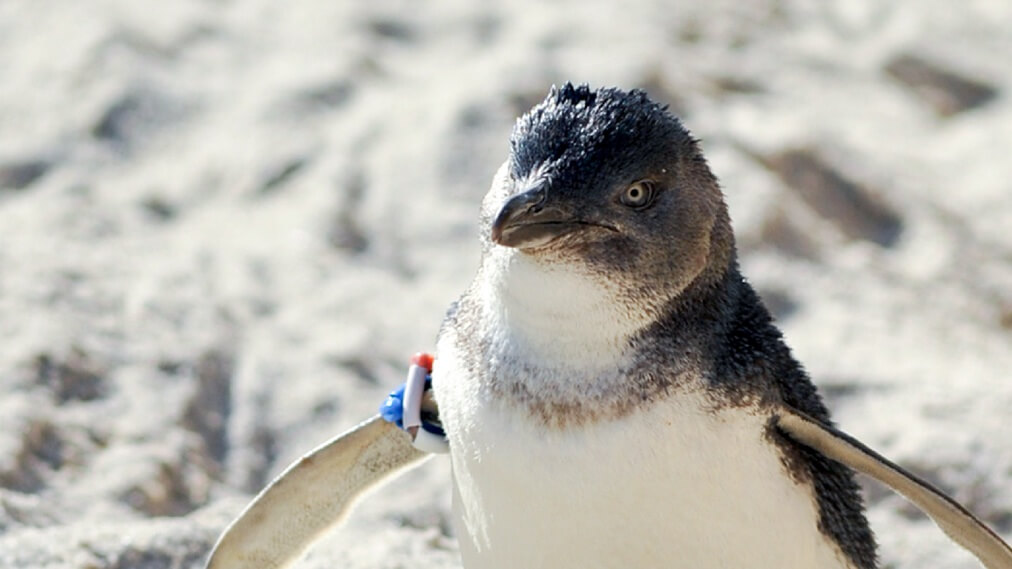
Often mistaken for babies, they are actually the smallest species of penguin. Early in the morning, while it's still dark, groups of several to dozens of them head out to sea, swimming around in search of fish, and then return to shore in groups after sunset. They spend the entire year traveling back and forth between their land nests and the sea. Tours observing their migration are popular in the area.
| classification | Aves, Sphenisciformes, Penguinidae |
|---|---|
| English name | Little Penguin |
| distribution | Southern Australia, Kawakawa, New Zealand |
| Residence | Nesting near the coast |
| Size |
Length from tip of beak to tip of tail: approx. 40cm
Weight: Approximately 1 kg |
| food | Small fish and squid |
| Red List |
IUCN: LC (Least Concern)
|
Little Penguin resting in the shade of a rock
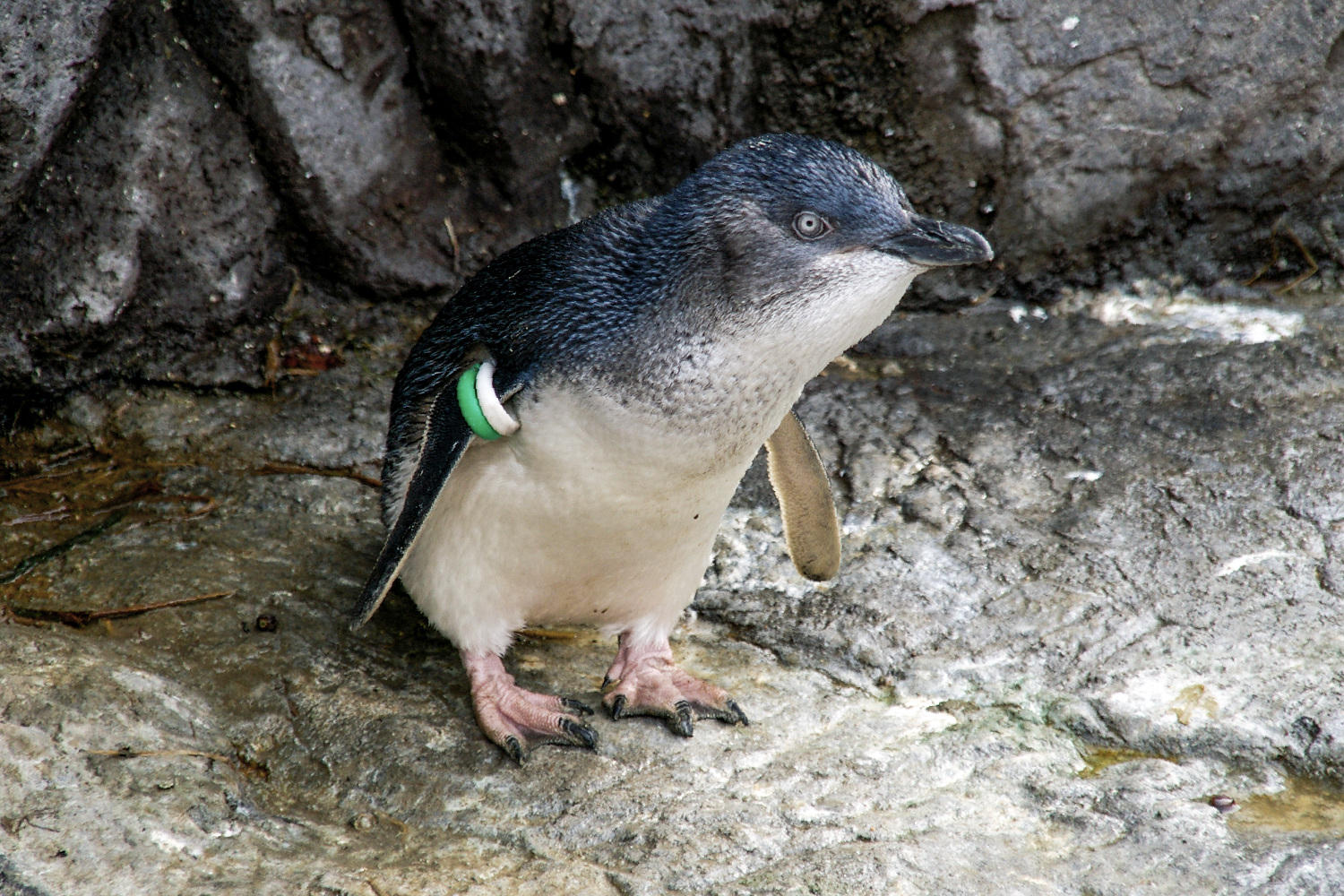
Little Penguin is the smallest of the 18 penguin species in the world. Because they are at high risk of being preyed upon, they tend to hide on land, perhaps to protect themselves from foxes and dogs. For this reason, even at the aquarium, they often rest in the shade of rocks on the right side of the exhibit, except during feeding times. Some individuals rest very close to the barrier separating them from the viewing area, so be sure to observe them up close.
Feeding time for Little Penguin
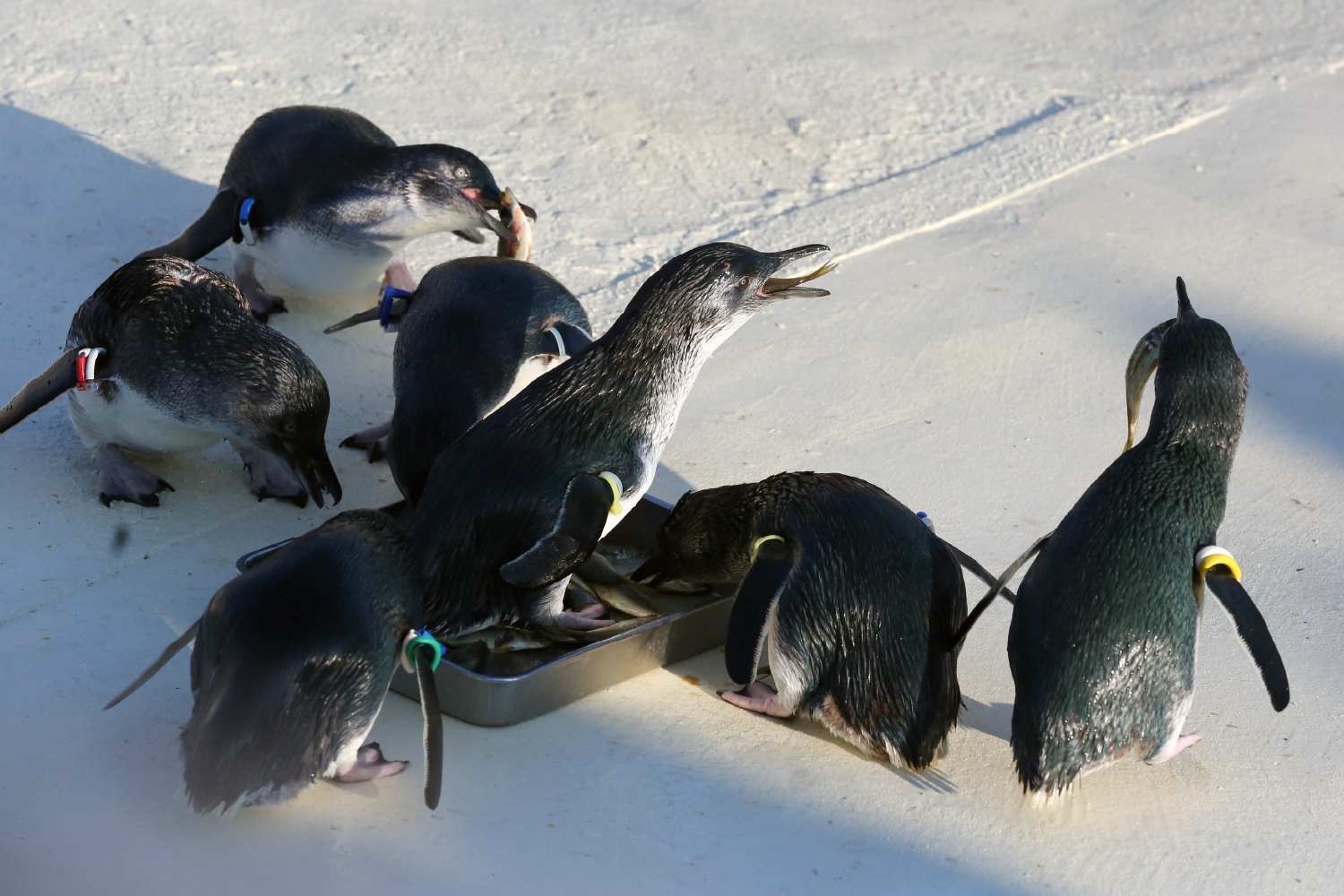
When feeding Little Penguin, the tray of fish is placed on the ground. It may seem a little strange to see penguins, which normally catch their food while swimming in the sea, picking up fish from a tray to eat. This is to prevent the powdered vitamins sprinkled on the fish from being washed away by the water. The fish given to Humboldt Penguin can have the vitamins placed in their mouths, but the fish for the fairy penguins are small, so the vitamins can only be sprinkled on them.
Little Penguin nest building
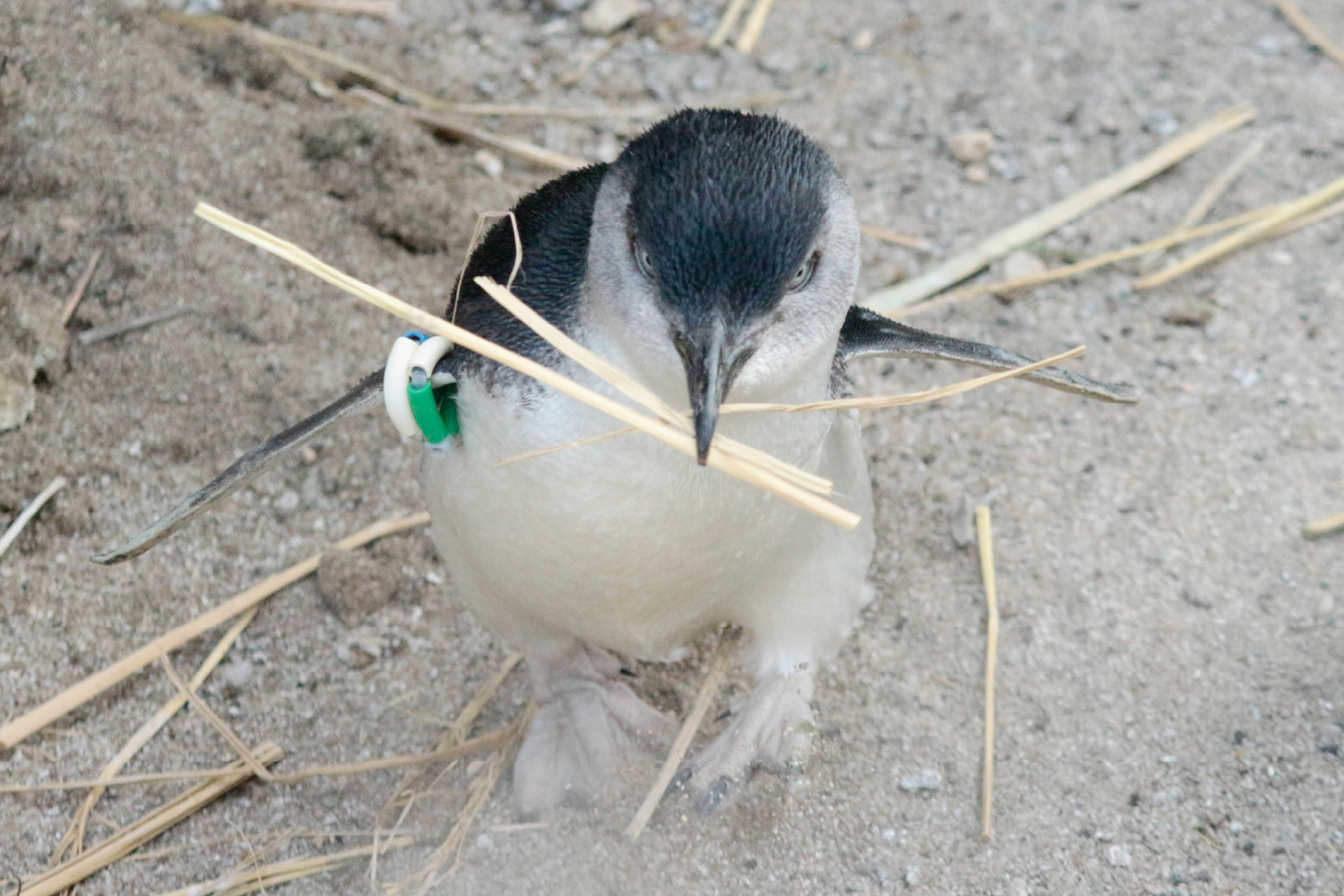
The breeding season for Little Penguin is from autumn to spring. In the wild, they build nests by digging holes in the ground or using crevices in rocks, but at the aquarium, they use caves carved into artificial rocks or wooden nest boxes. As the breeding season approaches, the keepers scatter rice straw near the nests as nesting material. If you're lucky, you might be able to see the penguins carrying the nesting material into the nest boxes.