

Zoo Stock Species and the Red List
Zoo Stock Species and the Red List
Zoo Stock
This indicates that the species is included in the Second Zoo Stock Plan, which was formulated by the Tokyo Metropolitan Government in 2018. The plan sets goals for the next 10 years in three areas: "species conservation," "contribution to wildlife conservation," and "environmental education and conservation awareness." 124 animal species are included.
What is the Red List?
Based on scientific research, this is a list of wildlife classified by rank (category) indicating the degree of risk of extinction.
Livng Things Encyclopedia shows the categories (mainland and islands) assessed by the IUCN (International Union for Conservation of Nature) at the global level, the Ministry of the Environment for Japan, and the Tokyo Metropolitan Government for Tokyo.
The higher the category in each table, the higher the risk of extinction, and CR, EN, and VU are the three categories known as "endangered species." In Tokyo, species that are not at the NT (near threatened) level but are relatively rare are considered "species of concern."
|
IUCN categories |
|
|---|---|
|
EX |
extinction |
|
EW |
Extinction in the wild |
|
CR+EN |
— |
|
CR |
Serious crisis |
|
EN |
crisis |
|
VU |
emergency |
|
NT |
Near Threatened |
|
LC・○ |
Low Concern |
|
DD |
Data shortage |
|
LP |
— |
|
Japan (Ministry of the Environment) Category |
|
|---|---|
|
EX |
extinction |
|
EW |
Extinction in the wild |
|
CR+EN |
Endangered species |
|
CR |
Critically Endangered |
|
EN |
Endangered species |
|
VU |
Endangered species |
|
NT |
Near Threatened |
|
LC・○ |
— |
|
DD |
Lack of information |
|
LP |
Endangered |
|
Tokyo Category |
|
|---|---|
|
EX |
extinction |
|
EW |
Extinction in the wild |
|
CR+EN |
Endangered species |
|
CR |
Critically Endangered |
|
EN |
Endangered species |
|
VU |
Endangered species |
|
NT |
Near Threatened |
|
LC・○ |
Unranked |
|
DD |
Lack of information |
|
LP |
Endangered |
Creatures at Tokyo Sea Life Park
Creatures at Tokyo Sea Life Park
Sea-firefly
Sea-firefly
Vargula hilgendorfii
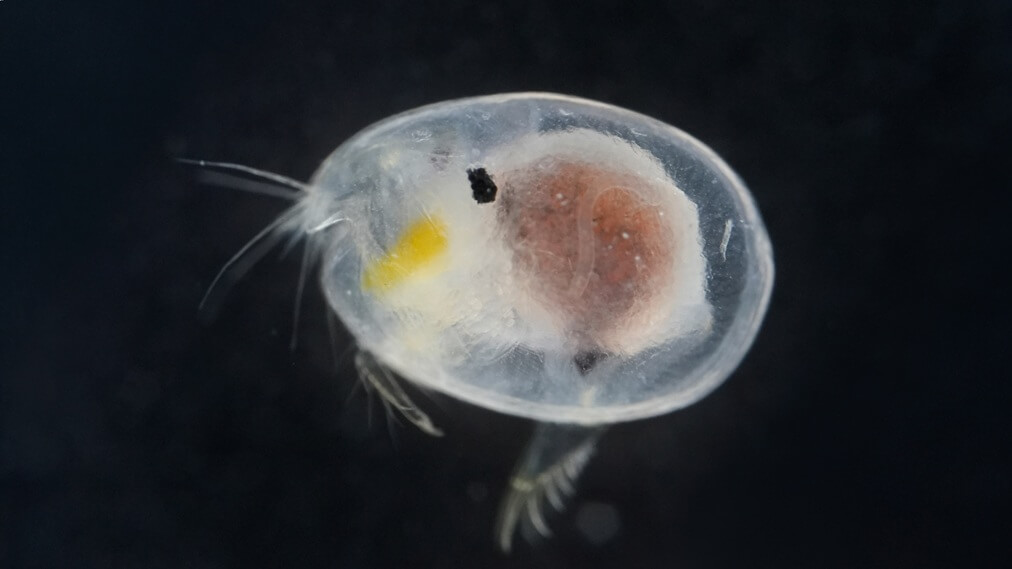
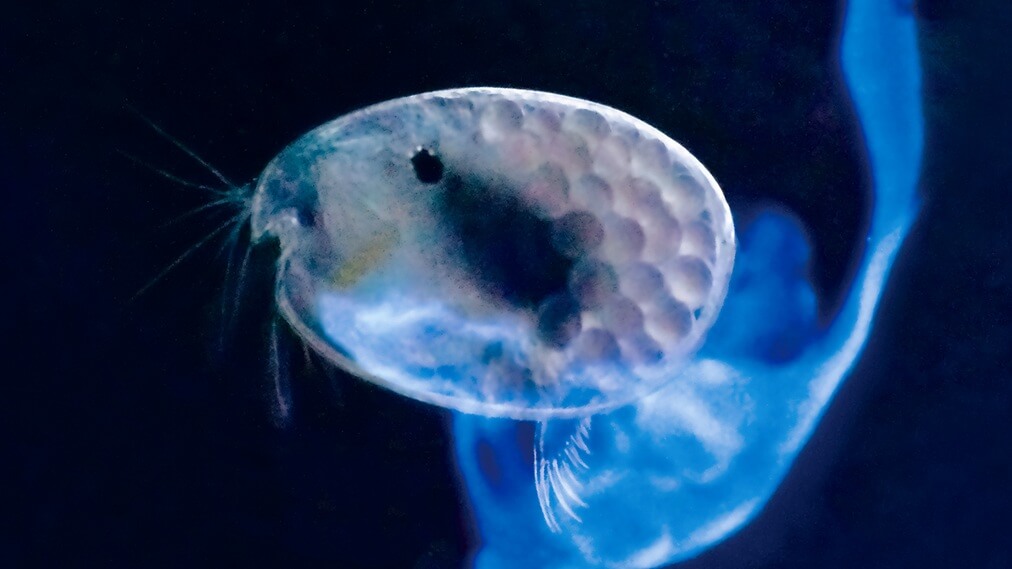
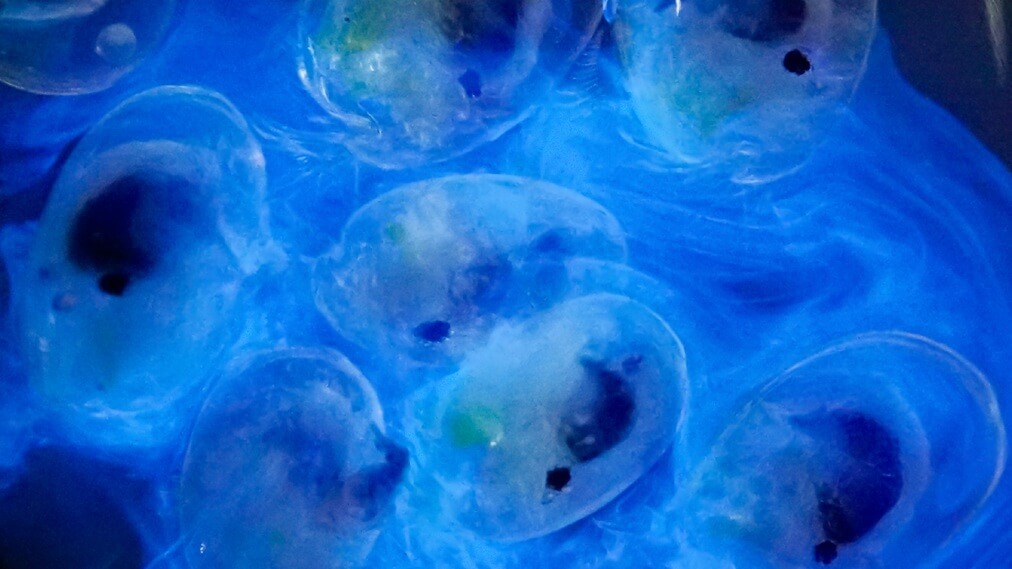
From the name "Sea-firefly you might think it's a type of insect called a firefly. However, Sea-firefly are actually crustaceans, like shrimp and crabs. They burrow into the sand during the day and swim out at night to search for food. They are bioluminescent creatures that emit a pale blue light when attacked by an enemy.
| classification | Class Sea-firefly, Order Myodocopida, Family Cyprididae |
|---|---|
| English name | Sea-firefly |
| distribution | Japan coastline excluding Hokkaido and the Pacific coast of Tohoku |
| Residence | shallow seabed |
| Size |
Shell length: 3mm
|
| food | Dead fish, crustaceans, worms, etc. |
| Red List |
Unrated
|
Ocean Cleaner
Sea-firefly feed on dead fish and weak creatures that have sunk to the bottom of the ocean. They have a voracious appetite, and when they swarm around a small fish about 3-4 cm in length, they will reduce it to just bones in about 30 minutes. Because they eat dead creatures, they are also known as the cleaners of the ocean.
What does it shine for?
The reason why Sea-firefly glow is not clearly understood, but it is known that they glow when they are in danger of being attacked by fish such as gobies. In the dark ocean at night, the light emitted by Sea-firefly is very bright, so it may act as a blinding agent.