

Zoo Stock Species and the Red List
Zoo Stock Species and the Red List
Zoo Stock
This indicates that the species is included in the Second Zoo Stock Plan, which was formulated by the Tokyo Metropolitan Government in 2018. The plan sets goals for the next 10 years in three areas: "species conservation," "contribution to wildlife conservation," and "environmental education and conservation awareness." 124 animal species are included.
What is the Red List?
Based on scientific research, this is a list of wildlife classified by rank (category) indicating the degree of risk of extinction.
Livng Things Encyclopedia shows the categories (mainland and islands) assessed by the IUCN (International Union for Conservation of Nature) at the global level, the Ministry of the Environment for Japan, and the Tokyo Metropolitan Government for Tokyo.
The higher the category in each table, the higher the risk of extinction, and CR, EN, and VU are the three categories known as "endangered species." In Tokyo, species that are not at the NT (near threatened) level but are relatively rare are considered "species of concern."
|
IUCN categories |
|
|---|---|
|
EX |
extinction |
|
EW |
Extinction in the wild |
|
CR+EN |
— |
|
CR |
Serious crisis |
|
EN |
crisis |
|
VU |
emergency |
|
NT |
Near Threatened |
|
LC・○ |
Low Concern |
|
DD |
Data shortage |
|
LP |
— |
|
Japan (Ministry of the Environment) Category |
|
|---|---|
|
EX |
extinction |
|
EW |
Extinction in the wild |
|
CR+EN |
Endangered species |
|
CR |
Critically Endangered |
|
EN |
Endangered species |
|
VU |
Endangered species |
|
NT |
Near Threatened |
|
LC・○ |
— |
|
DD |
Lack of information |
|
LP |
Endangered |
|
Tokyo Category |
|
|---|---|
|
EX |
extinction |
|
EW |
Extinction in the wild |
|
CR+EN |
Endangered species |
|
CR |
Critically Endangered |
|
EN |
Endangered species |
|
VU |
Endangered species |
|
NT |
Near Threatened |
|
LC・○ |
Unranked |
|
DD |
Lack of information |
|
LP |
Endangered |
Creatures at Tokyo Sea Life Park
Creatures at Tokyo Sea Life Park
John Dory
John Dory
Zeus faber
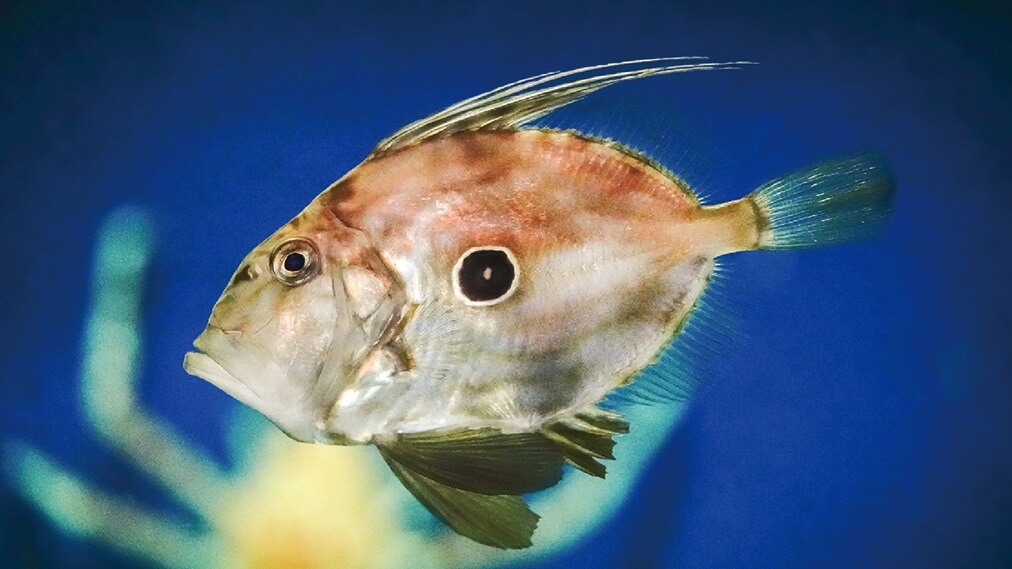
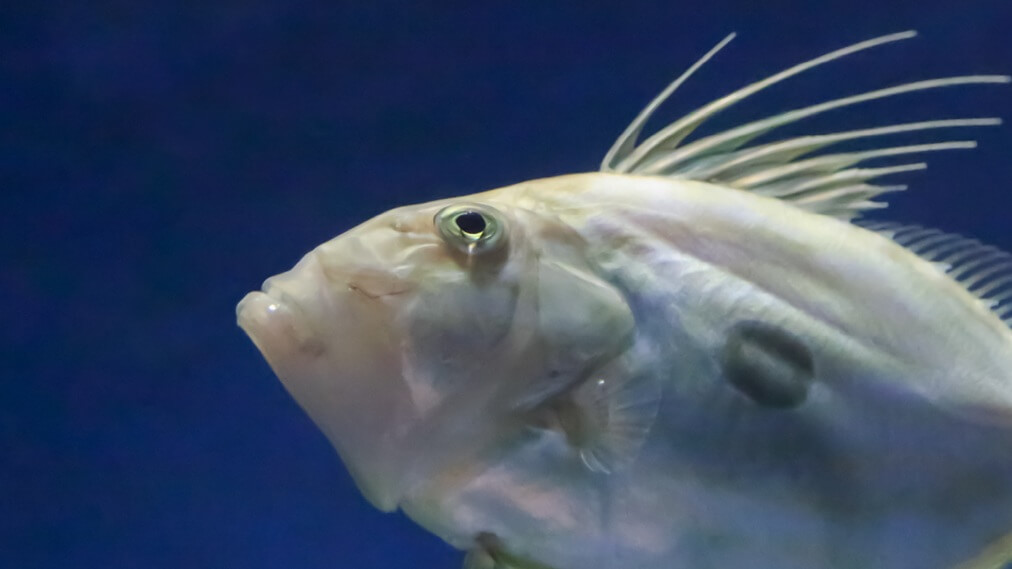
It lives on the seabed at depths of up to about 200 meters. It has a thin, leaf-shaped body and swims slowly, but when it feeds, it quickly extends its large mouth and swallows shrimp, squid, and fish with incredible speed. It does not eat dead food, so special care is needed when keeping it in captivity. There are two theories about the origin of its name: it is said to be named "Matodai" (target) because of the black spot bordered in white in the center of its body that resembles a target, or it is said to be named "Matodai" (horse-headed) because its head resembles a horse's head.
| classification | Article Finale John Dory Item John Dory Department |
|---|---|
| English name | John Dory |
| distribution | From the coasts of Japan (south of Hokkaido) to the East China Sea |
| Residence | Near the seabed up to a depth of 200m |
| Size |
Total length: 50cm
|
| food | Shrimp, squid, fish, etc. |
| Red List |
IUCN: DD (Data Deficient)
|
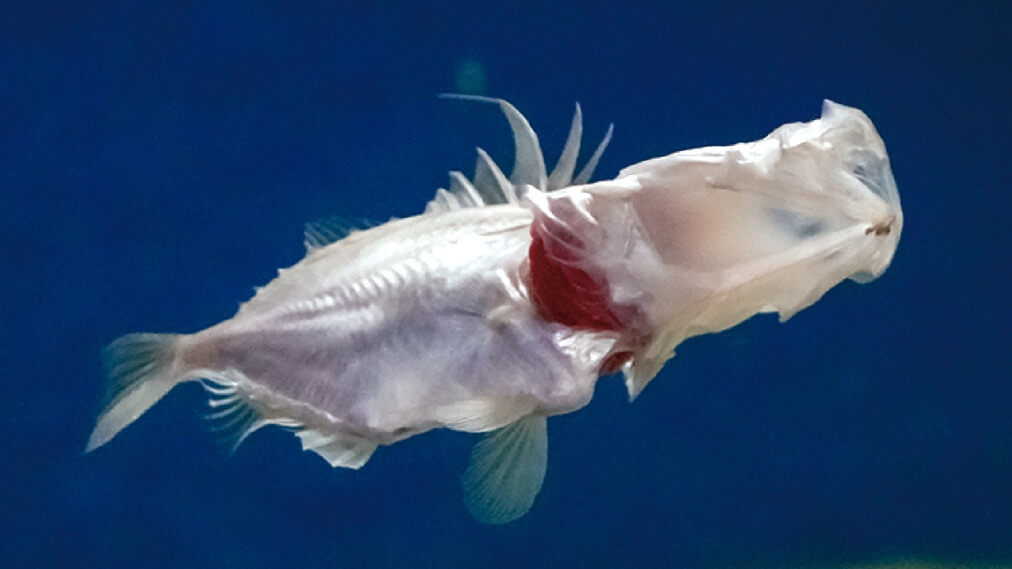
Unique ways of eating
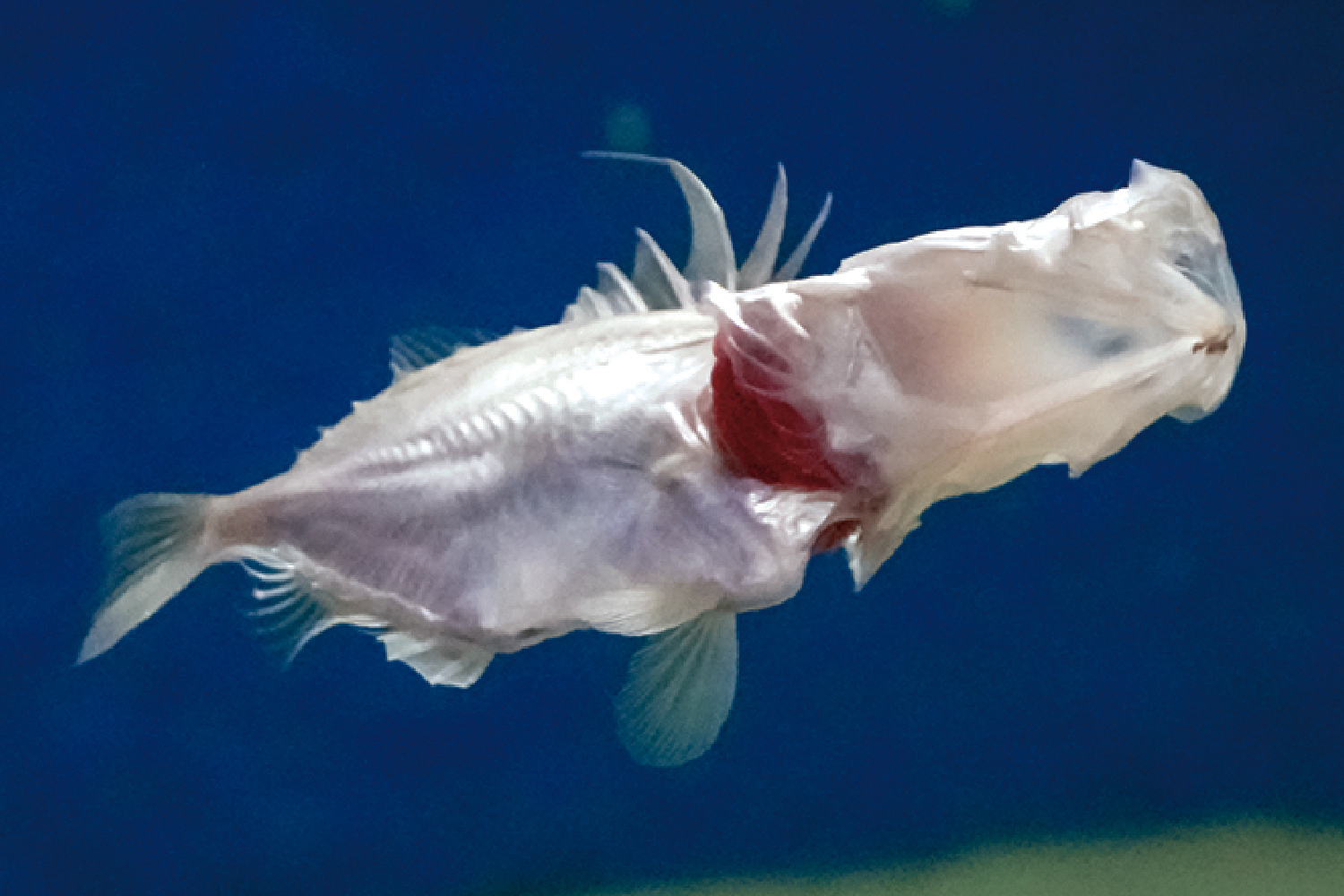
The way John Dory eats is unique. It's not a very fast swimmer, moving slowly near the seabed. When it spots a small fish or crustacean, it silently creeps up and quickly extends its mouth to suck in the seawater along with the prey. Its mouth, which is normally folded, extends forward in a cylindrical shape at the moment it catches its prey.