

Zoo Stock Species and the Red List
Zoo Stock Species and the Red List
Zoo Stock
This indicates that the species is included in the Second Zoo Stock Plan, which was formulated by the Tokyo Metropolitan Government in 2018. The plan sets goals for the next 10 years in three areas: "species conservation," "contribution to wildlife conservation," and "environmental education and conservation awareness." 124 animal species are included.
What is the Red List?
Based on scientific research, this is a list of wildlife classified by rank (category) indicating the degree of risk of extinction.
Livng Things Encyclopedia shows the categories (mainland and islands) assessed by the IUCN (International Union for Conservation of Nature) at the global level, the Ministry of the Environment for Japan, and the Tokyo Metropolitan Government for Tokyo.
The higher the category in each table, the higher the risk of extinction, and CR, EN, and VU are the three categories known as "endangered species." In Tokyo, species that are not at the NT (near threatened) level but are relatively rare are considered "species of concern."
|
IUCN categories |
|
|---|---|
|
EX |
extinction |
|
EW |
Extinction in the wild |
|
CR+EN |
— |
|
CR |
Serious crisis |
|
EN |
crisis |
|
VU |
emergency |
|
NT |
Near Threatened |
|
LC・○ |
Low Concern |
|
DD |
Data shortage |
|
LP |
— |
|
Japan (Ministry of the Environment) Category |
|
|---|---|
|
EX |
extinction |
|
EW |
Extinction in the wild |
|
CR+EN |
Endangered species |
|
CR |
Critically Endangered |
|
EN |
Endangered species |
|
VU |
Endangered species |
|
NT |
Near Threatened |
|
LC・○ |
— |
|
DD |
Lack of information |
|
LP |
Endangered |
|
Tokyo Category |
|
|---|---|
|
EX |
extinction |
|
EW |
Extinction in the wild |
|
CR+EN |
Endangered species |
|
CR |
Critically Endangered |
|
EN |
Endangered species |
|
VU |
Endangered species |
|
NT |
Near Threatened |
|
LC・○ |
Unranked |
|
DD |
Lack of information |
|
LP |
Endangered |
Creatures at Tokyo Sea Life Park
Creatures at Tokyo Sea Life Park
Japanese Killifish
Japanese Killifish
Oryzias latipes
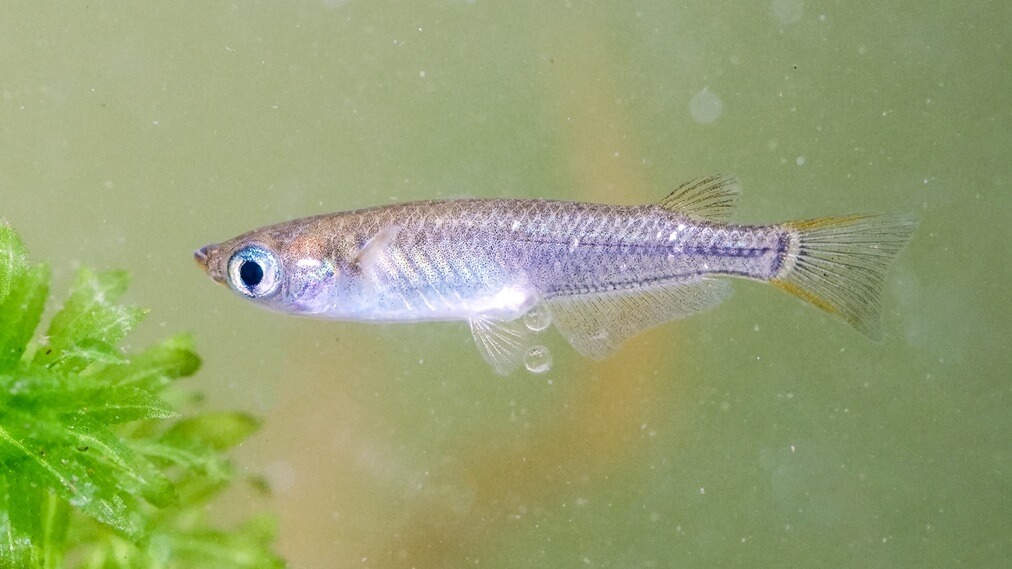
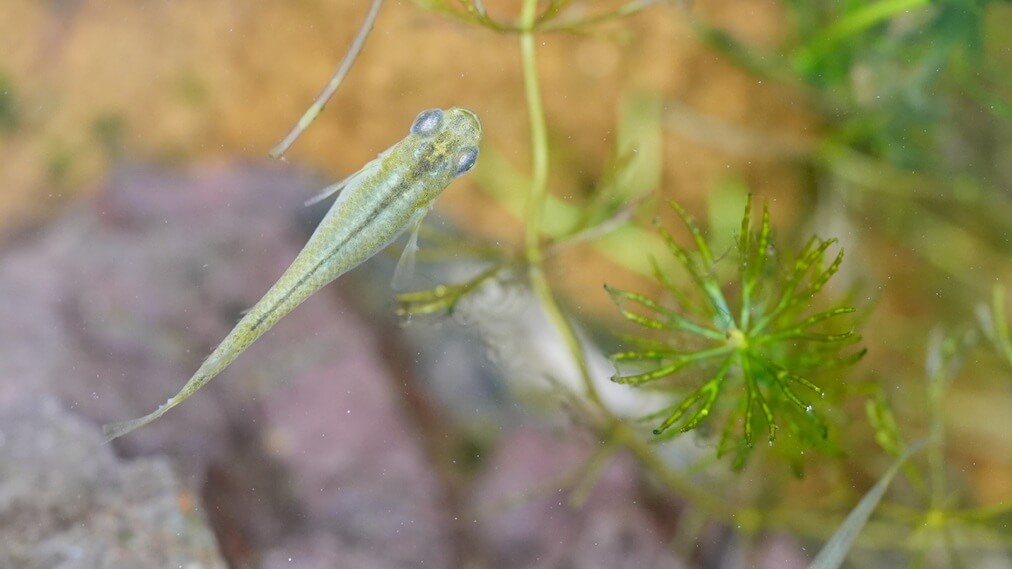
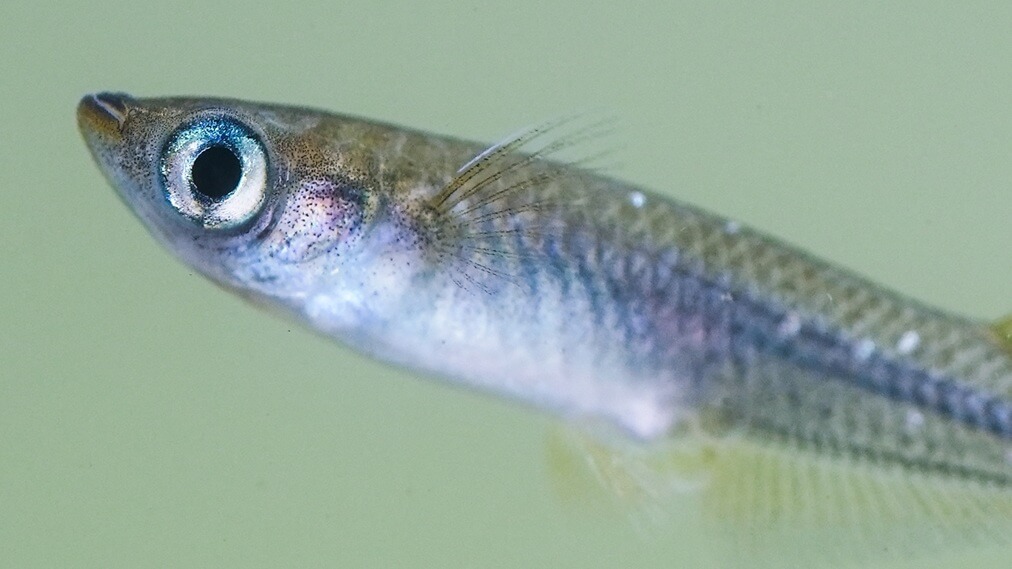
Appearing in children's songs, it is one of the most familiar fish to Japanese people. It was once commonly found in rice paddies, waterways, streams, and ponds throughout Japan—places with slow-flowing water. However, nowadays, due to habitat development, rice paddy field improvements, and pesticides, its population has declined, and there are concerns about its extinction.
| classification | Actinopterygii, Order Scarabaeidae, Family Cypriniformes |
|---|---|
| English name | Japanese Killifish |
| distribution | All over Japan, the Korean Peninsula, China, etc. |
| Residence | Streams, rice fields, ponds, etc. |
| Size |
Total length: 4cm
|
| food | Small insects and plankton |
| Red List |
IUCN: LC (Least Concern)
Japan: VU (Vulnerable) Tokyo: Critically Endangered (CR) |
What colors are the medaka fish you know?
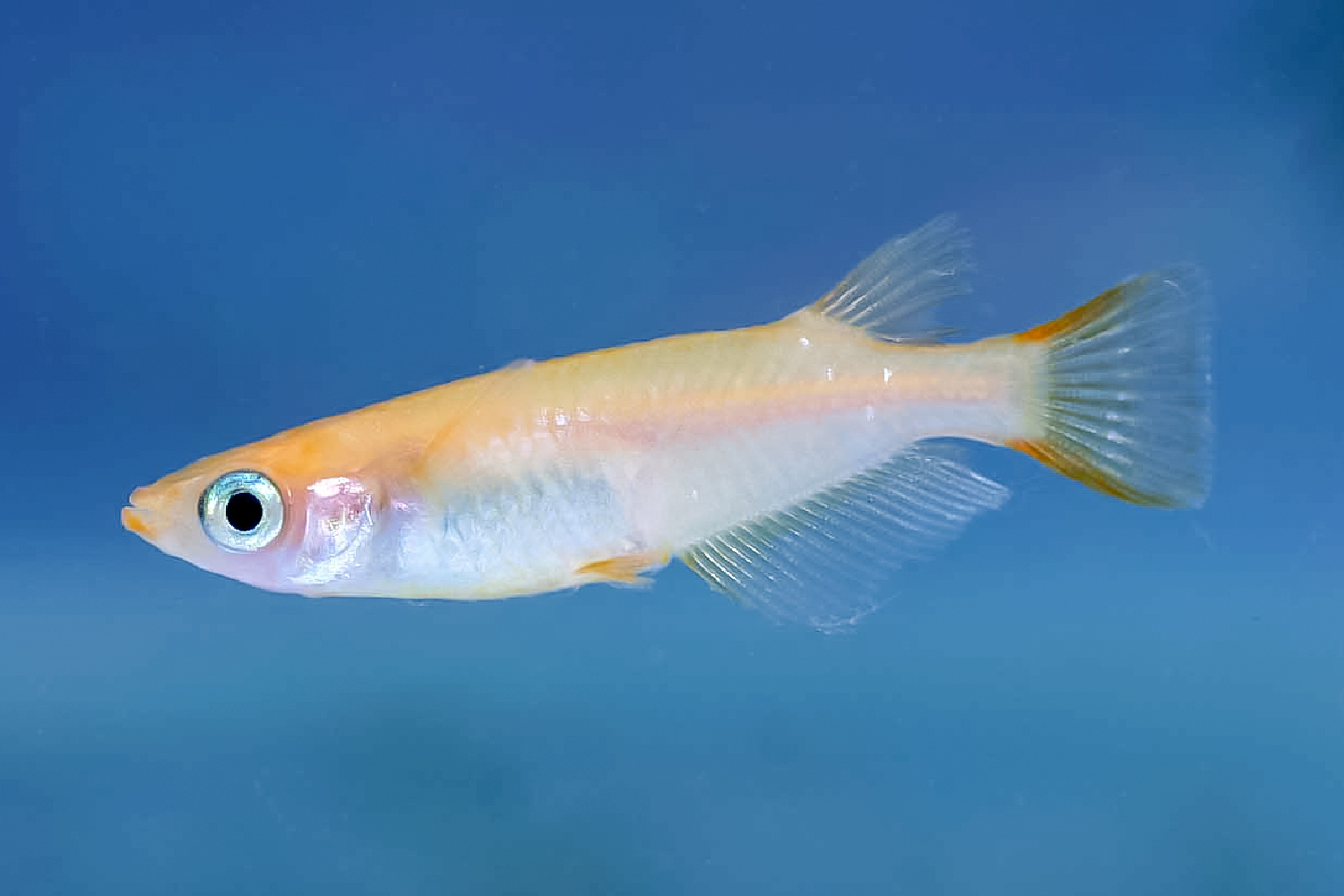
The medaka that you are most familiar with may be the orange-bodied medaka. In fact, the orange medaka sold in pet shops are called "himedaka" and have been bred by humans for ornamental purposes, and do not exist in the wild. Natural medaka have a blackish color that makes them hard to stand out in rivers.
Medaka fish are in danger of extinction!?
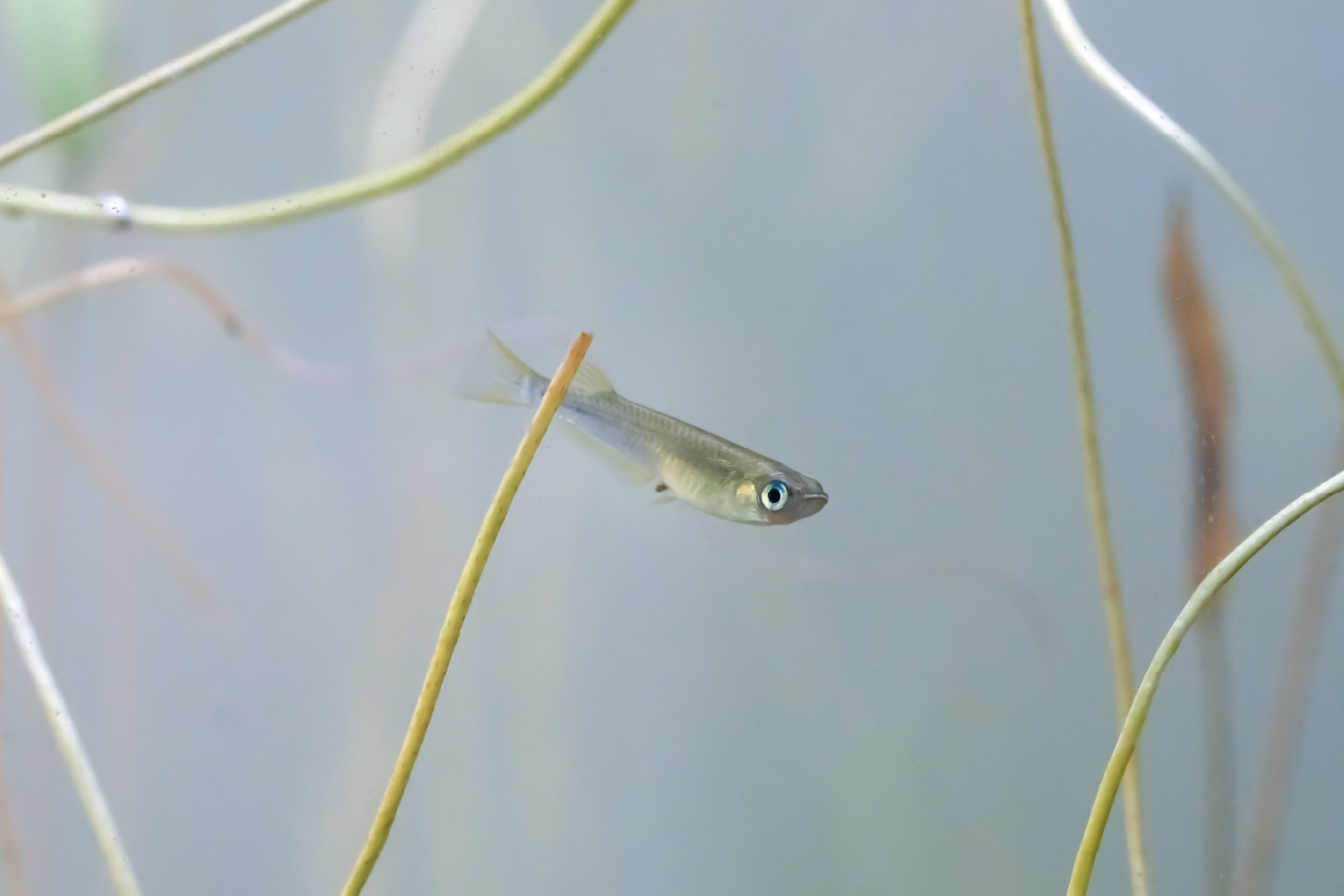
The reason for the disappearance of medaka is not only the decline in habitats, but also the problem of release. When an aquarium examined the genes (DNA) of the few medaka remaining in Tokyo's rivers and ponds, it was found that most of them contained a mixture of DNA from medaka and Himedaka from areas where they should not be present. This can be attributed to us humans releasing Himedaka and medaka from other areas that were kept at home and at school. It is important not to release them into other places lightly, and to always keep pets responsibly until the end.