

Zoo Stock Species and the Red List
Zoo Stock Species and the Red List
Zoo Stock
This indicates that the species is included in the Second Zoo Stock Plan, which was formulated by the Tokyo Metropolitan Government in 2018. The plan sets goals for the next 10 years in three areas: "species conservation," "contribution to wildlife conservation," and "environmental education and conservation awareness." 124 animal species are included.
What is the Red List?
Based on scientific research, this is a list of wildlife classified by rank (category) indicating the degree of risk of extinction.
Livng Things Encyclopedia shows the categories (mainland and islands) assessed by the IUCN (International Union for Conservation of Nature) at the global level, the Ministry of the Environment for Japan, and the Tokyo Metropolitan Government for Tokyo.
The higher the category in each table, the higher the risk of extinction, and CR, EN, and VU are the three categories known as "endangered species." In Tokyo, species that are not at the NT (near threatened) level but are relatively rare are considered "species of concern."
|
IUCN categories |
|
|---|---|
|
EX |
extinction |
|
EW |
Extinction in the wild |
|
CR+EN |
— |
|
CR |
Serious crisis |
|
EN |
crisis |
|
VU |
emergency |
|
NT |
Near Threatened |
|
LC・○ |
Low Concern |
|
DD |
Data shortage |
|
LP |
— |
|
Japan (Ministry of the Environment) Category |
|
|---|---|
|
EX |
extinction |
|
EW |
Extinction in the wild |
|
CR+EN |
Endangered species |
|
CR |
Critically Endangered |
|
EN |
Endangered species |
|
VU |
Endangered species |
|
NT |
Near Threatened |
|
LC・○ |
— |
|
DD |
Lack of information |
|
LP |
Endangered |
|
Tokyo Category |
|
|---|---|
|
EX |
extinction |
|
EW |
Extinction in the wild |
|
CR+EN |
Endangered species |
|
CR |
Critically Endangered |
|
EN |
Endangered species |
|
VU |
Endangered species |
|
NT |
Near Threatened |
|
LC・○ |
Unranked |
|
DD |
Lack of information |
|
LP |
Endangered |
Creatures at Tokyo Sea Life Park
Creatures at Tokyo Sea Life Park
Spot-fin Porcupinefish
Spot-fin Porcupinefish
Diodon hystrix
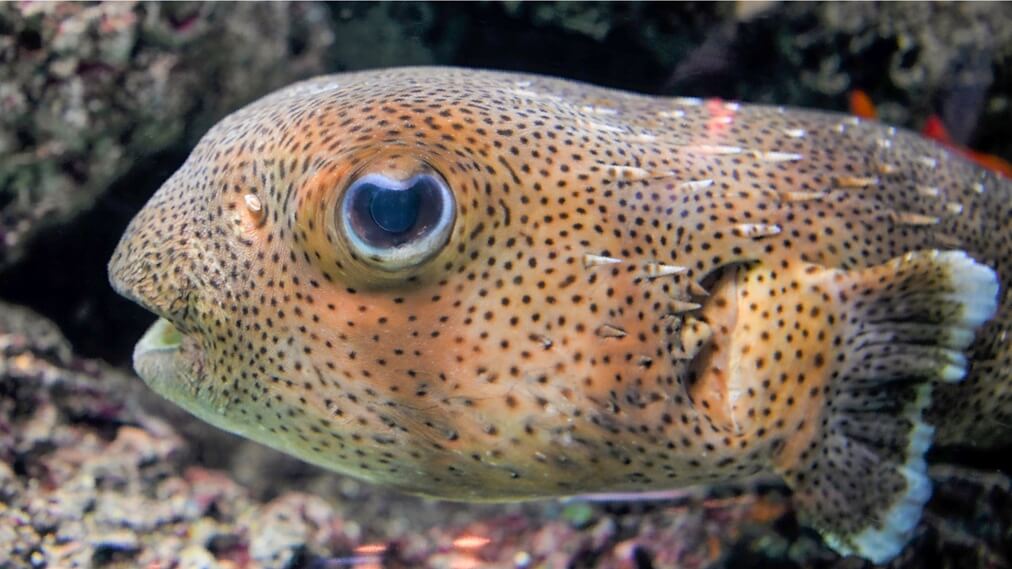
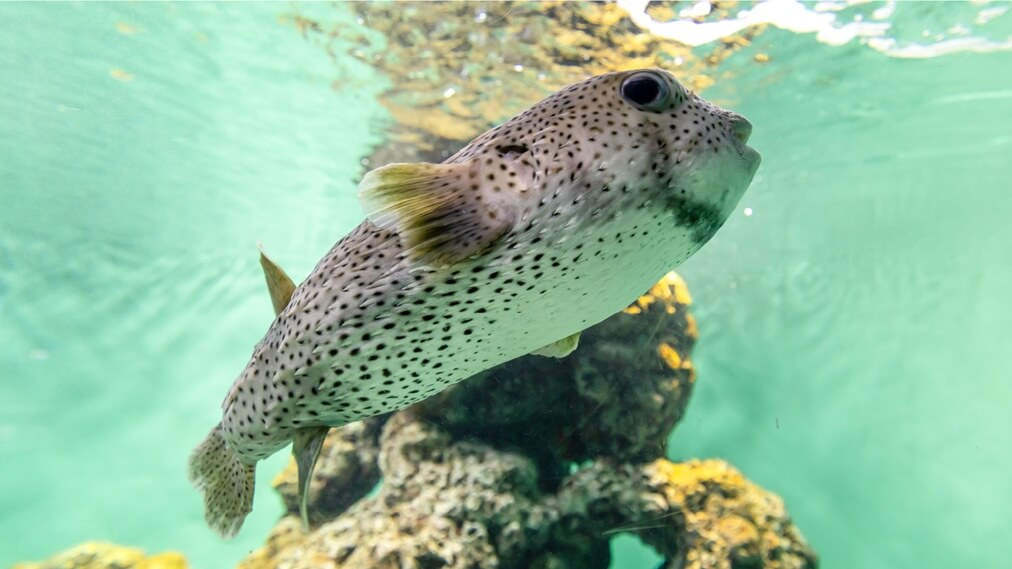
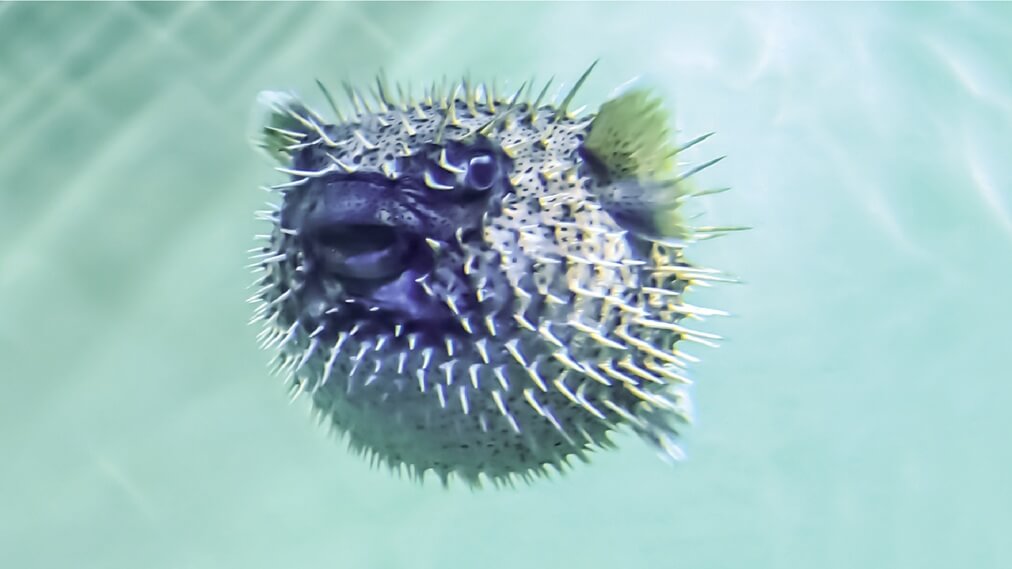
This is a large relative of the pufferfish. While pufferfish generally have many spines on their bodies, the spines of Spot-fin Porcupinefish are relatively short. When it senses danger, it drinks water, inflates its body, and raises its spines. With its plate-like teeth, it can easily crunch and eat the hard shells of sea urchins and crabs.
| classification | Actinopterygii, Tetraodontiformes, Porcupinefish |
|---|---|
| English name | Spot-fin Porcupinefish |
| distribution | Temperate to tropical regions of the world |
| Residence | Shallow reef area |
| Size |
Total length: 90cm
|
| food | Sea urchins and crustaceans |
| Red List |
IUCN: LC (Least Concern)
|
Spiky Ball
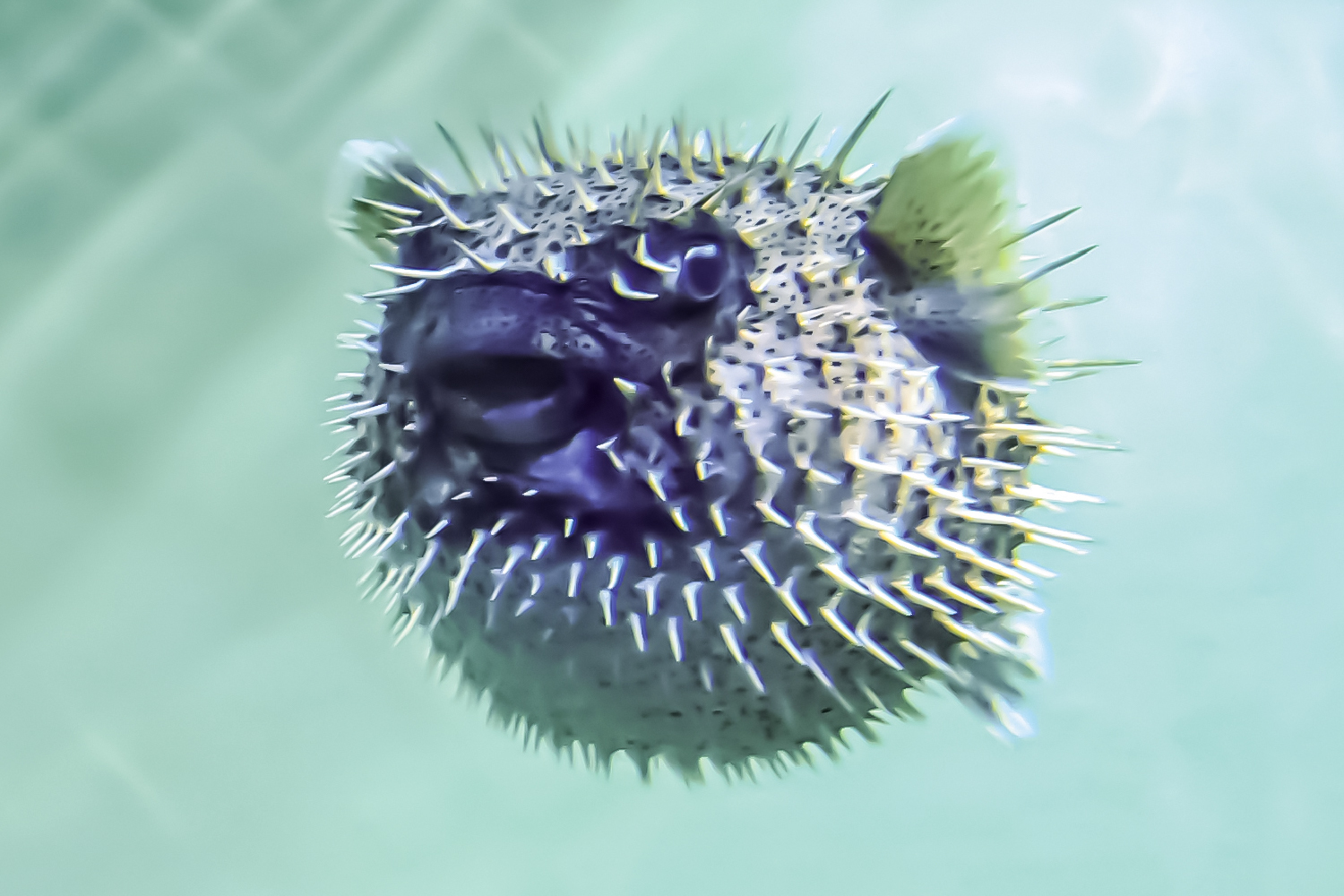
Pufferfish are characterized by having many "spines" on their bodies, and when danger approaches, they raise their spines to protect themselves. The spines are made up of modified scales. The mechanism by which the spines stand up is simple: by drinking water and inflating their bodies, the bases of the spines that were lying flat are pulled up.
Crunching with board-like teeth
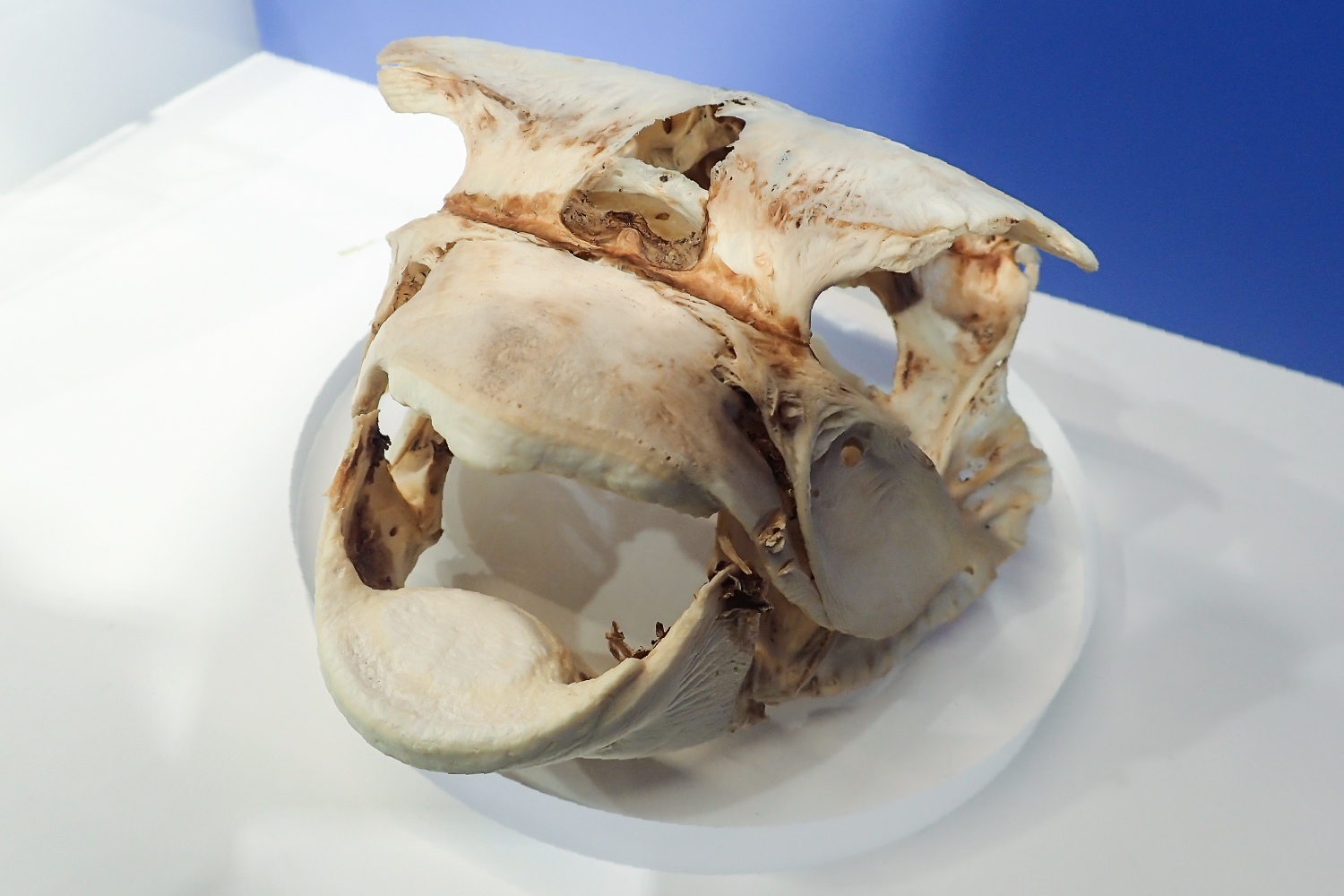
If you look closely at the mouth of Spot-fin Porcupinefish, you might see its teeth. Spot-fin Porcupinefish have two plate-like teeth, one on each of their upper and lower jaws. They have strong jaws and tough teeth, which they use to easily crack open the hard shells of sea urchins, crabs, and shrimp. A fish's teeth are related to what it eats and how it eats. Let's take a look at the teeth of other fish as well.
Delicious "Abasa"
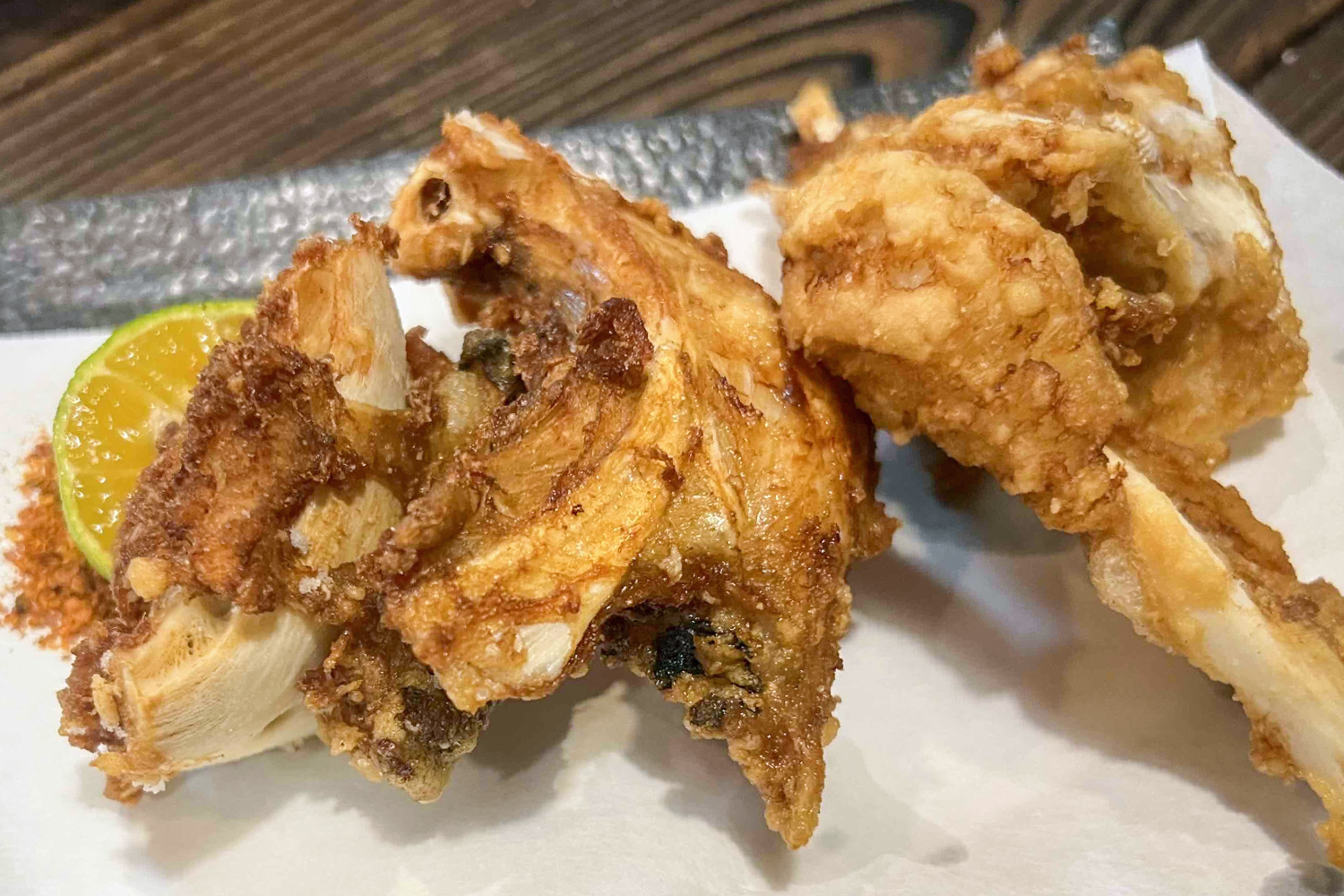
The porcupinefish, a relative of Spot-fin Porcupinefish pufferfish, is also a delicious fish to eat. In Okinawa, it's called "abasa" and is very popular in hot pots and miso soup. Spot-fin Porcupinefish is also eaten, called "inoabasa," just like the porcupinefish. In Japan, various fish are eaten in different regions, and their names vary. Let's find out more.