

Zoo Stock Species and the Red List
Zoo Stock Species and the Red List
Zoo Stock
This indicates that the species is included in the Second Zoo Stock Plan, which was formulated by the Tokyo Metropolitan Government in 2018. The plan sets goals for the next 10 years in three areas: "species conservation," "contribution to wildlife conservation," and "environmental education and conservation awareness." 124 animal species are included.
What is the Red List?
Based on scientific research, this is a list of wildlife classified by rank (category) indicating the degree of risk of extinction.
Livng Things Encyclopedia shows the categories (mainland and islands) assessed by the IUCN (International Union for Conservation of Nature) at the global level, the Ministry of the Environment for Japan, and the Tokyo Metropolitan Government for Tokyo.
The higher the category in each table, the higher the risk of extinction, and CR, EN, and VU are the three categories known as "endangered species." In Tokyo, species that are not at the NT (near threatened) level but are relatively rare are considered "species of concern."
|
IUCN categories |
|
|---|---|
|
EX |
extinction |
|
EW |
Extinction in the wild |
|
CR+EN |
— |
|
CR |
Serious crisis |
|
EN |
crisis |
|
VU |
emergency |
|
NT |
Near Threatened |
|
LC・○ |
Low Concern |
|
DD |
Data shortage |
|
LP |
— |
|
Japan (Ministry of the Environment) Category |
|
|---|---|
|
EX |
extinction |
|
EW |
Extinction in the wild |
|
CR+EN |
Endangered species |
|
CR |
Critically Endangered |
|
EN |
Endangered species |
|
VU |
Endangered species |
|
NT |
Near Threatened |
|
LC・○ |
— |
|
DD |
Lack of information |
|
LP |
Endangered |
|
Tokyo Category |
|
|---|---|
|
EX |
extinction |
|
EW |
Extinction in the wild |
|
CR+EN |
Endangered species |
|
CR |
Critically Endangered |
|
EN |
Endangered species |
|
VU |
Endangered species |
|
NT |
Near Threatened |
|
LC・○ |
Unranked |
|
DD |
Lack of information |
|
LP |
Endangered |
Creatures at Tokyo Sea Life Park
Creatures at Tokyo Sea Life Park
Old Wife
Old Wife
Enoplosus armatus
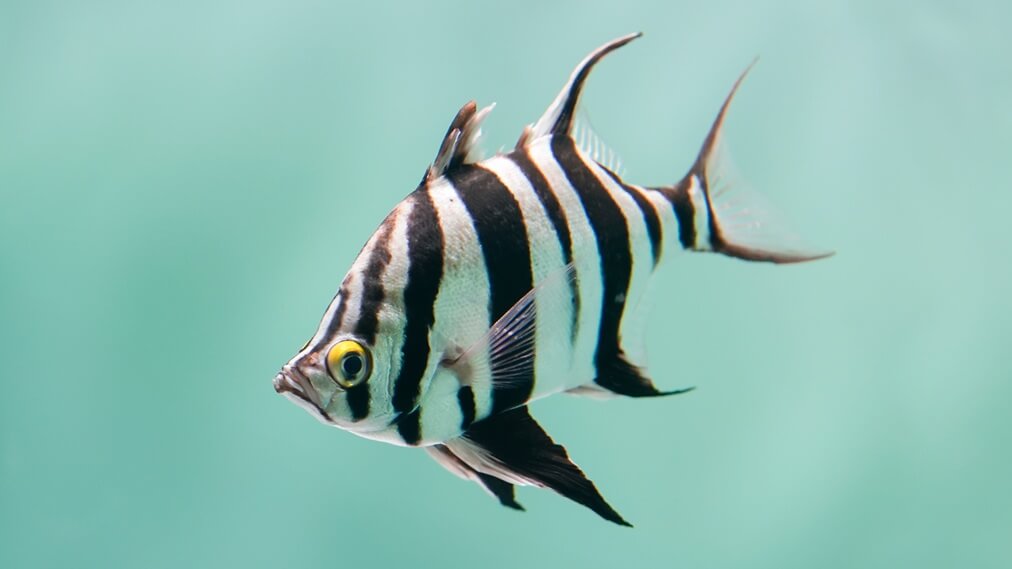
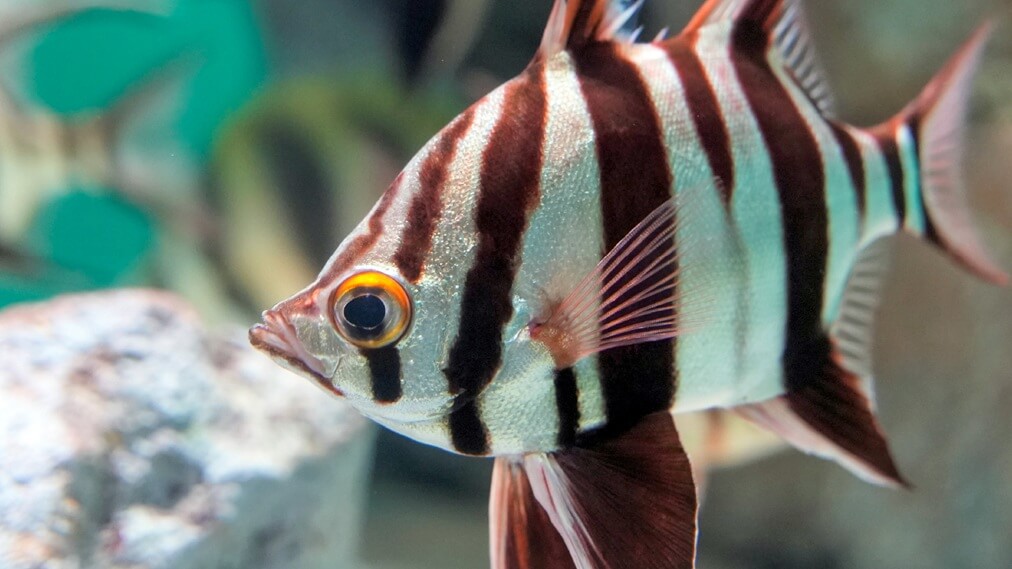
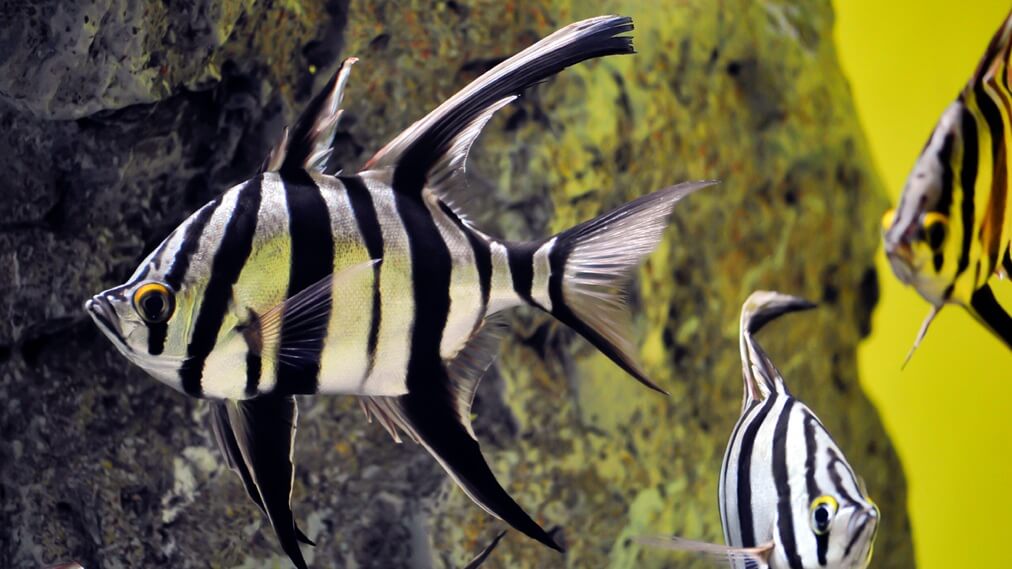
This species is endemic to southern Australia. It is closely related to butterflyfish, but is distinguished by having two large dorsal fins, and it forms its own family, the Enoplosidae. It inhabits coastal rocky areas, seaweed beds, and inlets, and prefers to feed on shrimp and polychaetes. They usually act alone or in pairs, but sometimes form large schools of several hundred individuals.
| classification | Actinopterygii, Perciformes, Enoplosidae |
|---|---|
| English name | Old Wife |
| distribution | Southern coast of Australia |
| Residence | Rocky areas |
| Size |
Total length: 50cm
|
| food | Small fish and crustaceans |
| Red List |
IUCN: LC (Least Concern)
|
The origin of the name Old Wife
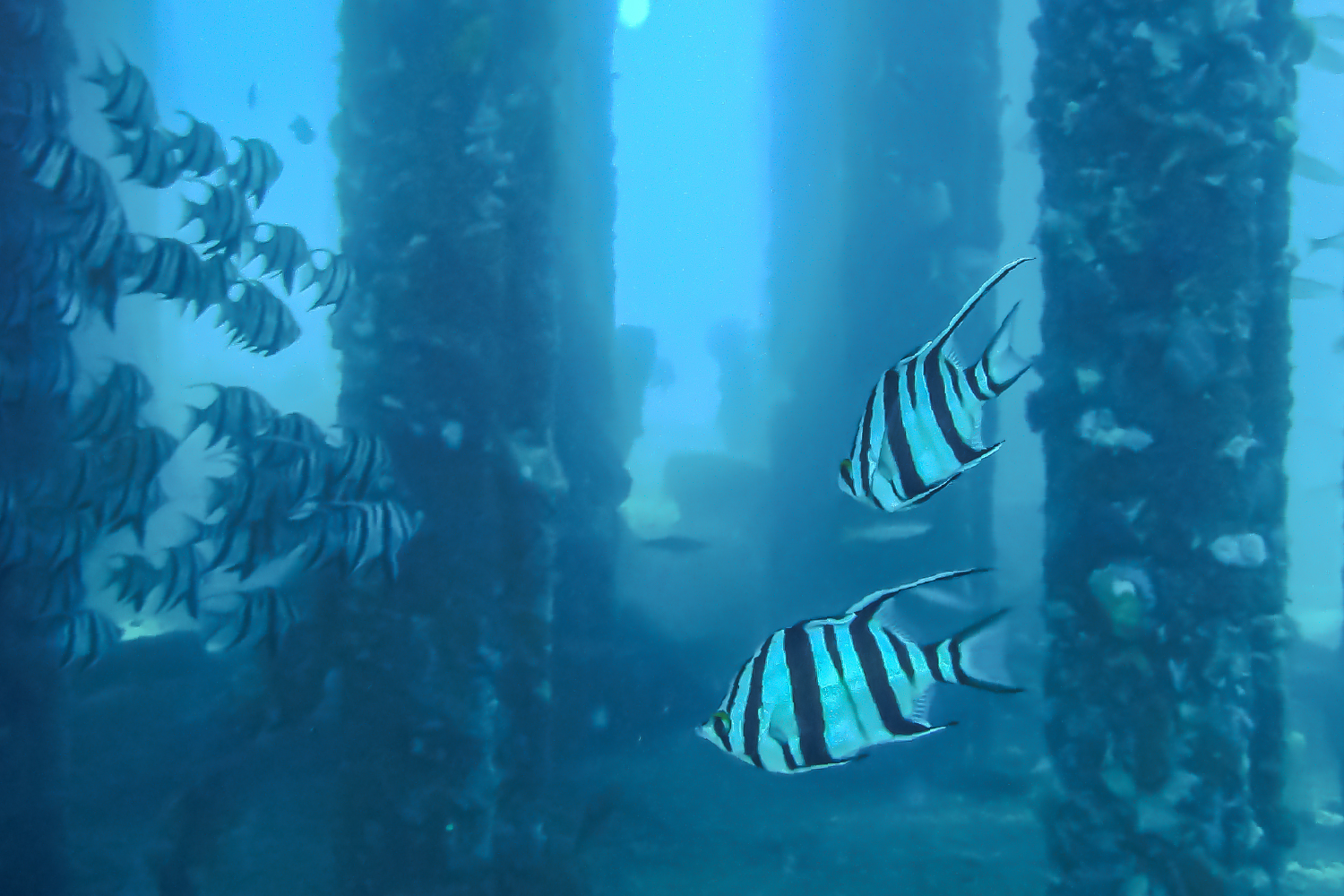
The English name Old Wife means "old wife" in Japanese. Are you curious as to why it got such a name? Old Wife is a delicious fish that is also eaten locally. Apparently, it was named after the "creaking" sound it makes when caught, which sounds like an old wife's nagging. I can imagine some women exclaiming, "How rude!"