

Zoo Stock Species and the Red List
Zoo Stock Species and the Red List
Zoo Stock
This indicates that the species is included in the Second Zoo Stock Plan, which was formulated by the Tokyo Metropolitan Government in 2018. The plan sets goals for the next 10 years in three areas: "species conservation," "contribution to wildlife conservation," and "environmental education and conservation awareness." 124 animal species are included.
What is the Red List?
Based on scientific research, this is a list of wildlife classified by rank (category) indicating the degree of risk of extinction.
Livng Things Encyclopedia shows the categories (mainland and islands) assessed by the IUCN (International Union for Conservation of Nature) at the global level, the Ministry of the Environment for Japan, and the Tokyo Metropolitan Government for Tokyo.
The higher the category in each table, the higher the risk of extinction, and CR, EN, and VU are the three categories known as "endangered species." In Tokyo, species that are not at the NT (near threatened) level but are relatively rare are considered "species of concern."
|
IUCN categories |
|
|---|---|
|
EX |
extinction |
|
EW |
Extinction in the wild |
|
CR+EN |
— |
|
CR |
Serious crisis |
|
EN |
crisis |
|
VU |
emergency |
|
NT |
Near Threatened |
|
LC・○ |
Low Concern |
|
DD |
Data shortage |
|
LP |
— |
|
Japan (Ministry of the Environment) Category |
|
|---|---|
|
EX |
extinction |
|
EW |
Extinction in the wild |
|
CR+EN |
Endangered species |
|
CR |
Critically Endangered |
|
EN |
Endangered species |
|
VU |
Endangered species |
|
NT |
Near Threatened |
|
LC・○ |
— |
|
DD |
Lack of information |
|
LP |
Endangered |
|
Tokyo Category |
|
|---|---|
|
EX |
extinction |
|
EW |
Extinction in the wild |
|
CR+EN |
Endangered species |
|
CR |
Critically Endangered |
|
EN |
Endangered species |
|
VU |
Endangered species |
|
NT |
Near Threatened |
|
LC・○ |
Unranked |
|
DD |
Lack of information |
|
LP |
Endangered |
Creatures at Tokyo Sea Life Park
Creatures at Tokyo Sea Life Park
Nurseryfish
Kurtus gulliveri
Nurseryfish
Kurtus gulliveri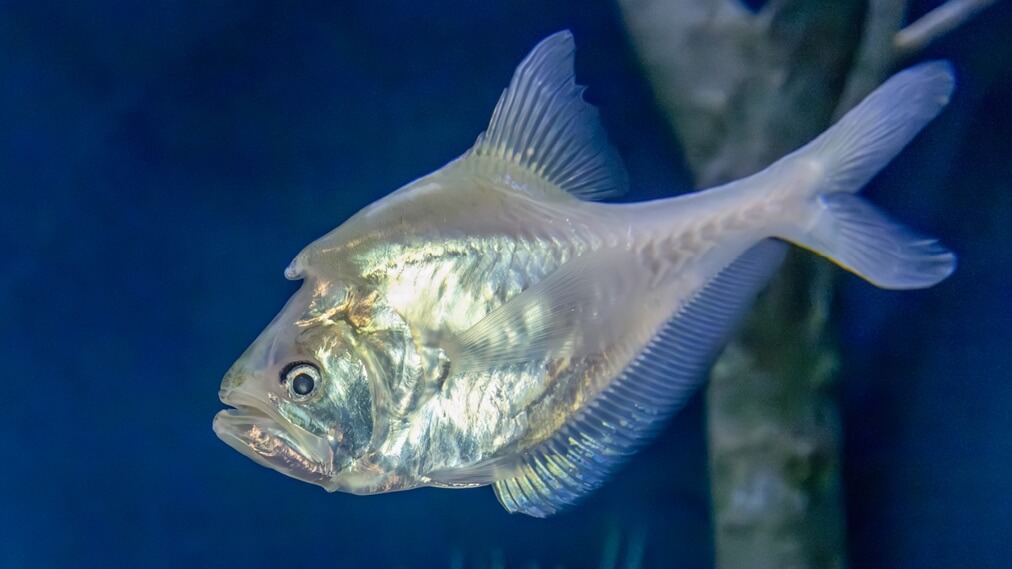
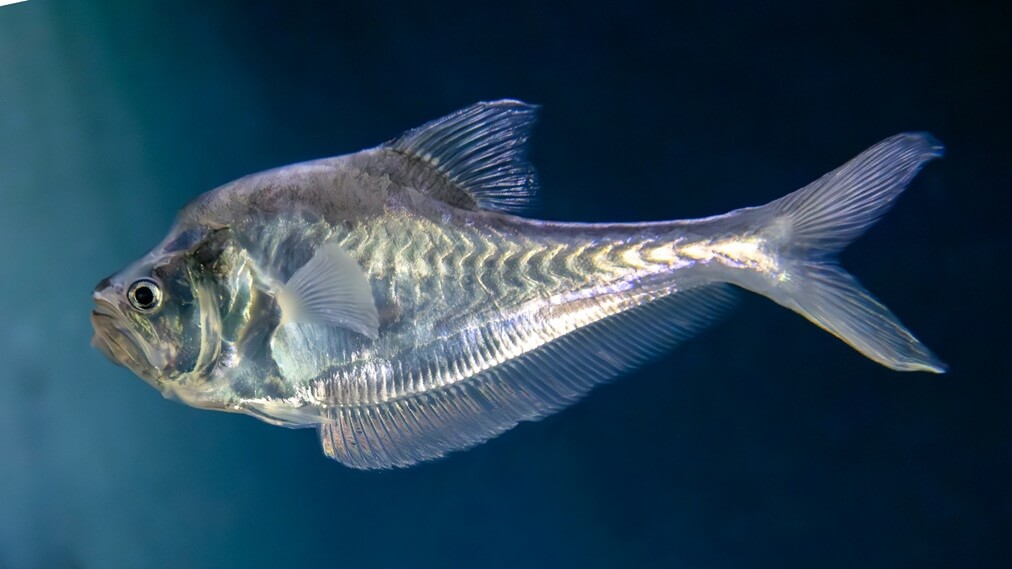
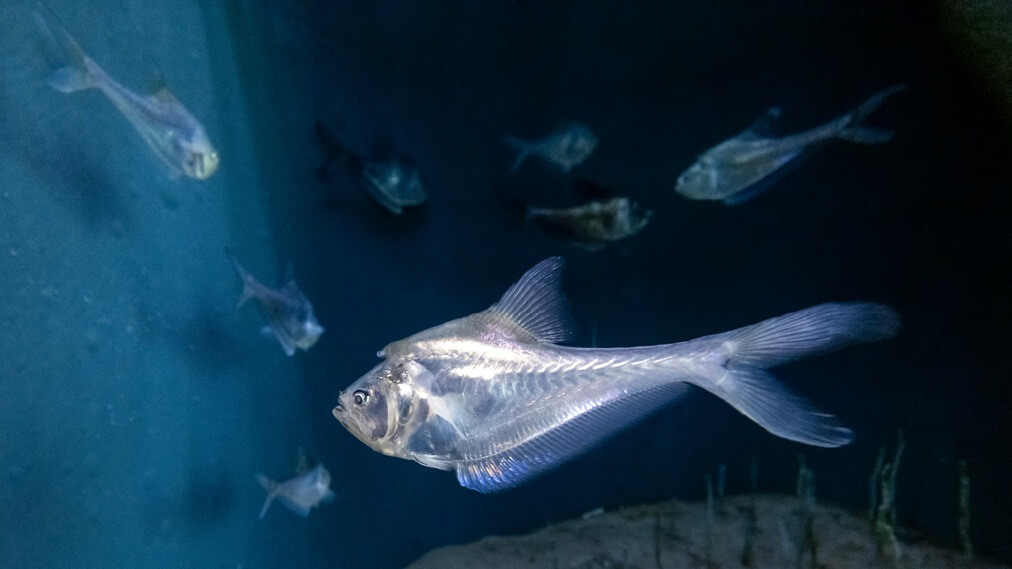
Nurseryfish live in the estuaries of large rivers. The males are also called "guardian fish" because they attach a cluster of eggs to a hook on their forehead and protect them until they hatch. While some fish protect their eggs in a pouch on their belly or in their mouths, Nurseryfish are the only ones that protect their eggs in this way. They eat shrimp and small fish that come into view by swallowing them whole in murky, cloudy water.
| classification | Actinopterygii, Perciformes, Curtoidea |
|---|---|
| English name | Nurseryfish |
| distribution | Northern Australia, Southern New Guinea |
| Residence | Brackish water areas such as river mouths where seawater and freshwater mix |
| Size |
Total length: 60cm
|
| food | shrimp and small fish |
| Red List |
IUCN: LC (Least Concern)
|
Find the hook!
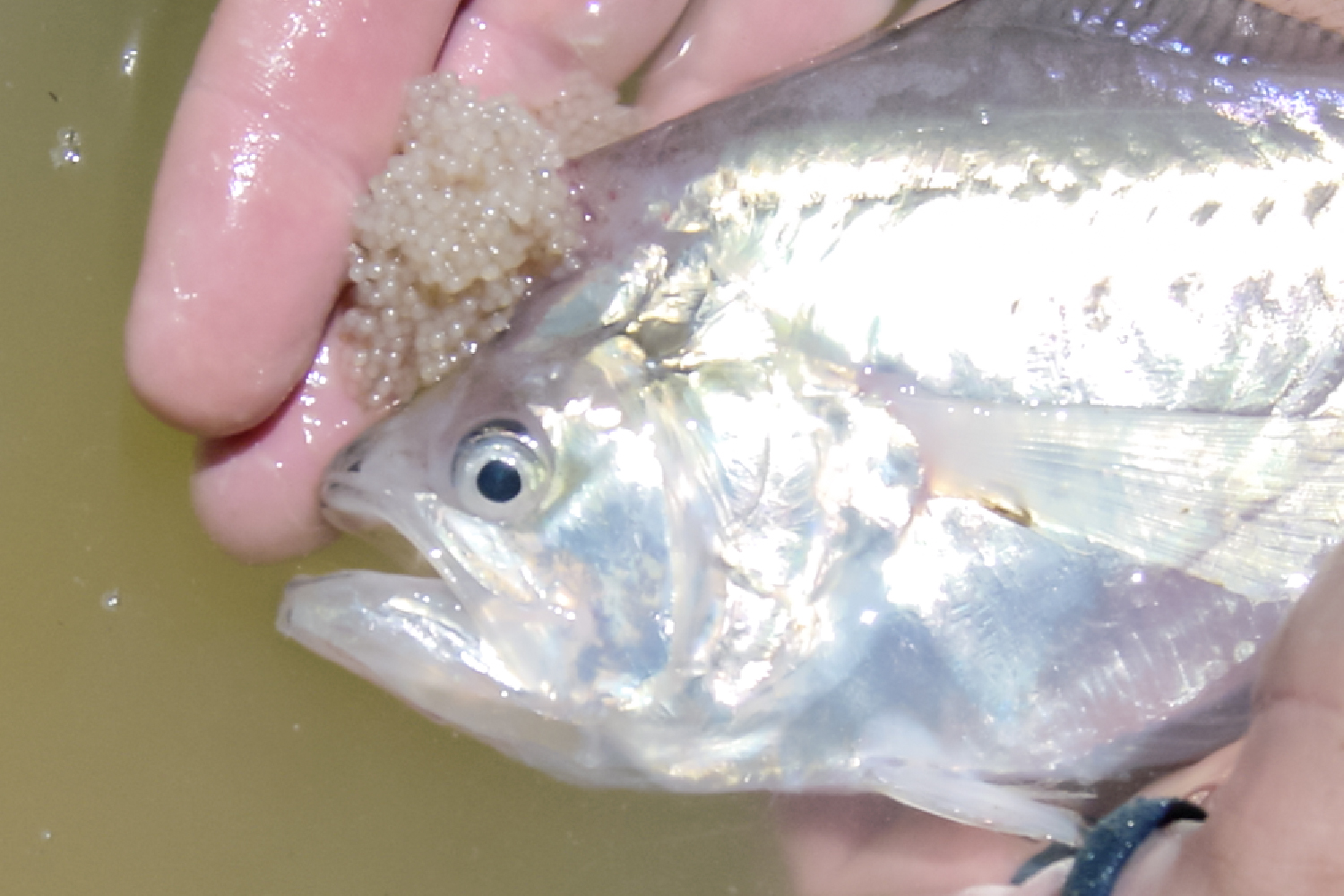
Let's try to find the males and females. Males have a hook on their heads, while females do not. Males protect the eggs laid by the females by attaching them to the hook. By carrying the eggs on their own bodies, they can reduce the chances of the eggs being eaten. Other fish in which the males carry and protect the eggs include seahorses and cardinalfish, but this is the only fish that protects the eggs by attaching them to the hook on its head.
Why is the fish tank so dark?
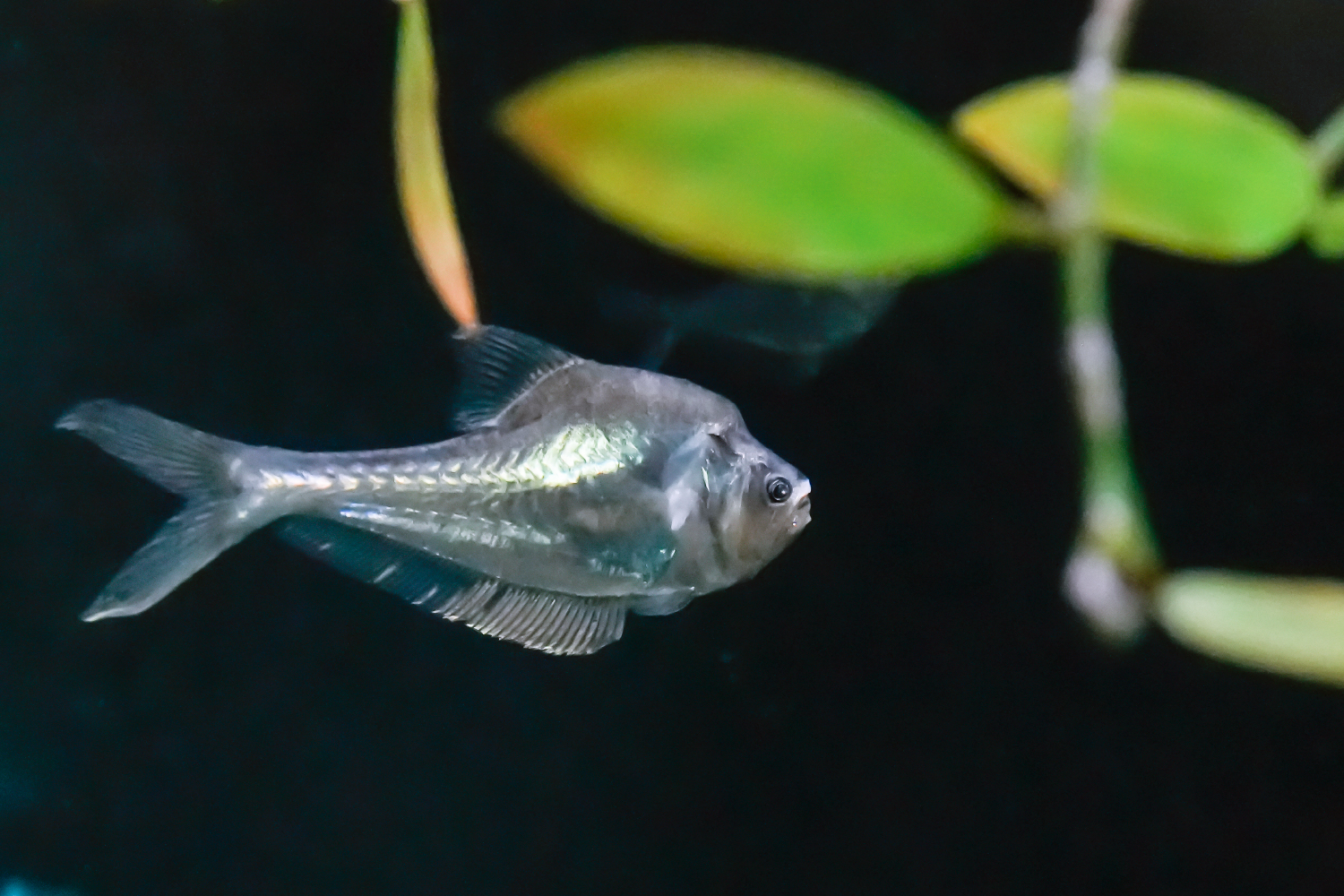
Nurseryfish live in murky water where freshwater and saltwater mix. Perhaps because of this, they don't like bright lights, and they can become restless and thrash around when exposed to light. That's why we keep the aquarium lighting as dim as possible to help them stay calm.
Only here in the world
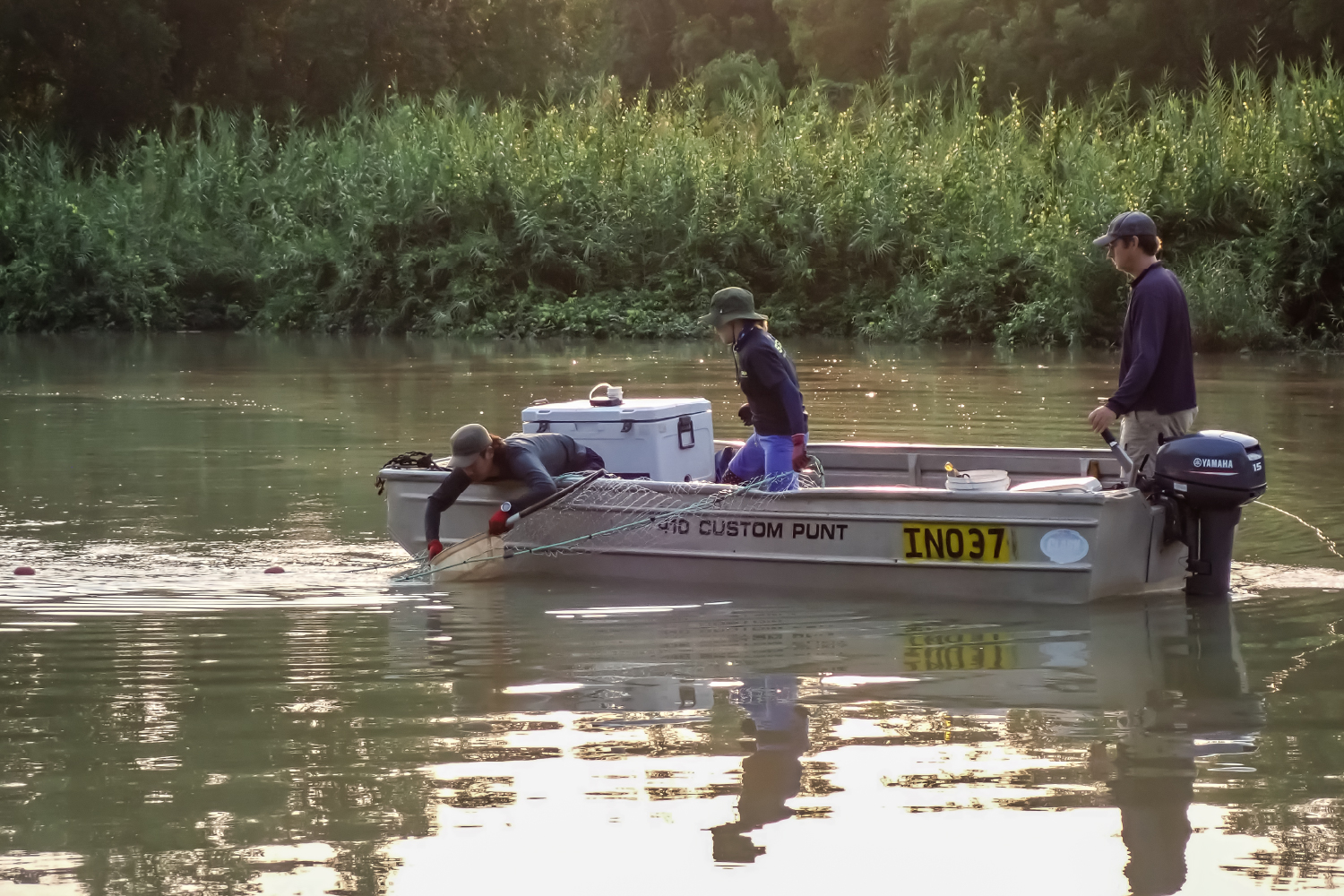
Tokyo Sea Life Park in the world that exhibits Nurseryfish. Nurseryfish at Tokyo Sea Life Park are collected by staff in northern Australia and then transported to the aquarium for display.