

Zoo Stock Species and the Red List
Zoo Stock Species and the Red List
Zoo Stock
This indicates that the species is included in the Second Zoo Stock Plan, which was formulated by the Tokyo Metropolitan Government in 2018. The plan sets goals for the next 10 years in three areas: "species conservation," "contribution to wildlife conservation," and "environmental education and conservation awareness." 124 animal species are included.
What is the Red List?
Based on scientific research, this is a list of wildlife classified by rank (category) indicating the degree of risk of extinction.
Livng Things Encyclopedia shows the categories (mainland and islands) assessed by the IUCN (International Union for Conservation of Nature) at the global level, the Ministry of the Environment for Japan, and the Tokyo Metropolitan Government for Tokyo.
The higher the category in each table, the higher the risk of extinction, and CR, EN, and VU are the three categories known as "endangered species." In Tokyo, species that are not at the NT (near threatened) level but are relatively rare are considered "species of concern."
|
IUCN categories |
|
|---|---|
|
EX |
extinction |
|
EW |
Extinction in the wild |
|
CR+EN |
— |
|
CR |
Serious crisis |
|
EN |
crisis |
|
VU |
emergency |
|
NT |
Near Threatened |
|
LC・○ |
Low Concern |
|
DD |
Data shortage |
|
LP |
— |
|
Japan (Ministry of the Environment) Category |
|
|---|---|
|
EX |
extinction |
|
EW |
Extinction in the wild |
|
CR+EN |
Endangered species |
|
CR |
Critically Endangered |
|
EN |
Endangered species |
|
VU |
Endangered species |
|
NT |
Near Threatened |
|
LC・○ |
— |
|
DD |
Lack of information |
|
LP |
Endangered |
|
Tokyo Category |
|
|---|---|
|
EX |
extinction |
|
EW |
Extinction in the wild |
|
CR+EN |
Endangered species |
|
CR |
Critically Endangered |
|
EN |
Endangered species |
|
VU |
Endangered species |
|
NT |
Near Threatened |
|
LC・○ |
Unranked |
|
DD |
Lack of information |
|
LP |
Endangered |
Creatures at Tokyo Sea Life Park
Creatures at Tokyo Sea Life Park
Lumpsucker
Lumpsucker
Cyclopterus lumpus
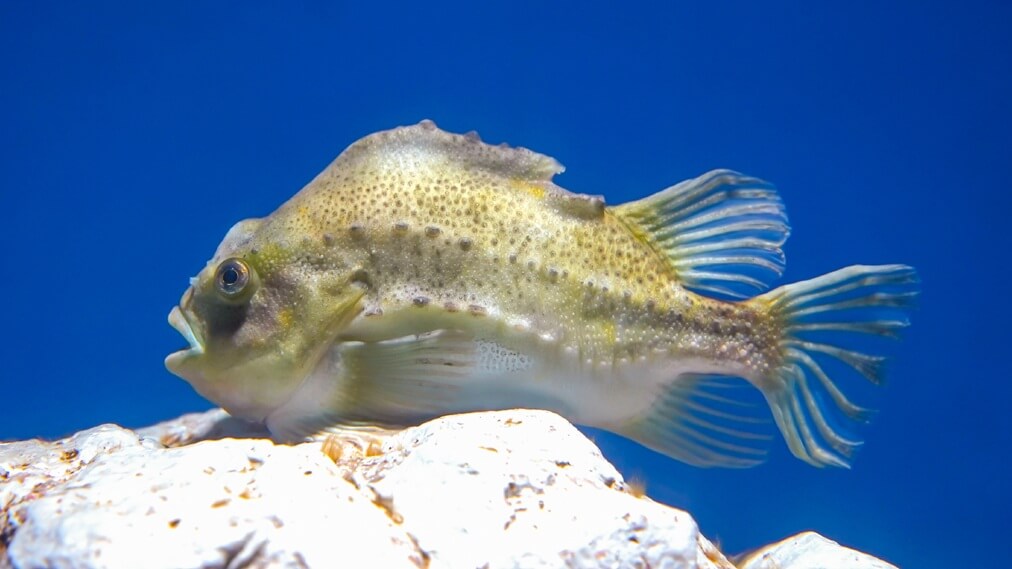
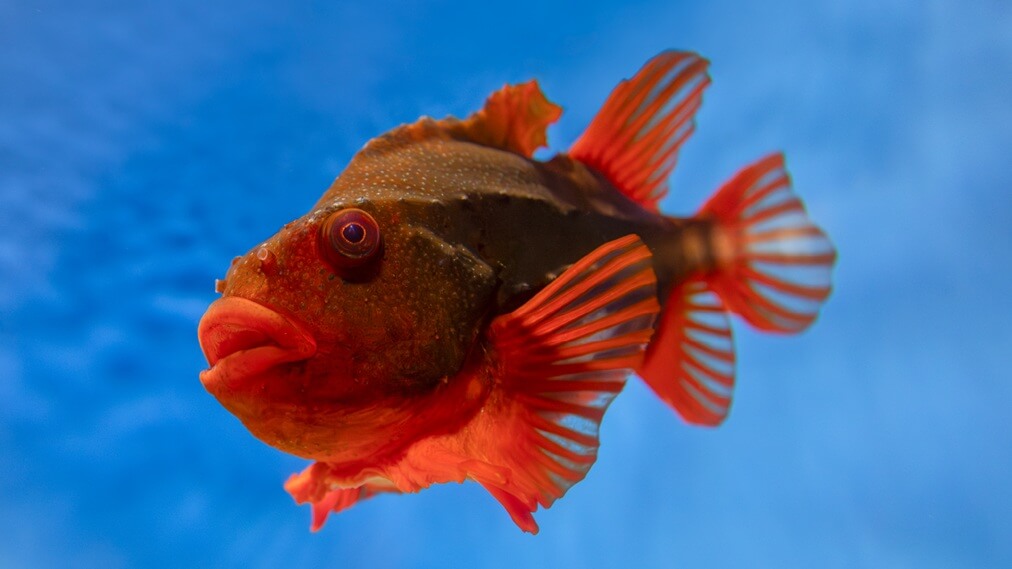
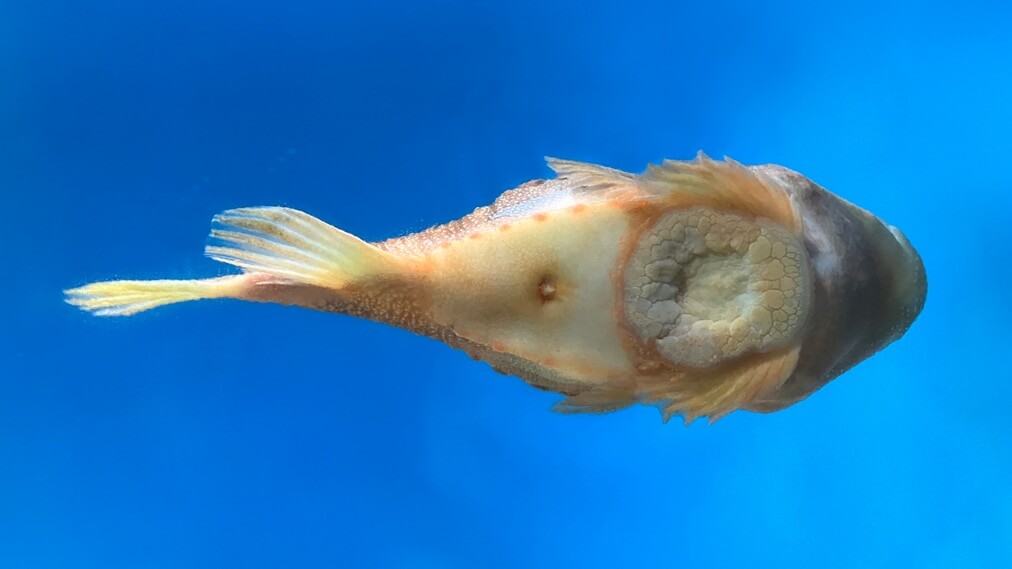
This is a type of lumpfish that lives in the cold waters of the North Atlantic. It is the largest of the lumpfish species and is sometimes called the "Yokozuna lumpfish." As its English name suggests, it has many bumps of various sizes on its body, which protect it. When swimming, it uses its pectoral and caudal fins to flap its body, and it attaches to rocks and other surfaces with the suction cups on its underside.
| classification | Actinopterygii, Perciformes, Lumpfish |
|---|---|
| English name | Lumpsucker |
| distribution | North Atlantic |
| Residence | rocky area |
| Size |
Total length: 40cm
|
| food | Benthic organisms, etc. |
| Red List |
Unrated
|
How does it stick?
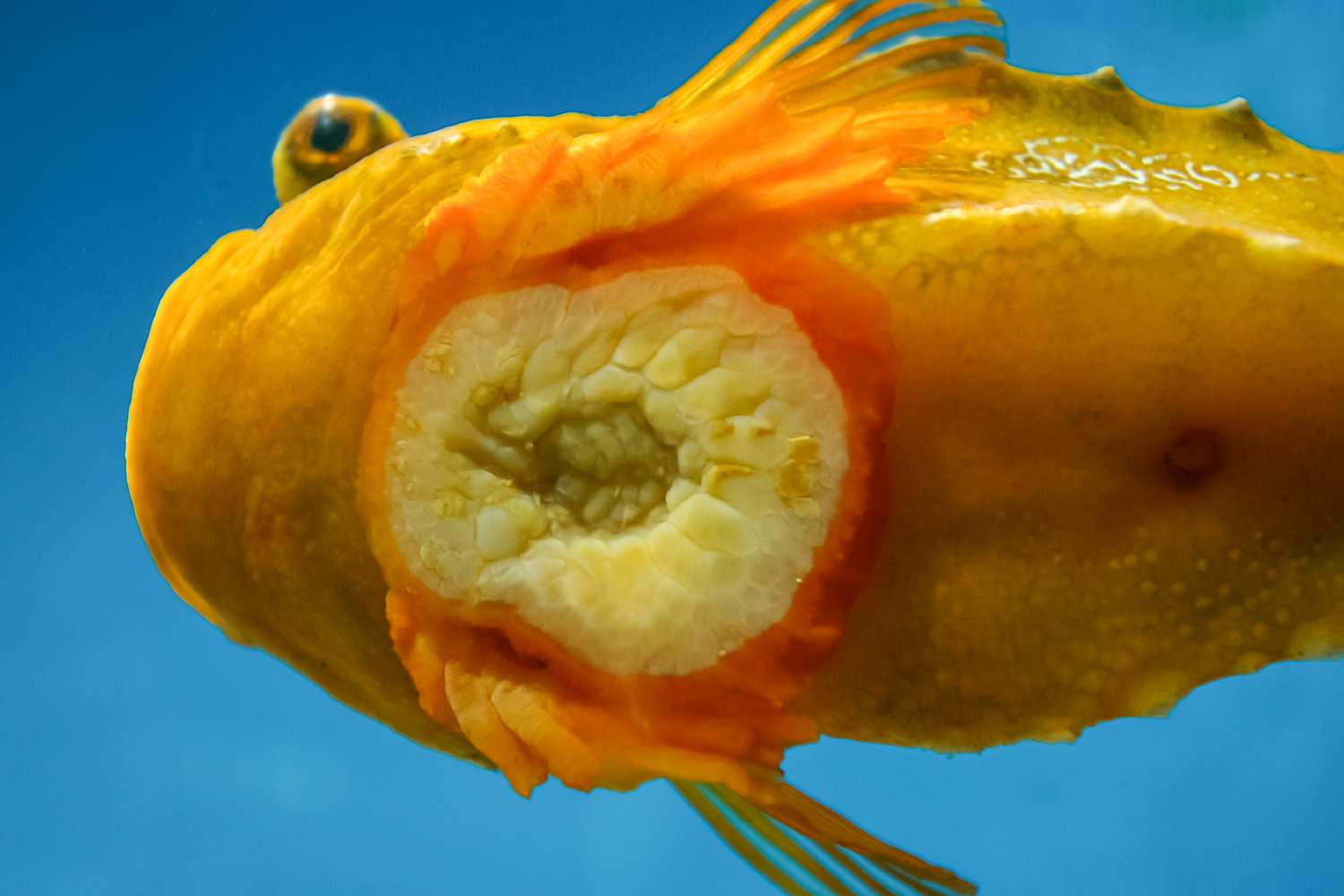
If you observe Lumpsucker, you will often find it clinging to the walls or rocks of the aquarium. The suction cups under its belly are modified pelvic fins. If it's clinging to the acrylic, that's your chance! Take a close look at the suction cup-like pelvic fins. Lumpsucker don't seem to be particularly good swimmers, but the suction cups make them useful for anchoring their bodies to rocks and seaweed.
Lumpsucker eggs, also sold in Japan
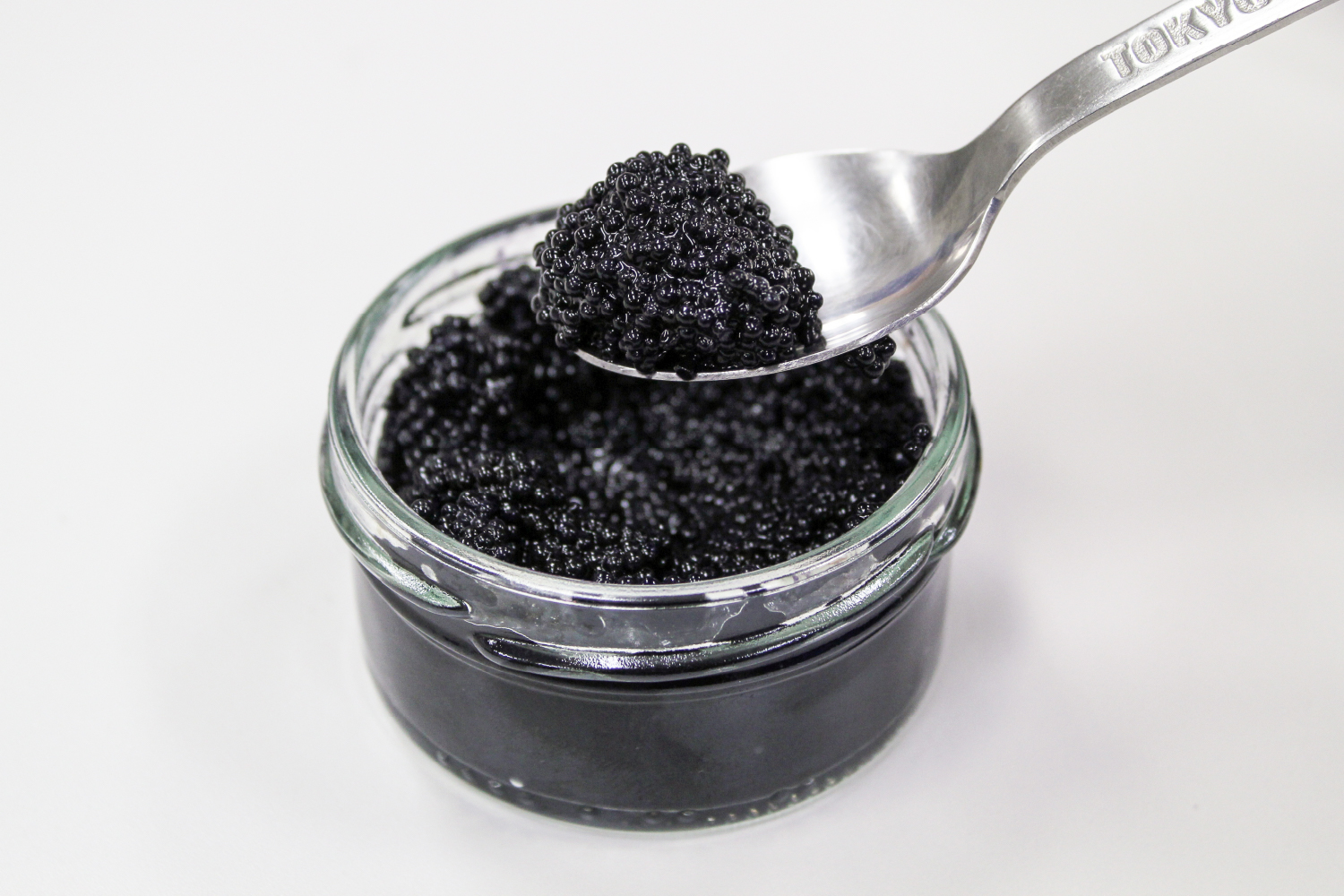
Have you ever noticed any lumpsuckers with red body coloring? This is a special coloring (nuptial coloring) that is seen on males during breeding season. Lumpsucker usually live in relatively deep waters Lumpsucker up to about 300m deep, but come to shallower areas to spawn from spring to summer. In fact, these eggs are used as a substitute for high-quality fish roe, caviar, and are sold in Japan. You may have seen them without even realizing it.