

Programs for high school students and adults
Think and act
Think and act
Students will learn by inferring the relationship between the structure of living organisms and the environment they live in. Comparing them with other species will help them understand the diversity of living organisms and their environments.
First Guide to Fish Observation
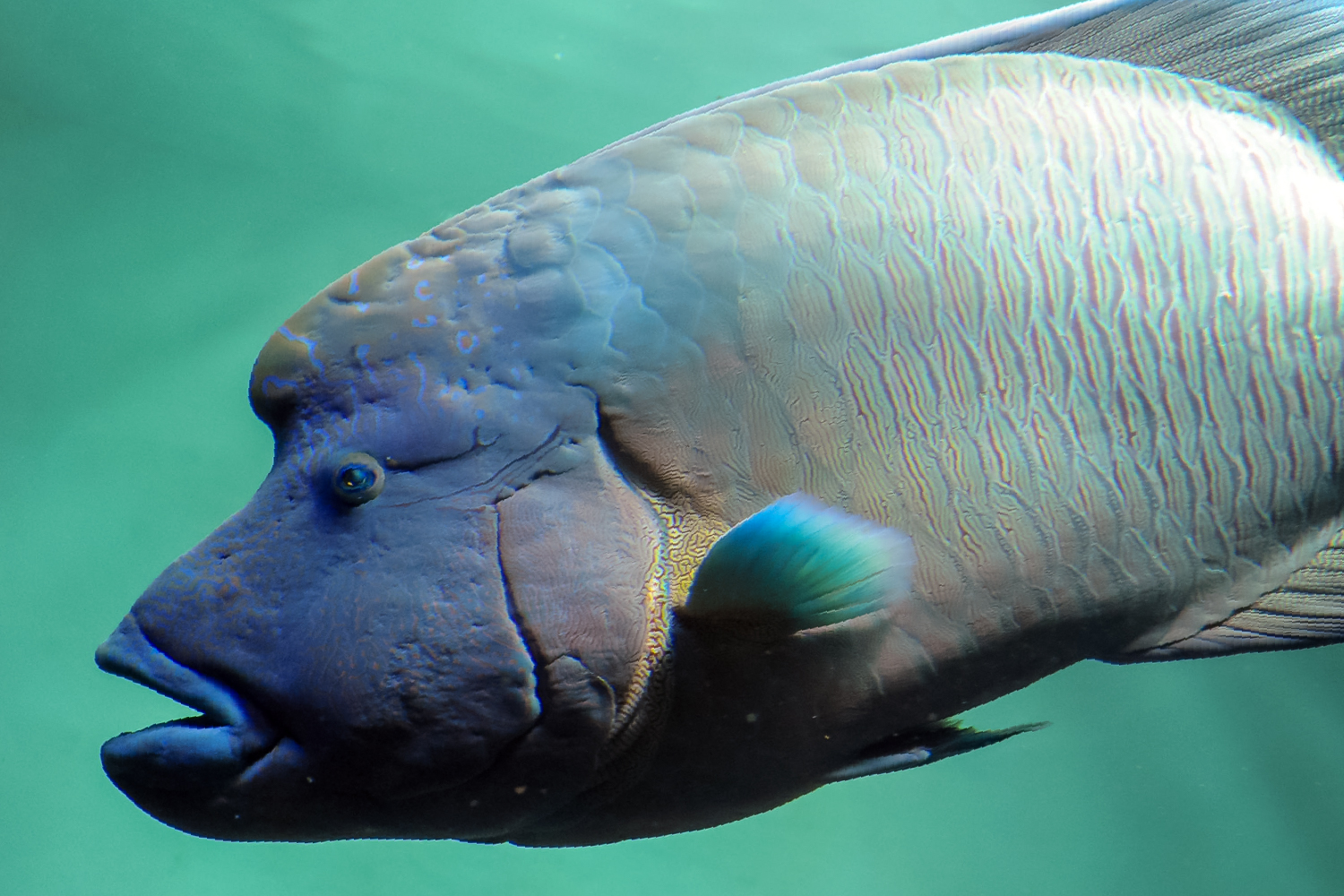
You will experience the joy of observing and discovering fish from the perspectives of how they "swimming," "eating," "protecting themselves," and "breeding," as recommended by the aquarium.
Lecture Room
Maximum of about 80 people
half an hour
Tokyo's waterfront
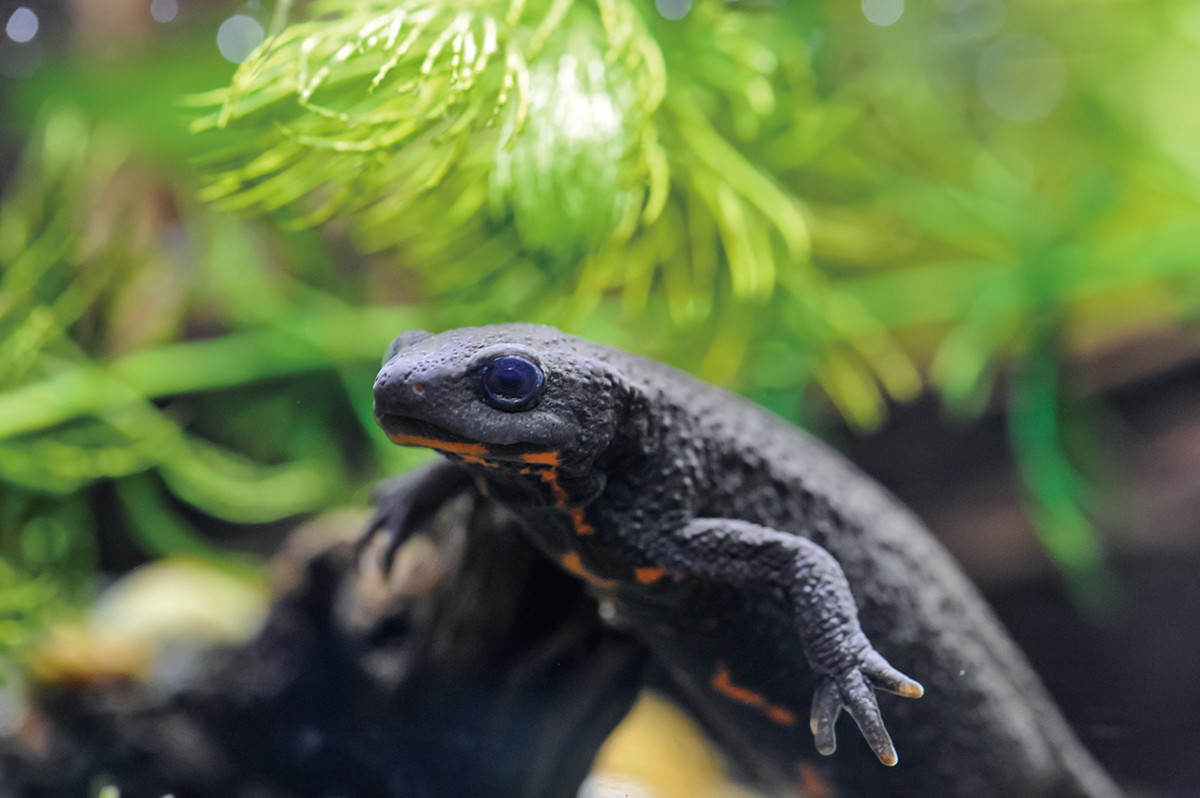
We will focus on representative aquatic creatures such as killifish, newts, and frogs, learning about their ecology and the environment in which they live, and thinking together about the current state and future of Tokyo's waterfront.
Lecture Room
Maximum of about 80 people
half an hour
Penguins and their lives
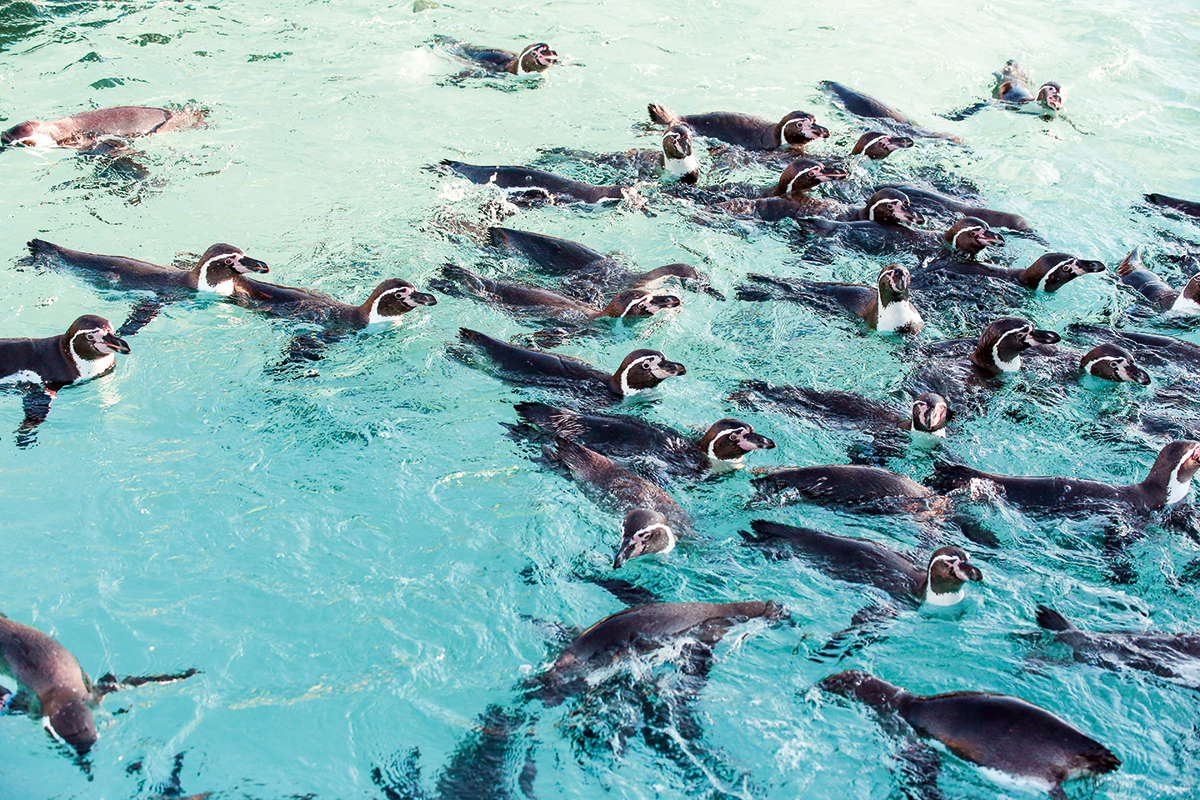
Penguins are very popular in Japan. We will introduce the true nature of penguins, which are not just cute. We will also consider the environment in which penguins live and their current situation.
Lecture Room
Maximum of about 80 people
half an hour
Introduction to Tuna Studies
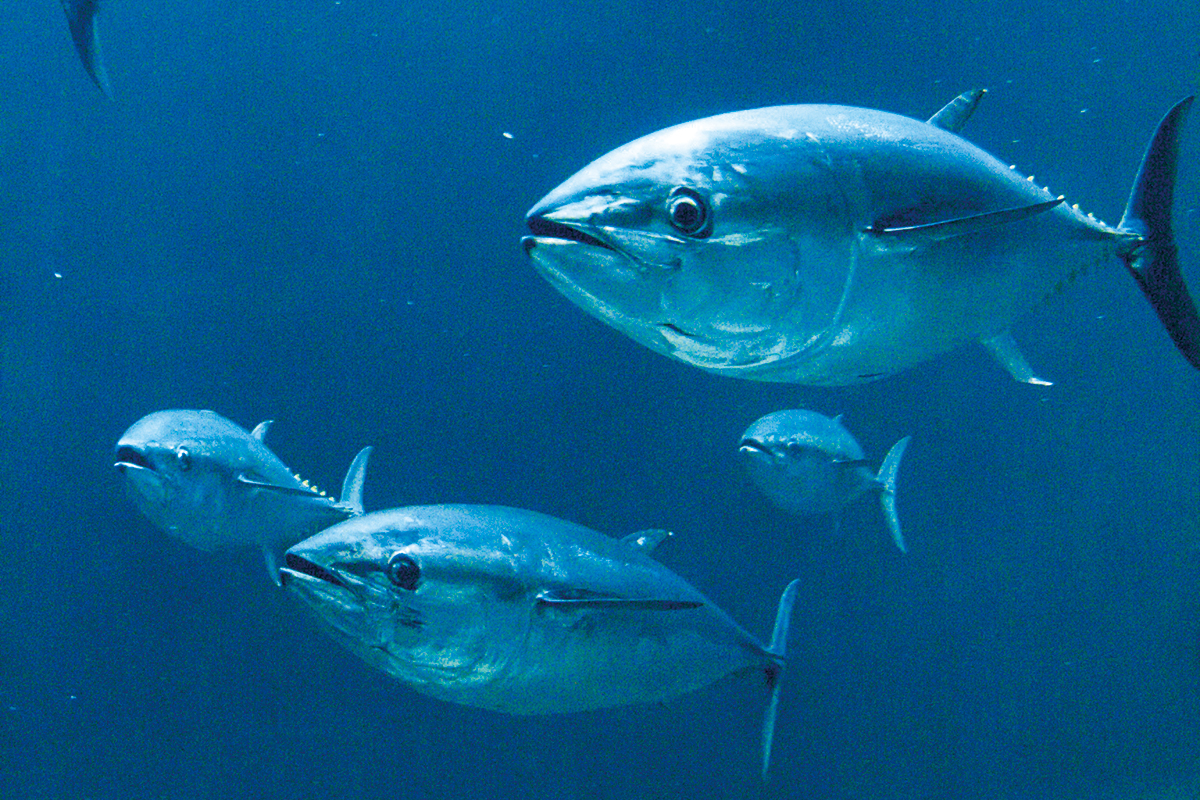
Tuna is very familiar to us Japanese people. By observing live tuna, you will discover not only its delicious taste, but also the true charm of tuna as a living creature.
Lecture Room
Maximum of about 80 people
half an hour
Tuna and the Japanese
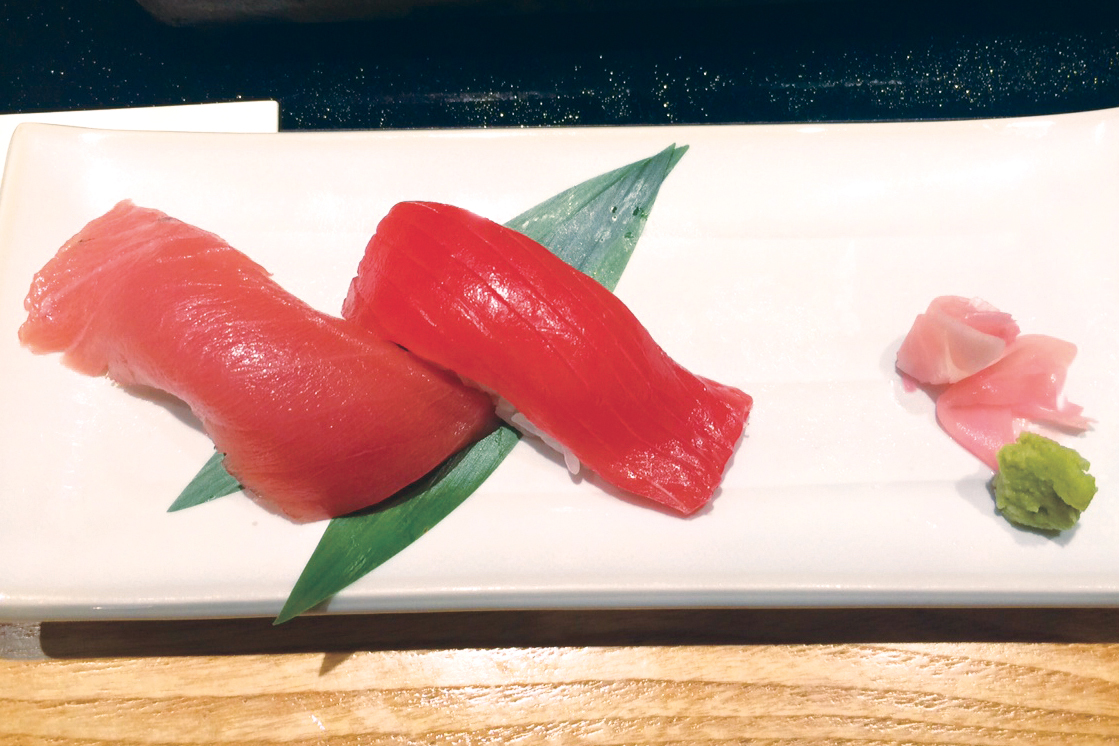
Tuna is a very familiar fish to us Japanese people. Currently, almost all of Pacific Bluefin Tuna catch, which is threatened with extinction, is consumed in Japan. Let's think together about the issues surrounding tuna.
Lecture Room
Maximum of about 80 people
half an hour
Learn about the tidal flats of Tokyo Bay
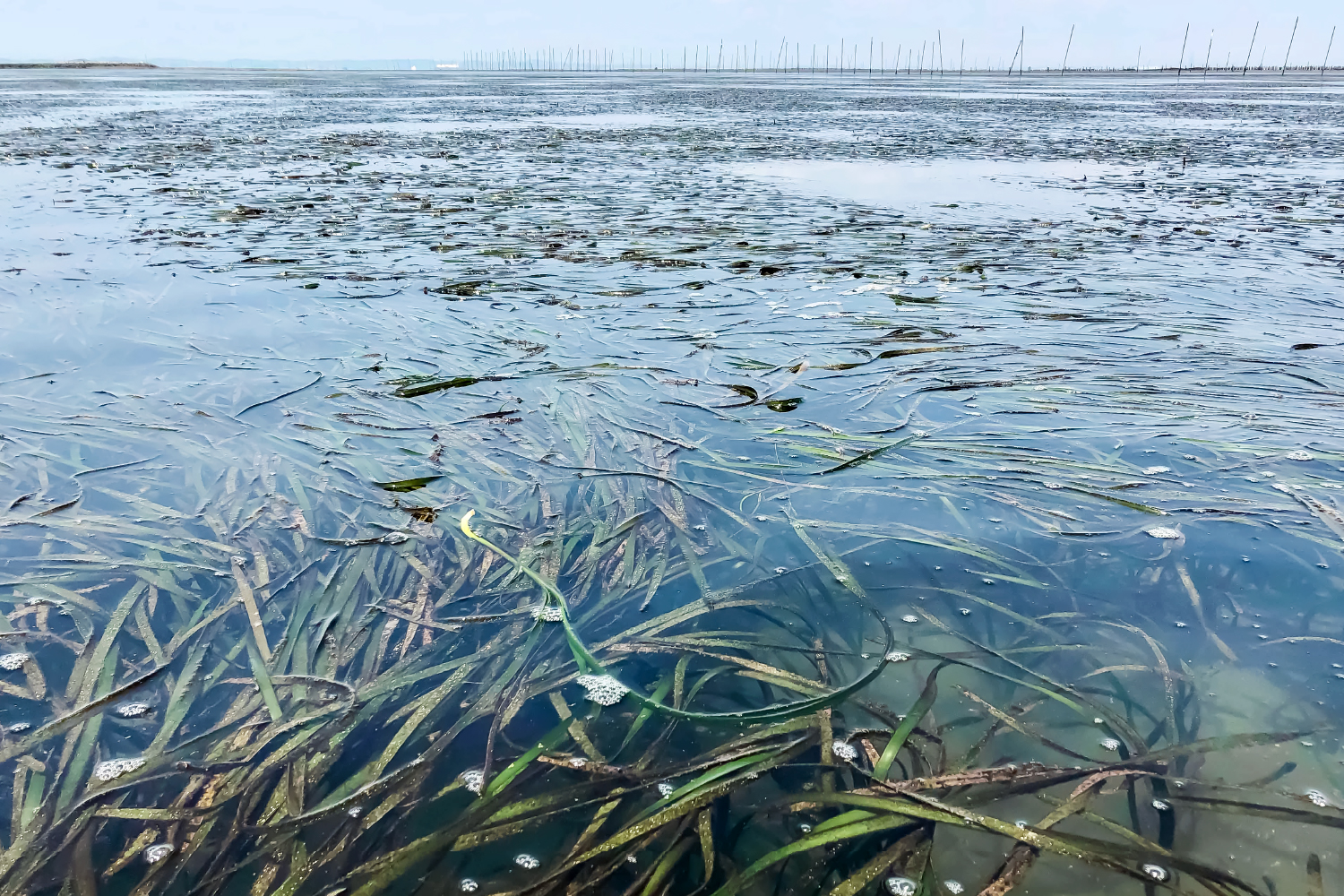
Students will observe the creatures living in the tidal flats and their environment, and through experiments will deepen their understanding of the role of tidal flats in the ecosystem, while also considering the current state of Tokyo Bay's tidal flats and how to conserve them.
Kasai Seaside Park "West Beach"
Maximum of 35 people
Over 1 hour (negotiable)
*This is limited to the low tide period on spring tides.