

Group Program for Junior High Schools
Think and act
Think and act
Students will learn by inferring the relationship between the structure of living organisms and the environment they live in. Comparing them with other species will help them understand the diversity of living organisms and their environments.
Observing fish at the aquarium
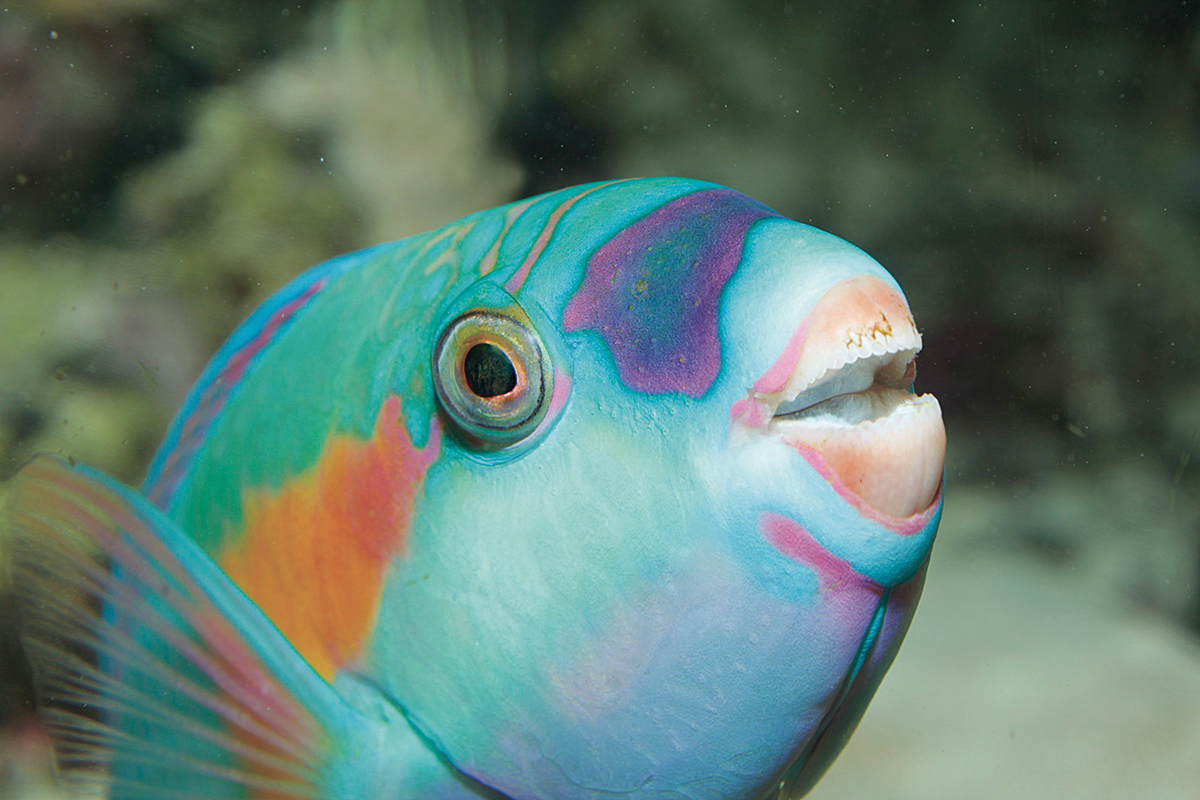
It would be a shame to just think, "They're pretty, they're cute." We will observe fish together from the perspective of "protecting ourselves" and "eating," and experience the joy of noticing these things.
Lecture Room
Maximum of about 80 people
half an hour
I want to live with frogs forever
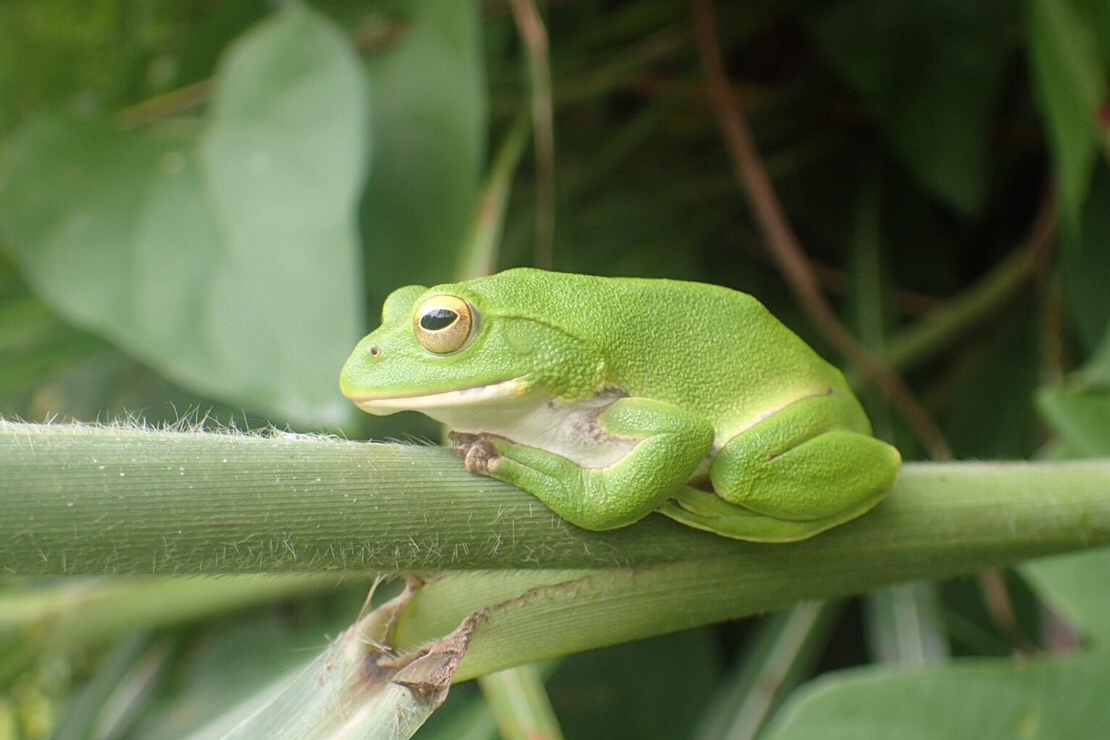
This program focuses on frogs, newts, and killifish, creatures that were once familiar to us, and observes the environments in which they live, introducing the current state of Japan's waterside areas and conservation efforts.
Lecture Room
Maximum of about 80 people
half an hour
Birds flying in the water
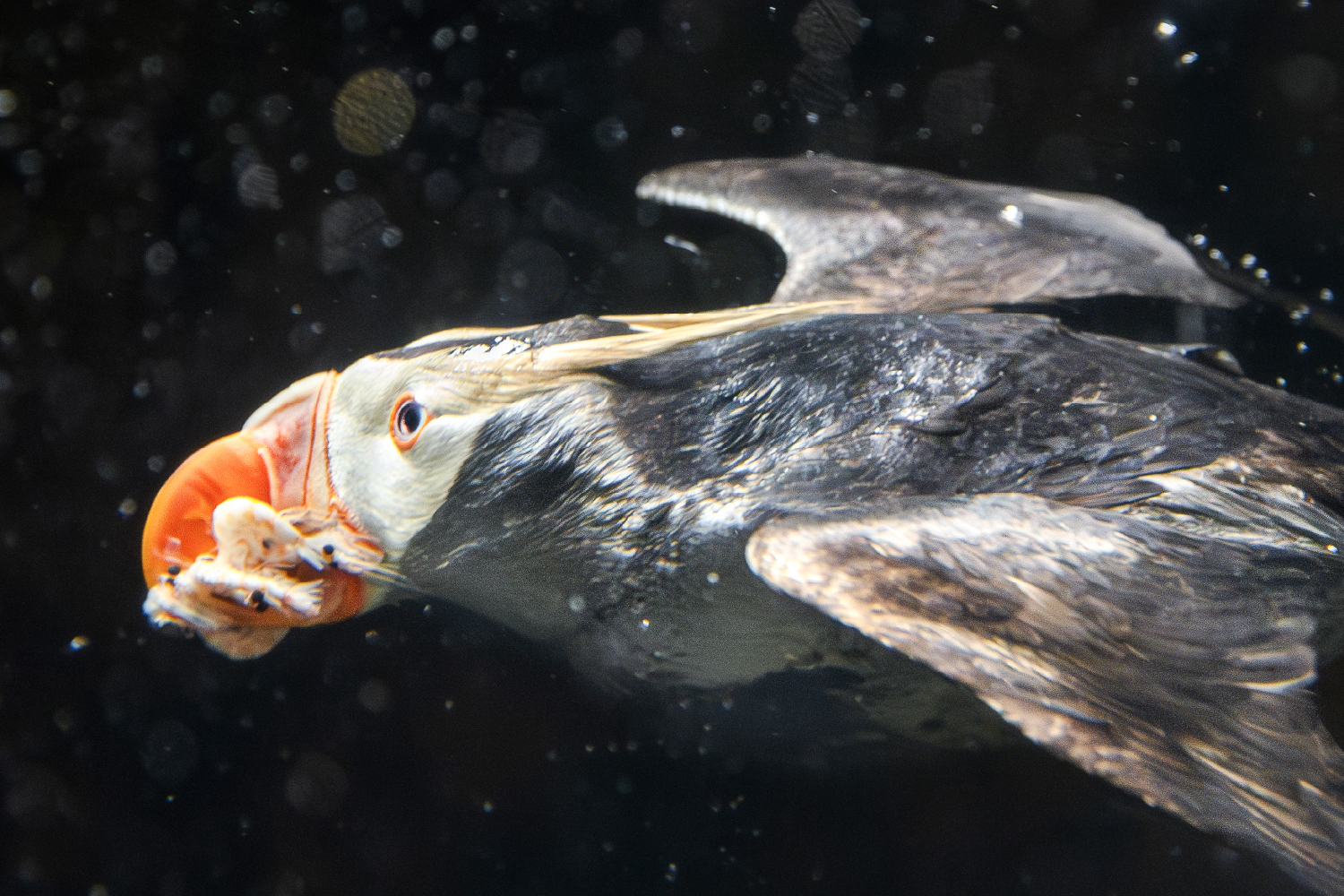
Through the different habitats of Common Murre and penguins, you will learn about the evolution and adaptation of their shapes to underwater life, and then deepen your understanding by observing the penguins and Common Murre in the aquarium.
Lecture Room
Maximum of about 80 people
half an hour
Tuna Studies at the Aquarium
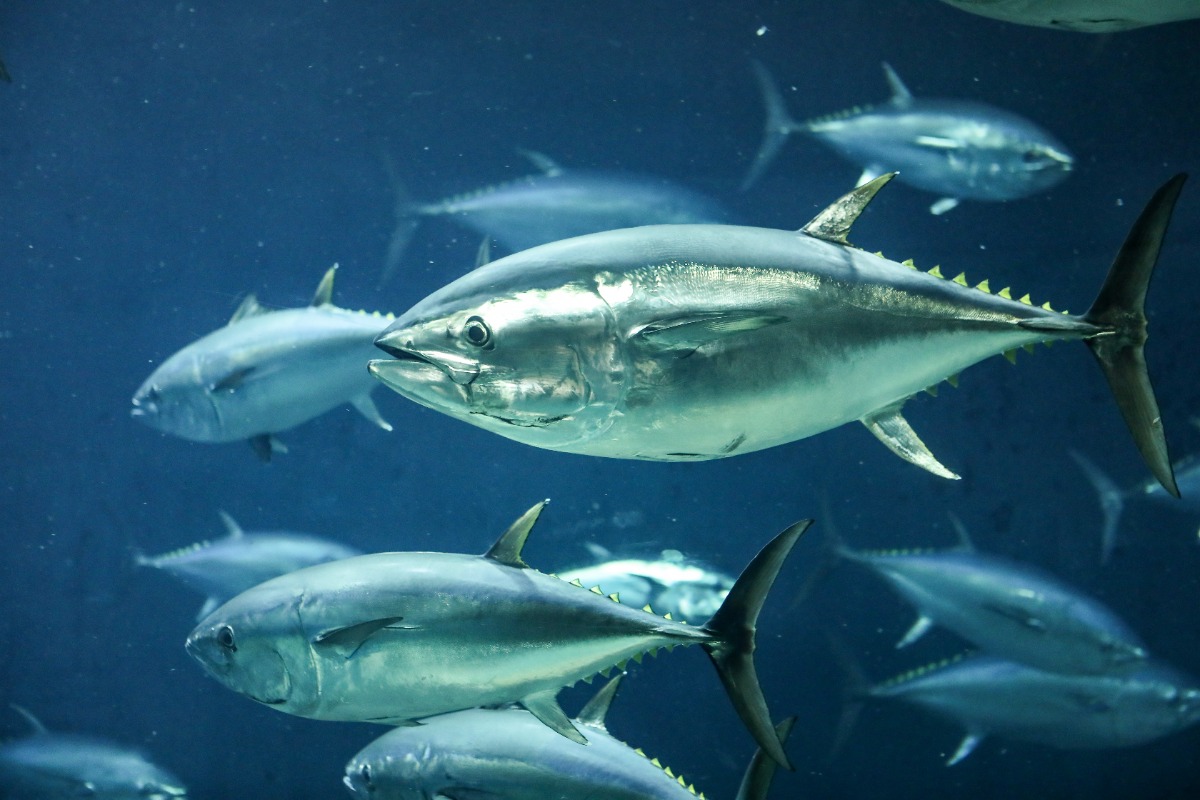
This program will help you understand how tuna's morphology and ecology are adapted to the open ocean environment, and deepen your observation of tuna in an aquarium. It will also introduce you to its relationship with Japanese people, including fishing methods, aquaculture, and consumption.
Lecture Room
Maximum of about 80 people
half an hour
To continue eating my favorite tuna
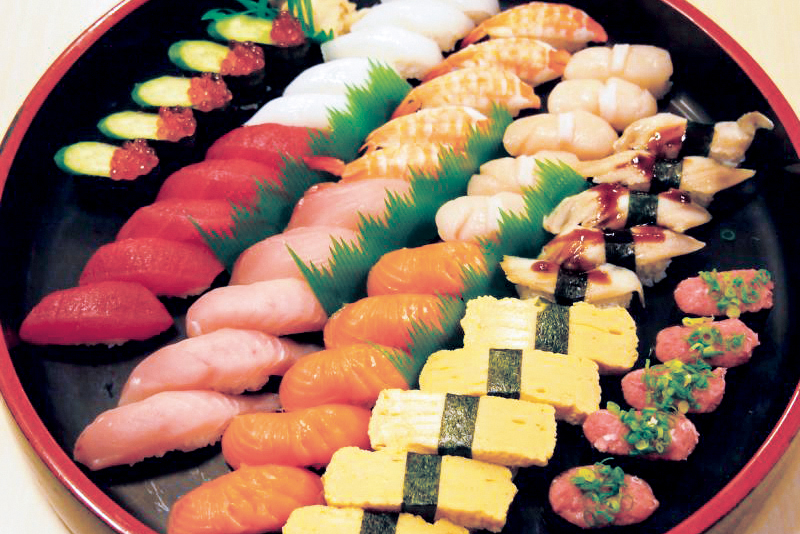
If things continue like this, we may no longer be able to eat tuna! After learning about the ecology of Pacific Bluefin Tuna, we will think together about issues surrounding tuna, such as declining resource numbers and efforts to restore resources.
Lecture Room
Maximum of about 80 people
half an hour
What are tidal flats like?
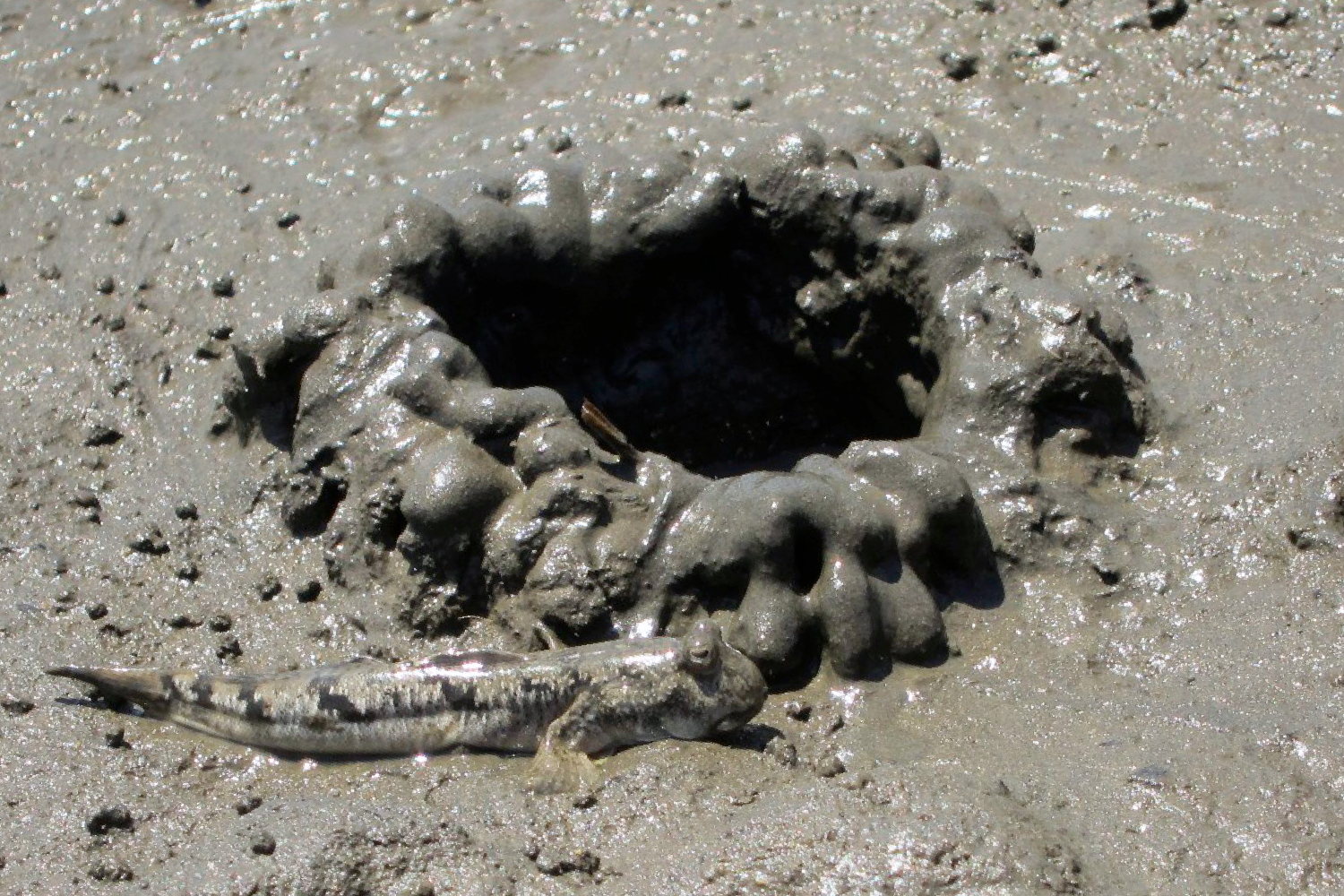
Students will gain a deeper understanding of how tidal flat creatures have adapted their physical structures and lifestyles to their environment. They will also think about the role of tidal flats and how to conserve them through experiments.
Kasai Seaside Park "West Beach"
Maximum of 35 people
Over 1 hour (negotiable) *Only available during low tide on spring tides