

Group program for 5th and 6th graders
think
think
Students will learn by inferring the relationship between the structure of living organisms' bodies and the environments in which they live.
Comparing with other species will help us understand the diversity of living things and environments.
Careful observation of sea urchins, starfish, and sea cucumbers
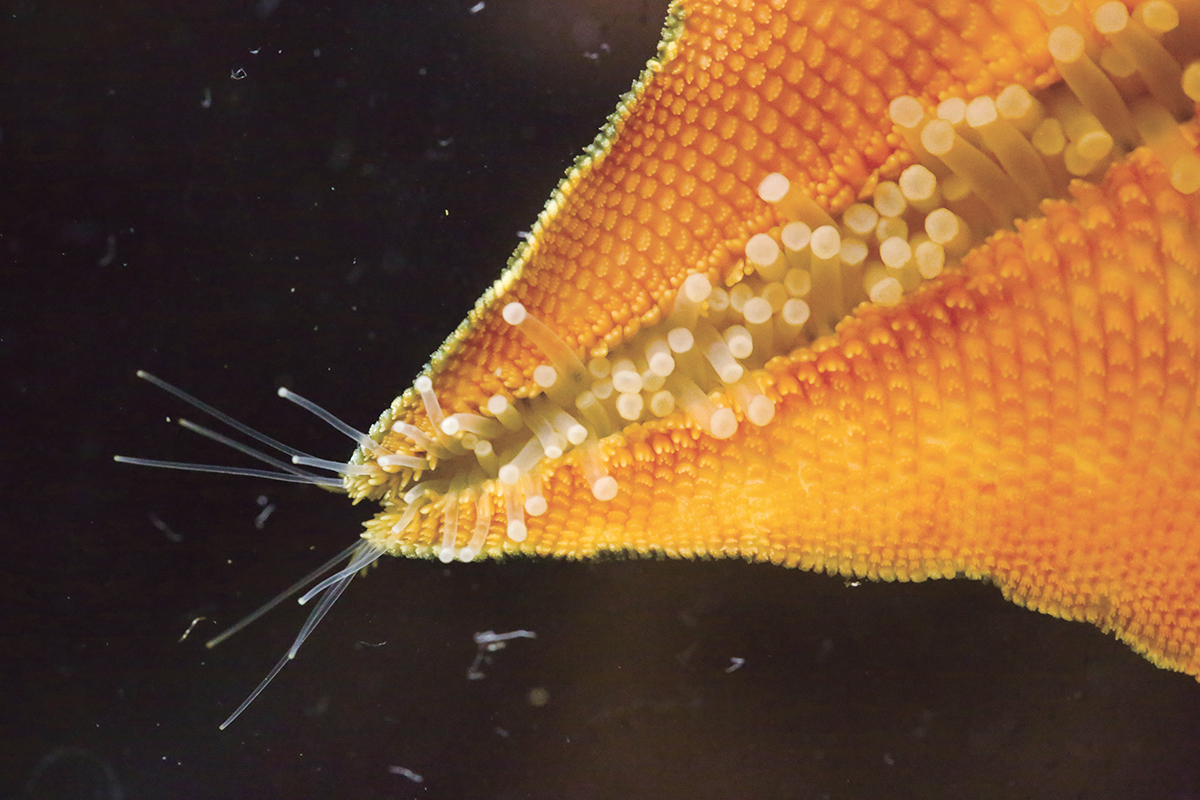
By observing the body structures and movements of sea urchins, starfish, and sea cucumbers that live on the shoreline through video, children will learn about their relationship to daily life. By comparing them, they will discover commonalities and learn that they are in fact the same family of echinoderms.
Lecture Room
Maximum of about 80 people
half an hour
This is the shape of this life
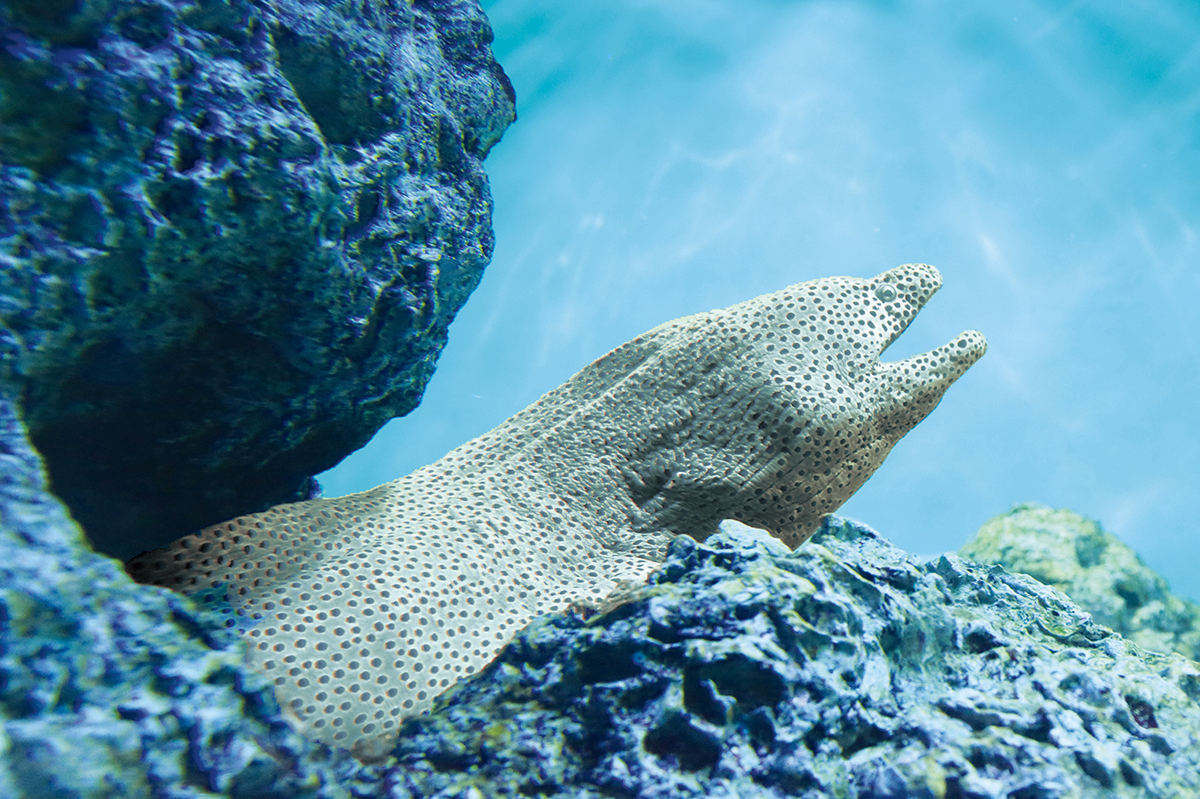
Students will observe the various shapes and structures of fish bodies through videos and other means, and think about what kind of lifestyles and environments those shapes and structures are suited to. This will make subsequent observations in the aquarium more enjoyable and effective.
Lecture Room
Maximum of about 80 people
half an hour
Familiar aquatic creatures and human life
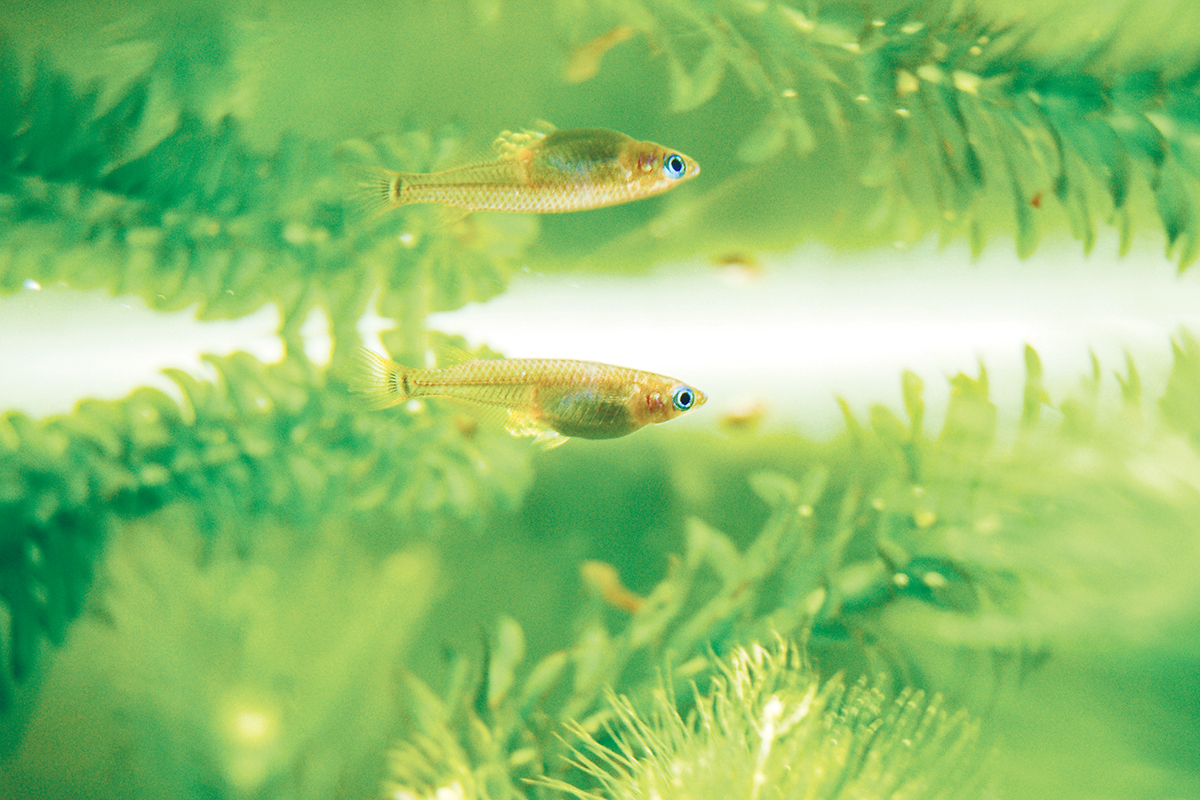
Through video, children will learn about the body structure and life cycle of frogs and killifish, and learn about the environment they live in. They will also think about how this environment has changed due to human life.
Lecture Room
Maximum of about 80 people
half an hour
To fly or not to fly?
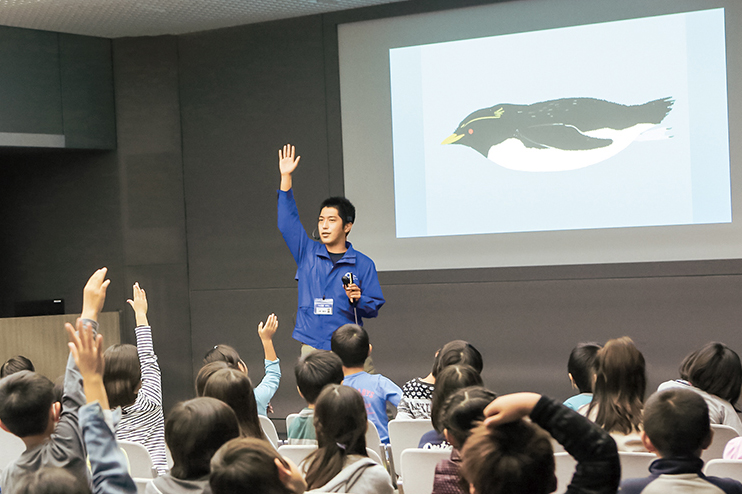
Flying Common Murre and flightless penguins are both birds that have adapted to life in the sea, but if you observe them closely, you will discover many differences related to whether they fly or not. Let's compare the two species and think about their adaptation to the water.
Lecture Room
Maximum of about 80 people
half an hour
Tuna swimming Fish life
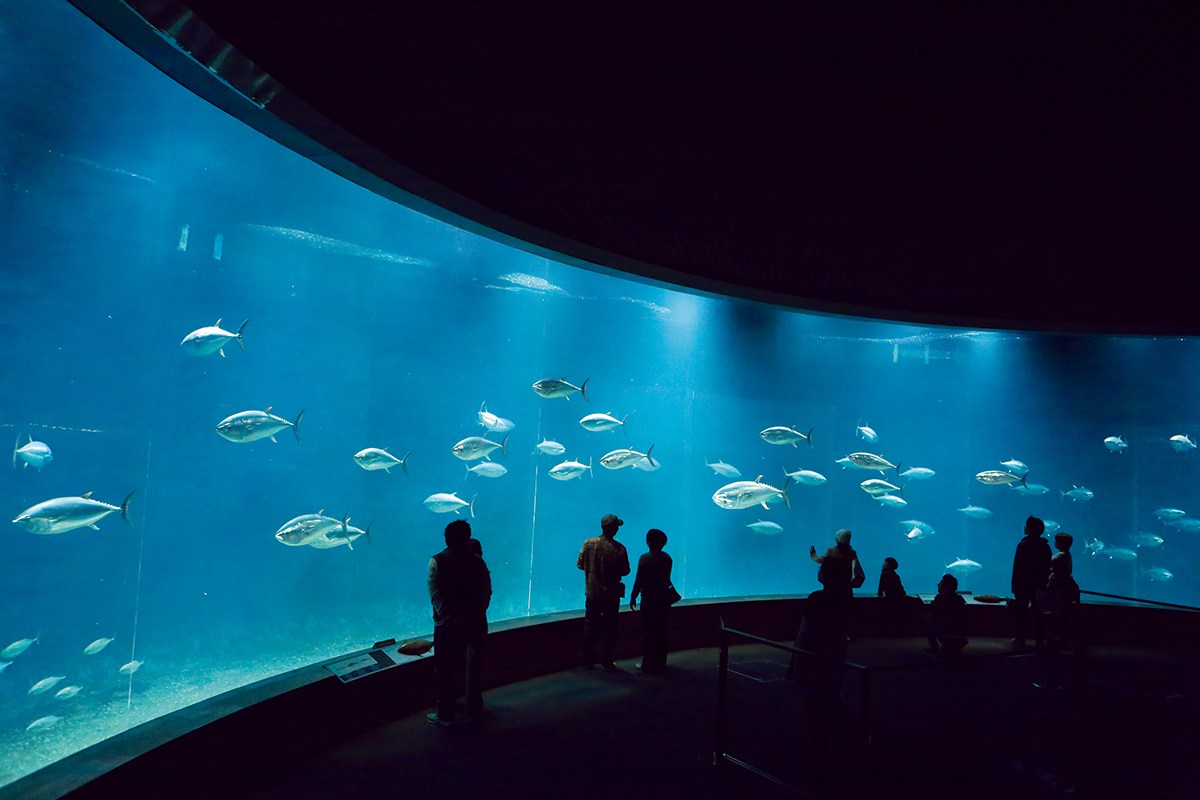
Using video footage, students will observe in detail the body structure and swimming style of tuna, and infer how these are adapted to life in the open ocean. Furthermore, by comparing the body structure and swimming style of other fish, students will gain an understanding of fish diversity.
Lecture Room
Maximum of about 80 people
half an hour
Seafood from around the world
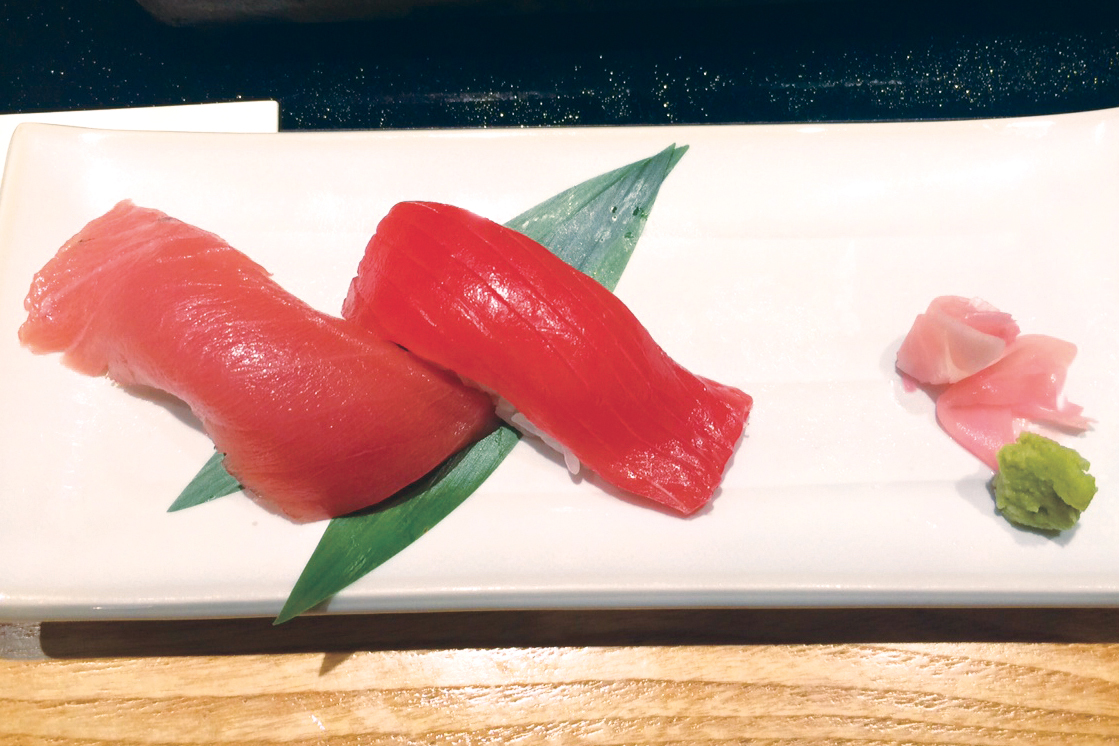
We eat a variety of marine creatures. Learn about the lives of these creatures and consider the current situation in which tuna, octopus, and other marine creatures are imported from unexpected places around the world.
Lecture Room
Maximum of about 80 people
half an hour
Tidal flats are amazing!!
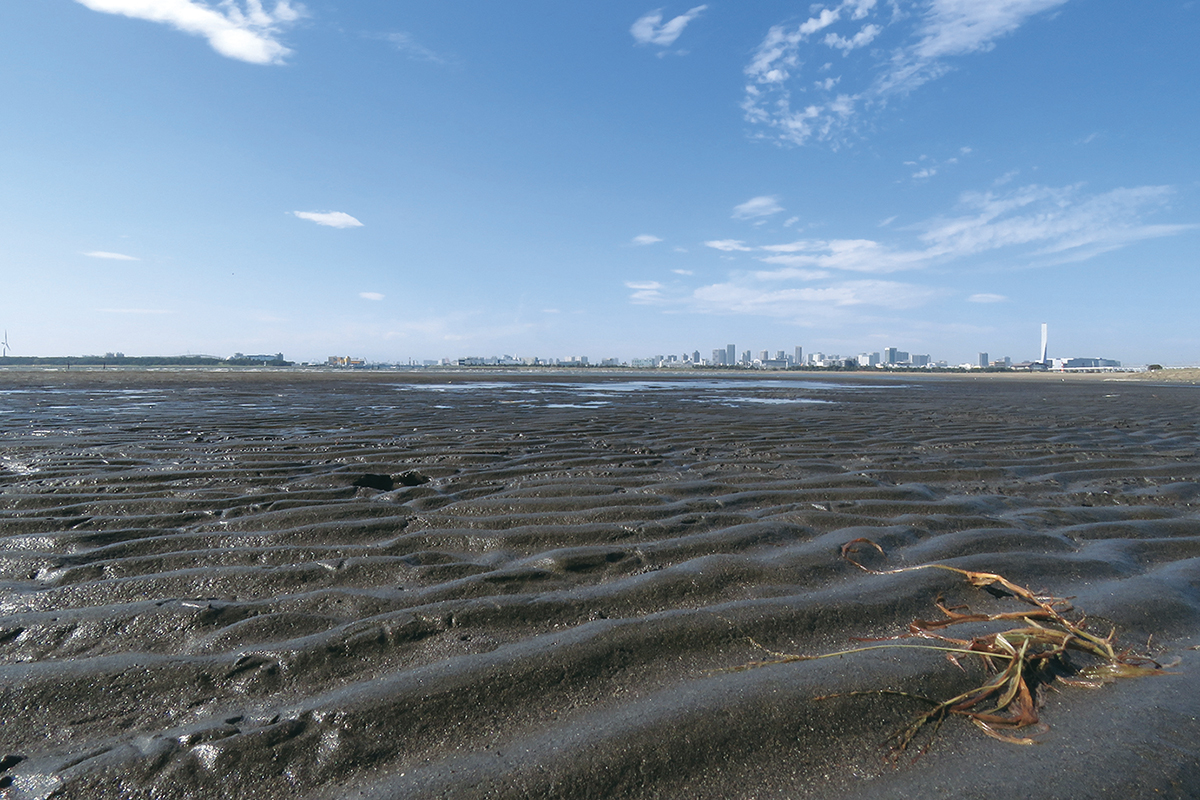
Observe the creatures at West Beach in Kasai Seaside Park. You will experience firsthand the diverse creatures that live on the tidal flats, adapted to their environment, and learn about the role of tidal flats through experiments.
Kasai Seaside Park "West Beach"
Maximum of 35 people
Over 1 hour (negotiable) *Only available during low tide on spring tides
Raising Medaka (for 5th graders)
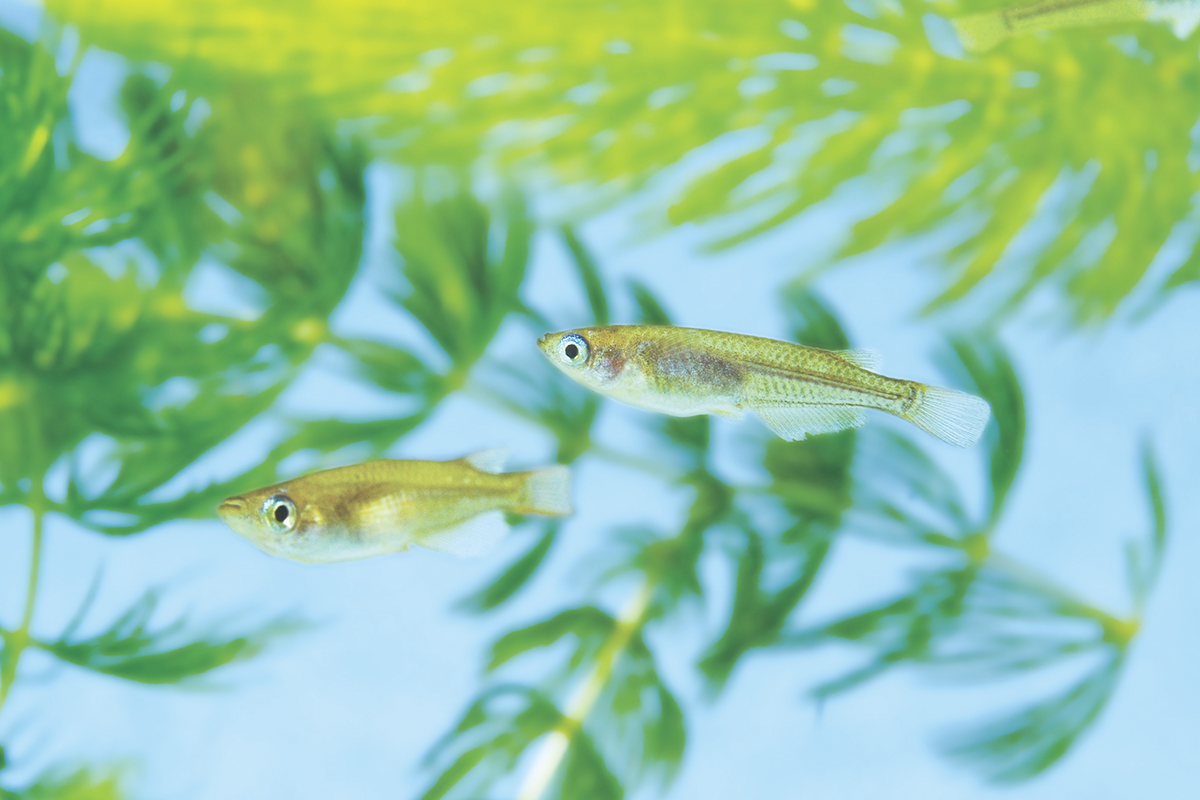
In addition to learning how to raise medaka in the classroom, students will also learn about the life and habitat of medaka, as well as issues surrounding medaka, such as their release into the wild.
Lecture Room
Maximum of about 80 people
half an hour