

Hardworking sea snails
September 25, 2026
Have you ever heard of a creature called "Tatsunamigai"? When you hear the name, you might imagine a bivalve like a Japanese Carpet Shell or a gastropod like a turban shell, but it has a rather unusual shape.
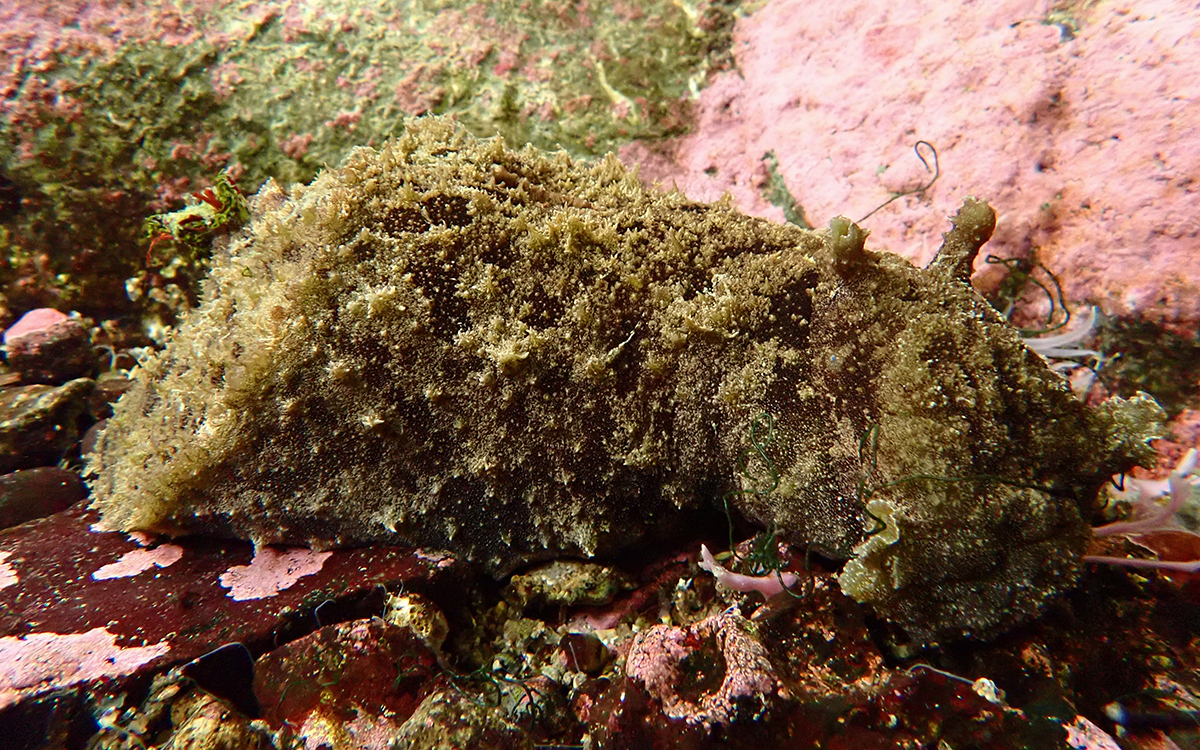
The sea hare (Tatsunamigai) is a type of sea slug with a texture resembling a rocky surface covered in algae, covered with many small protrusions. At first glance, it doesn't look like a shell, but it is classified as a proper mollusk. It has a shell inside its body, covered by a soft tissue, so it cannot be seen from the outside. The shape of this shell resembles a rising wave (tatsunami) in the ocean, which is the origin of its name.
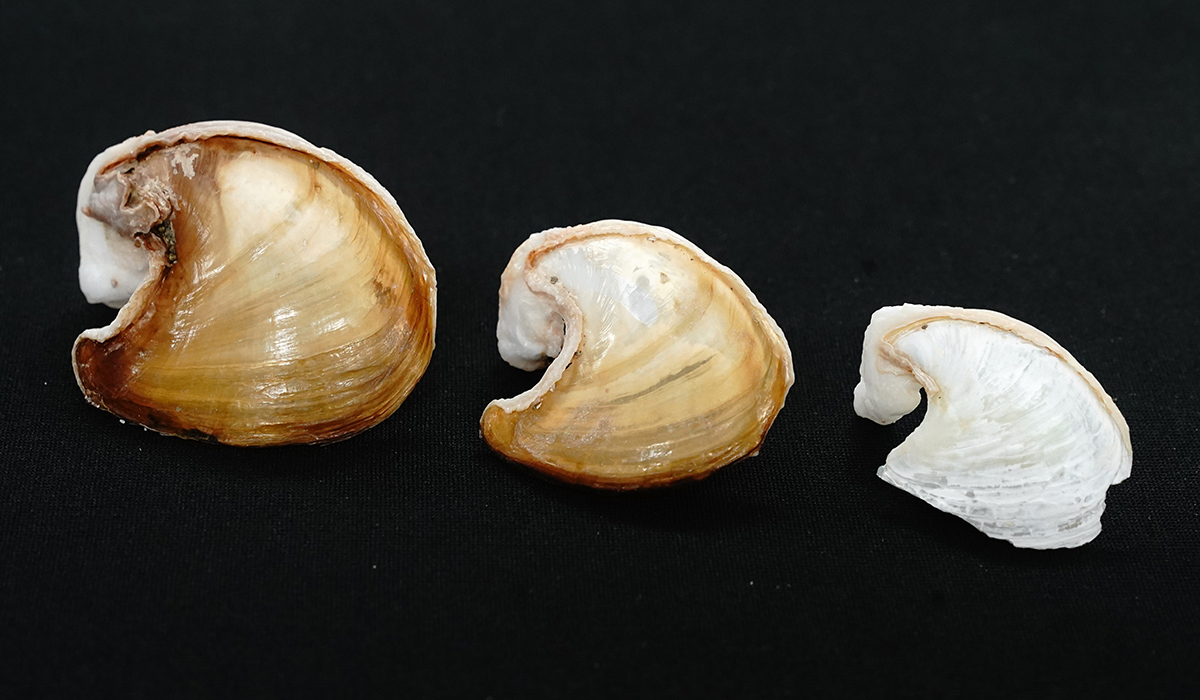
The sea slug (Tatsunamigai) is on display in the "Tokyo Bay Bell-ware Bed" tank in the "Tokyo Sea" area of Tokyo Sea Life Park Aquarium. In this tank, seagrass, a type of Bell-ware is cultivated. Strong lighting is used to allow Bell-ware to photosynthesize, and sunlight also enters the tank, so various algae quickly grow and the tank becomes dirty.
Therefore, we were diving in every week to clean and remove the algae, but the algae were growing faster and gradually accumulating on the sand. Then, at the end of January this year (2026), we brought in sea slugs, and the algae that had accumulated on the sand disappeared in no time.
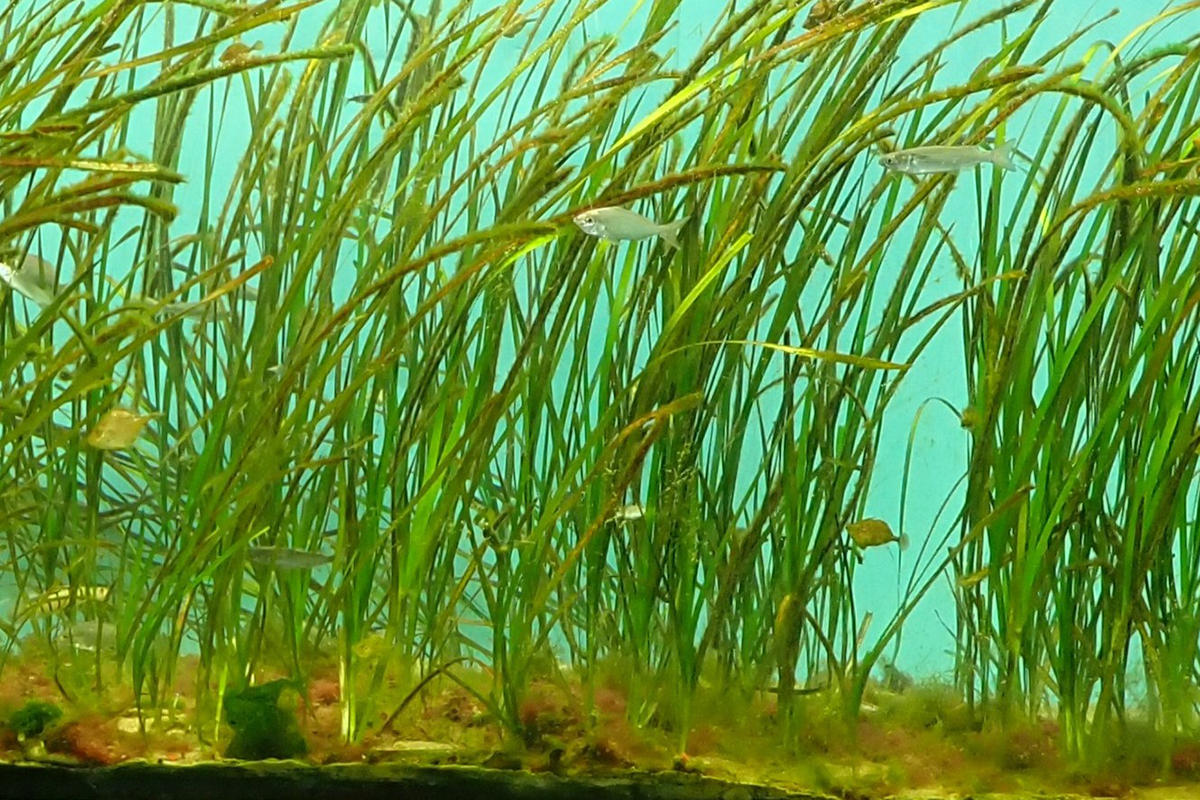
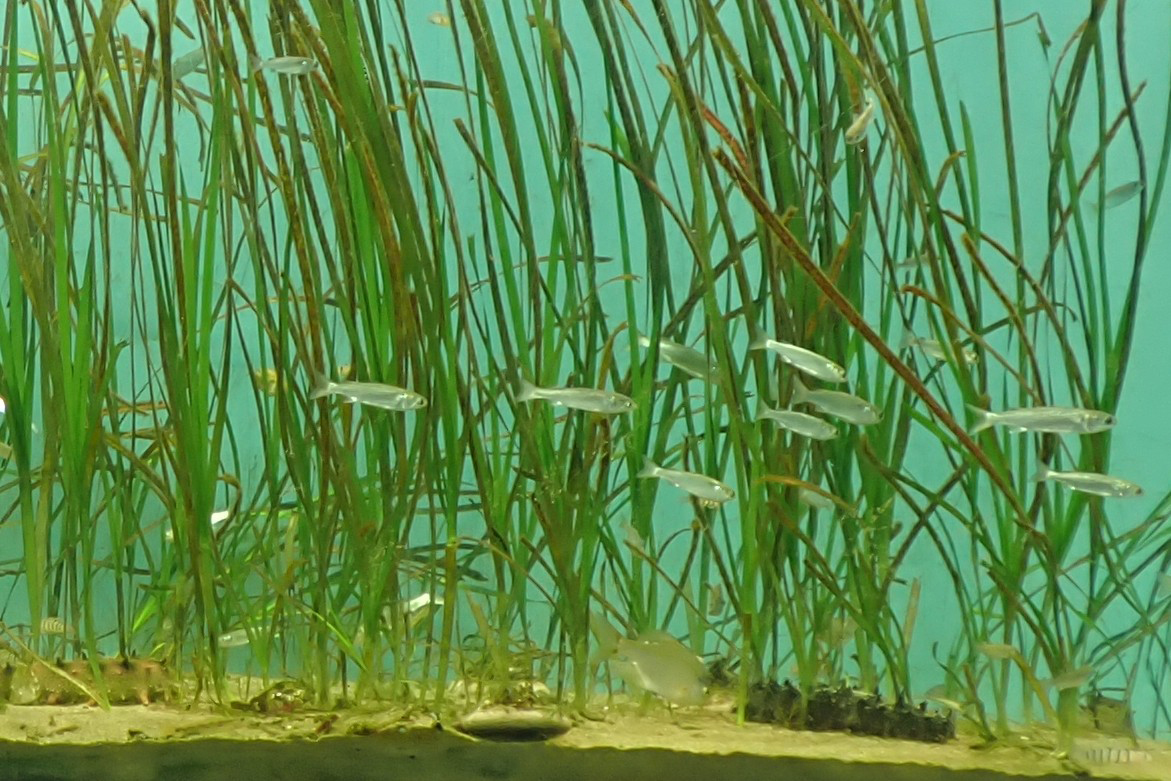
Amazingly, a sea slug was eating it! We were also able to observe how it eats using an organ called a "radula" in its mouth.
Algae, which are an important food source for sea slugs, are a source of trouble for animal keeper. Sea slugs, which eat algae and keep the tank clean, are reliable cleaning professionals.
However, these hardworking sea snails don't show themselves much during the day. If you look carefully, you'll find signs that the sand has been dug up, and something buried in the sand. In fact, they can burrow into the sand. They are basically nocturnal, and during the day they often burrow into the sand or rest in a corner.
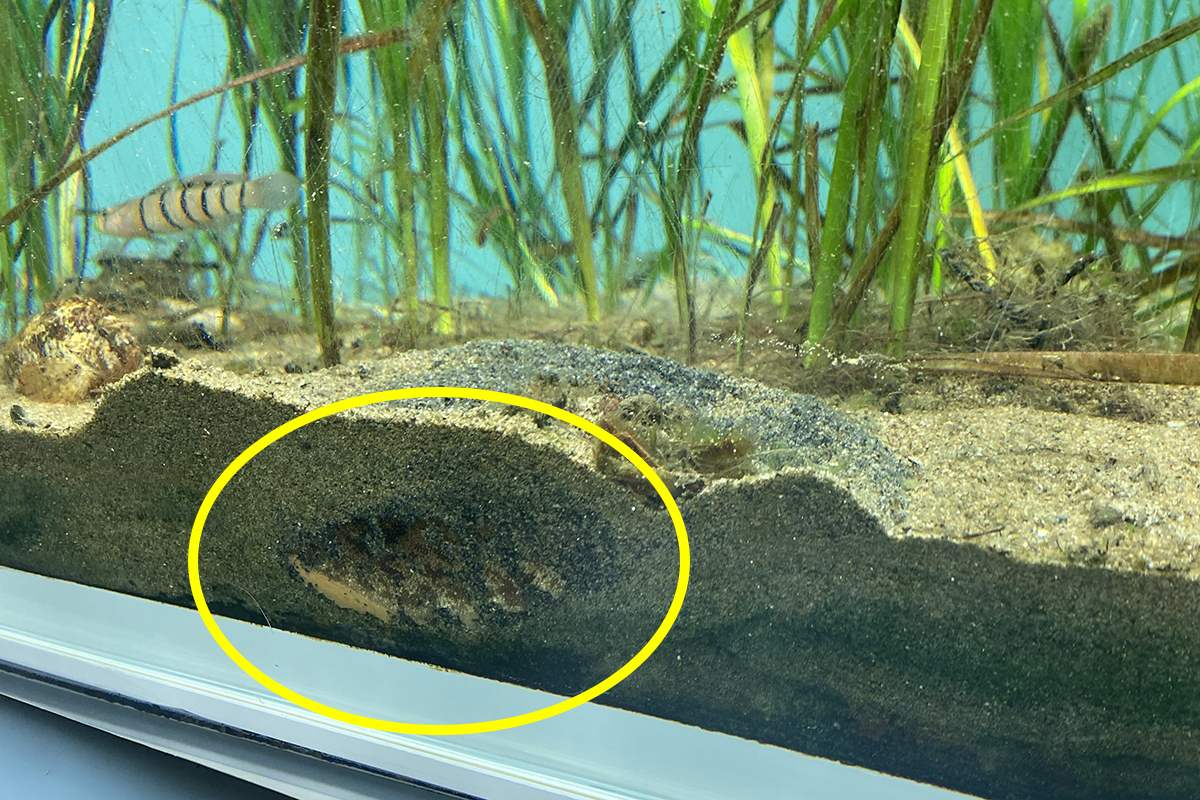
They are also on display in the tide pools in the shallow area of the "Creatures of the Shore" tank, but they look like moss-covered stones, so they may be quite difficult to find. Look carefully and try to find the sea slugs, which are good at hiding.
[Kotaro Sakamoto, Animal Care and Exhibition Staff, Tokyo Sea Life Park]