

Zoo Stock Species and the Red List
Zoo Stock Species and the Red List
Zoo Stock
This indicates that the species is included in the Second Zoo Stock Plan, which was formulated by the Tokyo Metropolitan Government in 2018. The plan sets goals for the next 10 years in three areas: "species conservation," "contribution to wildlife conservation," and "environmental education and conservation awareness." 124 animal species are included.
What is the Red List?
Based on scientific research, this is a list of wildlife classified by rank (category) indicating the degree of risk of extinction.
Livng Things Encyclopedia shows the categories (mainland and islands) assessed by the IUCN (International Union for Conservation of Nature) at the global level, the Ministry of the Environment for Japan, and the Tokyo Metropolitan Government for Tokyo.
The higher the category in each table, the higher the risk of extinction, and CR, EN, and VU are the three categories known as "endangered species." In Tokyo, species that are not at the NT (near threatened) level but are relatively rare are considered "species of concern."
|
IUCN categories |
|
|---|---|
|
EX |
extinction |
|
EW |
Extinction in the wild |
|
CR+EN |
— |
|
CR |
Serious crisis |
|
EN |
crisis |
|
VU |
emergency |
|
NT |
Near Threatened |
|
LC・○ |
Low Concern |
|
DD |
Data shortage |
|
LP |
— |
|
Japan (Ministry of the Environment) Category |
|
|---|---|
|
EX |
extinction |
|
EW |
Extinction in the wild |
|
CR+EN |
Endangered species |
|
CR |
Critically Endangered |
|
EN |
Endangered species |
|
VU |
Endangered species |
|
NT |
Near Threatened |
|
LC・○ |
— |
|
DD |
Lack of information |
|
LP |
Endangered |
|
Tokyo Category |
|
|---|---|
|
EX |
extinction |
|
EW |
Extinction in the wild |
|
CR+EN |
Endangered species |
|
CR |
Critically Endangered |
|
EN |
Endangered species |
|
VU |
Endangered species |
|
NT |
Near Threatened |
|
LC・○ |
Unranked |
|
DD |
Lack of information |
|
LP |
Endangered |
Creatures at Tama Zoo
Creatures at Tama Zoo
Japanese Hare
Subspecies: Tohoku Japanese Hare
Japanese Hare
Subspecies: Tohoku Japanese HareLepus brachyurus angustidens
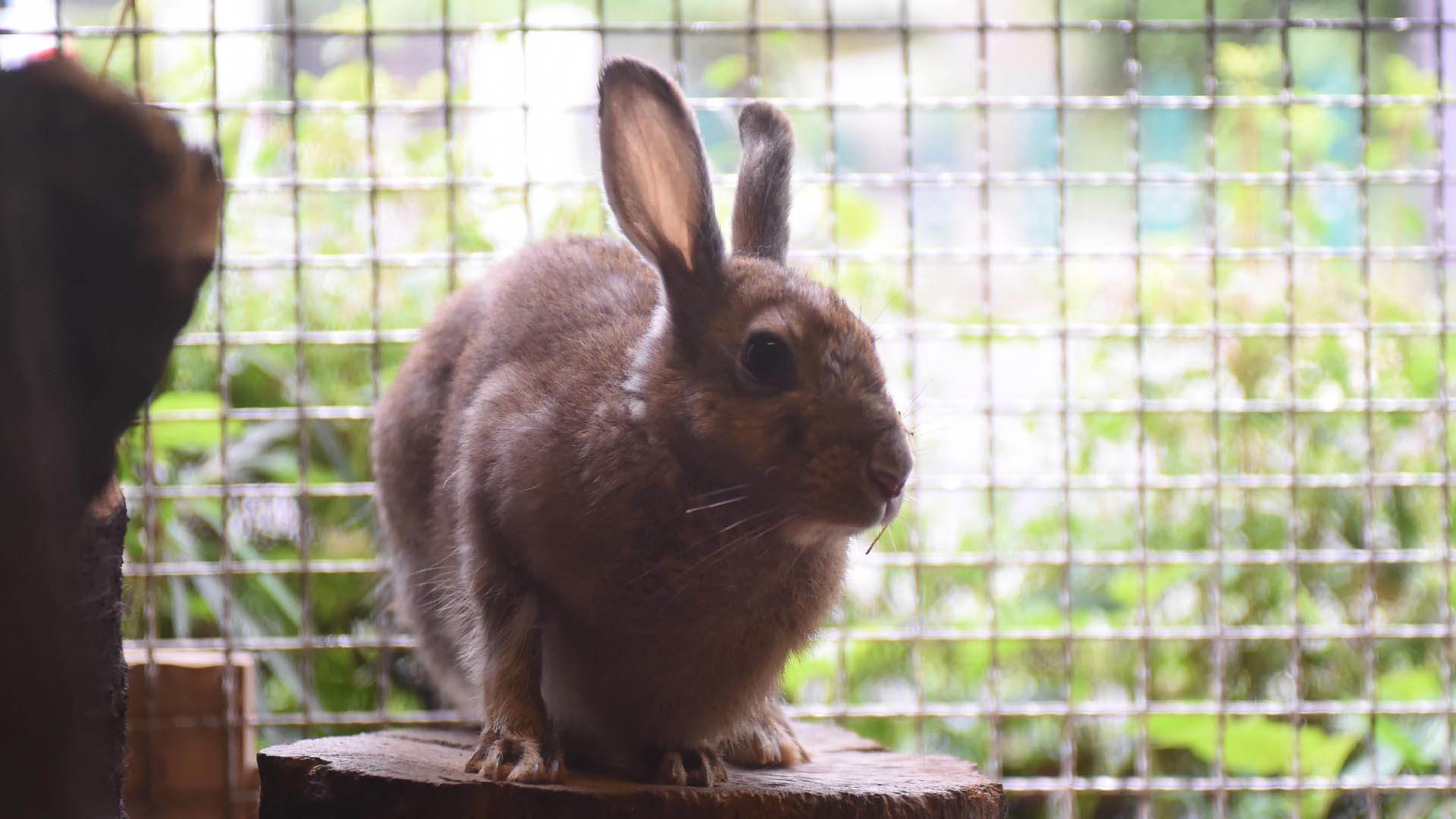
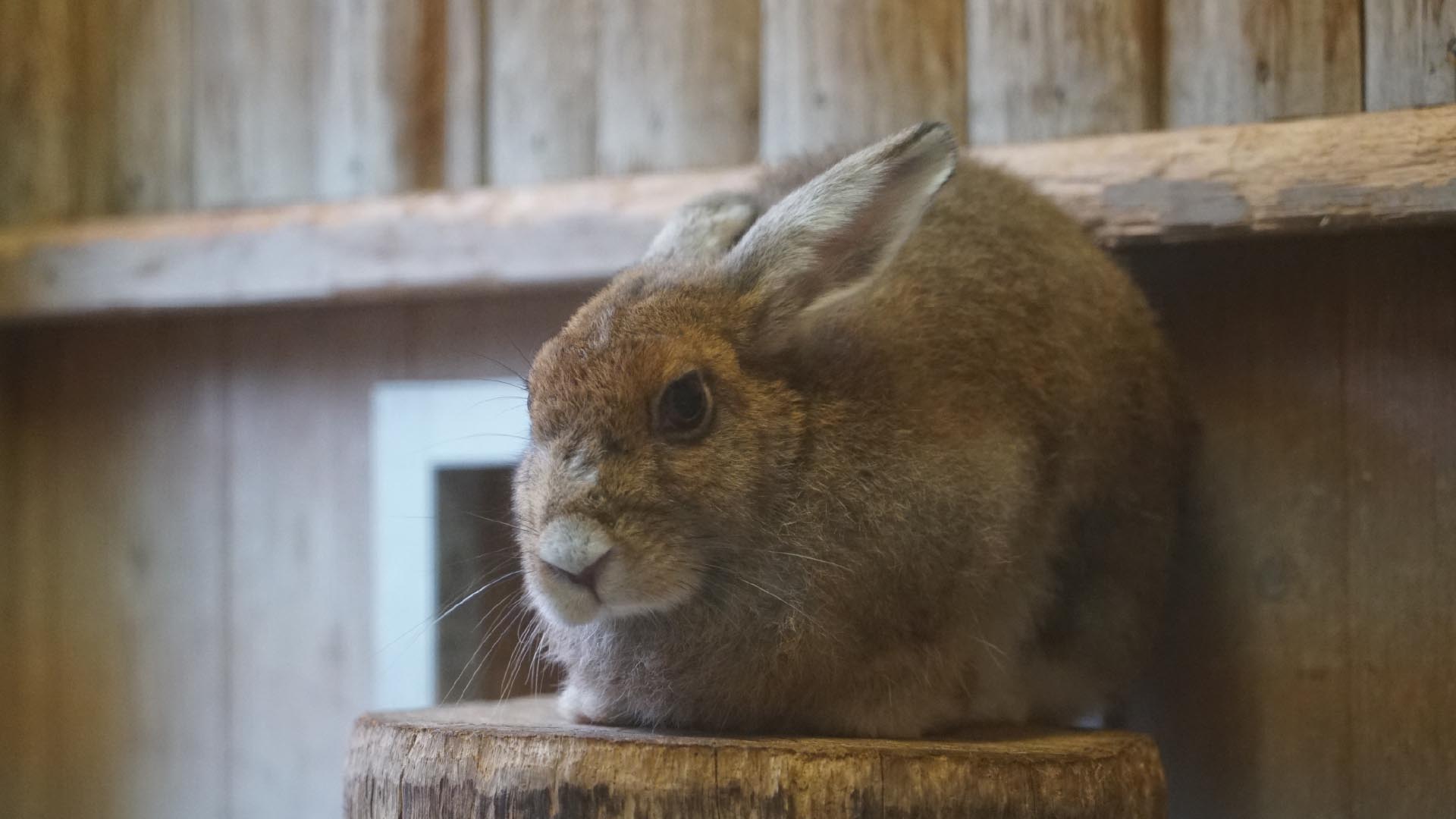
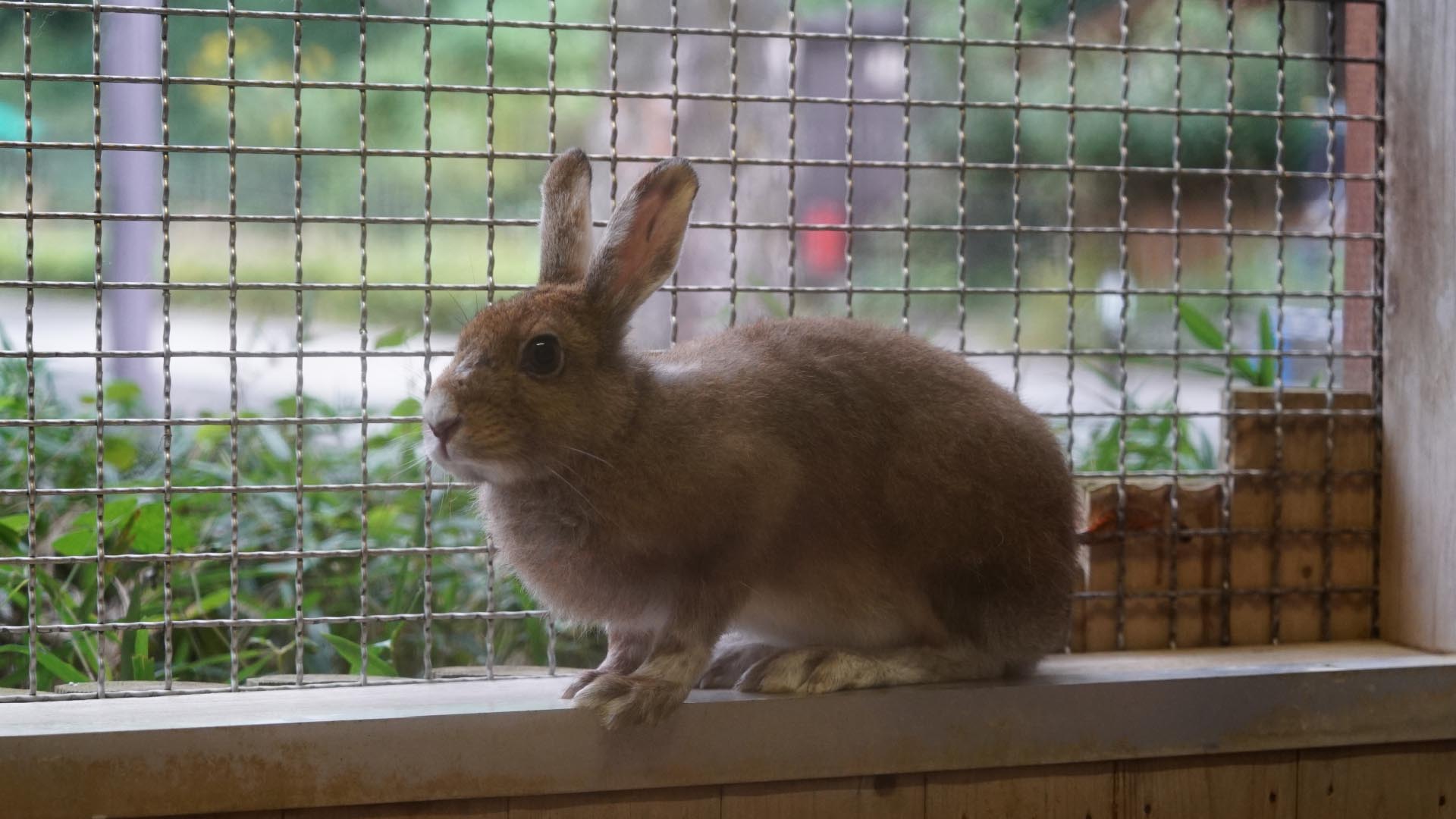
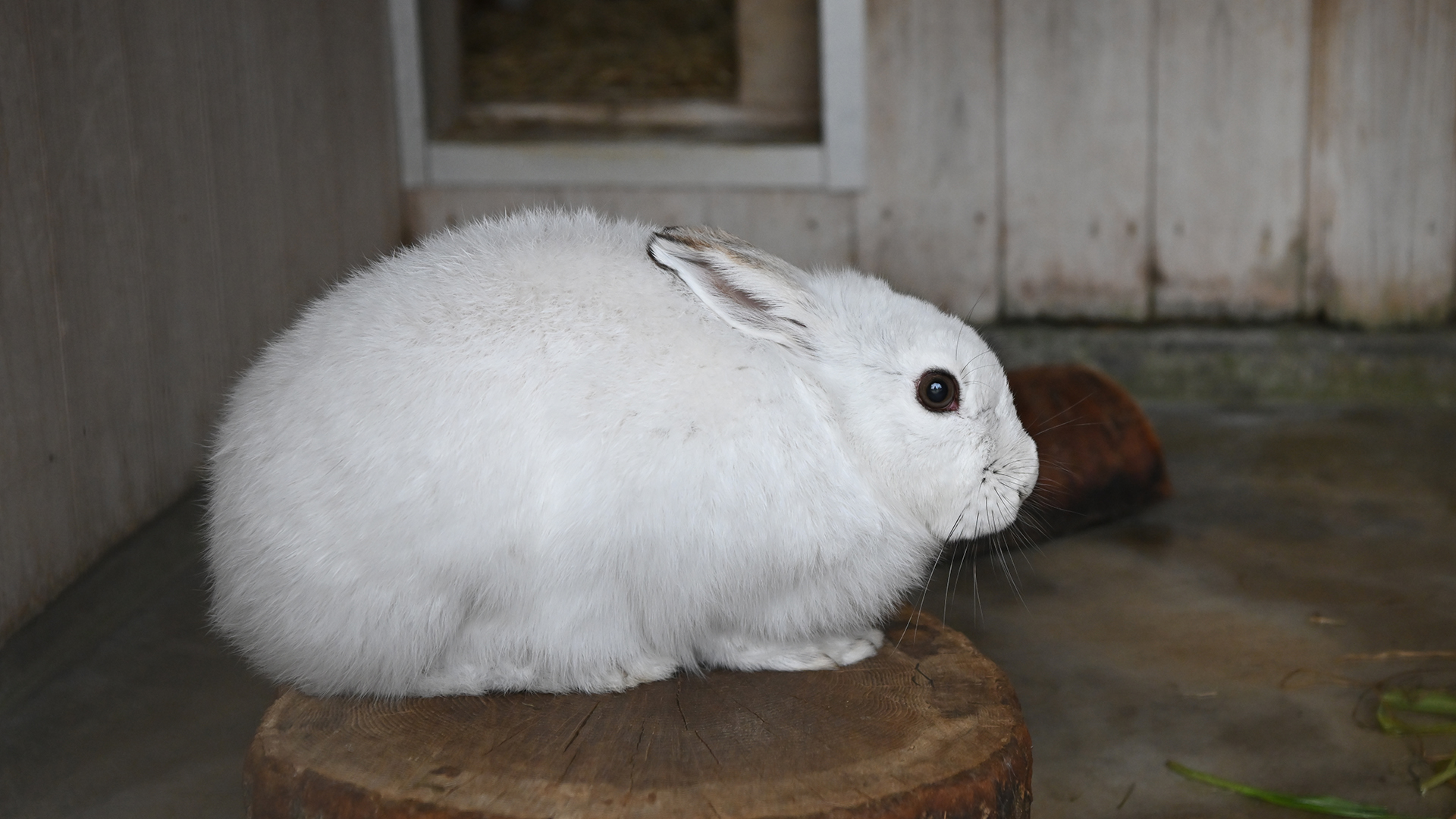
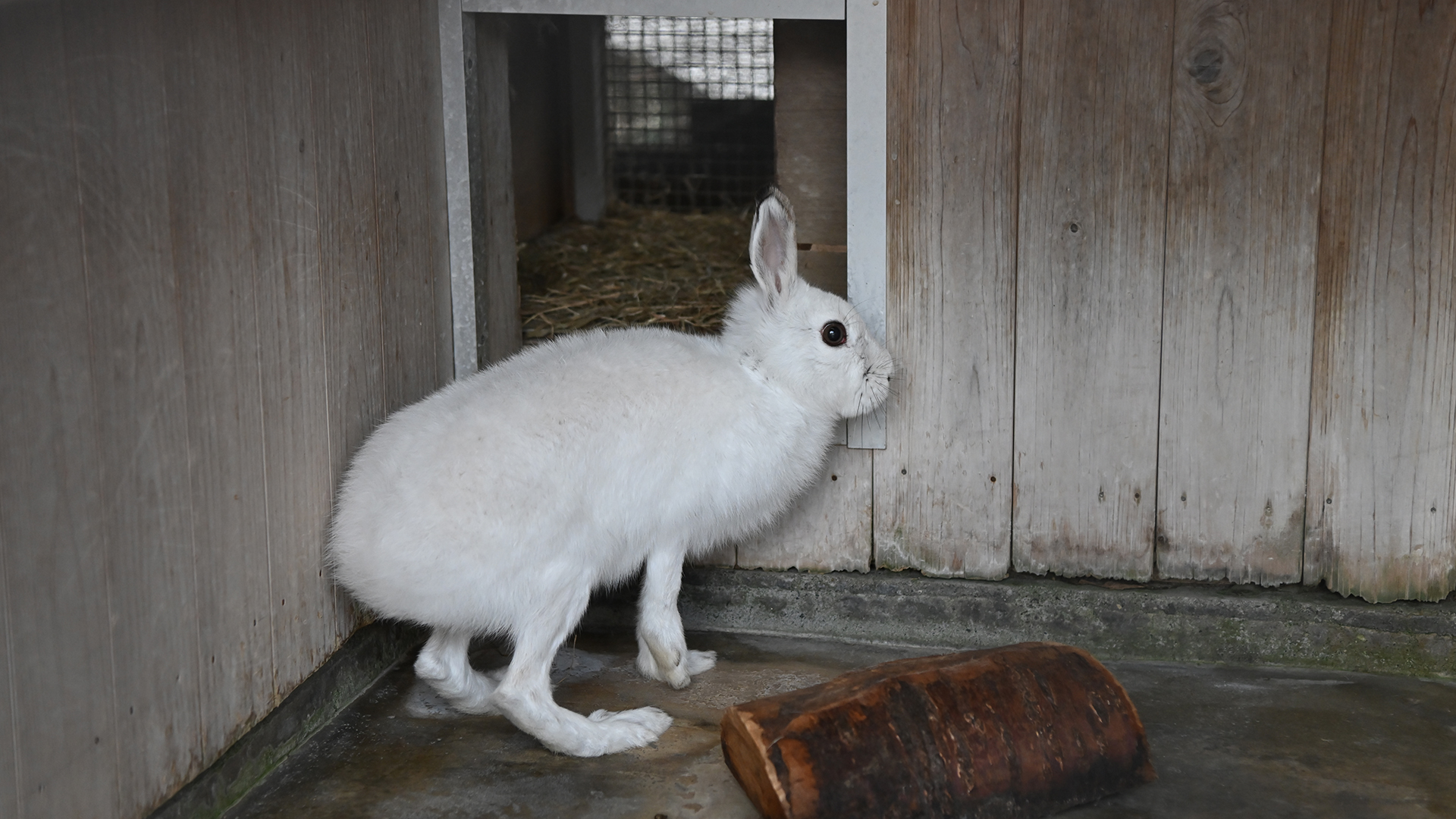
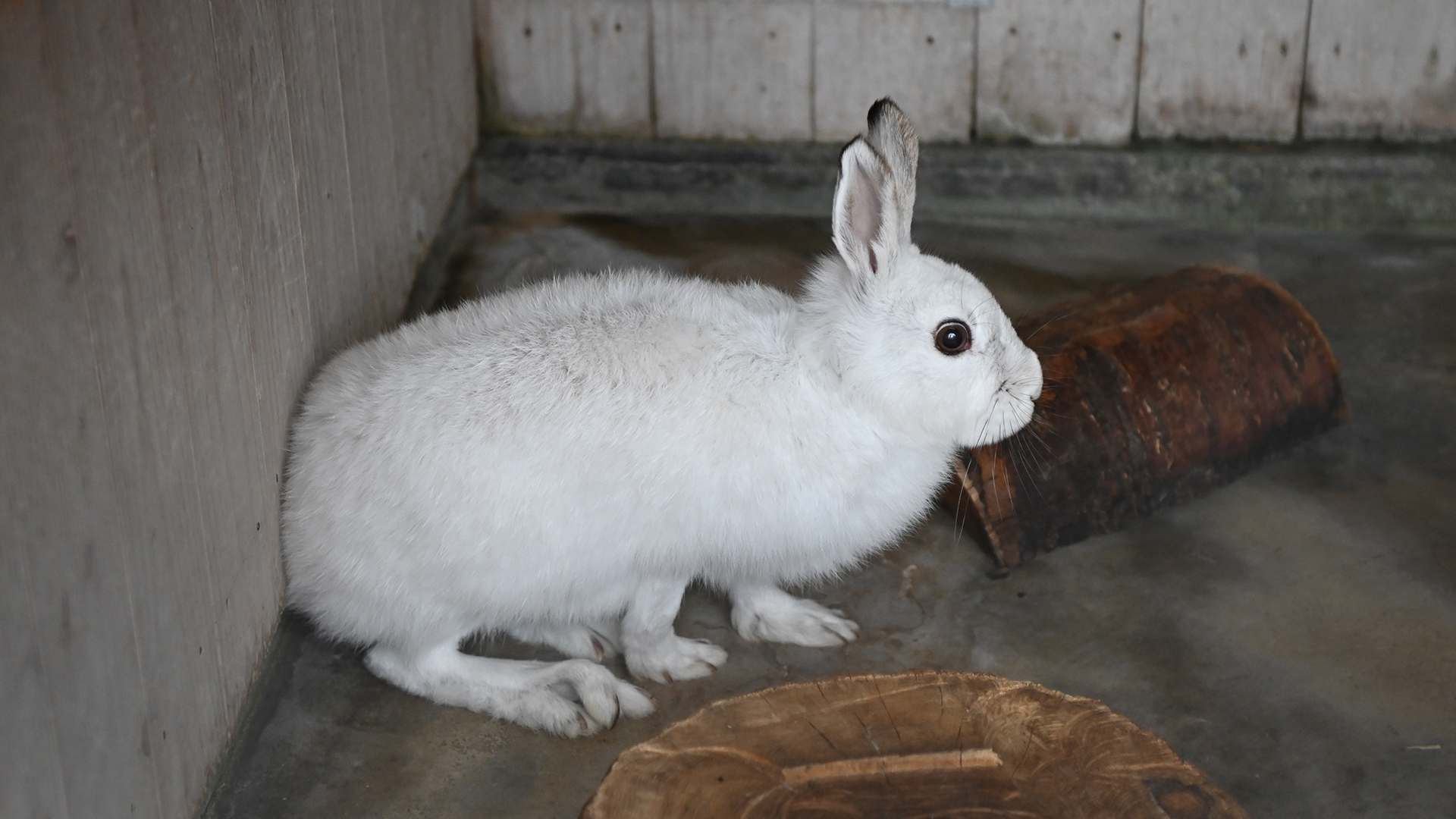
This subspecies of Japanese Hare lives in snowy regions. It does not dig holes to build nests, and is generally solitary. It comes out at night to grasslands and deforested areas where food is plentiful, and rests in the bushes or in the shade of rocks during the day.
| classification | Mammalia, Lagomorpha, Leporidae |
|---|---|
| English name | Tohoku Japanese Hare |
| distribution | Japan (Tohoku to the Sea of Japan side of Honshu) |
| Residence | Plains to mountain grasslands and forests |
| Size |
Head torso length: 45-54cm
Ear length: 7-8cm Tail length: 2-4cm Weight: 2.2-2.8 kg |
| food | Buds, leaves, grass, tree branches, bark |
| Red List |
IUCN: LC (Least Concern)
Tokyo: ○ (not ranked) |
Body color
During the summer, their entire body is brown, but during the winter, they turn completely white, blending in with the snowy scenery. In autumn, as the days get shorter, their fur begins to turn white. At this time, new white fur does not grow, but rather the pigment in the brown fur is lost, causing it to turn white. In spring, as the days get longer, the white fur falls out and is replaced by brown fur.
How a child is born
The young are born well developed: their eyes are already open, they have a full coat of fur, and they are able to move around immediately after birth.