

Zoo Stock Species and the Red List
Zoo Stock Species and the Red List
Zoo Stock

This indicates that the species is included in the Second Zoo Stock Plan, which was formulated by the Tokyo Metropolitan Government in 2018. The plan sets goals for the next 10 years in three areas: "species conservation," "contribution to wildlife conservation," and "environmental education and conservation awareness." 124 animal species are included.
What is the Red List?
Based on scientific research, this is a list of wildlife classified by rank (category) indicating the degree of risk of extinction.
Livng Things Encyclopedia shows the categories (mainland and islands) assessed by the IUCN (International Union for Conservation of Nature) at the global level, the Ministry of the Environment for Japan, and the Tokyo Metropolitan Government for Tokyo.
The higher the category in each table, the higher the risk of extinction, and CR, EN, and VU are the three categories known as "endangered species." In Tokyo, species that are not at the NT (near threatened) level but are relatively rare are considered "species of concern."
|
IUCN categories |
|
|---|---|
|
EX |
extinction |
|
EW |
Extinction in the wild |
|
CR+EN |
— |
|
CR |
Serious crisis |
|
EN |
crisis |
|
VU |
emergency |
|
NT |
Near Threatened |
|
LC・○ |
Low Concern |
|
DD |
Data shortage |
|
LP |
— |
|
Japan (Ministry of the Environment) Category |
|
|---|---|
|
EX |
extinction |
|
EW |
Extinction in the wild |
|
CR+EN |
Endangered species |
|
CR |
Critically Endangered |
|
EN |
Endangered species |
|
VU |
Endangered species |
|
NT |
Near Threatened |
|
LC・○ |
— |
|
DD |
Lack of information |
|
LP |
Endangered |
|
Tokyo Category |
|
|---|---|
|
EX |
extinction |
|
EW |
Extinction in the wild |
|
CR+EN |
Endangered species |
|
CR |
Critically Endangered |
|
EN |
Endangered species |
|
VU |
Endangered species |
|
NT |
Near Threatened |
|
LC・○ |
Unranked |
|
DD |
Lack of information |
|
LP |
Endangered |
Creatures at Tama Zoo
Creatures at Tama Zoo
Sugar Glider
Sugar Glider
Petaurus breviceps
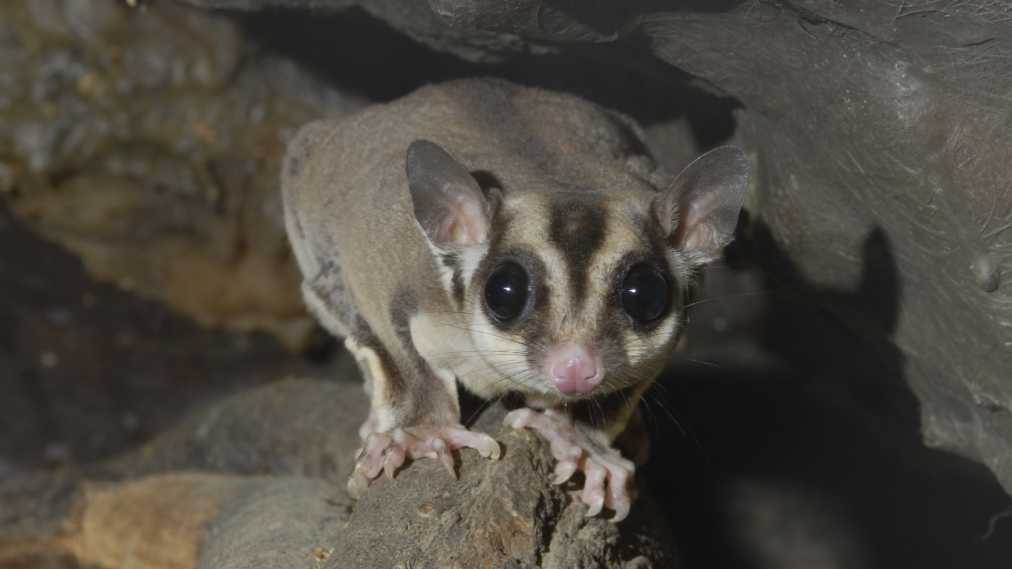
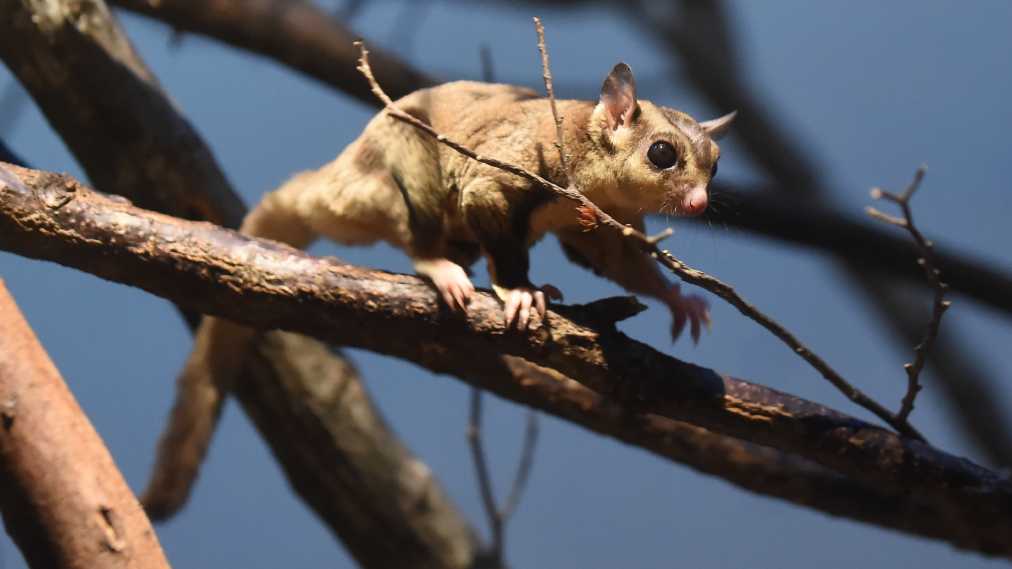
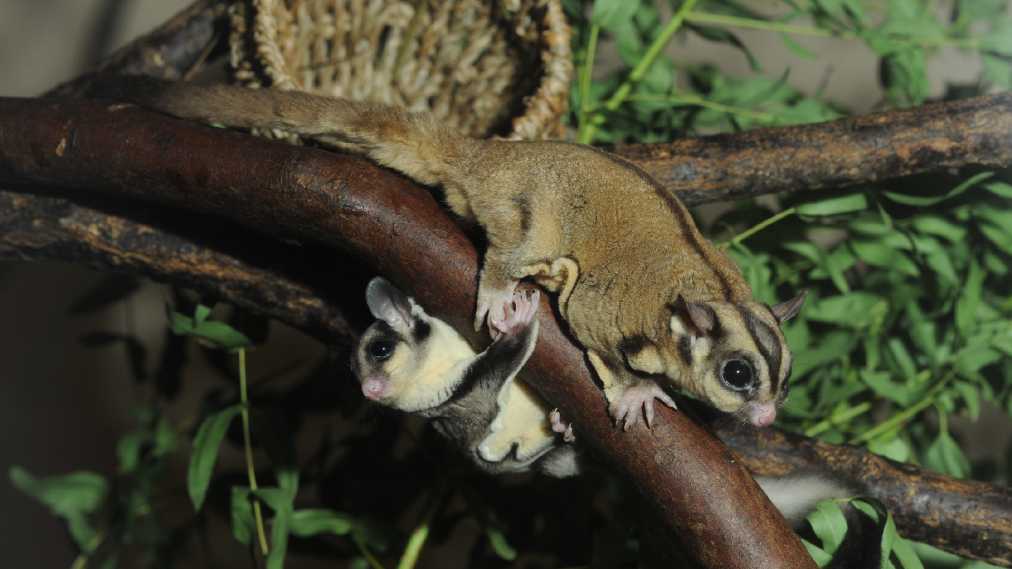
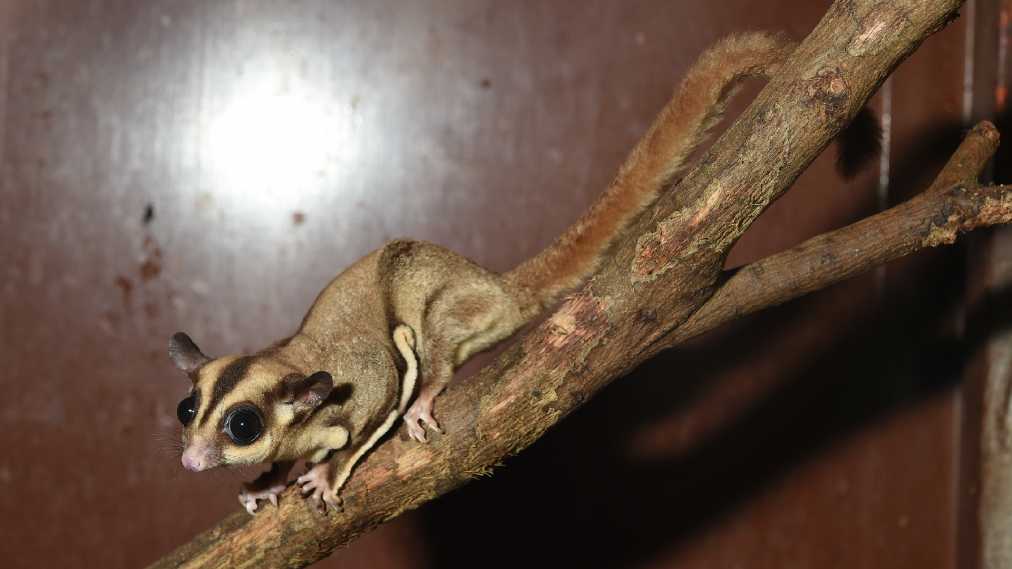
Although they look similar to the rodent flying squirrel, they are actually marsupials. They are nocturnal, and during the day they rest in tree hollows in groups of several individuals, mostly related individuals. Males have scent glands on their heads that are wet with secretions, so males and females can be distinguished by looking at their heads.
| classification | Mammalia, Sugar Glider |
|---|---|
| English name | Sugar Glider |
| distribution | Australia (northern to southeastern coastal areas, Kawakawa, with some exceptions), New Guinea |
| Residence | Mainly forests, areas with tree holes where they can nest |
| Size |
Head torso length: 16-20cm
Tail length: 16.5–21 cm Weight: Males approximately 130g, females approximately 90g |
| food | Flower nectar, sap, insects, plant seeds, etc. |
| Red List |
IUCN: LC (Least Concern)
|
flying membrane
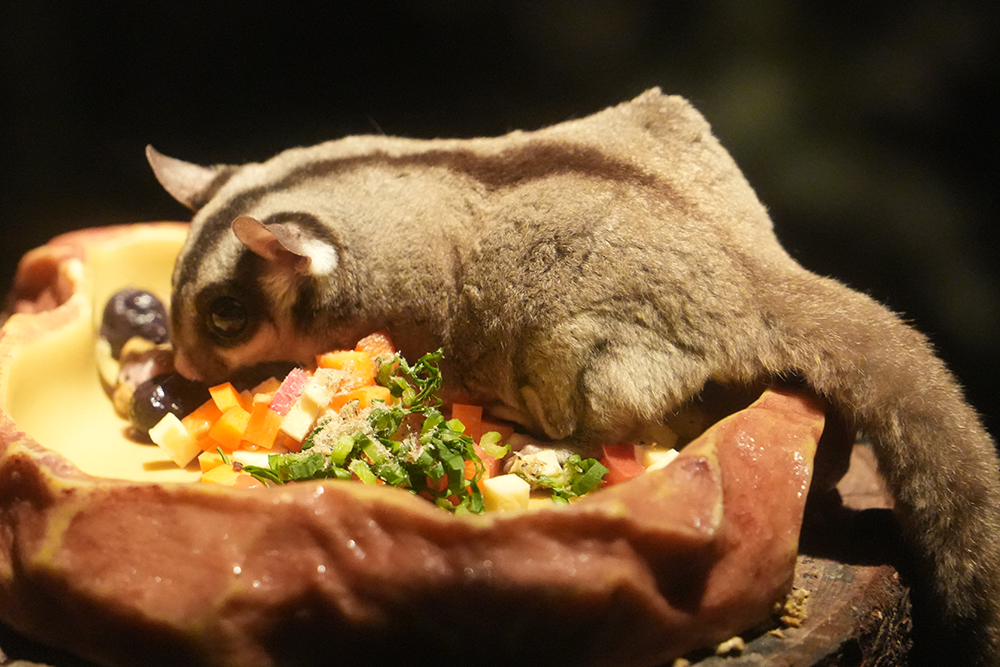
There is a membrane (patagonic membrane) made of muscle and skin that connects the base of the fifth toe of the front foot to the ankle of the back foot. When moving from tree to tree, they can glide by stretching their front and back legs wide and spreading the paagonic membrane. Not only can they glide straight towards the target tree, but they can also adjust their direction to avoid obstacles.
Child growth
The female has a pouch on her abdomen in which she raises her newborn babies. The gestation period is short, at 15 to 17 days, and the babies are born immature. Once born, the babies use their front legs to navigate to the pouch on their own, relying on their sense of smell, and attach themselves to the nipples inside. They spend around two months in the pouch, during which time their eyes open and their fur grows in. Even after they are able to leave the pouch, they are unable to feed themselves for around a month, so they put their faces into the mother's pouch to get milk.