

Zoo Stock Species and the Red List
Zoo Stock Species and the Red List
Zoo Stock

This indicates that the species is included in the Second Zoo Stock Plan, which was formulated by the Tokyo Metropolitan Government in 2018. The plan sets goals for the next 10 years in three areas: "species conservation," "contribution to wildlife conservation," and "environmental education and conservation awareness." 124 animal species are included.
What is the Red List?
Based on scientific research, this is a list of wildlife classified by rank (category) indicating the degree of risk of extinction.
Livng Things Encyclopedia shows the categories (mainland and islands) assessed by the IUCN (International Union for Conservation of Nature) at the global level, the Ministry of the Environment for Japan, and the Tokyo Metropolitan Government for Tokyo.
The higher the category in each table, the higher the risk of extinction, and CR, EN, and VU are the three categories known as "endangered species." In Tokyo, species that are not at the NT (near threatened) level but are relatively rare are considered "species of concern."
|
IUCN categories |
|
|---|---|
|
EX |
extinction |
|
EW |
Extinction in the wild |
|
CR+EN |
— |
|
CR |
Serious crisis |
|
EN |
crisis |
|
VU |
emergency |
|
NT |
Near Threatened |
|
LC・○ |
Low Concern |
|
DD |
Data shortage |
|
LP |
— |
|
Japan (Ministry of the Environment) Category |
|
|---|---|
|
EX |
extinction |
|
EW |
Extinction in the wild |
|
CR+EN |
Endangered species |
|
CR |
Critically Endangered |
|
EN |
Endangered species |
|
VU |
Endangered species |
|
NT |
Near Threatened |
|
LC・○ |
— |
|
DD |
Lack of information |
|
LP |
Endangered |
|
Tokyo Category |
|
|---|---|
|
EX |
extinction |
|
EW |
Extinction in the wild |
|
CR+EN |
Endangered species |
|
CR |
Critically Endangered |
|
EN |
Endangered species |
|
VU |
Endangered species |
|
NT |
Near Threatened |
|
LC・○ |
Unranked |
|
DD |
Lack of information |
|
LP |
Endangered |
Creatures at Tama Zoo
Creatures at Tama Zoo
Snowy Owl
Snowy Owl
Bubo scandiacus
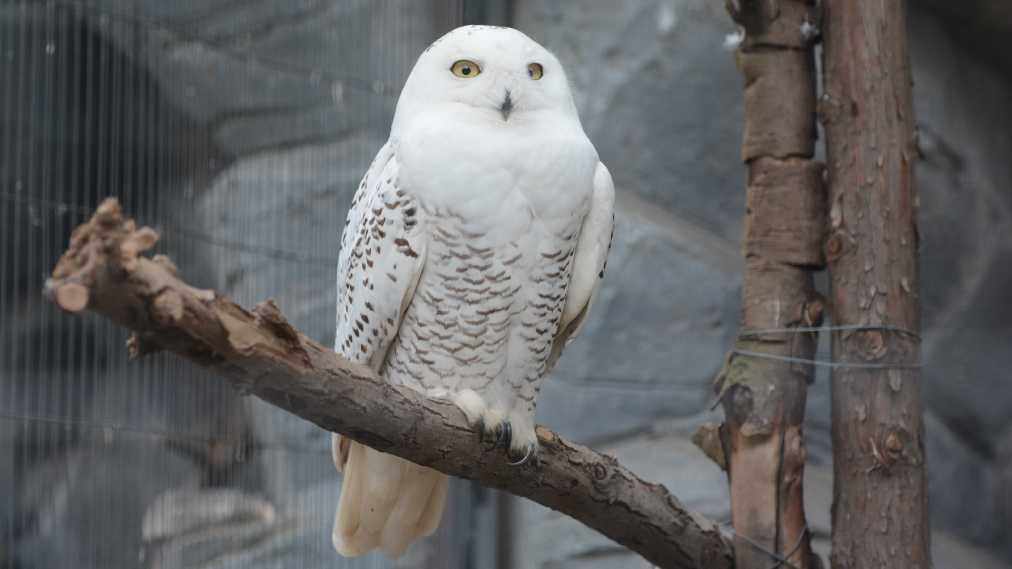
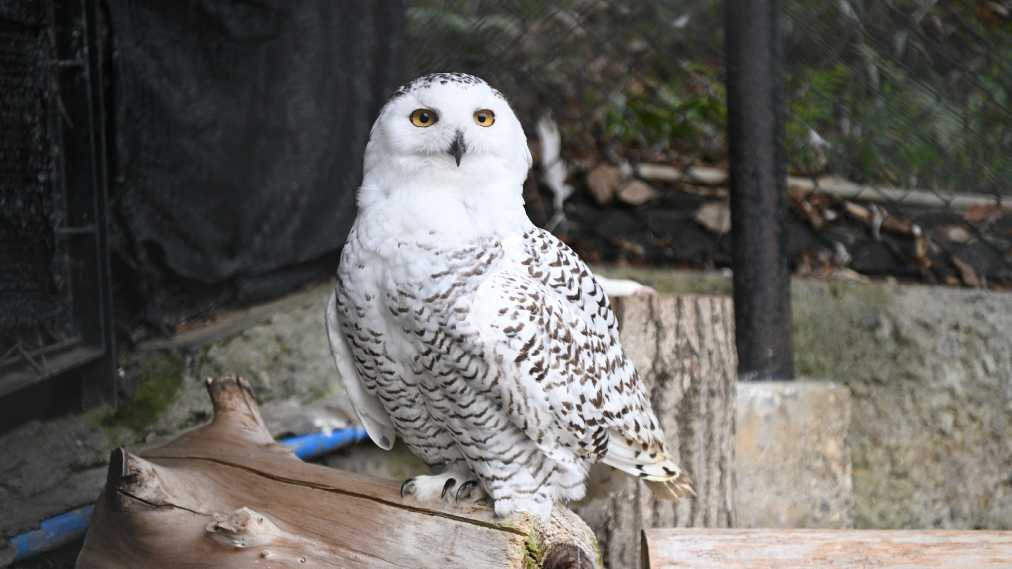
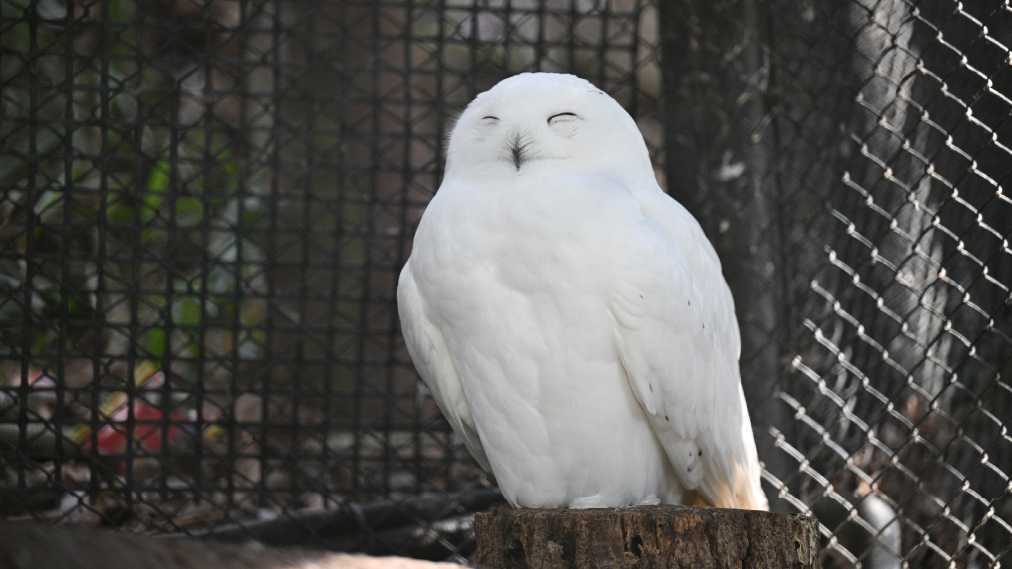
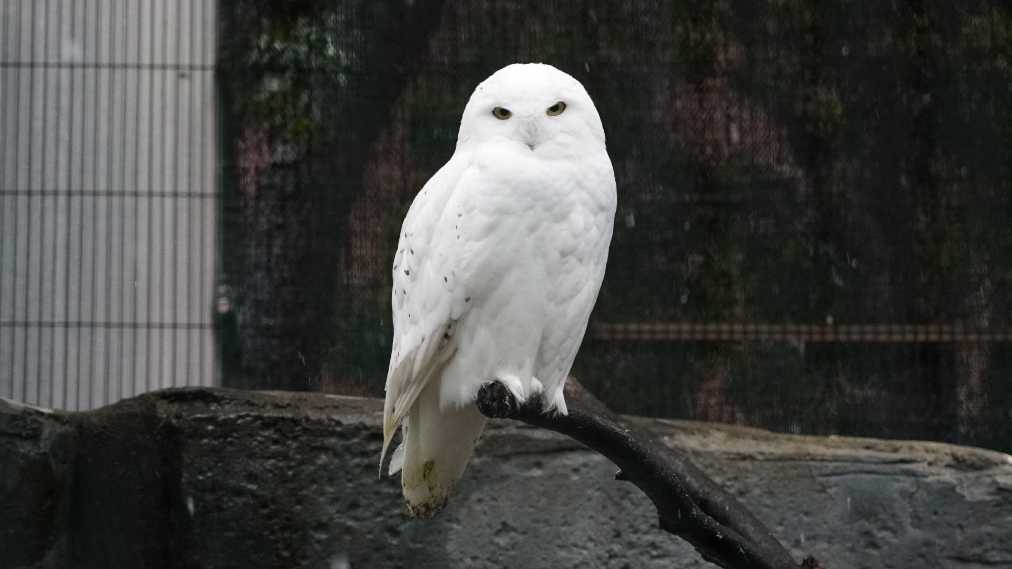
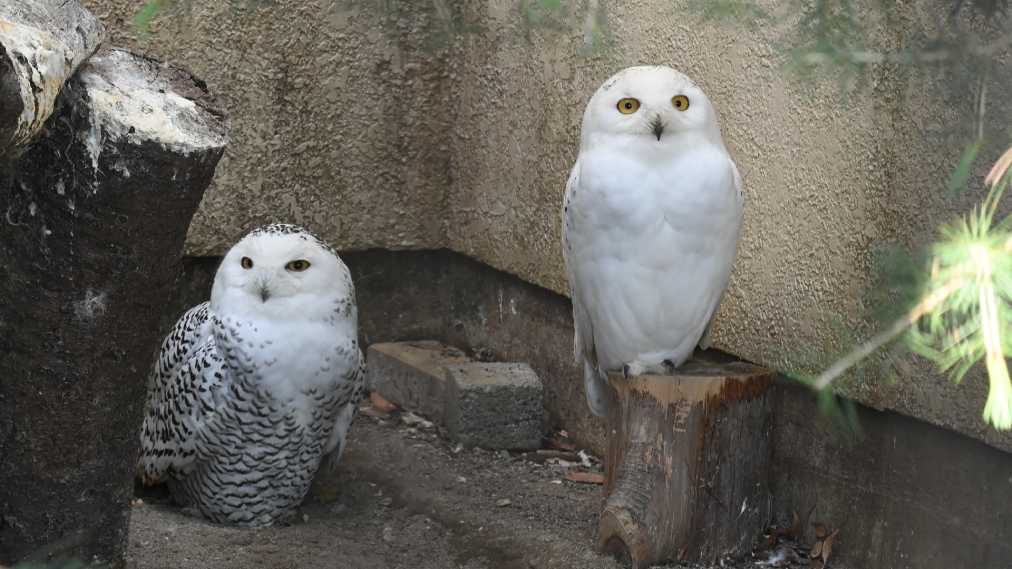
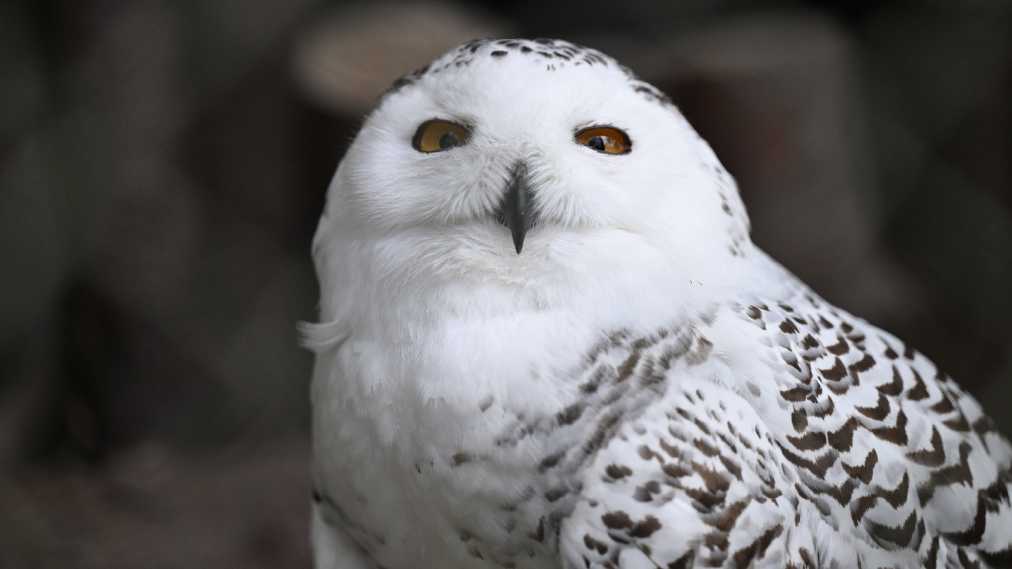
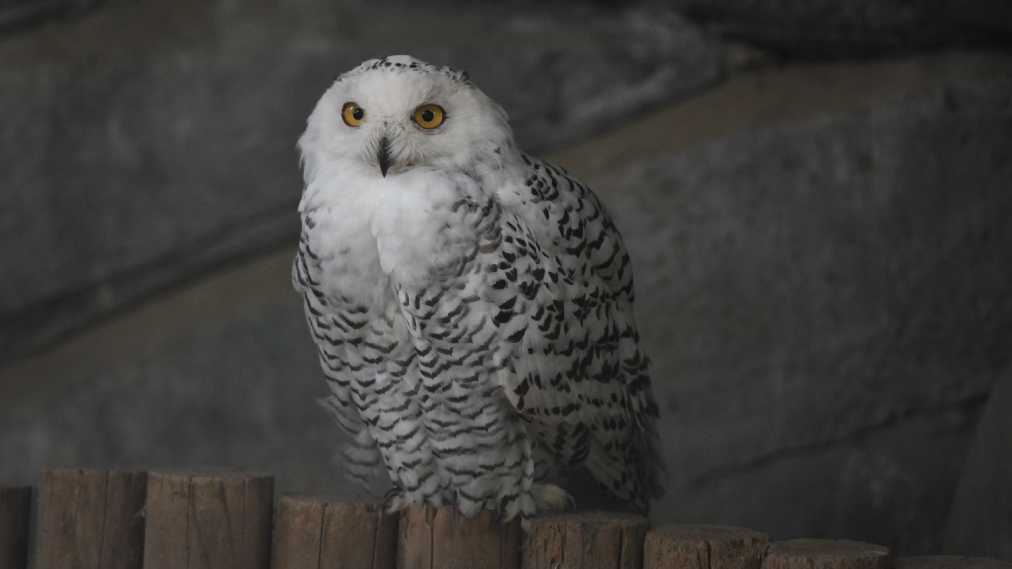
They are found around the Arctic Circle, but in winter they migrate south, sometimes even flying to Japan (Hokkaido). During the summer breeding season, the Arctic Circle experiences midnight sun, meaning the sun never sets, making them unusually active among Ural Owl during the day. As there are almost no trees in the polar regions, they perch on ice blocks or rocks on the plains to hunt for prey. They build their nests in depressions in the tundra or grasslands.
| classification | Class Aves, Order Ural Owl, Family Ural Owl |
|---|---|
| English name | Snowy Owl |
| distribution | Arctic Circle and surrounding areas |
| Residence | tundra |
| Size |
Total length: 55-70cm
Weight: 1.8-2.3kg |
| food | Mainly lemmings and rodents |
| Red List |
IUCN: VU (Very)
|
Differences in plumage between males and females
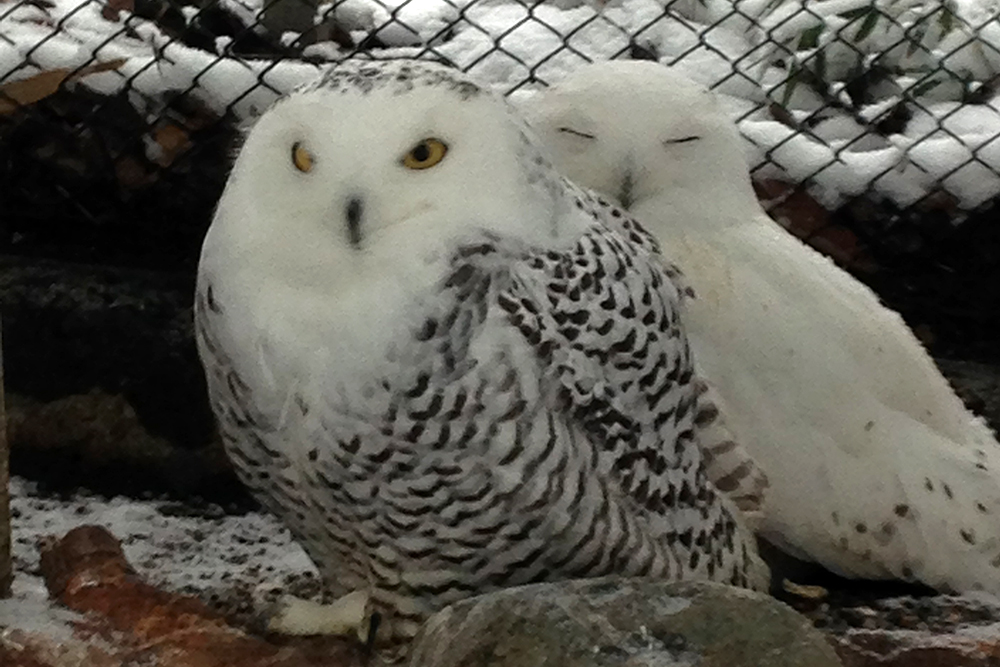
While females have black spots, males are completely white. It is thought that the female's spots blend in with the ground when she is incubating her eggs in the nest and are less noticeable, and the male's white color makes it easier for her to hide from prey when hunting in the snow.