

Zoo Stock Species and the Red List
Zoo Stock Species and the Red List
Zoo Stock

This indicates that the species is included in the Second Zoo Stock Plan, which was formulated by the Tokyo Metropolitan Government in 2018. The plan sets goals for the next 10 years in three areas: "species conservation," "contribution to wildlife conservation," and "environmental education and conservation awareness." 124 animal species are included.
What is the Red List?
Based on scientific research, this is a list of wildlife classified by rank (category) indicating the degree of risk of extinction.
Livng Things Encyclopedia shows the categories (mainland and islands) assessed by the IUCN (International Union for Conservation of Nature) at the global level, the Ministry of the Environment for Japan, and the Tokyo Metropolitan Government for Tokyo.
The higher the category in each table, the higher the risk of extinction, and CR, EN, and VU are the three categories known as "endangered species." In Tokyo, species that are not at the NT (near threatened) level but are relatively rare are considered "species of concern."
|
IUCN categories |
|
|---|---|
|
EX |
extinction |
|
EW |
Extinction in the wild |
|
CR+EN |
— |
|
CR |
Serious crisis |
|
EN |
crisis |
|
VU |
emergency |
|
NT |
Near Threatened |
|
LC・○ |
Low Concern |
|
DD |
Data shortage |
|
LP |
— |
|
Japan (Ministry of the Environment) Category |
|
|---|---|
|
EX |
extinction |
|
EW |
Extinction in the wild |
|
CR+EN |
Endangered species |
|
CR |
Critically Endangered |
|
EN |
Endangered species |
|
VU |
Endangered species |
|
NT |
Near Threatened |
|
LC・○ |
— |
|
DD |
Lack of information |
|
LP |
Endangered |
|
Tokyo Category |
|
|---|---|
|
EX |
extinction |
|
EW |
Extinction in the wild |
|
CR+EN |
Endangered species |
|
CR |
Critically Endangered |
|
EN |
Endangered species |
|
VU |
Endangered species |
|
NT |
Near Threatened |
|
LC・○ |
Unranked |
|
DD |
Lack of information |
|
LP |
Endangered |
Creatures at Tama Zoo
Creatures at Tama Zoo

Snow Leopard
Snow Leopard
Uncia uncia
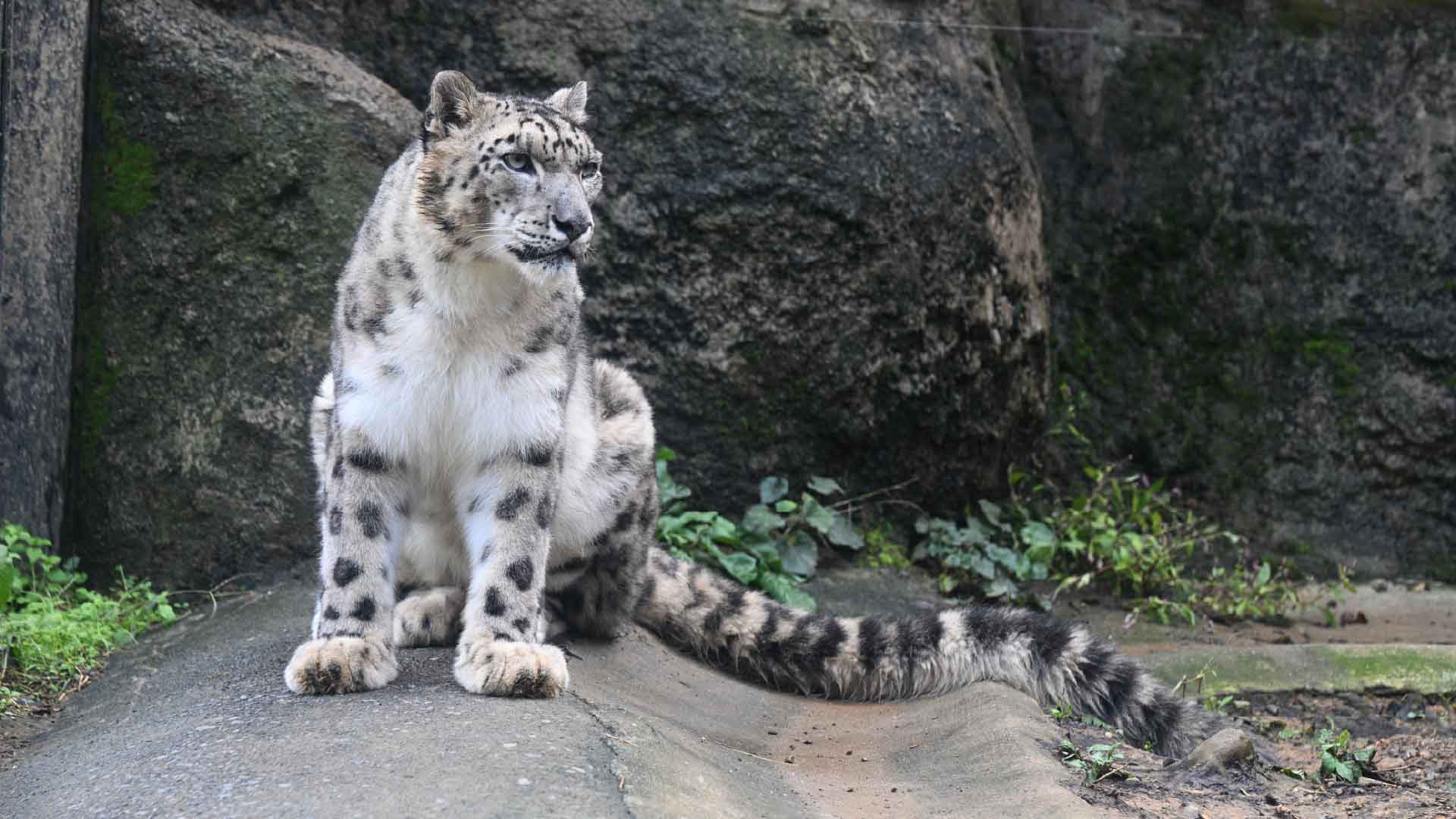
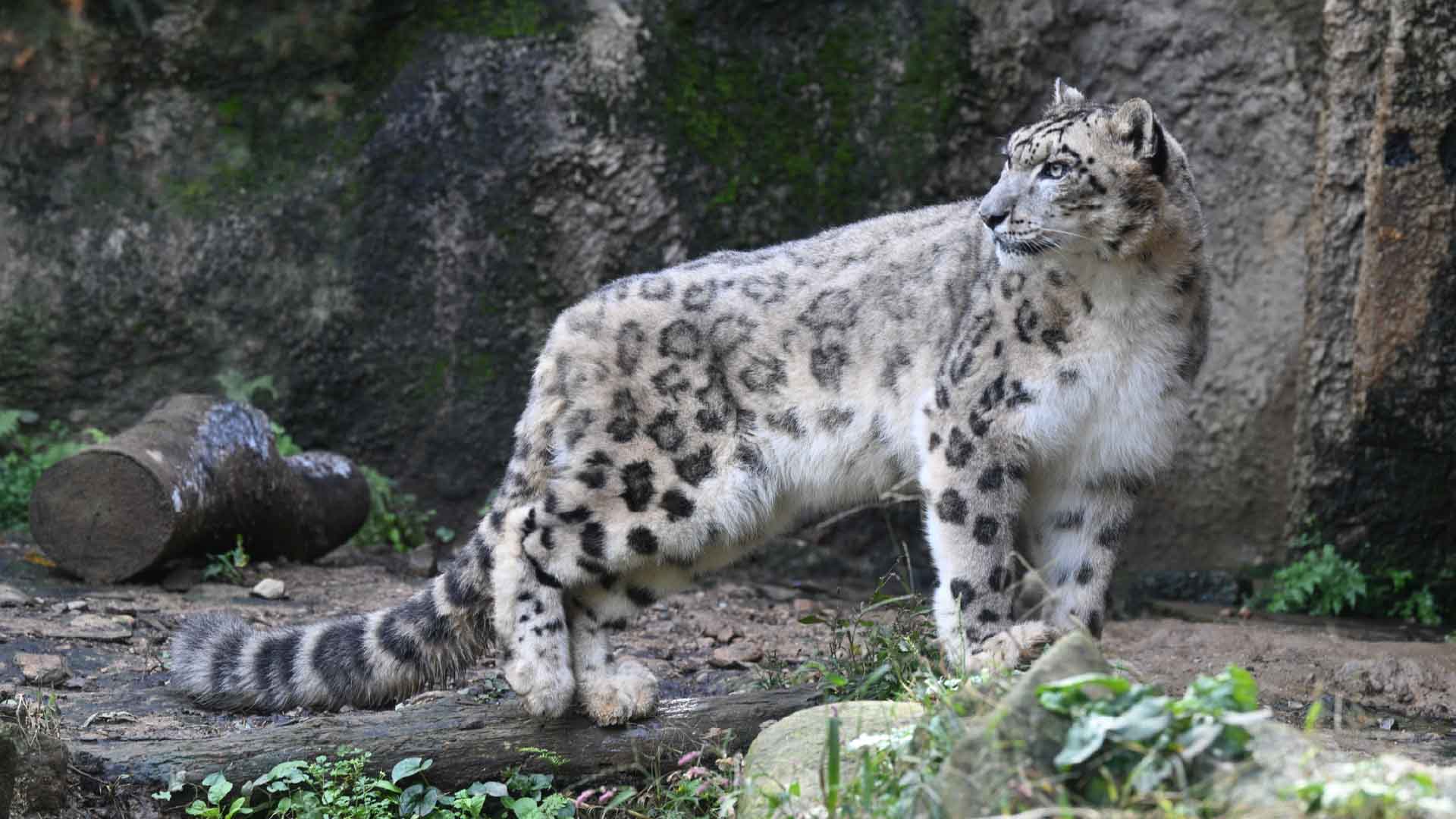
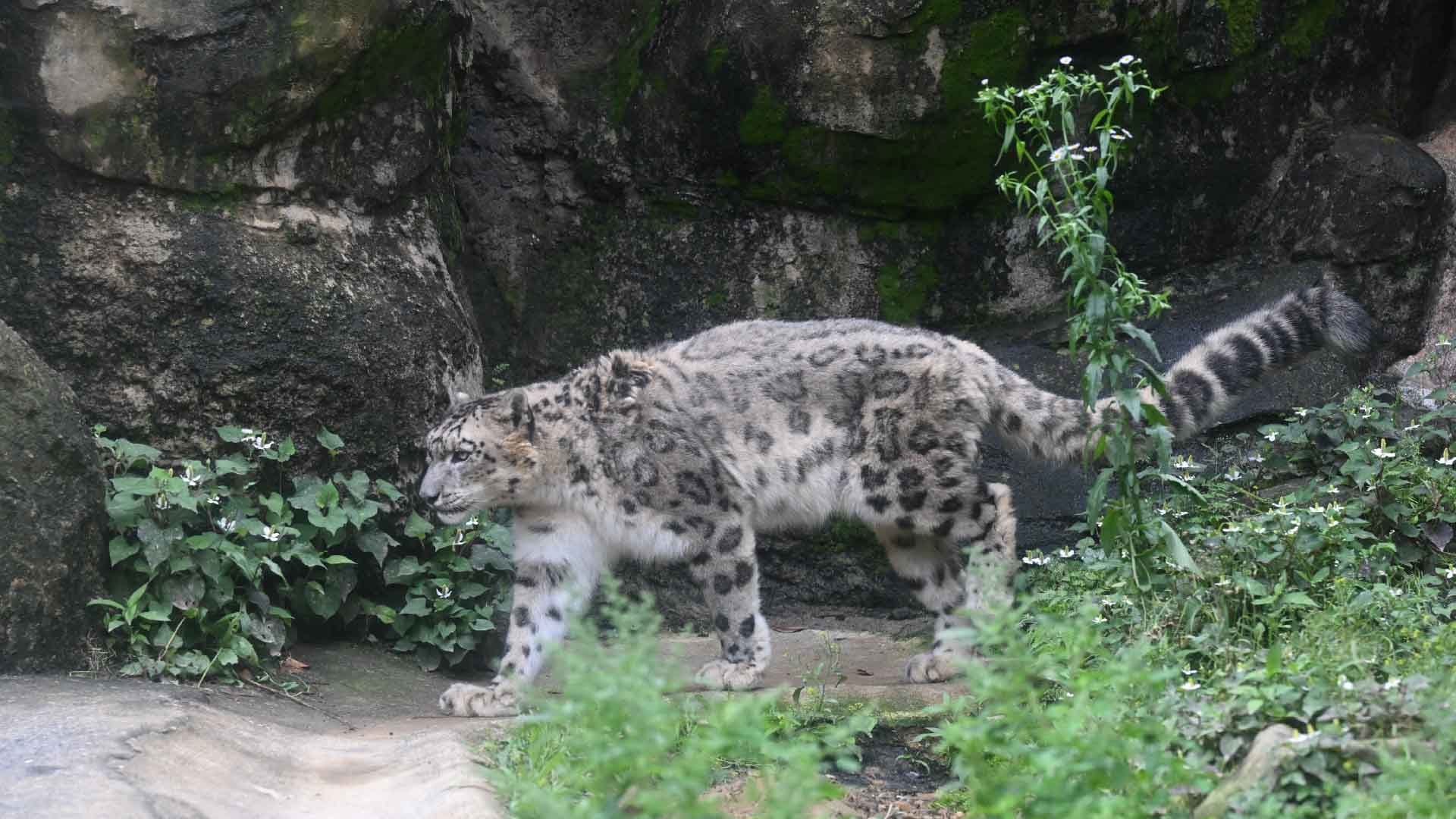
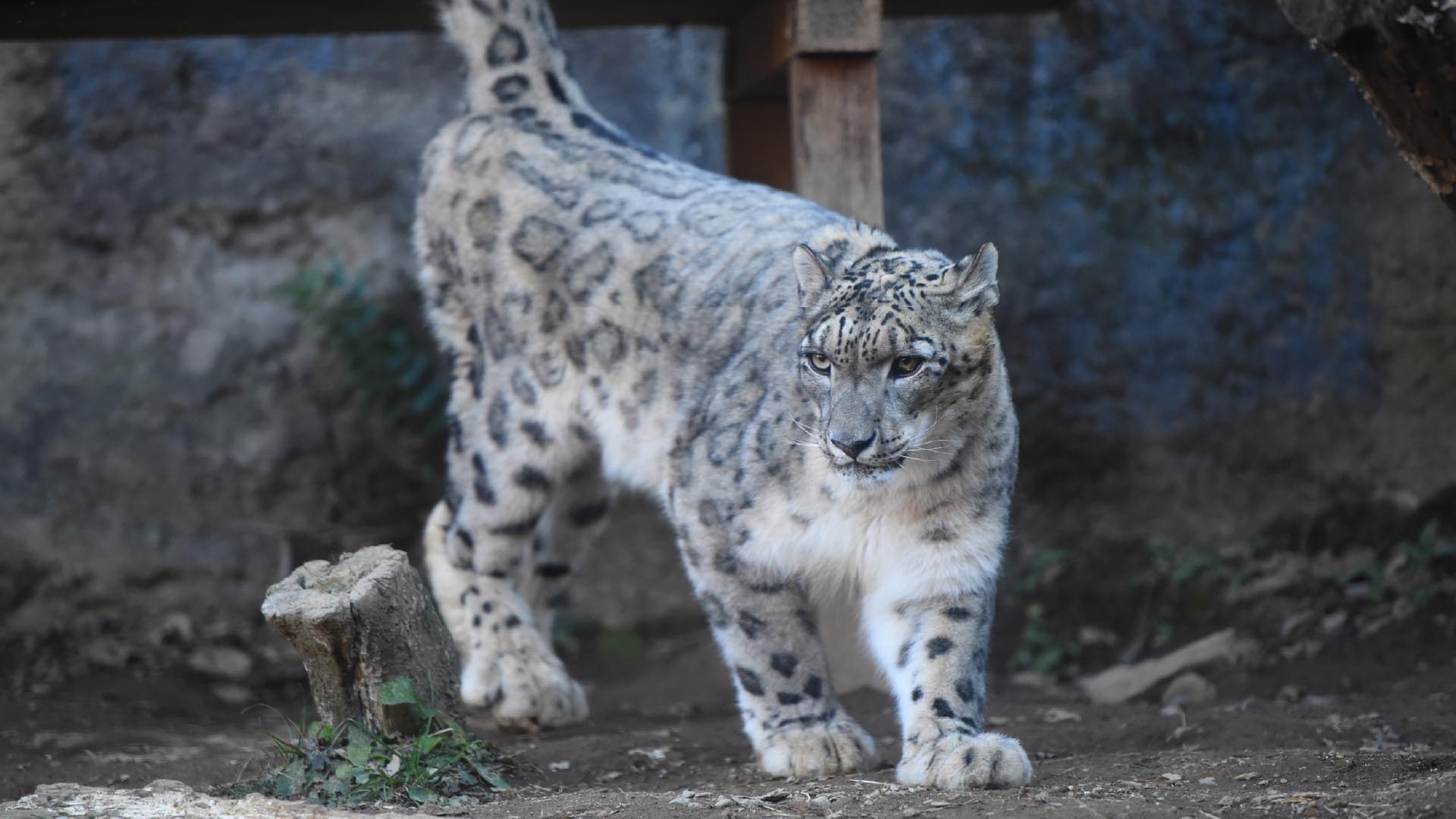
They live in the high mountain zones of Central Asia, where they have adapted to the cold environment by maintaining body heat with thick fur. Their limbs are thick and muscular, with particularly well-developed hind legs, allowing them to jump distances up to six times their body length. They also use their long tails to maintain balance and run freely over rocky areas in rugged mountainous regions.
| classification | Mammalia, Carnivora, Felidae |
|---|---|
| English name | Snow Leopard |
| distribution | Central Asia |
| Residence | Mountains |
| Size |
Head torso length: 100-130cm
Tail length: 80-100cm Weight: 35-45 kg |
| food | Small to medium-sized mammals and birds |
| Red List |
IUCN: VU (Very)
|
long tail
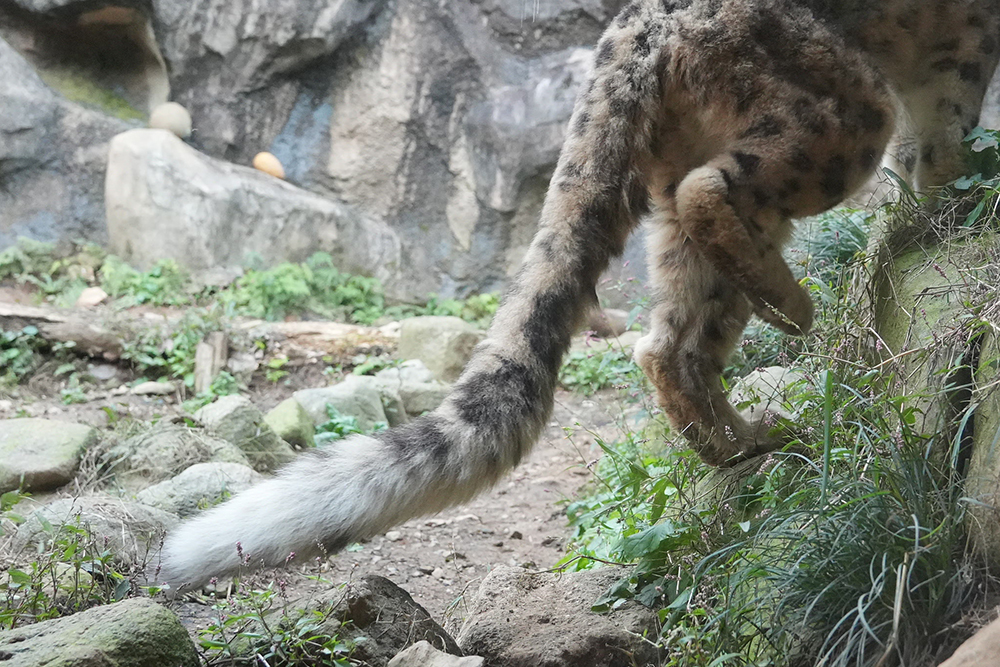
Snow Leopard have particularly long and flexible tails among the cat family. They move their tails up and down and side to side when jumping from one rock to another, allowing them to move steadily even on steep slopes.
Adaptation to cold climates
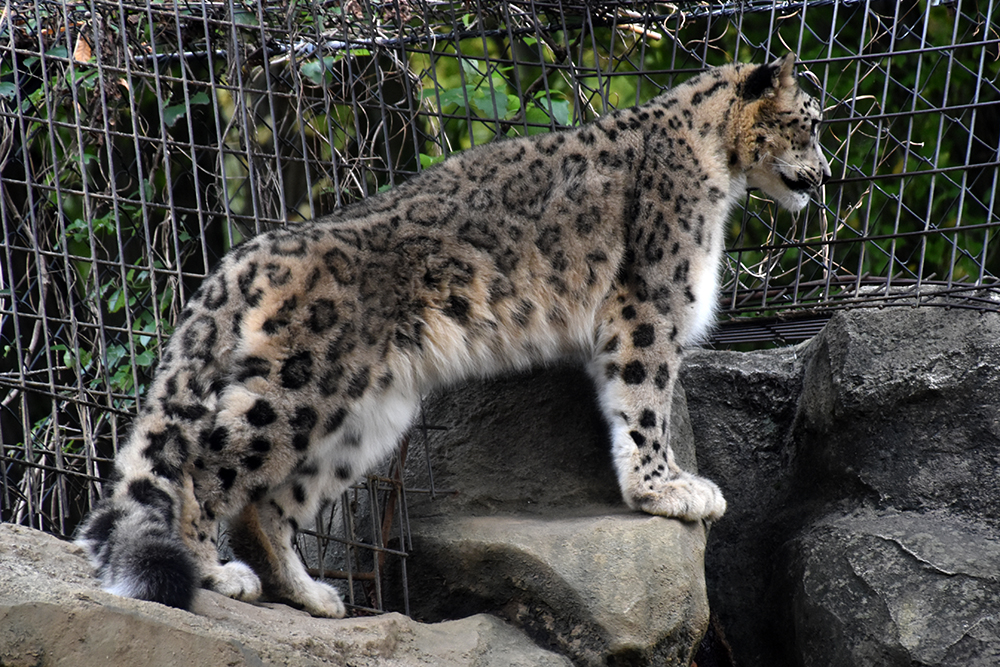
Its body is grayish-white with scattered black spots, which serves as camouflage in snowy mountains. Covered in thick, long fur, it plays an important role in protecting body temperature in cold, high-altitude environments. In winter, the density of its fur increases, allowing it to survive even in the harsh sub-zero temperatures. Furthermore, the fur on the soles of its feet grows between the paw pads, providing insulation. The fur on the soles of its feet also acts as an anti-slip feature. Its broad, large feet do not sink easily into snow and allow it to walk stably on rocky terrain.