

Zoo Stock Species and the Red List
Zoo Stock Species and the Red List
Zoo Stock

This indicates that the species is included in the Second Zoo Stock Plan, which was formulated by the Tokyo Metropolitan Government in 2018. The plan sets goals for the next 10 years in three areas: "species conservation," "contribution to wildlife conservation," and "environmental education and conservation awareness." 124 animal species are included.
What is the Red List?
Based on scientific research, this is a list of wildlife classified by rank (category) indicating the degree of risk of extinction.
Livng Things Encyclopedia shows the categories (mainland and islands) assessed by the IUCN (International Union for Conservation of Nature) at the global level, the Ministry of the Environment for Japan, and the Tokyo Metropolitan Government for Tokyo.
The higher the category in each table, the higher the risk of extinction, and CR, EN, and VU are the three categories known as "endangered species." In Tokyo, species that are not at the NT (near threatened) level but are relatively rare are considered "species of concern."
|
IUCN categories |
|
|---|---|
|
EX |
extinction |
|
EW |
Extinction in the wild |
|
CR+EN |
— |
|
CR |
Serious crisis |
|
EN |
crisis |
|
VU |
emergency |
|
NT |
Near Threatened |
|
LC・○ |
Low Concern |
|
DD |
Data shortage |
|
LP |
— |
|
Japan (Ministry of the Environment) Category |
|
|---|---|
|
EX |
extinction |
|
EW |
Extinction in the wild |
|
CR+EN |
Endangered species |
|
CR |
Critically Endangered |
|
EN |
Endangered species |
|
VU |
Endangered species |
|
NT |
Near Threatened |
|
LC・○ |
— |
|
DD |
Lack of information |
|
LP |
Endangered |
|
Tokyo Category |
|
|---|---|
|
EX |
extinction |
|
EW |
Extinction in the wild |
|
CR+EN |
Endangered species |
|
CR |
Critically Endangered |
|
EN |
Endangered species |
|
VU |
Endangered species |
|
NT |
Near Threatened |
|
LC・○ |
Unranked |
|
DD |
Lack of information |
|
LP |
Endangered |
Creatures at Tama Zoo
Creatures at Tama Zoo

Przewalski's Horse
Przewalski's Horse
Equus przewalskii
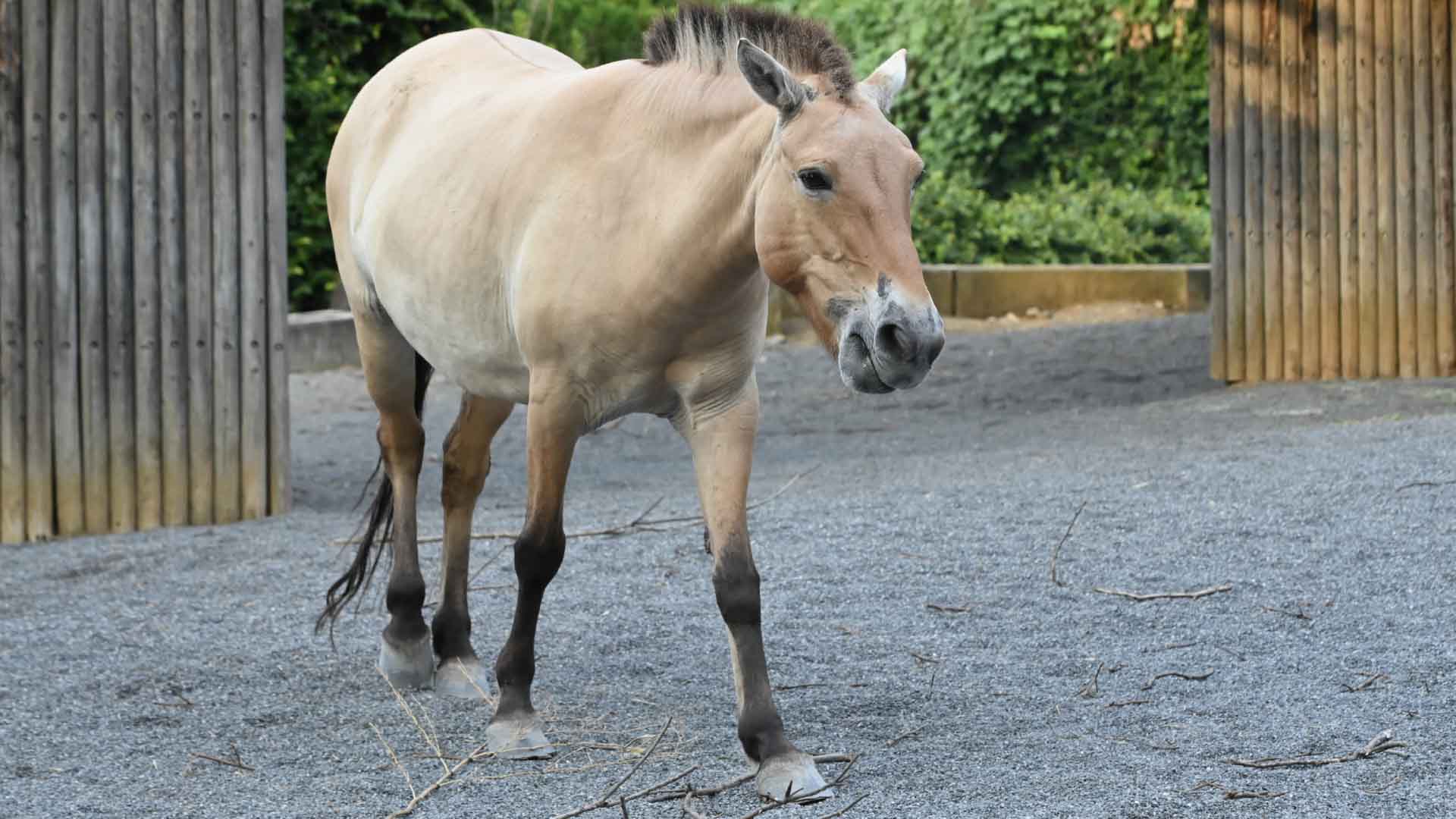
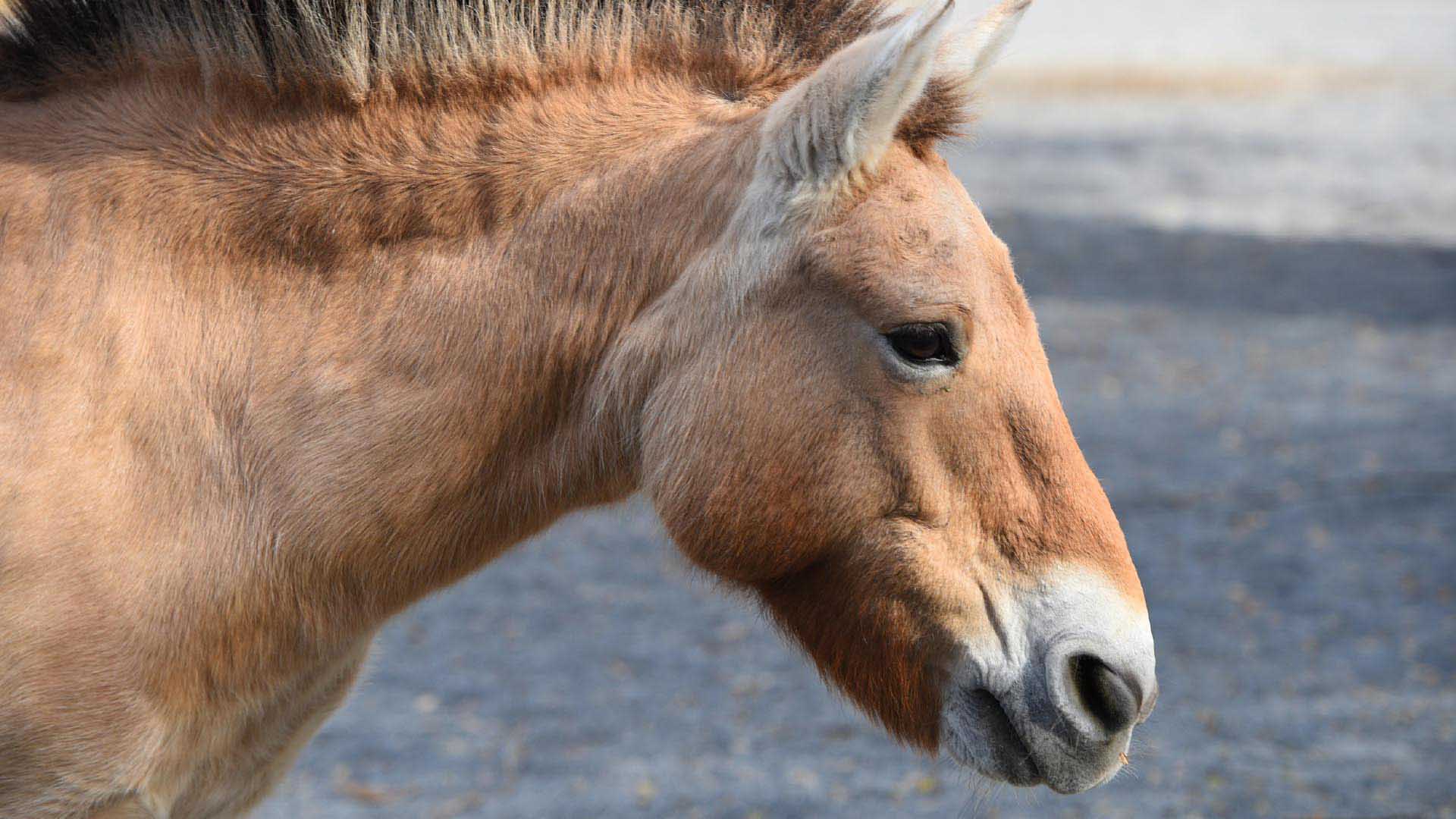
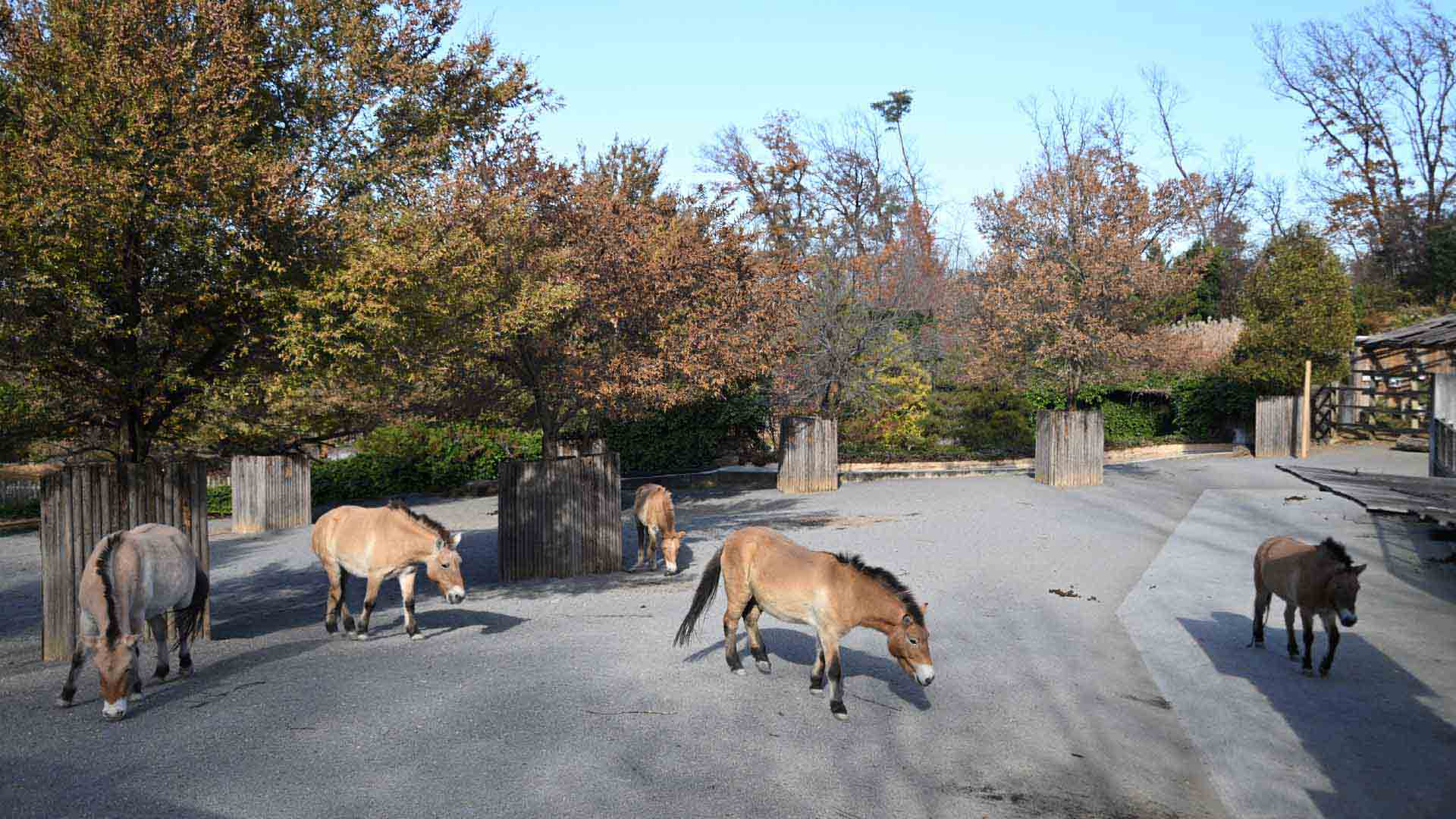
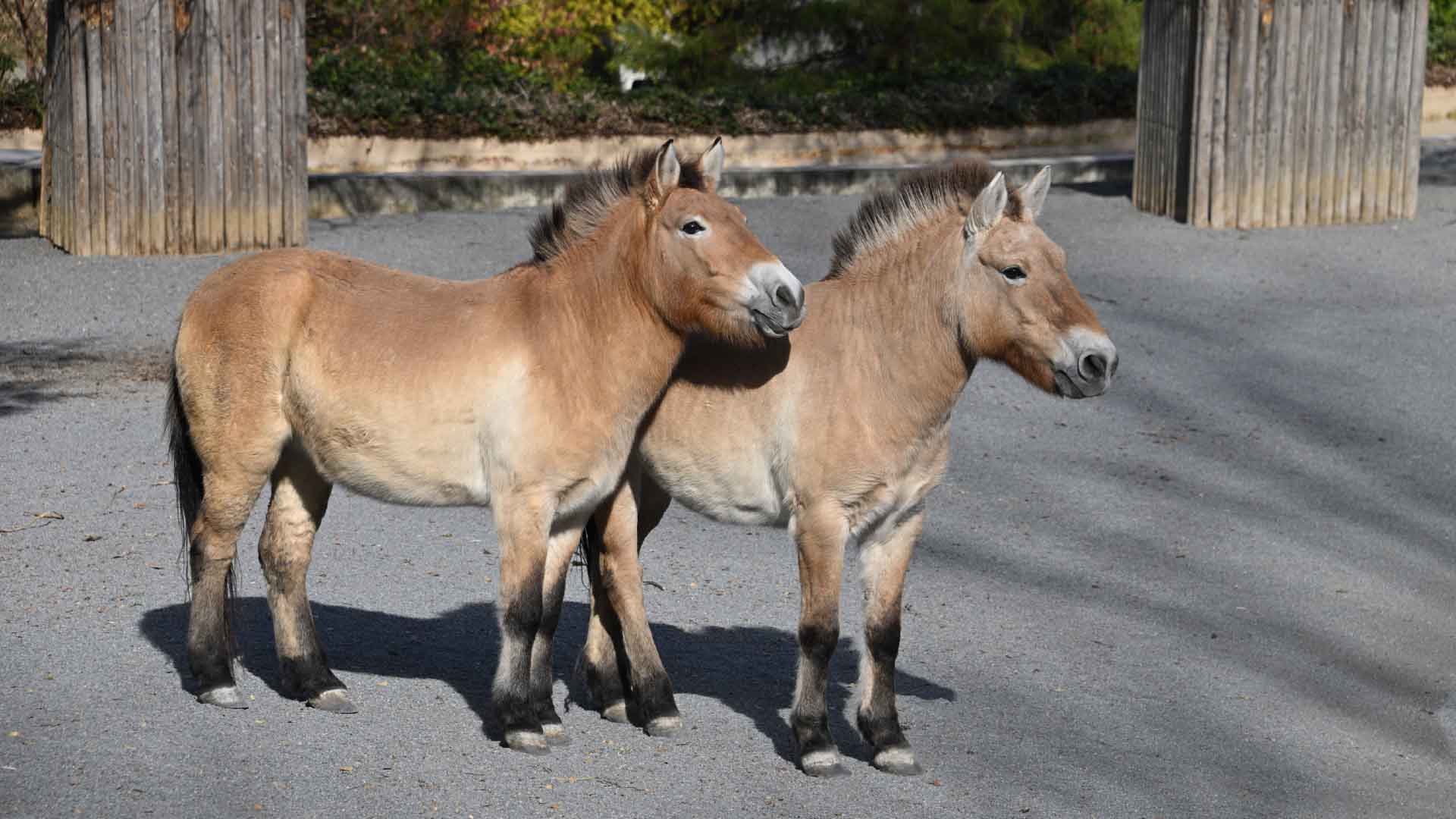
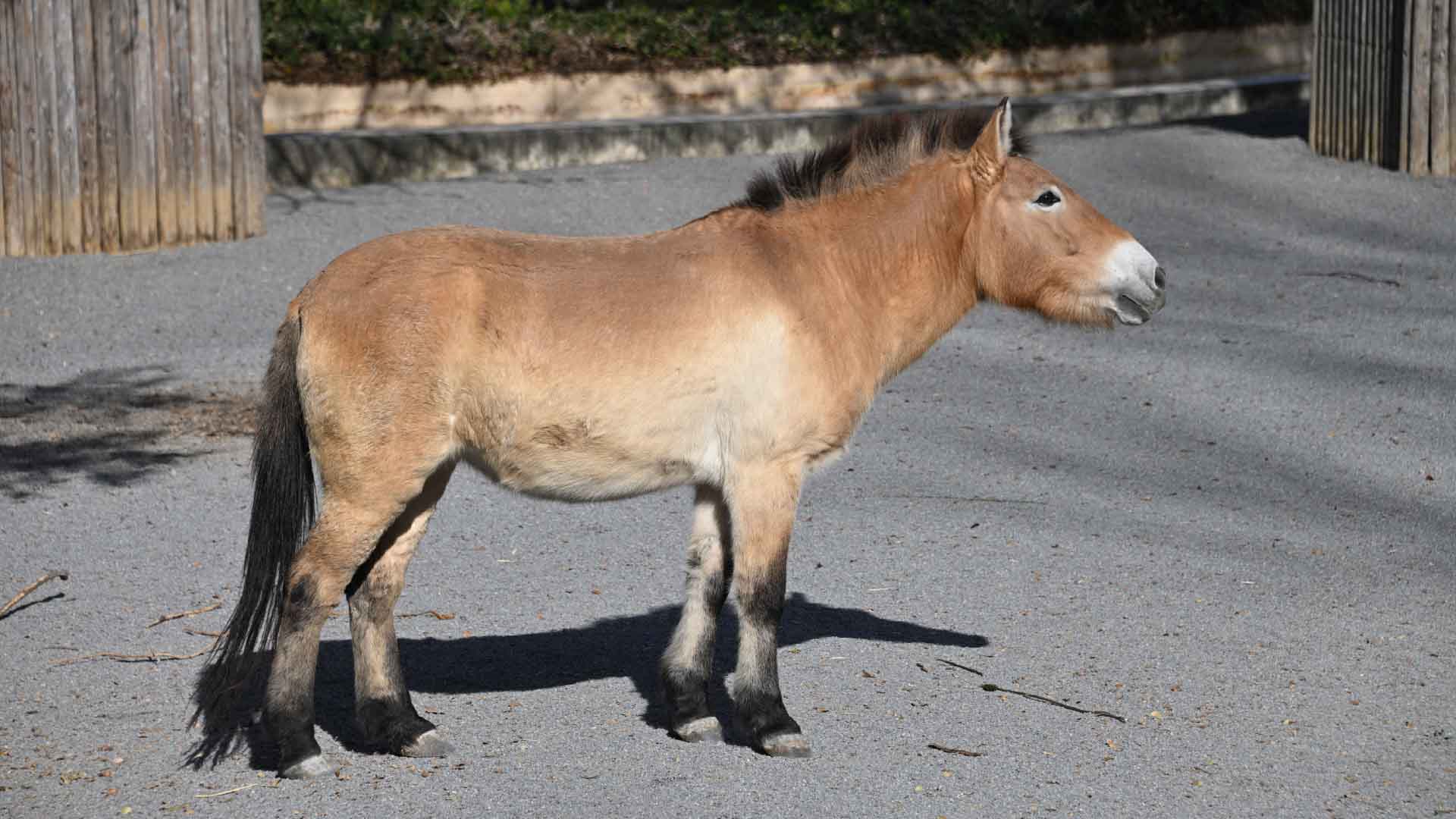
They live in groups (harems) consisting of one male and several females. Within a harem, there is a leader among the females, and a hierarchy is established among the other members as well. Males that are not in a harem form groups with other males. They once inhabited a wide area from Mongolia to Europe, but became extinct in the wild in the late 1960s. Currently, reintroduced populations inhabit the Gobi Desert and Khustai National Park in Mongolia.
| classification | Mammalia, Perissodactyla, Domestic Horse |
|---|---|
| English name | Przewalski's Horse |
| distribution | Mongolia (reintroduced) |
| Residence | Grassland area |
| Size |
Head torso length: 180-220cm
Shoulder height: 120-146cm Weight: 250-380 kg |
| food | grass |
| Red List |
IUCN: EN (crisis)
|
Body color
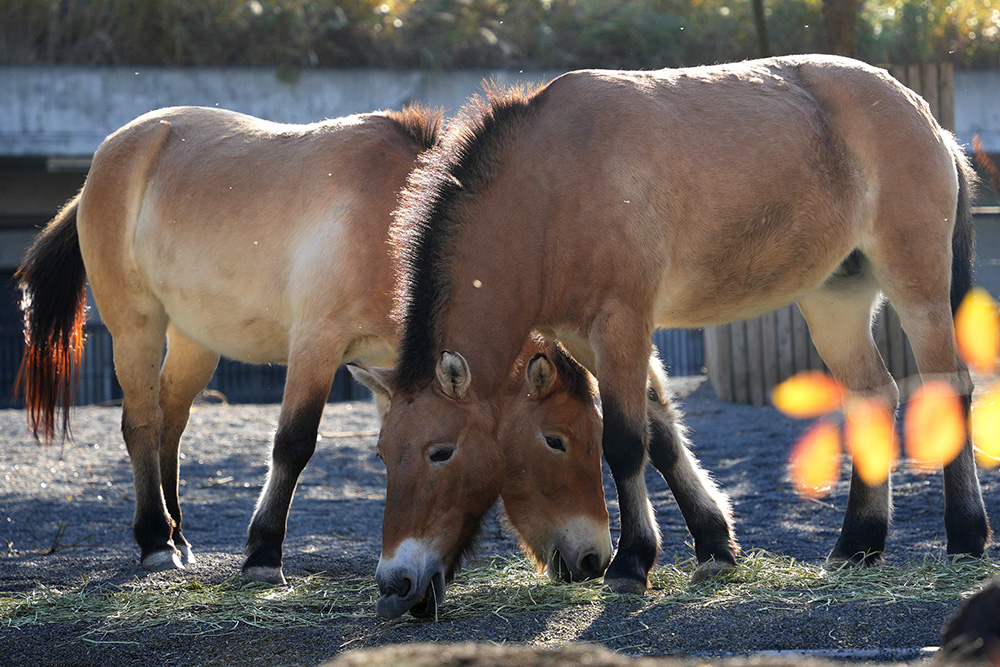
Domestic horses come in a variety of colors, but all Przewalski's Horse 's horses are nearly identical in color. Their bodies are brown, their feet are black, and their bellies and noses are whitish. Their manes are short and upright. They have dark brown stripes (eel stripes) along their backs.
reintroduction into the wild
They became extinct in the wild in the late 1960s, but conservation projects using captive specimens in Europe and the United States led to their successful breeding, and in 1992 they were reintroduced to protected areas in Mongolia.