

Zoo Stock Species and the Red List
Zoo Stock Species and the Red List
Zoo Stock

This indicates that the species is included in the Second Zoo Stock Plan, which was formulated by the Tokyo Metropolitan Government in 2018. The plan sets goals for the next 10 years in three areas: "species conservation," "contribution to wildlife conservation," and "environmental education and conservation awareness." 124 animal species are included.
What is the Red List?
Based on scientific research, this is a list of wildlife classified by rank (category) indicating the degree of risk of extinction.
Livng Things Encyclopedia shows the categories (mainland and islands) assessed by the IUCN (International Union for Conservation of Nature) at the global level, the Ministry of the Environment for Japan, and the Tokyo Metropolitan Government for Tokyo.
The higher the category in each table, the higher the risk of extinction, and CR, EN, and VU are the three categories known as "endangered species." In Tokyo, species that are not at the NT (near threatened) level but are relatively rare are considered "species of concern."
|
IUCN categories |
|
|---|---|
|
EX |
extinction |
|
EW |
Extinction in the wild |
|
CR+EN |
— |
|
CR |
Serious crisis |
|
EN |
crisis |
|
VU |
emergency |
|
NT |
Near Threatened |
|
LC・○ |
Low Concern |
|
DD |
Data shortage |
|
LP |
— |
|
Japan (Ministry of the Environment) Category |
|
|---|---|
|
EX |
extinction |
|
EW |
Extinction in the wild |
|
CR+EN |
Endangered species |
|
CR |
Critically Endangered |
|
EN |
Endangered species |
|
VU |
Endangered species |
|
NT |
Near Threatened |
|
LC・○ |
— |
|
DD |
Lack of information |
|
LP |
Endangered |
|
Tokyo Category |
|
|---|---|
|
EX |
extinction |
|
EW |
Extinction in the wild |
|
CR+EN |
Endangered species |
|
CR |
Critically Endangered |
|
EN |
Endangered species |
|
VU |
Endangered species |
|
NT |
Near Threatened |
|
LC・○ |
Unranked |
|
DD |
Lack of information |
|
LP |
Endangered |
Creatures at Tama Zoo
Creatures at Tama Zoo
Oriental Small-clawed Otter
Oriental Small-clawed Otter
Aonyx cinereus
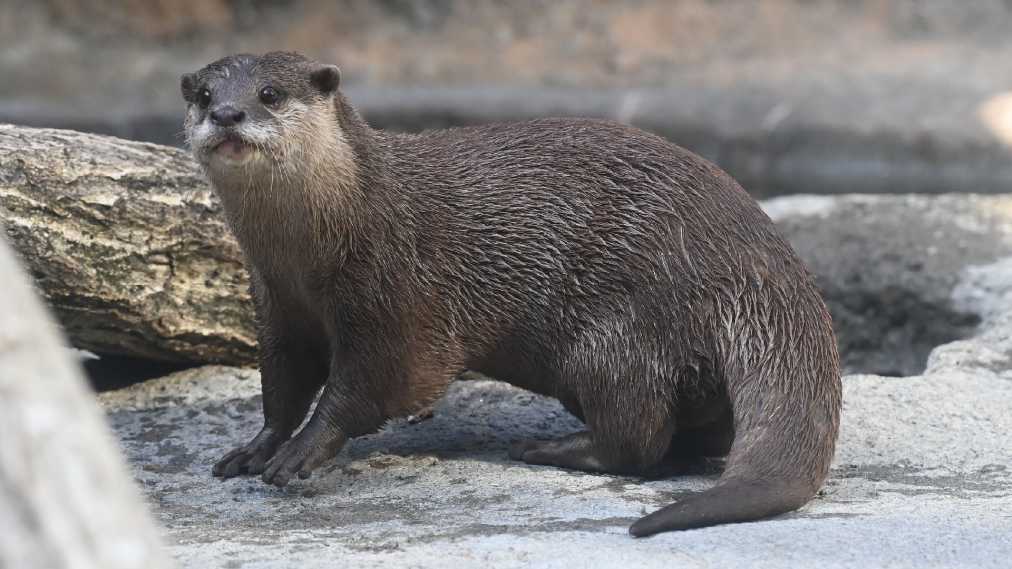
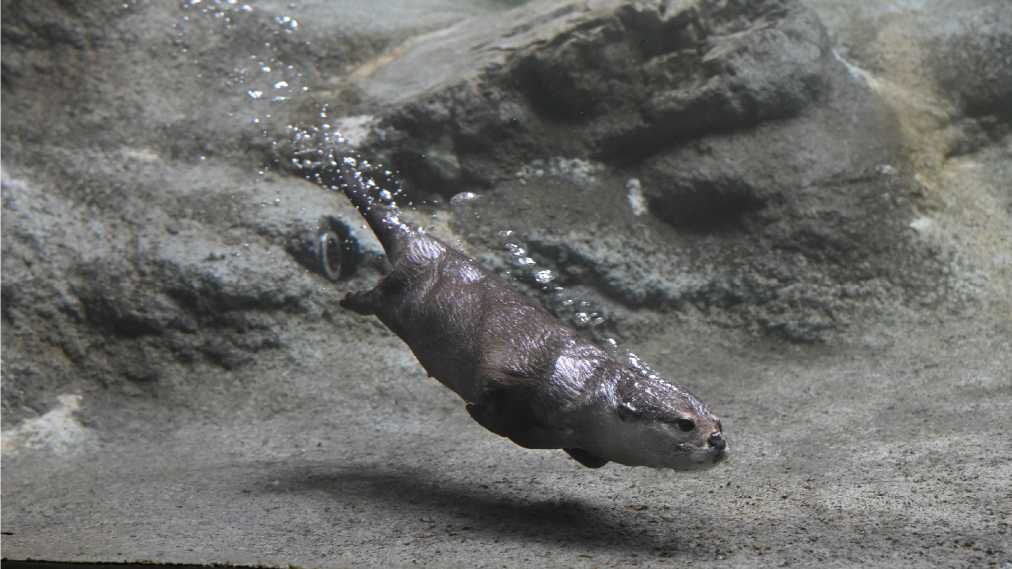
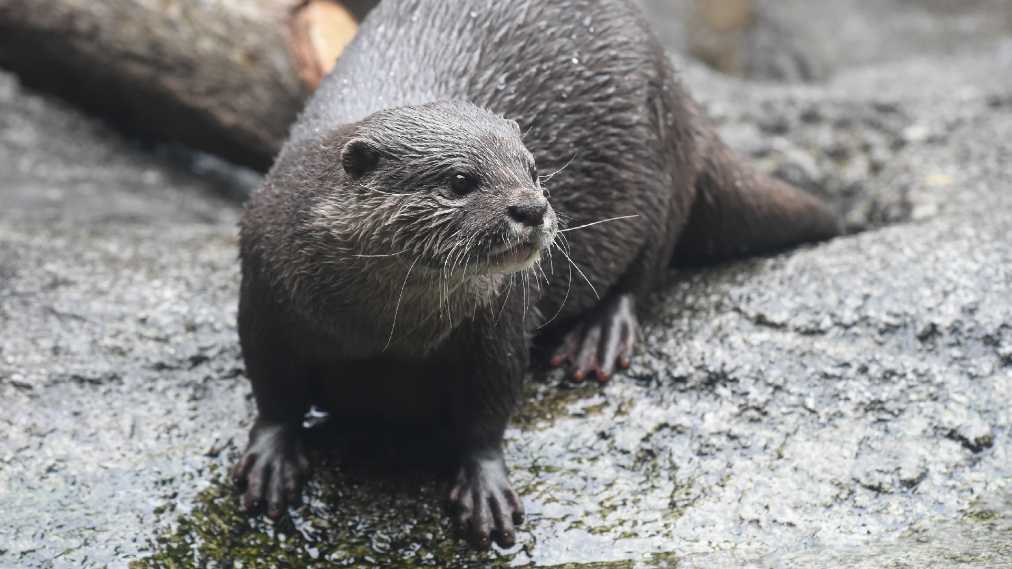
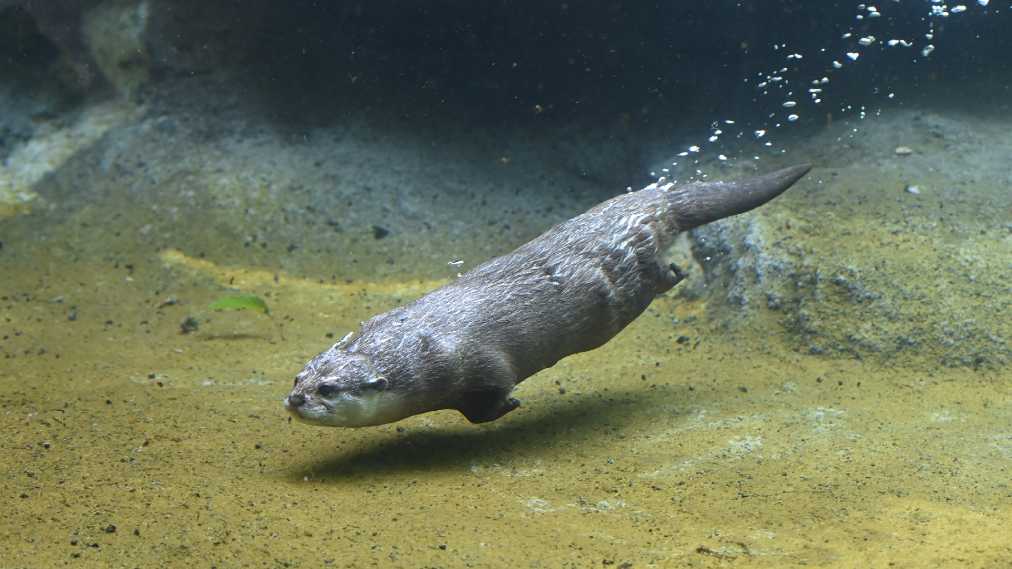
They are the smallest of all otters and are characterized by small claws on their fingers and toes. They live in small family groups. They are very dexterous, using their front paws to search for and eat crustaceans and shellfish, even on river bottoms where visibility is poor. When they come out of the water, they dry off by rubbing their bodies against nearby logs (or burlap bags at zoos) to keep them from getting cold.
| classification | Mammalia, Carnivora, Mustelidae |
|---|---|
| English name | Oriental Small-clawed Otter |
| distribution | Southern China, Southeast Asia, India |
| Residence | Waterside areas such as rivers, lakes, and wetlands that flow through tropical forests |
| Size |
Head torso length: 41-64cm
Tail length: 25-35 cm Weight: Males approximately 3.5 kg, females approximately 3 kg |
| food | Fish, frogs, shrimp, crabs, shellfish |
| Red List |
IUCN: VU (Very)
|
A body built specifically for swimming
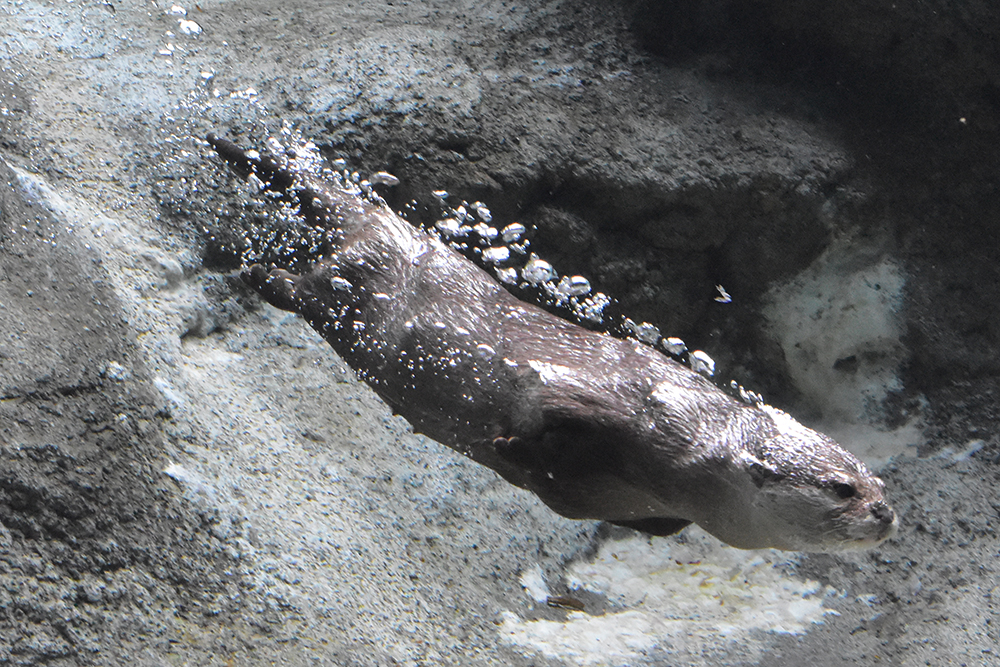
They feed on creatures that live in the water, such as fish, crustaceans, and shellfish, so they hunt exclusively in the water. As a result, otters have streamlined bodies, small ears, and short limbs, features that allow them to swim without water resistance. They have webbed fingers between their fingers and toes, and can be seen spreading their fingers and paddling when swimming short distances in the water or changing direction.
coat
Otters have dense fur and a double layer of soft and smooth fur. The soft fur traps air, and the outer fur Hippopotamus warm air, allowing them to enter water without getting cold.
Danger in the wild
Their numbers are declining due to habitat destruction, overfishing, and habitat loss caused by climate change. In 2019, they were listed in Appendix I of the Convention on International Trade in Endangered Species of Wild Fauna and Flora (CITES), banning international trade, but poaching and illegal trade continue to this day.
What we can do
There is still demand for them as pets, and poaching and illegal trade continue. Even if customs detects them and prevents smuggling, there have been many reported cases where the animal has already died by that point. The natural diet and behavior of Oriental Small-clawed Otter cannot be reproduced in an ordinary home or commercial facility. Furthermore, there are very few veterinary clinics that can properly examine Oriental Small-clawed Otter. It is important to acquire the correct knowledge and to avoid creating demand that leads to poaching and illegal trade.