

Zoo Stock Species and the Red List
Zoo Stock Species and the Red List
Zoo Stock

This indicates that the species is included in the Second Zoo Stock Plan, which was formulated by the Tokyo Metropolitan Government in 2018. The plan sets goals for the next 10 years in three areas: "species conservation," "contribution to wildlife conservation," and "environmental education and conservation awareness." 124 animal species are included.
What is the Red List?
Based on scientific research, this is a list of wildlife classified by rank (category) indicating the degree of risk of extinction.
Livng Things Encyclopedia shows the categories (mainland and islands) assessed by the IUCN (International Union for Conservation of Nature) at the global level, the Ministry of the Environment for Japan, and the Tokyo Metropolitan Government for Tokyo.
The higher the category in each table, the higher the risk of extinction, and CR, EN, and VU are the three categories known as "endangered species." In Tokyo, species that are not at the NT (near threatened) level but are relatively rare are considered "species of concern."
|
IUCN categories |
|
|---|---|
|
EX |
extinction |
|
EW |
Extinction in the wild |
|
CR+EN |
— |
|
CR |
Serious crisis |
|
EN |
crisis |
|
VU |
emergency |
|
NT |
Near Threatened |
|
LC・○ |
Low Concern |
|
DD |
Data shortage |
|
LP |
— |
|
Japan (Ministry of the Environment) Category |
|
|---|---|
|
EX |
extinction |
|
EW |
Extinction in the wild |
|
CR+EN |
Endangered species |
|
CR |
Critically Endangered |
|
EN |
Endangered species |
|
VU |
Endangered species |
|
NT |
Near Threatened |
|
LC・○ |
— |
|
DD |
Lack of information |
|
LP |
Endangered |
|
Tokyo Category |
|
|---|---|
|
EX |
extinction |
|
EW |
Extinction in the wild |
|
CR+EN |
Endangered species |
|
CR |
Critically Endangered |
|
EN |
Endangered species |
|
VU |
Endangered species |
|
NT |
Near Threatened |
|
LC・○ |
Unranked |
|
DD |
Lack of information |
|
LP |
Endangered |
Creatures at Tama Zoo
Creatures at Tama Zoo
Mouflon
Mouflon
Ovis aries musimon
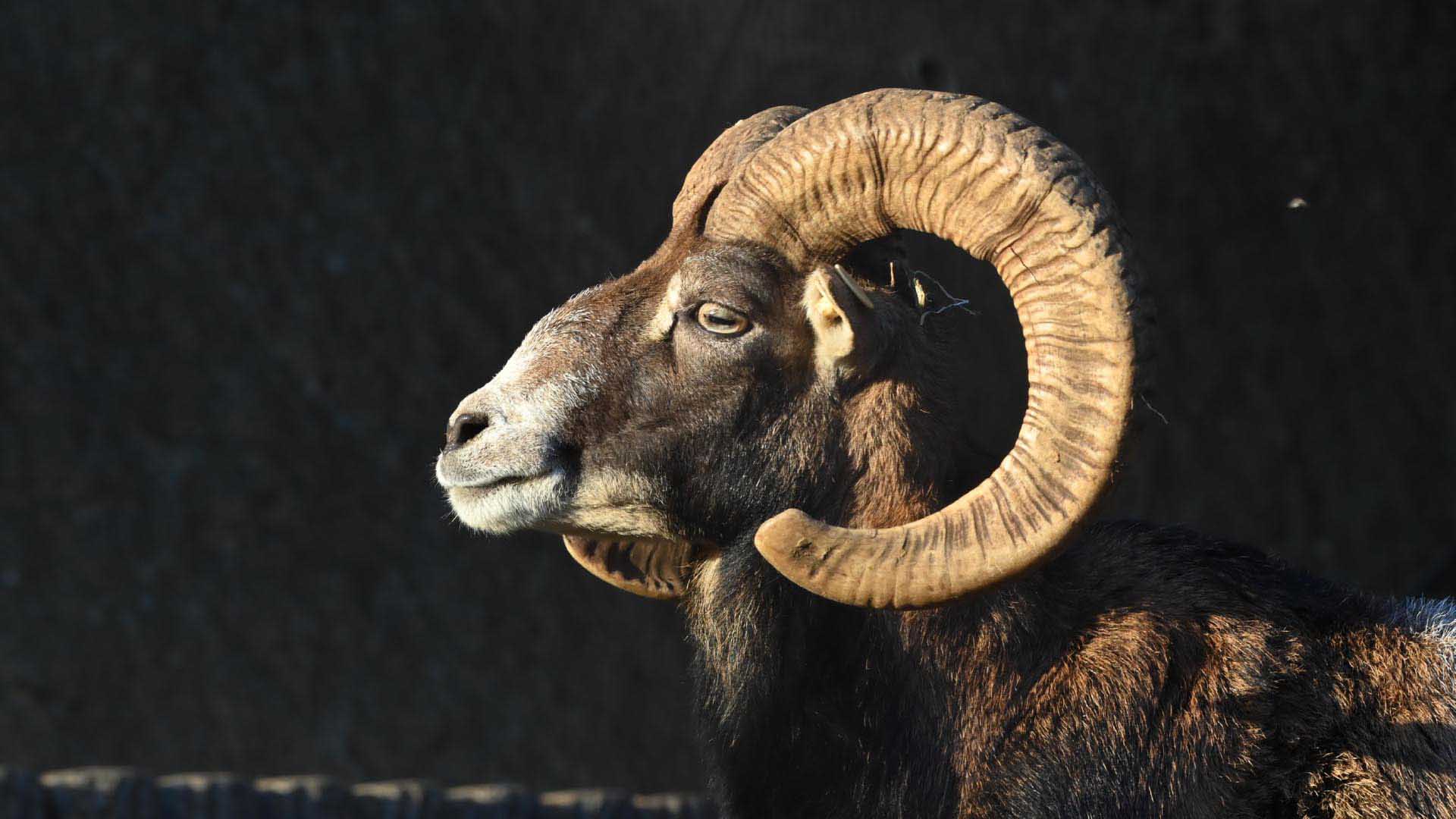
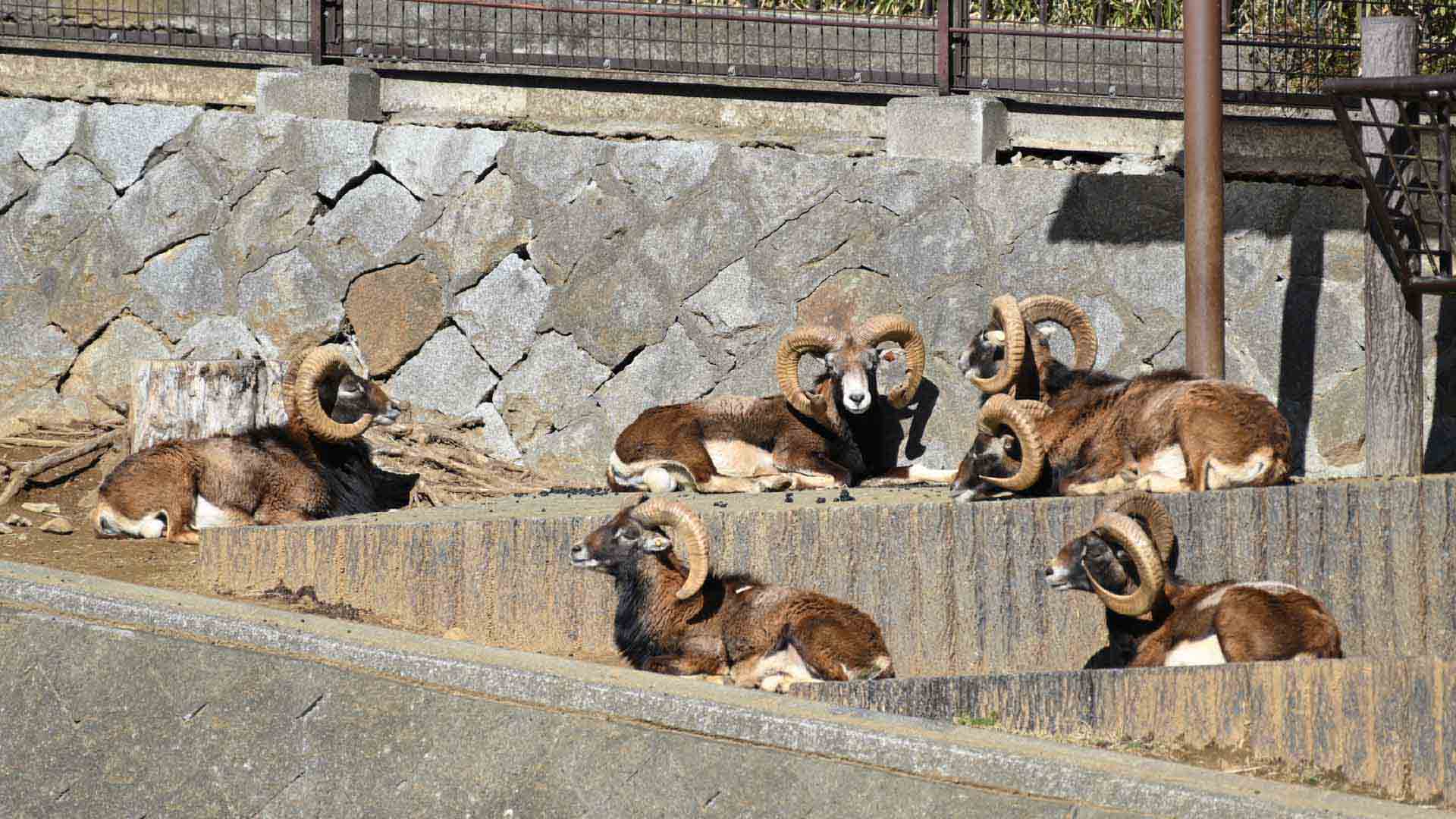
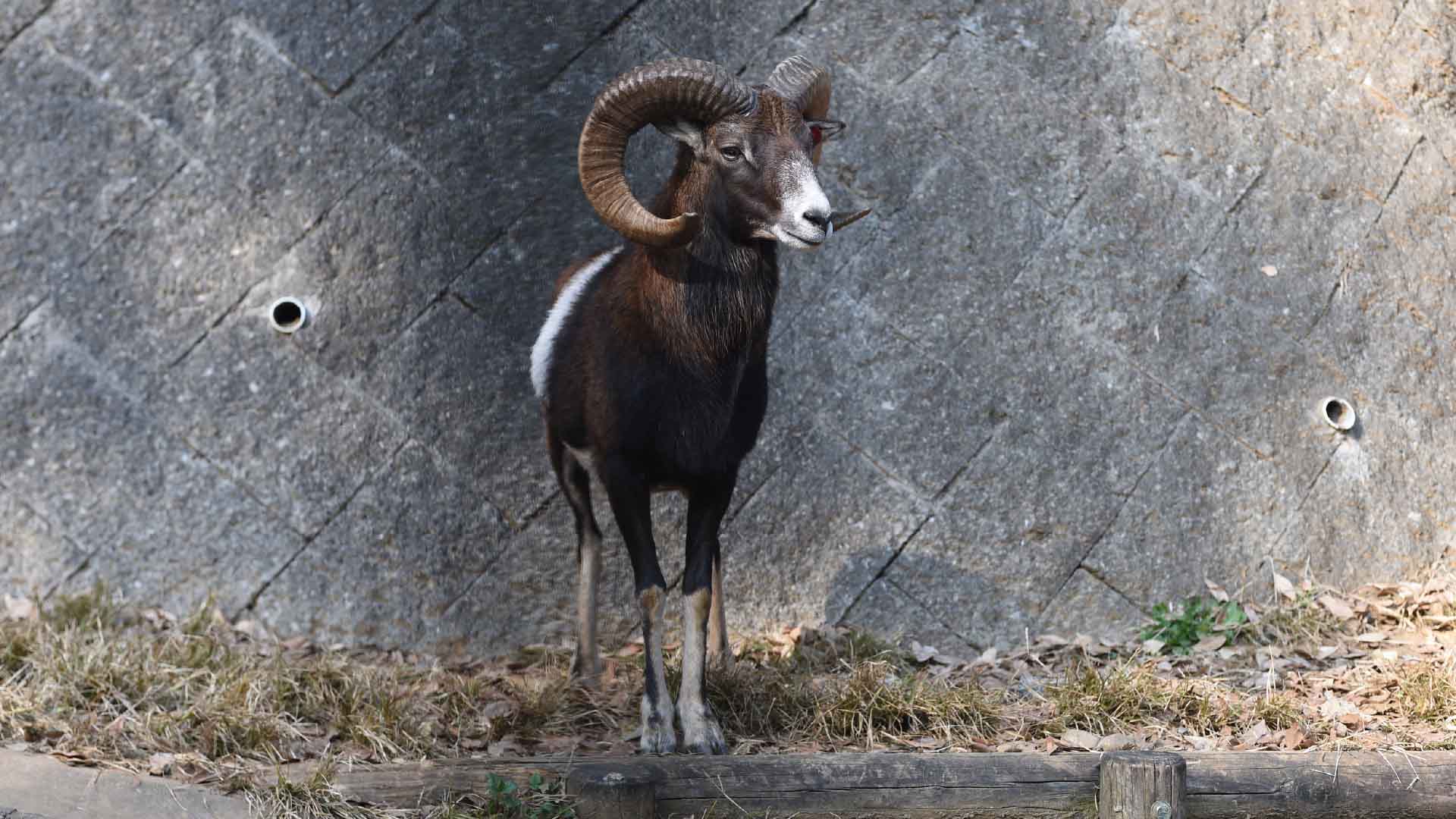
It is one of the smallest species of wild sheep. Males have large, curved horns, and their fur color is clearly different between summer and winter. Males and females live in separate groups except during the breeding season, when they come together. During this time, males will clash their horns against each other in a contest of strength.
| classification | Mammalia, Artiodactyla, Bovidae |
|---|---|
| English name | Mouflon |
| distribution | Corsica, Sardinia |
| Residence | Mountains |
| Size |
Head torso length: 100-120cm
Shoulder height: 60-70cm Weight: 30-50 kg |
| food | Grass, leaves |
| Red List |
Unrated
|
History of domestication
Mouflon were widely distributed in a primitive domesticated state before they were selectively bred, and are believed to have been transported to the islands of Corsica and Sardinia between 6,000 and 5,000 BC. After that, they became wild, where they remain to this day. The individuals kept at Tama Zoo are thought to be descendants of Mouflon that became wild on islands such as Corsica and Sardinia.