

Zoo Stock Species and the Red List
Zoo Stock Species and the Red List
Zoo Stock
This indicates that the species is included in the Second Zoo Stock Plan, which was formulated by the Tokyo Metropolitan Government in 2018. The plan sets goals for the next 10 years in three areas: "species conservation," "contribution to wildlife conservation," and "environmental education and conservation awareness." 124 animal species are included.
What is the Red List?
Based on scientific research, this is a list of wildlife classified by rank (category) indicating the degree of risk of extinction.
Livng Things Encyclopedia shows the categories (mainland and islands) assessed by the IUCN (International Union for Conservation of Nature) at the global level, the Ministry of the Environment for Japan, and the Tokyo Metropolitan Government for Tokyo.
The higher the category in each table, the higher the risk of extinction, and CR, EN, and VU are the three categories known as "endangered species." In Tokyo, species that are not at the NT (near threatened) level but are relatively rare are considered "species of concern."
|
IUCN categories |
|
|---|---|
|
EX |
extinction |
|
EW |
Extinction in the wild |
|
CR+EN |
— |
|
CR |
Serious crisis |
|
EN |
crisis |
|
VU |
emergency |
|
NT |
Near Threatened |
|
LC・○ |
Low Concern |
|
DD |
Data shortage |
|
LP |
— |
|
Japan (Ministry of the Environment) Category |
|
|---|---|
|
EX |
extinction |
|
EW |
Extinction in the wild |
|
CR+EN |
Endangered species |
|
CR |
Critically Endangered |
|
EN |
Endangered species |
|
VU |
Endangered species |
|
NT |
Near Threatened |
|
LC・○ |
— |
|
DD |
Lack of information |
|
LP |
Endangered |
|
Tokyo Category |
|
|---|---|
|
EX |
extinction |
|
EW |
Extinction in the wild |
|
CR+EN |
Endangered species |
|
CR |
Critically Endangered |
|
EN |
Endangered species |
|
VU |
Endangered species |
|
NT |
Near Threatened |
|
LC・○ |
Unranked |
|
DD |
Lack of information |
|
LP |
Endangered |
Creatures at Tama Zoo
Creatures at Tama Zoo
Leaf-cutter Ant
Leaf-cutter Ant
Atta sexdens
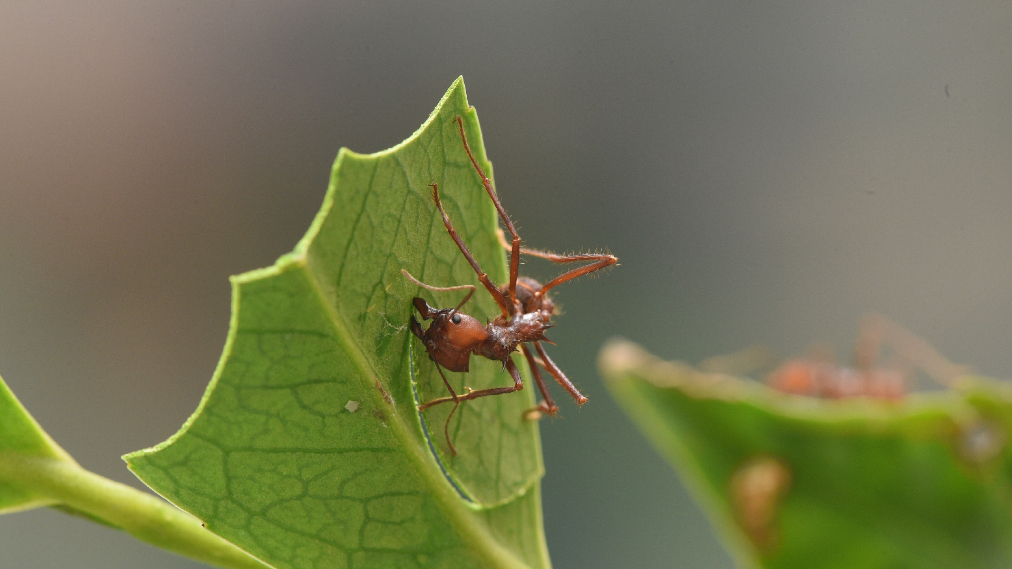
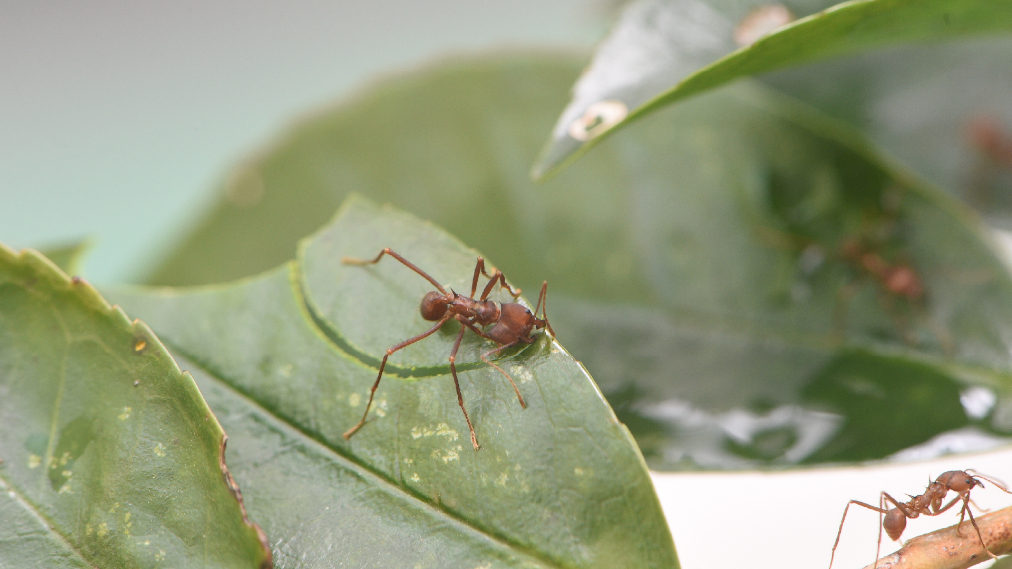
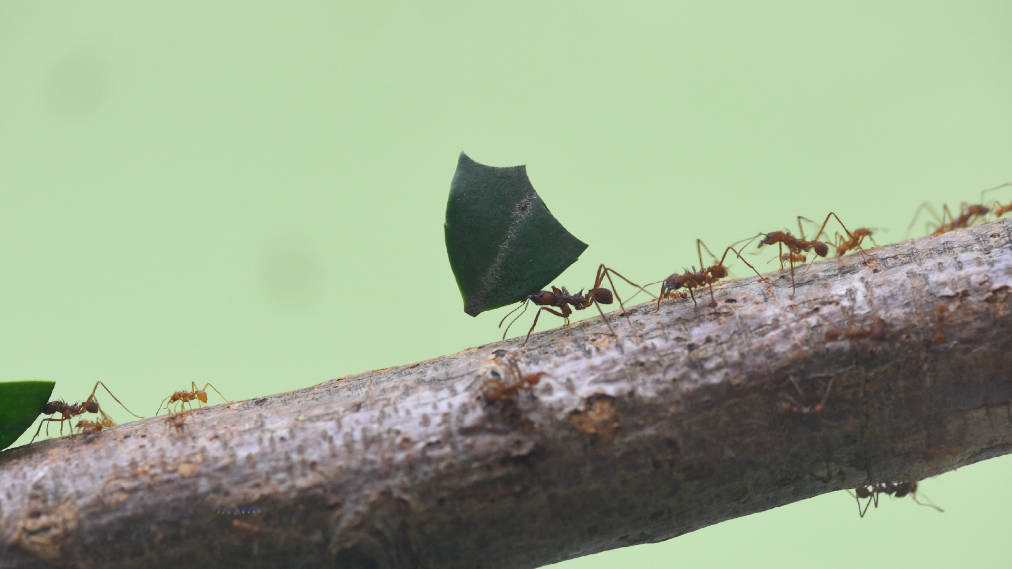
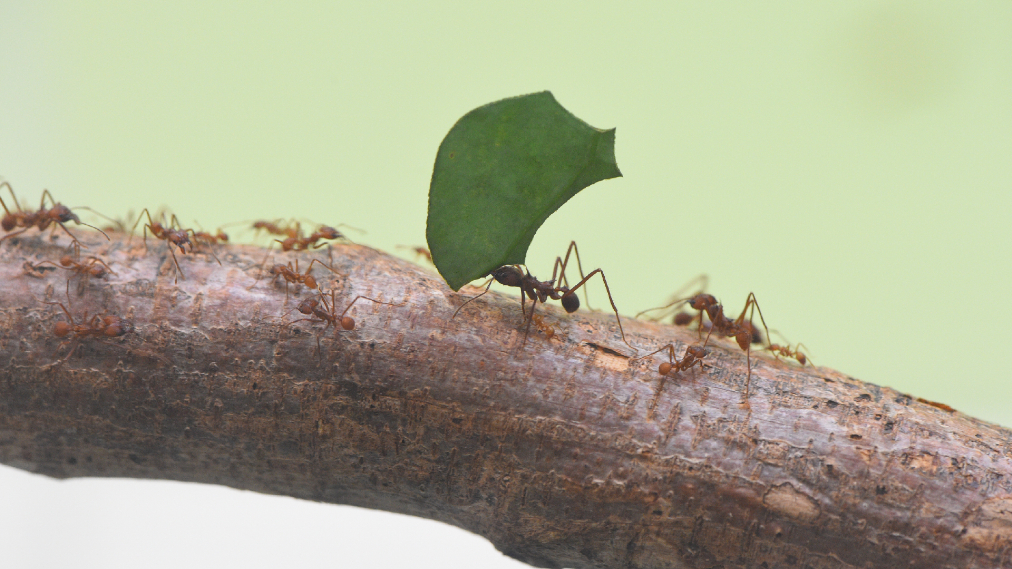
They cut off leaves and bring them into the nest to grow fungi for food. A single queen ant and her worker offspring live in the same nest. Only the queen ant reproduces, and the worker caste does not produce offspring. All worker ants are female and come in a variety of sizes. They do not lay eggs, but instead take care of the fungal garden and the queen's offspring.
| classification | Insecta, Hymenoptera, Formicidae |
|---|---|
| English name | Leaf-cutter Ant |
| distribution | Latin America |
| Residence | tropical rainforest |
| Size |
Body length (length from head to end of abdomen)
Worker ants: 3-18mm Queen ant: 25mm Male 25mm |
| food | Fungi (symbiotic bacteria) |
| Red List |
Unrated
|
Division of labor based on body size
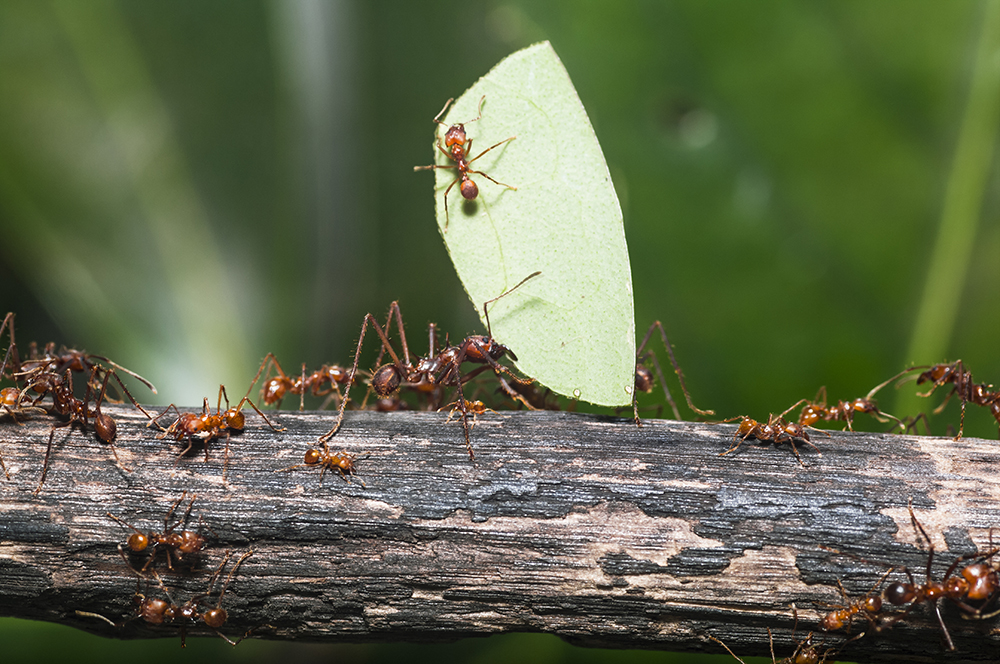
Worker ants come in a variety of sizes. Smaller individuals often tend to the fungal gardens and care for the offspring within the nest, while medium-sized individuals, about 1 cm in size, perform various tasks such as cutting and carrying leaves. Larger individuals with large heads protect the nest from predators.
Only here in Japan!
Tama Zoo is the only place in Japan that exhibits live Leaf-cutter Ant (as of 2025).