

Zoo Stock Species and the Red List
Zoo Stock Species and the Red List
Zoo Stock

This indicates that the species is included in the Second Zoo Stock Plan, which was formulated by the Tokyo Metropolitan Government in 2018. The plan sets goals for the next 10 years in three areas: "species conservation," "contribution to wildlife conservation," and "environmental education and conservation awareness." 124 animal species are included.
What is the Red List?
Based on scientific research, this is a list of wildlife classified by rank (category) indicating the degree of risk of extinction.
Livng Things Encyclopedia shows the categories (mainland and islands) assessed by the IUCN (International Union for Conservation of Nature) at the global level, the Ministry of the Environment for Japan, and the Tokyo Metropolitan Government for Tokyo.
The higher the category in each table, the higher the risk of extinction, and CR, EN, and VU are the three categories known as "endangered species." In Tokyo, species that are not at the NT (near threatened) level but are relatively rare are considered "species of concern."
|
IUCN categories |
|
|---|---|
|
EX |
extinction |
|
EW |
Extinction in the wild |
|
CR+EN |
— |
|
CR |
Serious crisis |
|
EN |
crisis |
|
VU |
emergency |
|
NT |
Near Threatened |
|
LC・○ |
Low Concern |
|
DD |
Data shortage |
|
LP |
— |
|
Japan (Ministry of the Environment) Category |
|
|---|---|
|
EX |
extinction |
|
EW |
Extinction in the wild |
|
CR+EN |
Endangered species |
|
CR |
Critically Endangered |
|
EN |
Endangered species |
|
VU |
Endangered species |
|
NT |
Near Threatened |
|
LC・○ |
— |
|
DD |
Lack of information |
|
LP |
Endangered |
|
Tokyo Category |
|
|---|---|
|
EX |
extinction |
|
EW |
Extinction in the wild |
|
CR+EN |
Endangered species |
|
CR |
Critically Endangered |
|
EN |
Endangered species |
|
VU |
Endangered species |
|
NT |
Near Threatened |
|
LC・○ |
Unranked |
|
DD |
Lack of information |
|
LP |
Endangered |
Creatures at Tama Zoo
Creatures at Tama Zoo
Large Japanese Field Mouse
Large Japanese Field Mouse
Apodemus speciosus
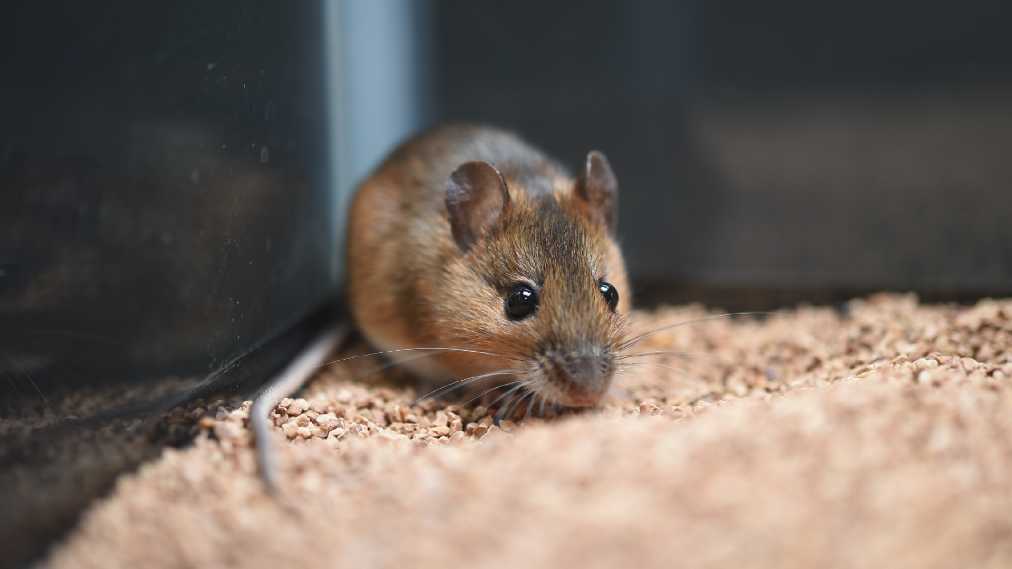
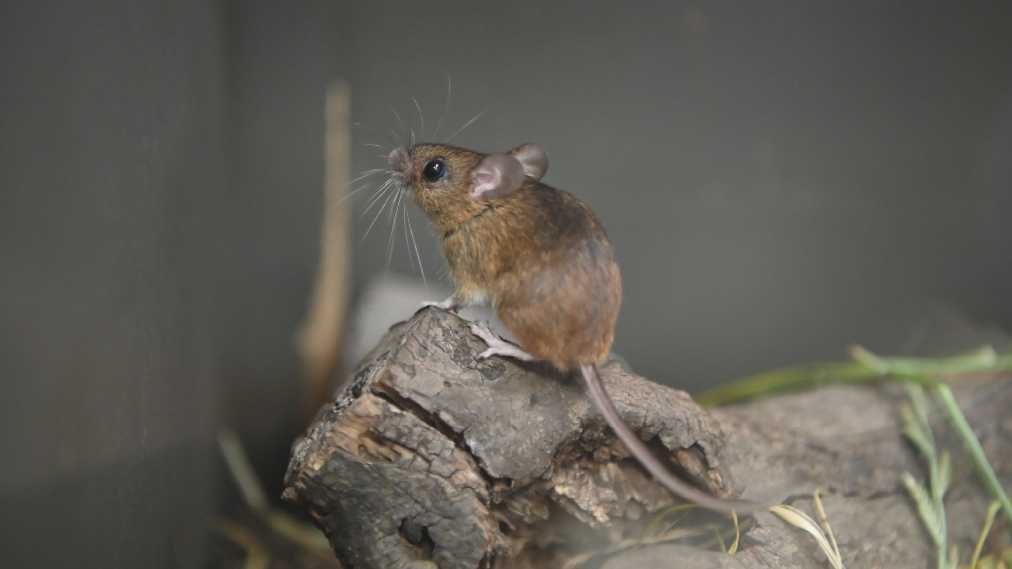
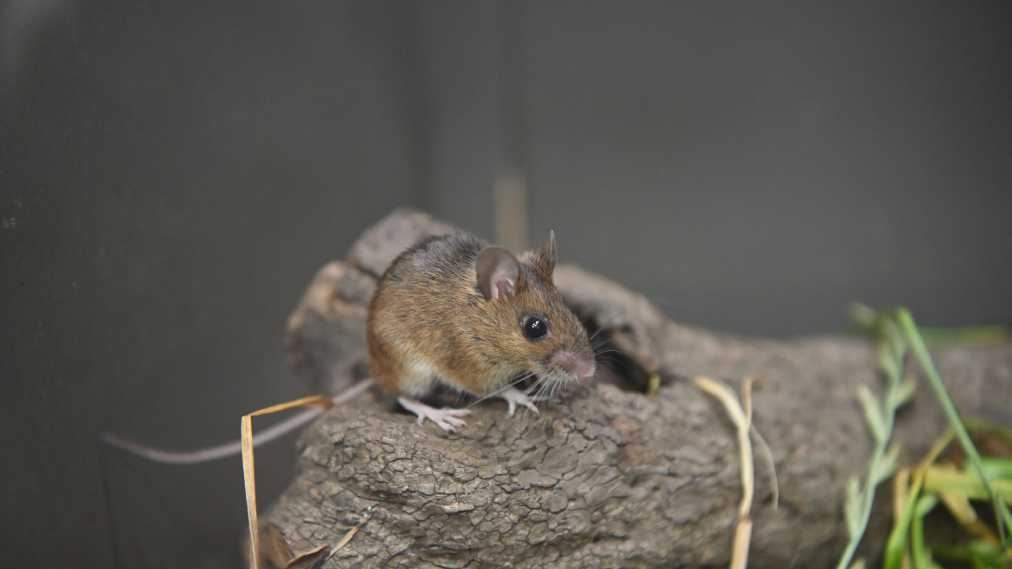
They are found widely in the mountains and fields of Japan and are active at night. They live in underground burrows. They resemble the Japanese Small Japanese Field Mouse, but are larger and can be distinguished by their head, body, and tail lengths being equal or shorter. They also live in a wider variety of environments than Small Japanese Field Mouse. They are highly mobile and can travel several kilometers in a single day. They are polygamous, and females tend to keep males away unless they are available to mate.
| classification | Mammalia, Rodentia, Muridae |
|---|---|
| English name | Large Japanese Field Mouse |
| distribution | Japan |
| Residence | Lowland to alpine forests, fields and rice paddy edges, riverside bushes |
| Size |
頭胴長:83~140mm
尾長:69~129mm 体重:20~72g |
| food | Seeds, insects, rhizomes, fruits, etc. |
| Red List |
IUCN: LC (Least Concern)
Tokyo: ○ (not ranked) |