

Zoo Stock Species and the Red List
Zoo Stock Species and the Red List
Zoo Stock

This indicates that the species is included in the Second Zoo Stock Plan, which was formulated by the Tokyo Metropolitan Government in 2018. The plan sets goals for the next 10 years in three areas: "species conservation," "contribution to wildlife conservation," and "environmental education and conservation awareness." 124 animal species are included.
What is the Red List?
Based on scientific research, this is a list of wildlife classified by rank (category) indicating the degree of risk of extinction.
Livng Things Encyclopedia shows the categories (mainland and islands) assessed by the IUCN (International Union for Conservation of Nature) at the global level, the Ministry of the Environment for Japan, and the Tokyo Metropolitan Government for Tokyo.
The higher the category in each table, the higher the risk of extinction, and CR, EN, and VU are the three categories known as "endangered species." In Tokyo, species that are not at the NT (near threatened) level but are relatively rare are considered "species of concern."
|
IUCN categories |
|
|---|---|
|
EX |
extinction |
|
EW |
Extinction in the wild |
|
CR+EN |
— |
|
CR |
Serious crisis |
|
EN |
crisis |
|
VU |
emergency |
|
NT |
Near Threatened |
|
LC・○ |
Low Concern |
|
DD |
Data shortage |
|
LP |
— |
|
Japan (Ministry of the Environment) Category |
|
|---|---|
|
EX |
extinction |
|
EW |
Extinction in the wild |
|
CR+EN |
Endangered species |
|
CR |
Critically Endangered |
|
EN |
Endangered species |
|
VU |
Endangered species |
|
NT |
Near Threatened |
|
LC・○ |
— |
|
DD |
Lack of information |
|
LP |
Endangered |
|
Tokyo Category |
|
|---|---|
|
EX |
extinction |
|
EW |
Extinction in the wild |
|
CR+EN |
Endangered species |
|
CR |
Critically Endangered |
|
EN |
Endangered species |
|
VU |
Endangered species |
|
NT |
Near Threatened |
|
LC・○ |
Unranked |
|
DD |
Lack of information |
|
LP |
Endangered |
Creatures at Tama Zoo
Creatures at Tama Zoo

Koala
Koala
Phascolarctos cinereus
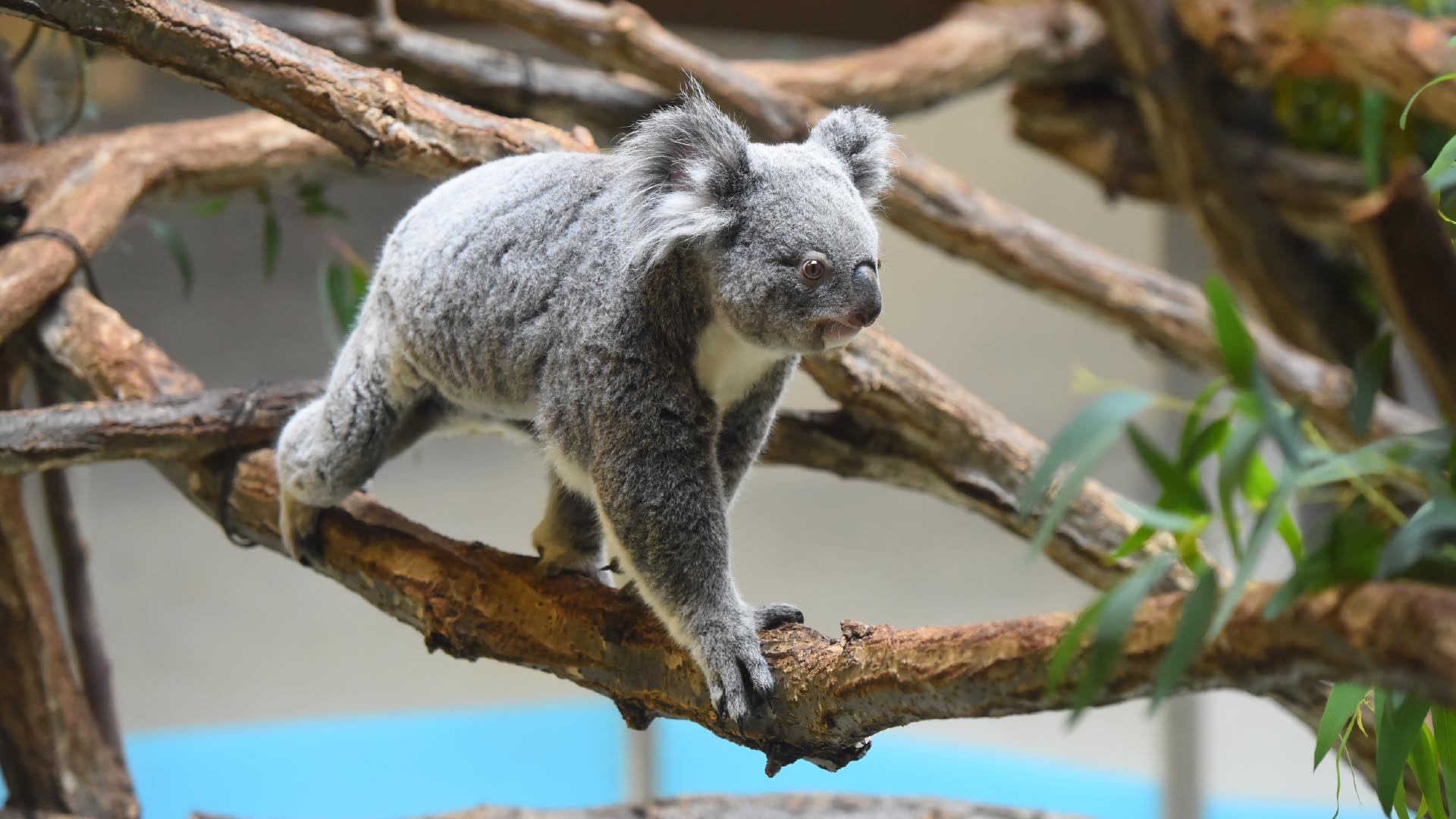
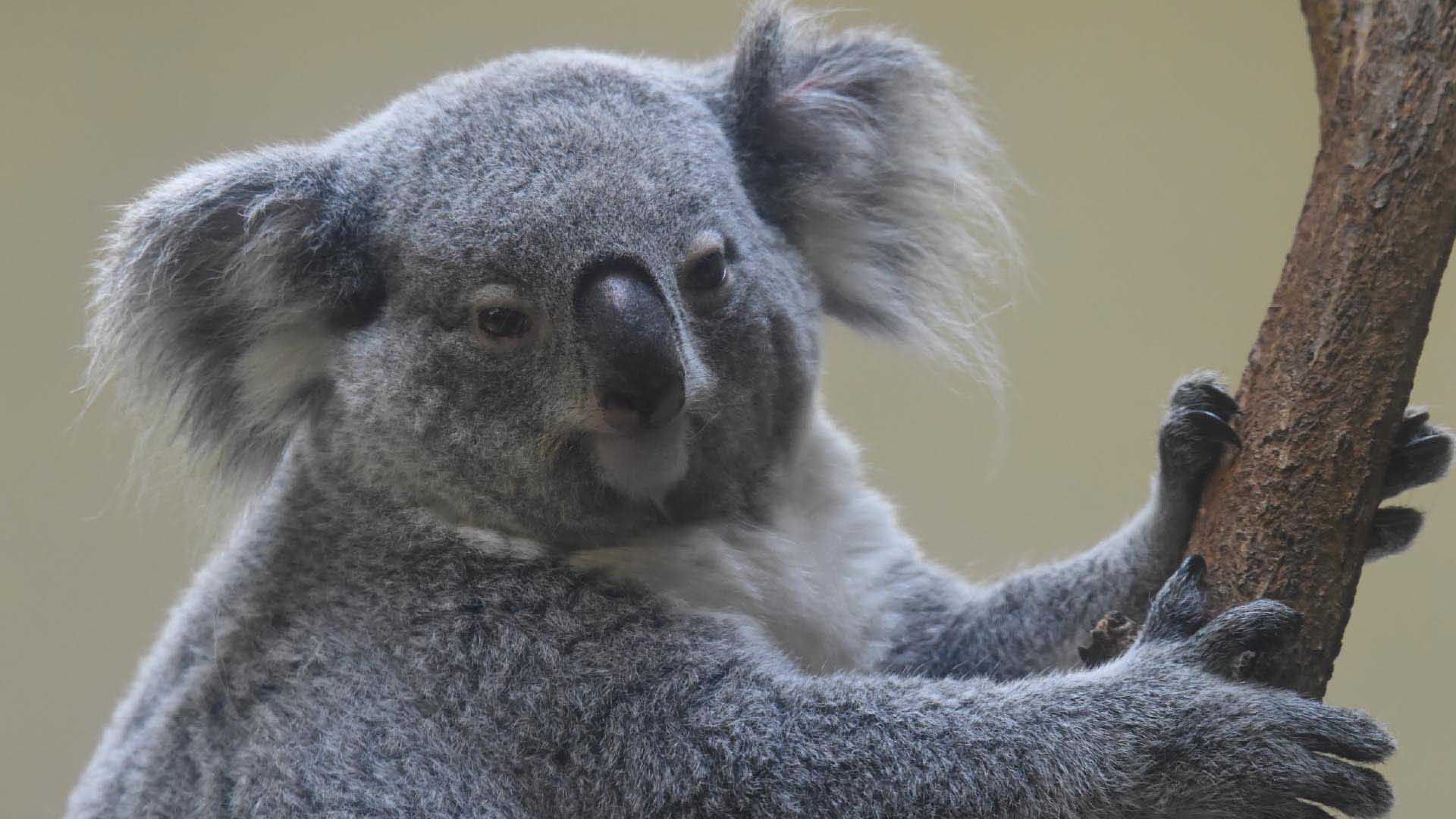
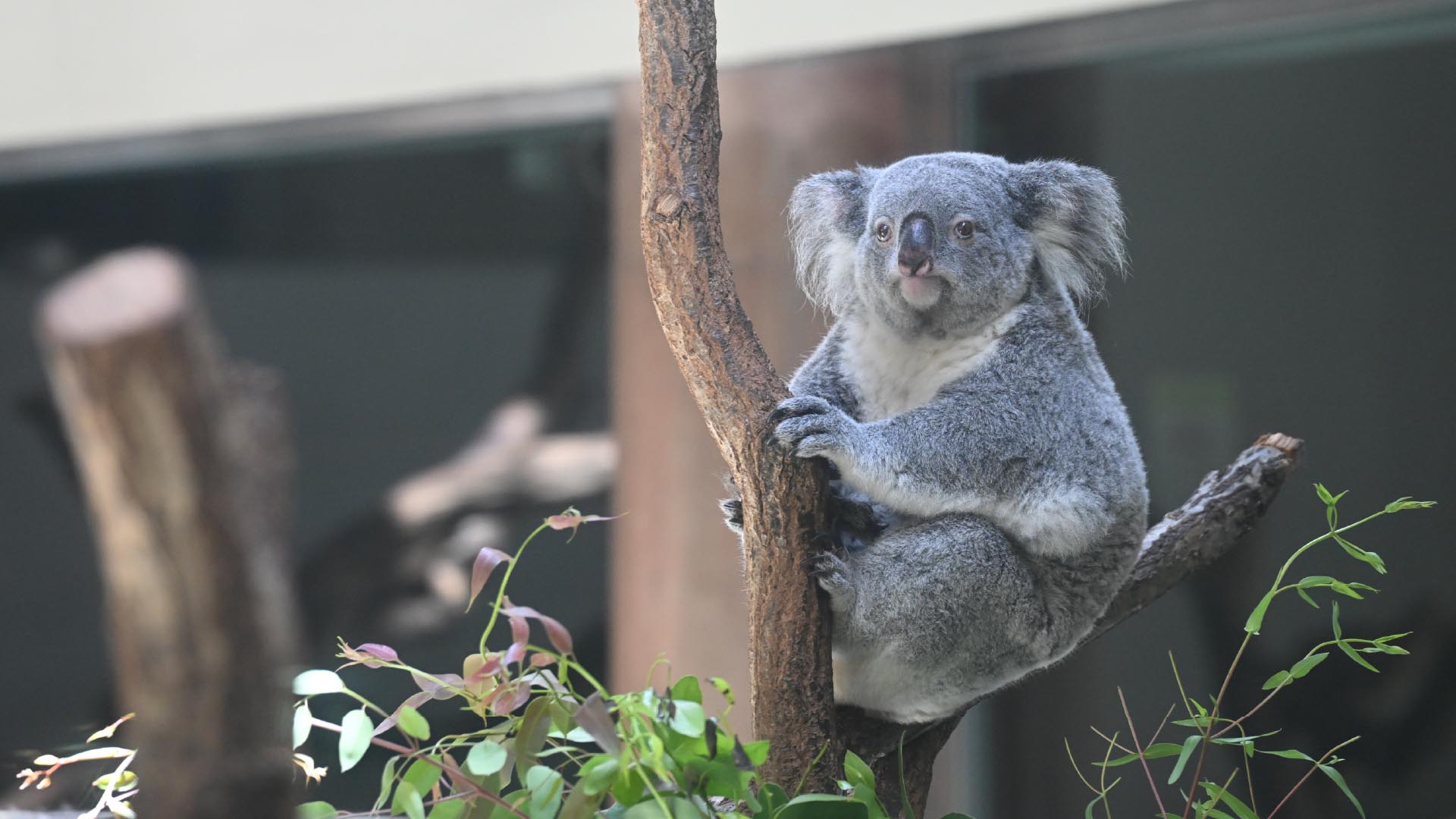
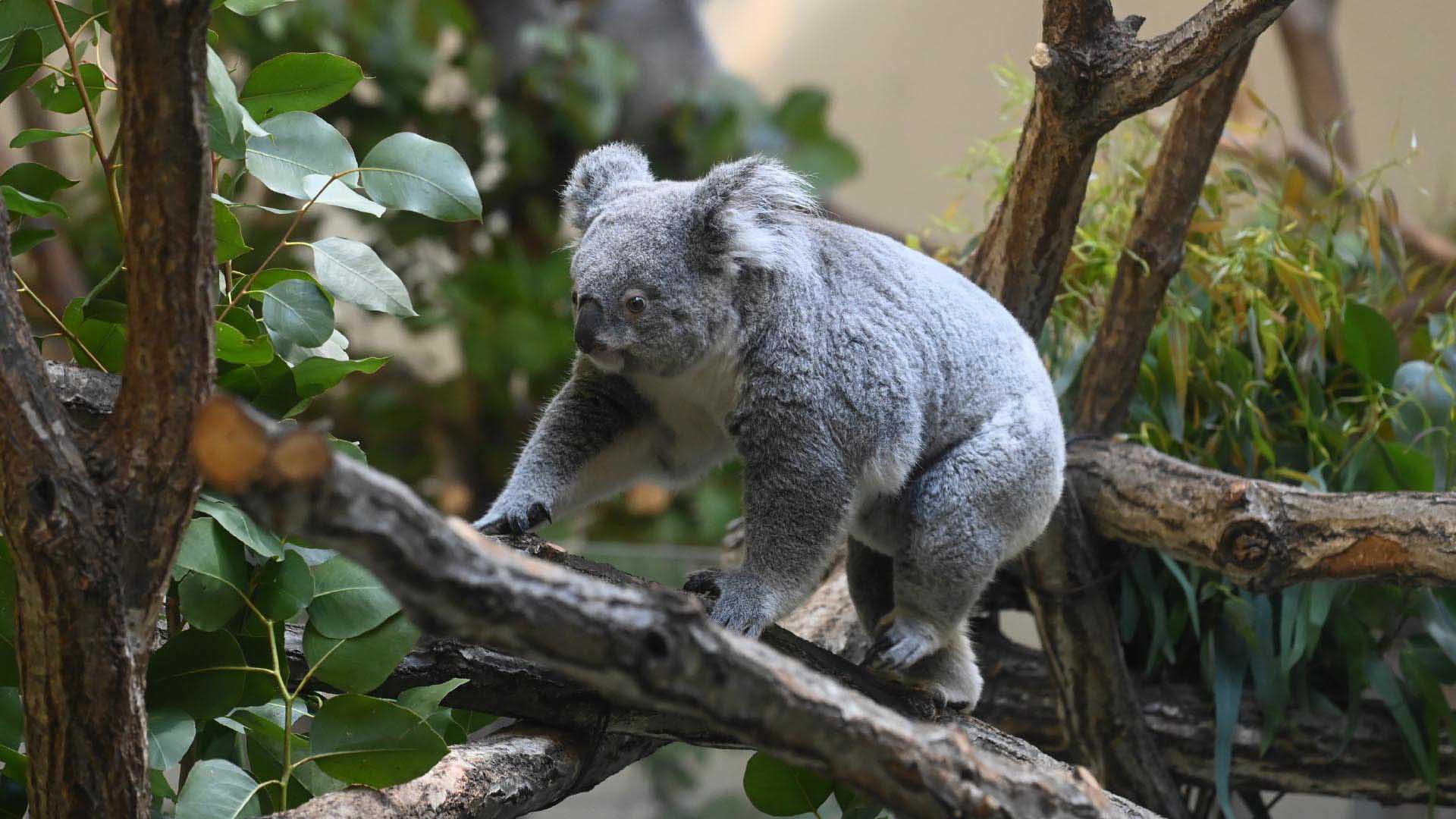
They live in the eucalyptus forests of eastern Australia, feeding exclusively on eucalyptus leaves. Because eucalyptus leaves take a long time to digest and absorb, they spend 19 to 20 hours a day sleeping or resting in the trees. Except when raising their young, they generally live alone.
| classification | Mammalia, Koala |
|---|---|
| English name | Koala |
| distribution | Eastern part of the Australian continent |
| Residence | eucalyptus forest |
| Size |
Weight: 5-7kg
|
| food | Eucalyptus leaves |
| Red List |
IUCN: VU (Very)
|
Koala eating eucalyptus leaves
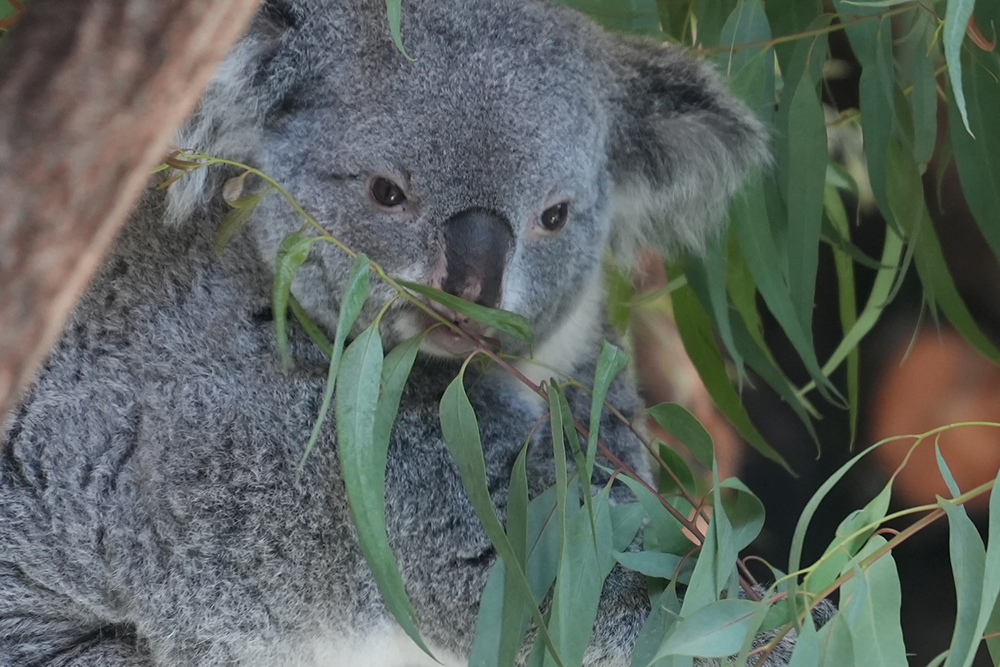
Eucalyptus is poisonous and contains a lot of fiber, so Koala choose from the approximately 600 species of eucalyptus they eat based on their smell and taste, choosing ones that are easy to detoxify and digest.
A body adapted to life in trees
The second and third toes on their front feet are separated, and the first toe on their back feet is separated from the other four. This allows them to grip branches firmly. The claws on the tips of their toes also act as spikes, allowing them to hold on firmly to thick trees.
The first zoo in Japan to keep Koala
Tama Zoo is one of the first zoos in Japan to receive Koala from Australia. Since beginning to keep Koala on October 25, 1984, the park has continued to breed and research them.
cry
They rarely make any noise, but males may call out to display their territory.