

Zoo Stock Species and the Red List
Zoo Stock Species and the Red List
Zoo Stock
This indicates that the species is included in the Second Zoo Stock Plan, which was formulated by the Tokyo Metropolitan Government in 2018. The plan sets goals for the next 10 years in three areas: "species conservation," "contribution to wildlife conservation," and "environmental education and conservation awareness." 124 animal species are included.
What is the Red List?
Based on scientific research, this is a list of wildlife classified by rank (category) indicating the degree of risk of extinction.
Livng Things Encyclopedia shows the categories (mainland and islands) assessed by the IUCN (International Union for Conservation of Nature) at the global level, the Ministry of the Environment for Japan, and the Tokyo Metropolitan Government for Tokyo.
The higher the category in each table, the higher the risk of extinction, and CR, EN, and VU are the three categories known as "endangered species." In Tokyo, species that are not at the NT (near threatened) level but are relatively rare are considered "species of concern."
|
IUCN categories |
|
|---|---|
|
EX |
extinction |
|
EW |
Extinction in the wild |
|
CR+EN |
— |
|
CR |
Serious crisis |
|
EN |
crisis |
|
VU |
emergency |
|
NT |
Near Threatened |
|
LC・○ |
Low Concern |
|
DD |
Data shortage |
|
LP |
— |
|
Japan (Ministry of the Environment) Category |
|
|---|---|
|
EX |
extinction |
|
EW |
Extinction in the wild |
|
CR+EN |
Endangered species |
|
CR |
Critically Endangered |
|
EN |
Endangered species |
|
VU |
Endangered species |
|
NT |
Near Threatened |
|
LC・○ |
— |
|
DD |
Lack of information |
|
LP |
Endangered |
|
Tokyo Category |
|
|---|---|
|
EX |
extinction |
|
EW |
Extinction in the wild |
|
CR+EN |
Endangered species |
|
CR |
Critically Endangered |
|
EN |
Endangered species |
|
VU |
Endangered species |
|
NT |
Near Threatened |
|
LC・○ |
Unranked |
|
DD |
Lack of information |
|
LP |
Endangered |
Creatures at Tama Zoo
Creatures at Tama Zoo
Japanese Serow
Japanese Serow
Capricornis crispus
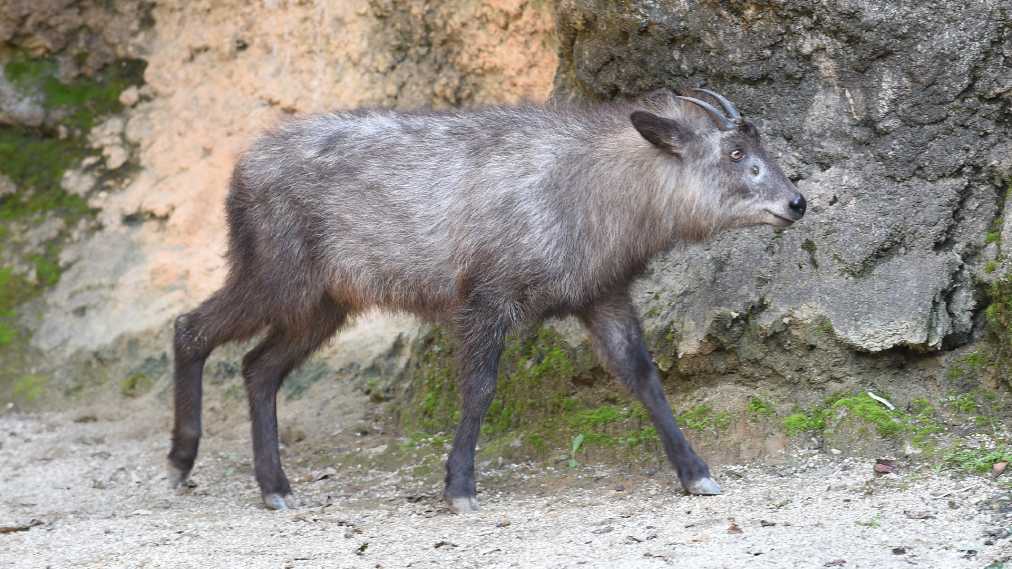
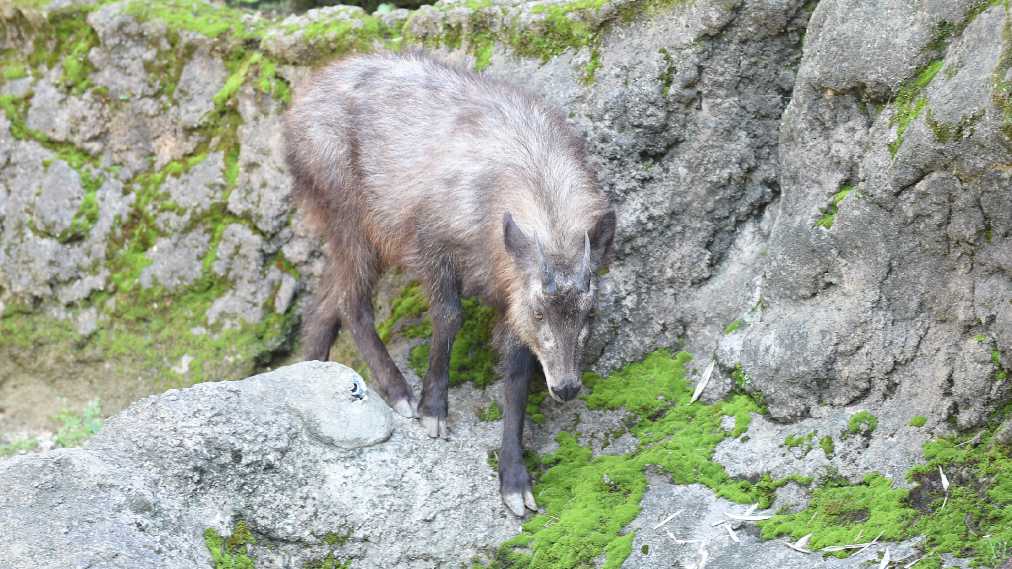
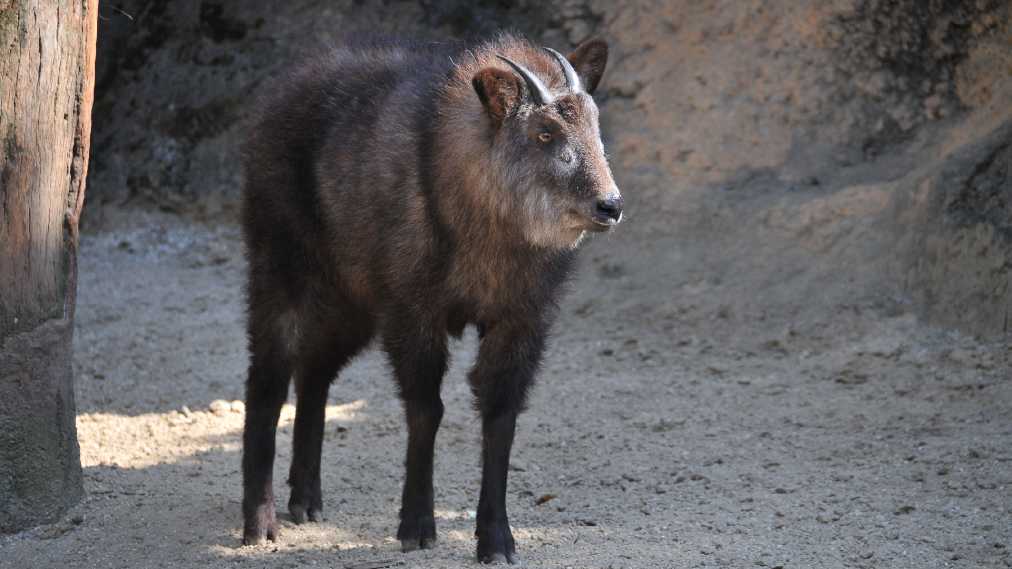
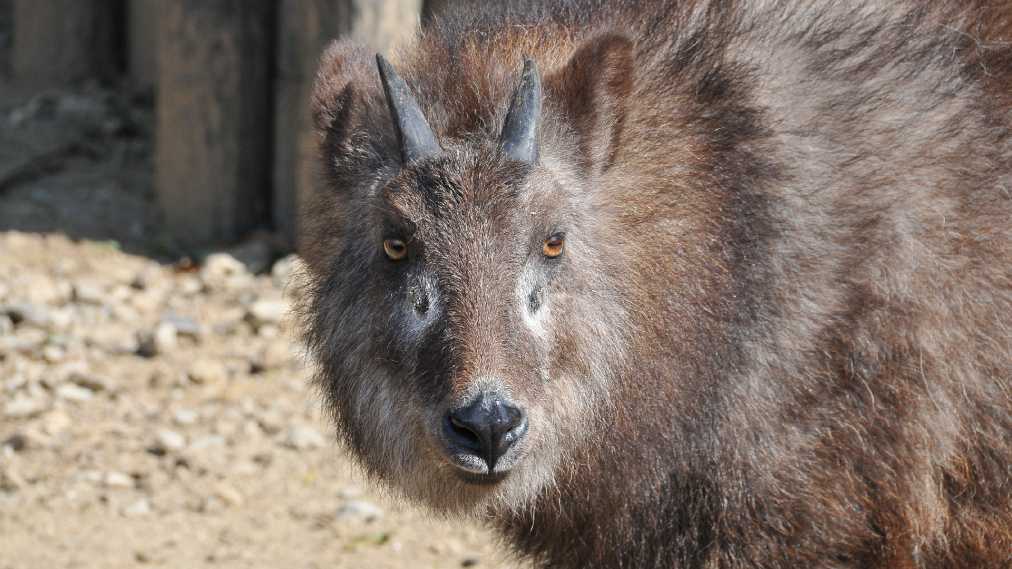
This species is endemic to Japan, living in mountainous regions. Both males and females have their own territories and live alone. They prefer to eat soft leaves and young shoots, and they ruminate by bringing food back from their stomachs to their mouths and chewing it again. In autumn, fluffy white fur grows densely underneath their stiff, straight fur, helping them maintain body temperature and endure the harsh cold of the winter mountains.
| classification | Mammalia, Artiodactyla, Bovidae |
|---|---|
| English name | Japanese Serow |
| distribution | Japan (Honshu, Shikoku, Kyushu) |
| Residence | mountain forests |
| Size |
Head torso length: 1-1.2m
|
| food | Leaves, bark, buds, branches and grass |
| Red List |
IUCN: LC (Least Concern)
Japan: LP (Local Population at Risk of Extinction) Tokyo: VU (Various) |
Communicate through smell
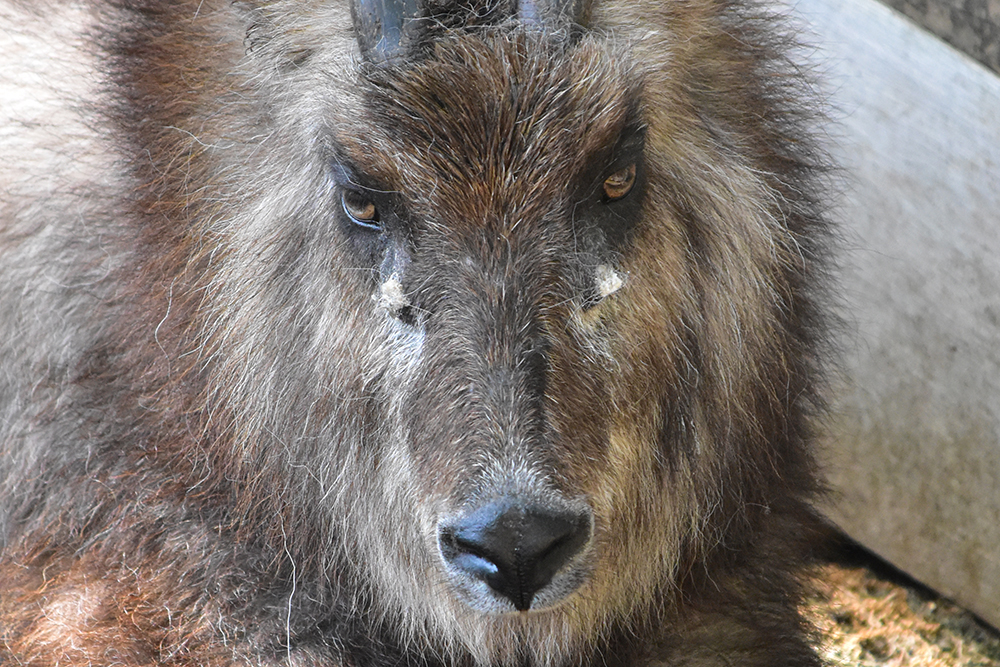
They have areas under their eyes that secrete a scent-producing liquid, and by rubbing their scent on branches, rocks, and other surfaces, they let other serows know they are there. They also repeatedly defecate in certain locations within their territory, which also serves as a "marker" of their presence. This scent-based communication seems to be more common during the breeding season in late autumn.
Do you have four eyes?
Below their actual eyes, they have a slightly bulging, black, eye-like structure. A smelly liquid oozes from this. Japanese Serow rub this area against trees and rocks to mark their territory.