

Zoo Stock Species and the Red List
Zoo Stock Species and the Red List
Zoo Stock

This indicates that the species is included in the Second Zoo Stock Plan, which was formulated by the Tokyo Metropolitan Government in 2018. The plan sets goals for the next 10 years in three areas: "species conservation," "contribution to wildlife conservation," and "environmental education and conservation awareness." 124 animal species are included.
What is the Red List?
Based on scientific research, this is a list of wildlife classified by rank (category) indicating the degree of risk of extinction.
Livng Things Encyclopedia shows the categories (mainland and islands) assessed by the IUCN (International Union for Conservation of Nature) at the global level, the Ministry of the Environment for Japan, and the Tokyo Metropolitan Government for Tokyo.
The higher the category in each table, the higher the risk of extinction, and CR, EN, and VU are the three categories known as "endangered species." In Tokyo, species that are not at the NT (near threatened) level but are relatively rare are considered "species of concern."
|
IUCN categories |
|
|---|---|
|
EX |
extinction |
|
EW |
Extinction in the wild |
|
CR+EN |
— |
|
CR |
Serious crisis |
|
EN |
crisis |
|
VU |
emergency |
|
NT |
Near Threatened |
|
LC・○ |
Low Concern |
|
DD |
Data shortage |
|
LP |
— |
|
Japan (Ministry of the Environment) Category |
|
|---|---|
|
EX |
extinction |
|
EW |
Extinction in the wild |
|
CR+EN |
Endangered species |
|
CR |
Critically Endangered |
|
EN |
Endangered species |
|
VU |
Endangered species |
|
NT |
Near Threatened |
|
LC・○ |
— |
|
DD |
Lack of information |
|
LP |
Endangered |
|
Tokyo Category |
|
|---|---|
|
EX |
extinction |
|
EW |
Extinction in the wild |
|
CR+EN |
Endangered species |
|
CR |
Critically Endangered |
|
EN |
Endangered species |
|
VU |
Endangered species |
|
NT |
Near Threatened |
|
LC・○ |
Unranked |
|
DD |
Lack of information |
|
LP |
Endangered |
Creatures at Tama Zoo
Creatures at Tama Zoo
Japanese Pipistrelle
Japanese Pipistrelle
Pipistrellus abramus
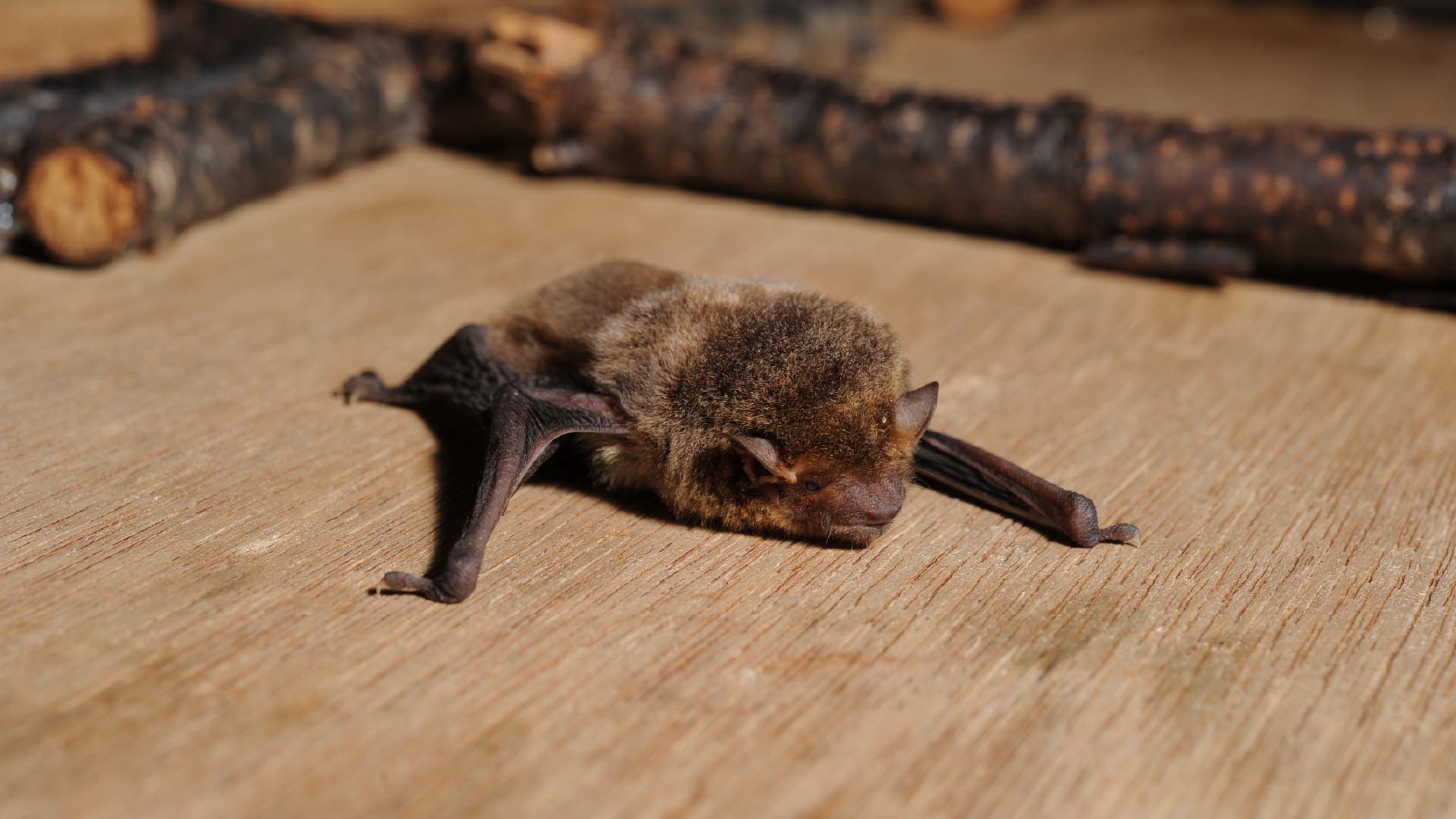
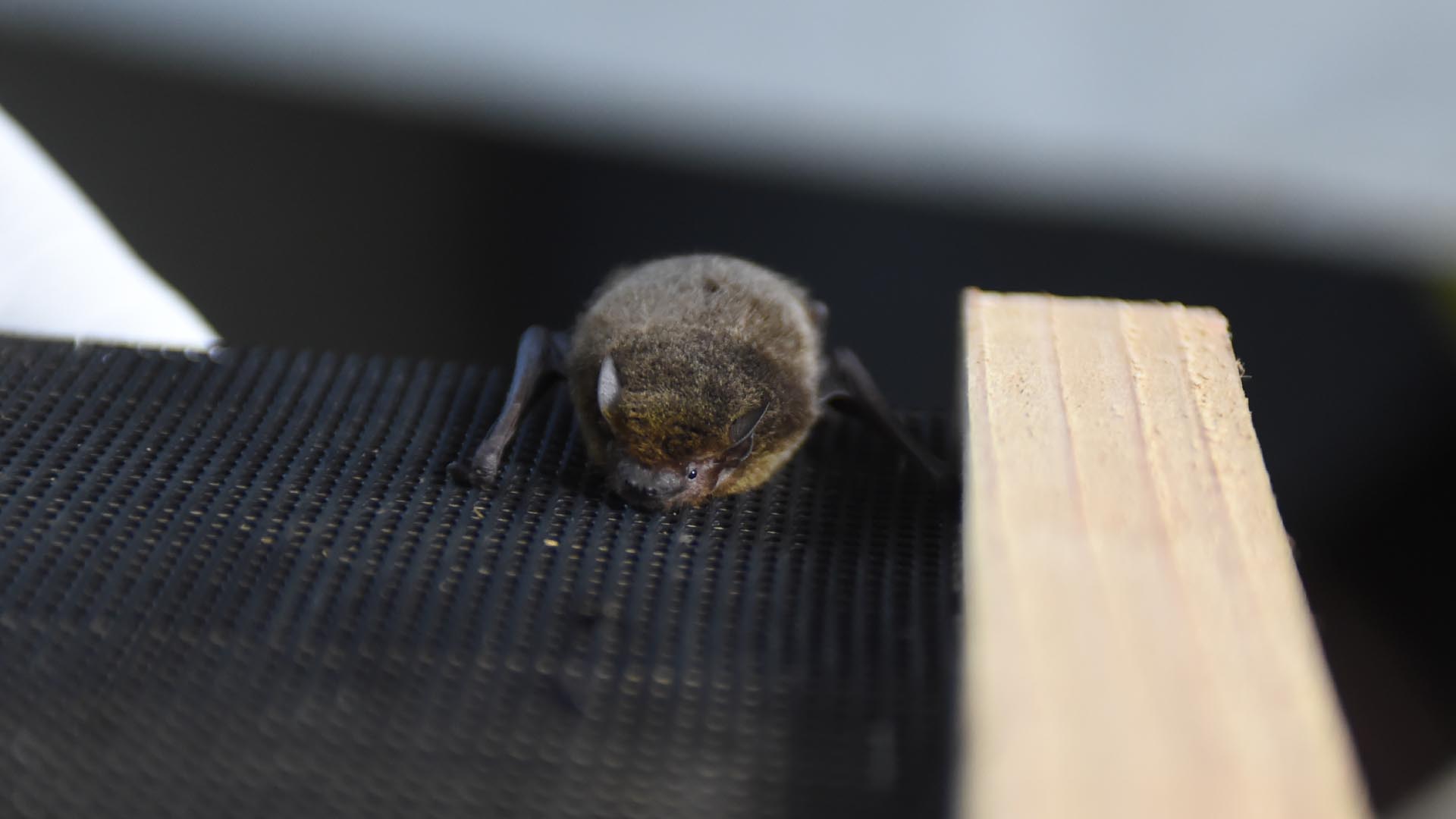
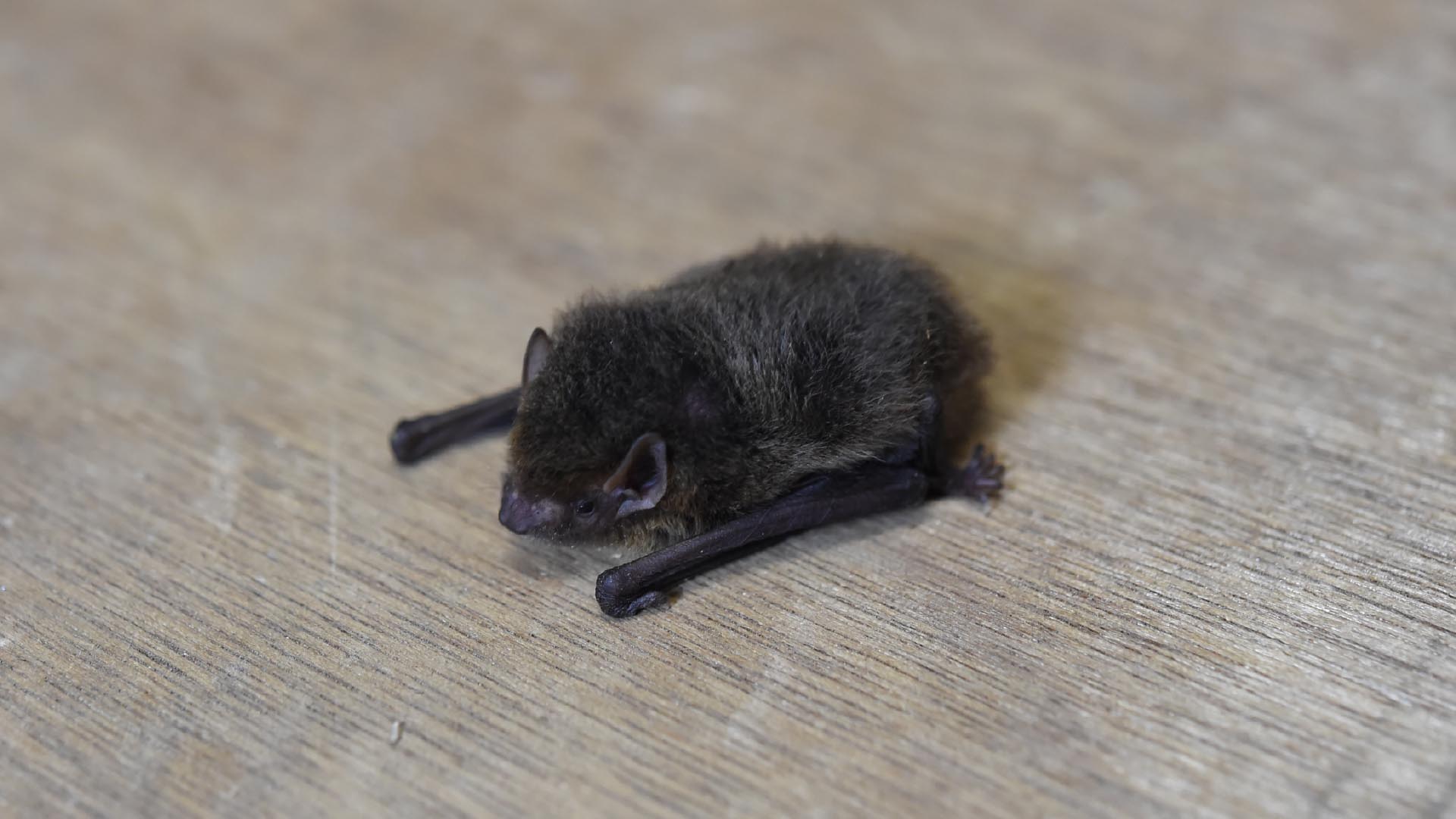
Between April and October, they fly out of their roosts about 30 minutes after sunset to catch insects flying above riverbanks and rice paddies. From around November, they gradually enter hibernation, and until March, they stay almost motionless, lowering their body temperature except for the occasional drink of water. When hibernation ends in April and they become active again, the sperm stored in their bodies from mating with males in the fall implants in the eggs, and around June they give birth to 1 to 4 babies. The babies grow to almost the same size as their parents in about a month. The average lifespan is said to be 5 years for females and 3 years for males.
| classification | Mammals, Chiroptera, Vespertilionidae |
|---|---|
| English name | Japanese Pipistrelle |
| distribution | Russia, China, Taiwan, South Korea, Vietnam, Myanmar, India, Japan (inhabits all prefectures, and on the islands of Tsushima, Amami Oshima, Tokunoshima, Iriomote Island, Kerama Island, Miyako Island, and Okinawa Island) |
| Residence | Daytime (resting place): Under the eaves of a house, etc. Nighttime (feeding location): Riverbanks, etc. |
| Size |
Head torso length: 41-60mm
Forearm length: approx. 30mm Weight: 5-10g |
| food | Flying insects such as mosquitoes, flies, stink bugs, and moths |
| Red List |
IUCN: LC (Least Concern)
|
Fingers and membranes
All fingers except the thumb are long and have membranes between them. In addition, there are membranes from the shoulders to the wrists, from the tip of the fifth finger to the ankles, and from the ankles to the tip of the tail. The membranes are spread out in a thin mesh of protein fibers and muscles, and can be freely changed in shape by moving each finger, tail, and side of the body, allowing complex flight such as hovering, sudden braking, diving, and sudden changes in direction.
Echolocation
They emit ultrasonic waves (high-pitched sounds beyond the range of human hearing) from their mouths and listen to the reflected sound to identify the distance, size, type, etc. of an object. This is called "echolocation," and it is thanks to this ability that they can fly freely even in the dark.
Amount eaten per day
It is said that they eat small insects such as mosquitoes and midges that weigh about one-third to two-thirds of their body weight (2-4g) in one night, which means they eat 600-1,200 Culex pipiens (common mosquitoes).
Feeding at Tama Zoo
In order to continue exhibiting them at the zoo and breed them in captivity, individuals are collected from the wild once a year around September. The captured individuals are fed commercially available larvae, but simply placing a dish of larvae in the enclosure will not get them to eat. Therefore, the bats are first allowed to lick the contents of the larvae to get used to the taste. Next, crushed larvae are presented to the bats' mouths with tweezers. After they have progressed to the next stage, a small paper box is attached to the dish so that the bat can hang from the edge of the box and bring the larvae to the mouth of its mouth. Within a few days, the bats will begin to eat the larvae placed in the dish on their own.