

Zoo Stock Species and the Red List
Zoo Stock Species and the Red List
Zoo Stock

This indicates that the species is included in the Second Zoo Stock Plan, which was formulated by the Tokyo Metropolitan Government in 2018. The plan sets goals for the next 10 years in three areas: "species conservation," "contribution to wildlife conservation," and "environmental education and conservation awareness." 124 animal species are included.
What is the Red List?
Based on scientific research, this is a list of wildlife classified by rank (category) indicating the degree of risk of extinction.
Livng Things Encyclopedia shows the categories (mainland and islands) assessed by the IUCN (International Union for Conservation of Nature) at the global level, the Ministry of the Environment for Japan, and the Tokyo Metropolitan Government for Tokyo.
The higher the category in each table, the higher the risk of extinction, and CR, EN, and VU are the three categories known as "endangered species." In Tokyo, species that are not at the NT (near threatened) level but are relatively rare are considered "species of concern."
|
IUCN categories |
|
|---|---|
|
EX |
extinction |
|
EW |
Extinction in the wild |
|
CR+EN |
— |
|
CR |
Serious crisis |
|
EN |
crisis |
|
VU |
emergency |
|
NT |
Near Threatened |
|
LC・○ |
Low Concern |
|
DD |
Data shortage |
|
LP |
— |
|
Japan (Ministry of the Environment) Category |
|
|---|---|
|
EX |
extinction |
|
EW |
Extinction in the wild |
|
CR+EN |
Endangered species |
|
CR |
Critically Endangered |
|
EN |
Endangered species |
|
VU |
Endangered species |
|
NT |
Near Threatened |
|
LC・○ |
— |
|
DD |
Lack of information |
|
LP |
Endangered |
|
Tokyo Category |
|
|---|---|
|
EX |
extinction |
|
EW |
Extinction in the wild |
|
CR+EN |
Endangered species |
|
CR |
Critically Endangered |
|
EN |
Endangered species |
|
VU |
Endangered species |
|
NT |
Near Threatened |
|
LC・○ |
Unranked |
|
DD |
Lack of information |
|
LP |
Endangered |
Creatures at Tama Zoo
Creatures at Tama Zoo

Golden Eagle
Subspecies: Japanese Golden Eagle
Golden Eagle
Subspecies: Japanese Golden EagleAquila chrysaetos japonica
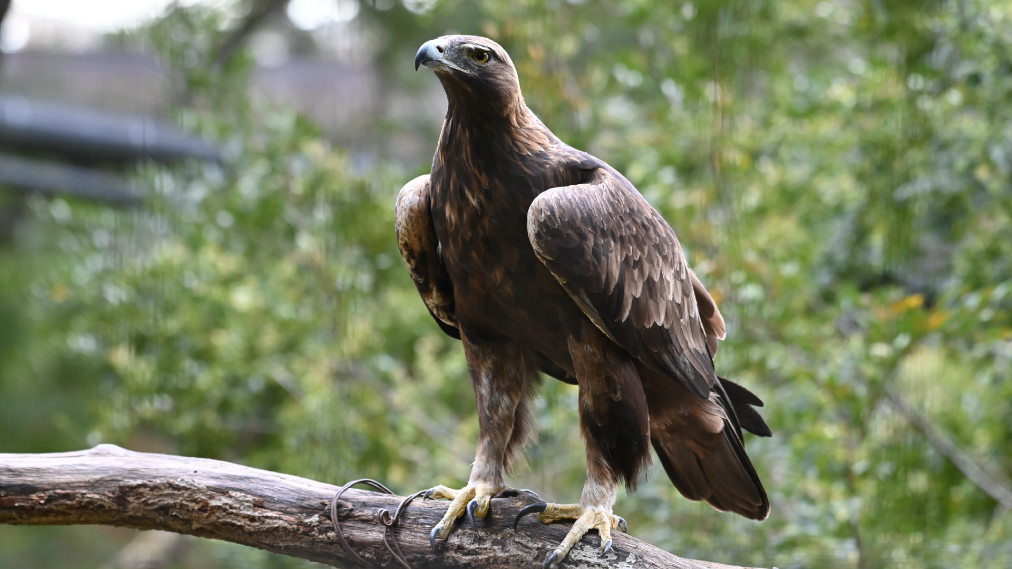
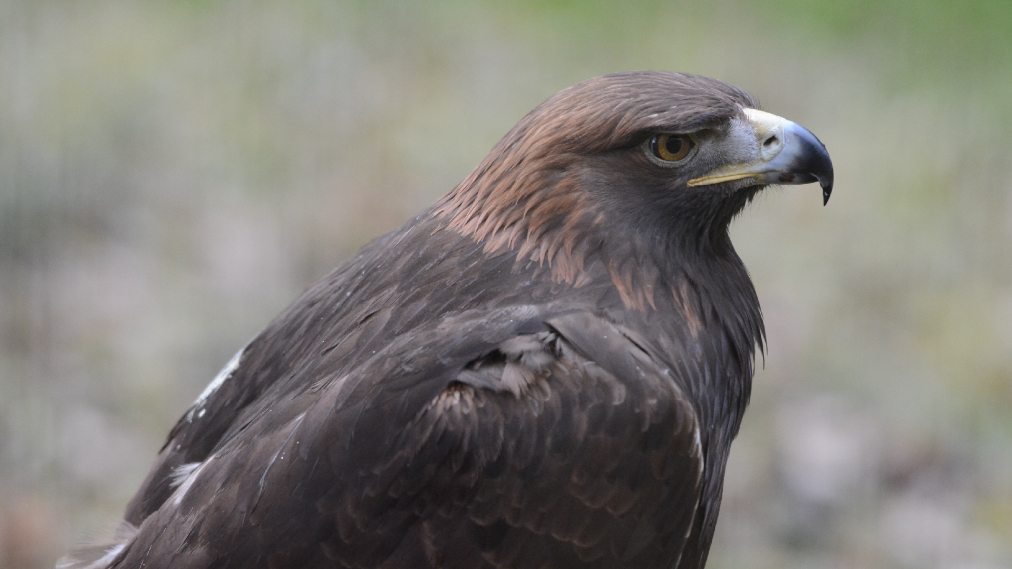
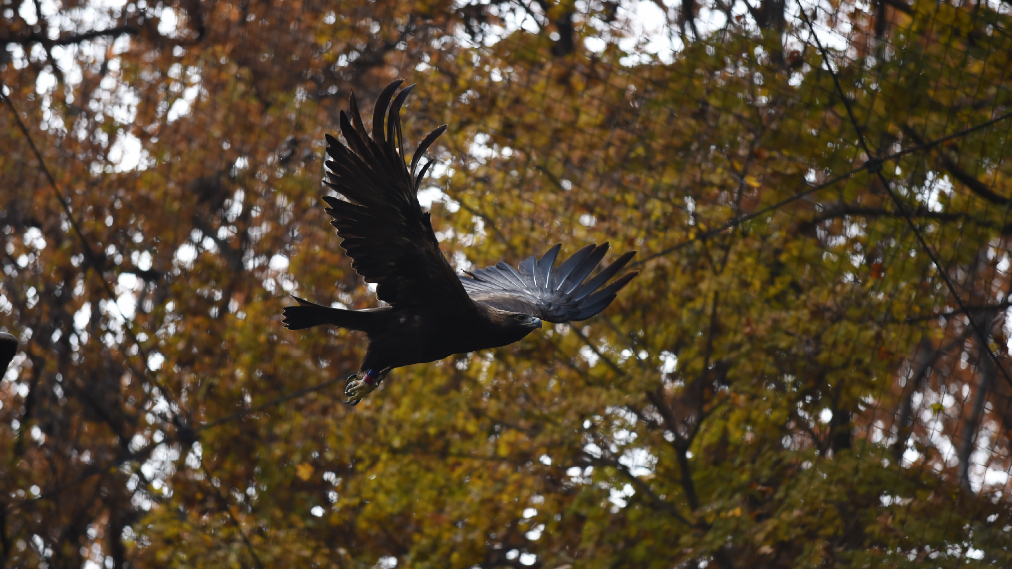
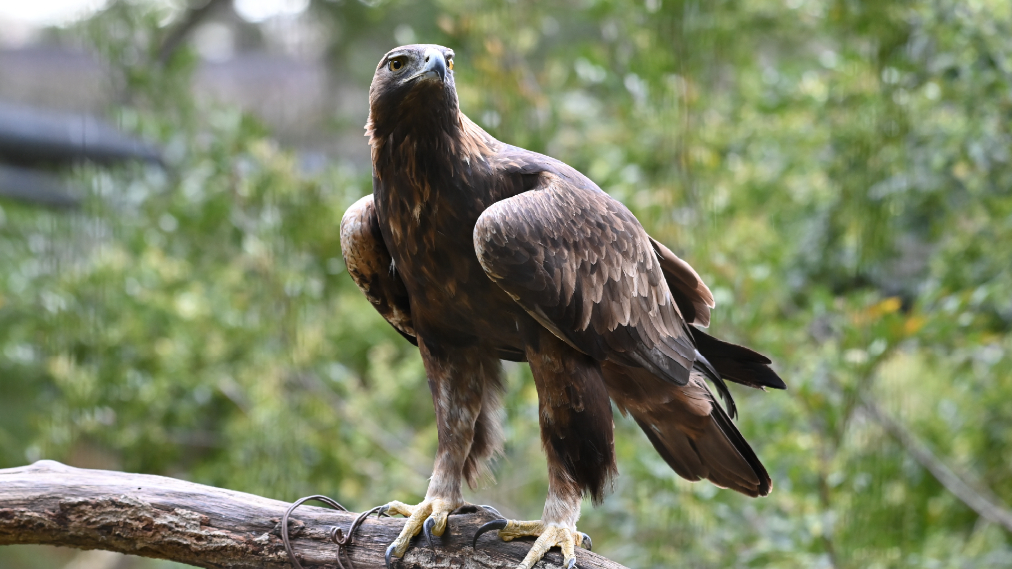
This is a subspecies of Golden Eagle that is widely distributed across Eurasia and North America. Its body is dark brown or blackish brown overall, with a pale yellowish brown color from the top of the head to the back of the head. Adult pairs are said to normally live in the same habitat all year round. They lay one to three eggs between January and March, but if multiple chicks hatch, fighting between siblings often results in only one chick surviving.
| classification | Aves, Accipitridae, Accipitridae |
|---|---|
| English name | Japanese Golden Eagle |
| distribution | Japan, Korean Peninsula |
| Residence | Mountains, plateaus, grasslands, open forests |
| Size |
Total length: 75-90cm
Wingspan: 190-227cm Weight: Males 3-4 kg, females 4-5 kg |
| food | Small and medium-sized mammals, birds, reptiles, carrion (winter only) |
| Red List |
IUCN: LC (Least Concern)
Japan: EN (Endangered) |
How to hunt
Japanese Golden Eagle hunt mainly in open areas such as grasslands, gliding through the sky in search of prey, and sometimes perching on trees or rocks to lie in wait for prey.
Danger in the wild
Due to a decline in the number of their main prey, hares and Copper Pheasant, and a decrease in hunting grounds due to environmental changes, the population is declining, with an estimated population of around 500. As a result, efforts are being made in several areas to create environments suitable for Japanese Golden Eagle 's habitat.