

Zoo Stock Species and the Red List
Zoo Stock Species and the Red List
Zoo Stock

This indicates that the species is included in the Second Zoo Stock Plan, which was formulated by the Tokyo Metropolitan Government in 2018. The plan sets goals for the next 10 years in three areas: "species conservation," "contribution to wildlife conservation," and "environmental education and conservation awareness." 124 animal species are included.
What is the Red List?
Based on scientific research, this is a list of wildlife classified by rank (category) indicating the degree of risk of extinction.
Livng Things Encyclopedia shows the categories (mainland and islands) assessed by the IUCN (International Union for Conservation of Nature) at the global level, the Ministry of the Environment for Japan, and the Tokyo Metropolitan Government for Tokyo.
The higher the category in each table, the higher the risk of extinction, and CR, EN, and VU are the three categories known as "endangered species." In Tokyo, species that are not at the NT (near threatened) level but are relatively rare are considered "species of concern."
|
IUCN categories |
|
|---|---|
|
EX |
extinction |
|
EW |
Extinction in the wild |
|
CR+EN |
— |
|
CR |
Serious crisis |
|
EN |
crisis |
|
VU |
emergency |
|
NT |
Near Threatened |
|
LC・○ |
Low Concern |
|
DD |
Data shortage |
|
LP |
— |
|
Japan (Ministry of the Environment) Category |
|
|---|---|
|
EX |
extinction |
|
EW |
Extinction in the wild |
|
CR+EN |
Endangered species |
|
CR |
Critically Endangered |
|
EN |
Endangered species |
|
VU |
Endangered species |
|
NT |
Near Threatened |
|
LC・○ |
— |
|
DD |
Lack of information |
|
LP |
Endangered |
|
Tokyo Category |
|
|---|---|
|
EX |
extinction |
|
EW |
Extinction in the wild |
|
CR+EN |
Endangered species |
|
CR |
Critically Endangered |
|
EN |
Endangered species |
|
VU |
Endangered species |
|
NT |
Near Threatened |
|
LC・○ |
Unranked |
|
DD |
Lack of information |
|
LP |
Endangered |
Creatures at Tama Zoo
Creatures at Tama Zoo
Himalayan Tahr
Himalayan Tahr
Hemitragus jemlahicus
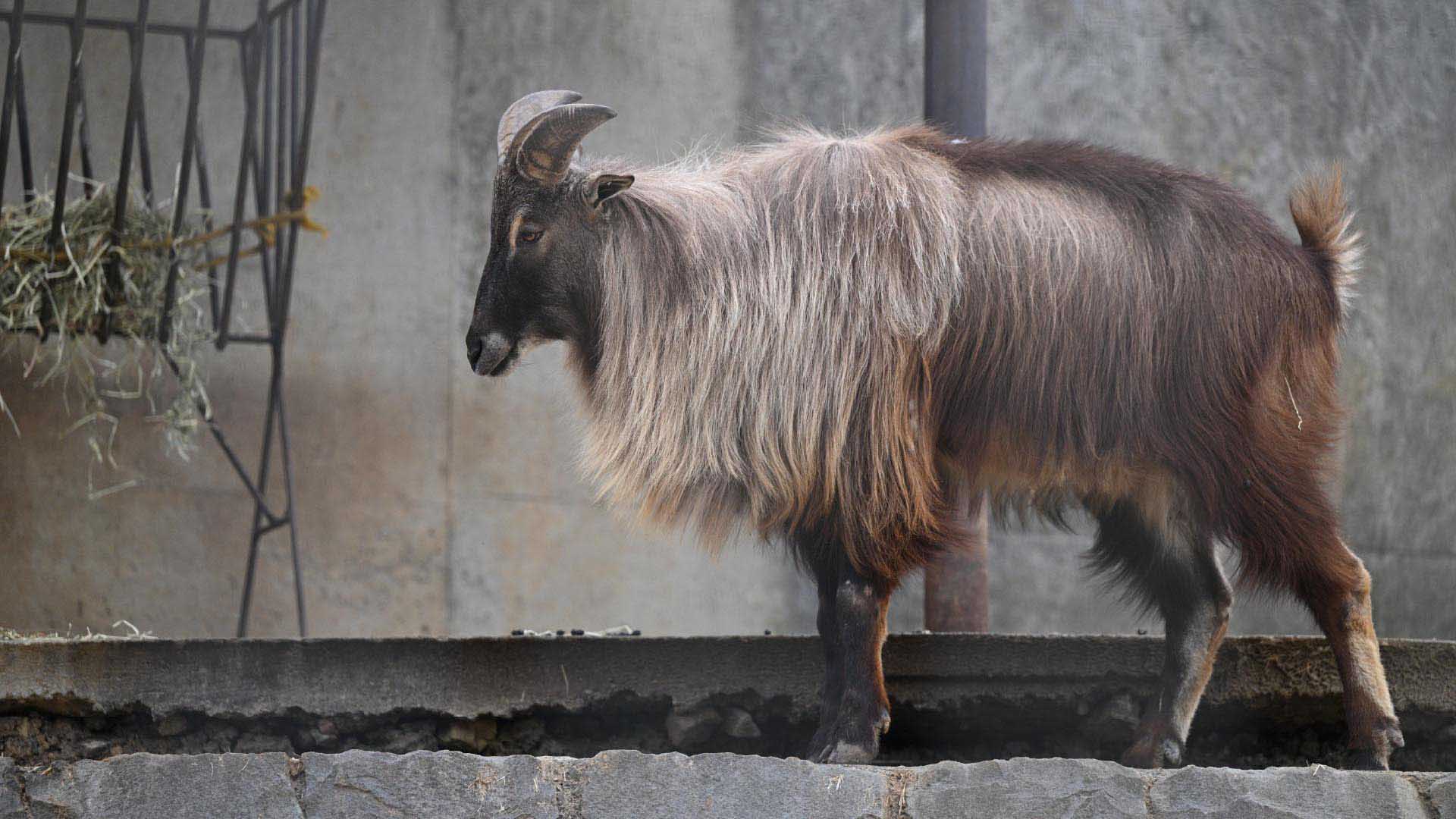
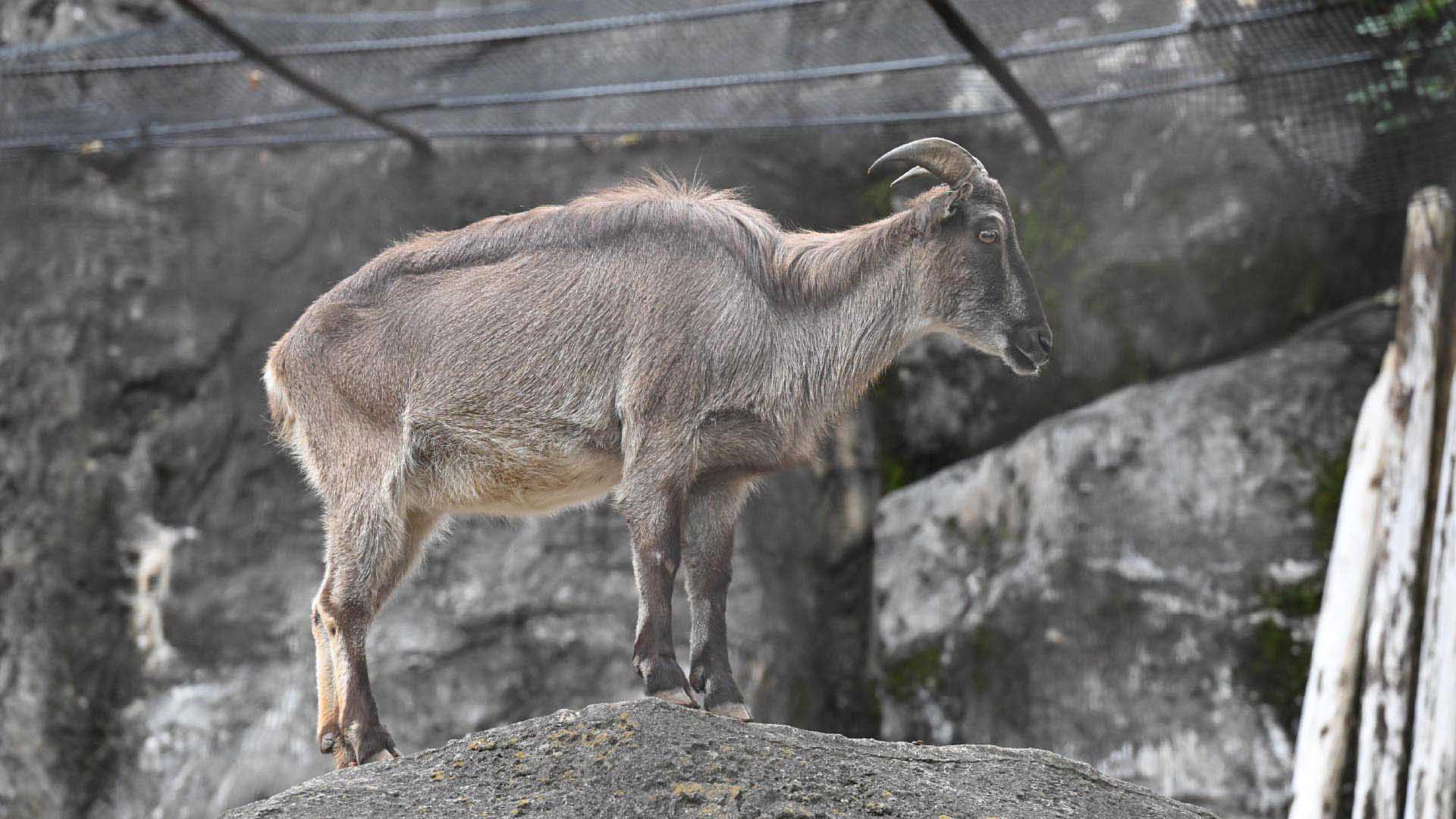
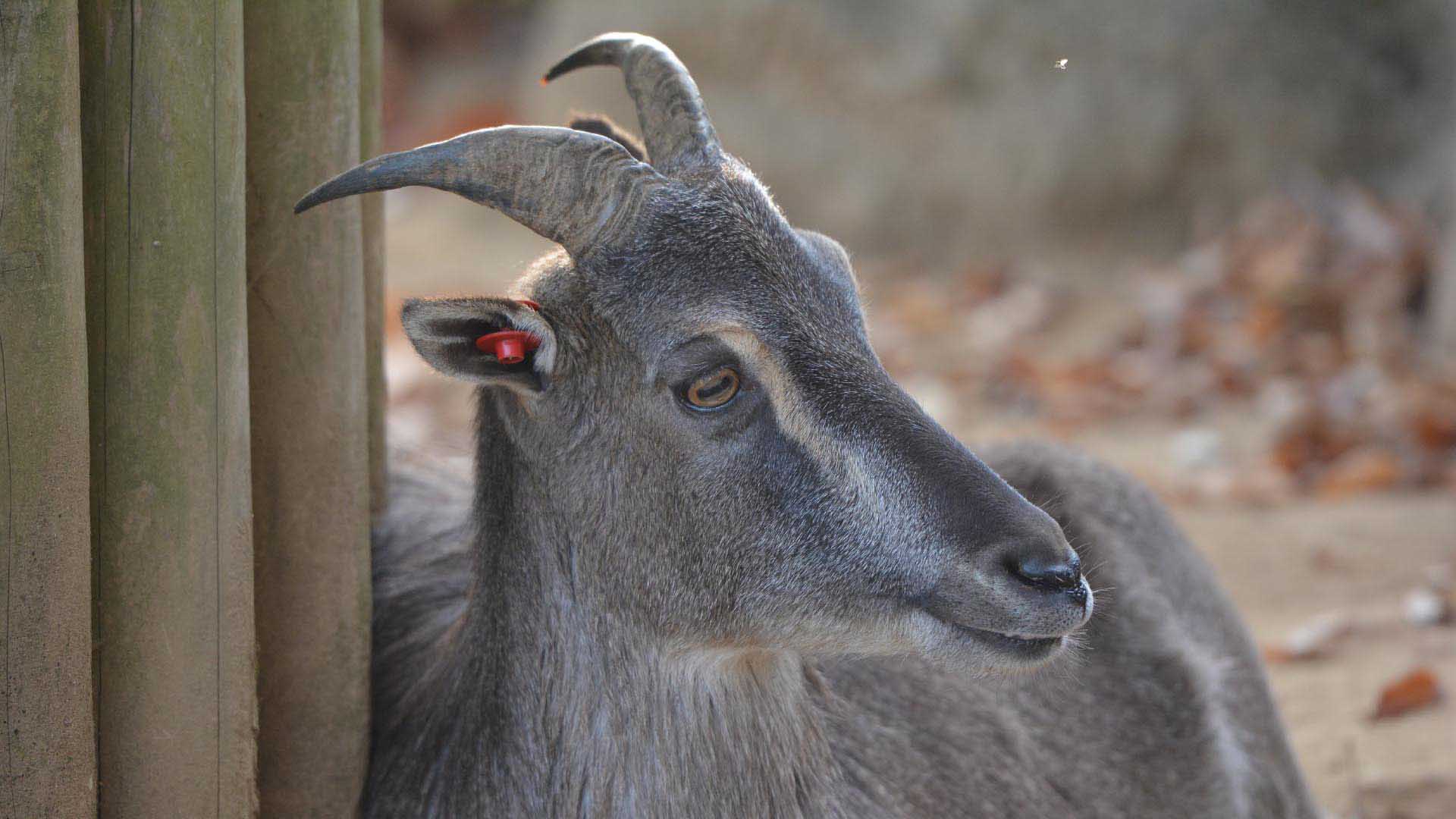
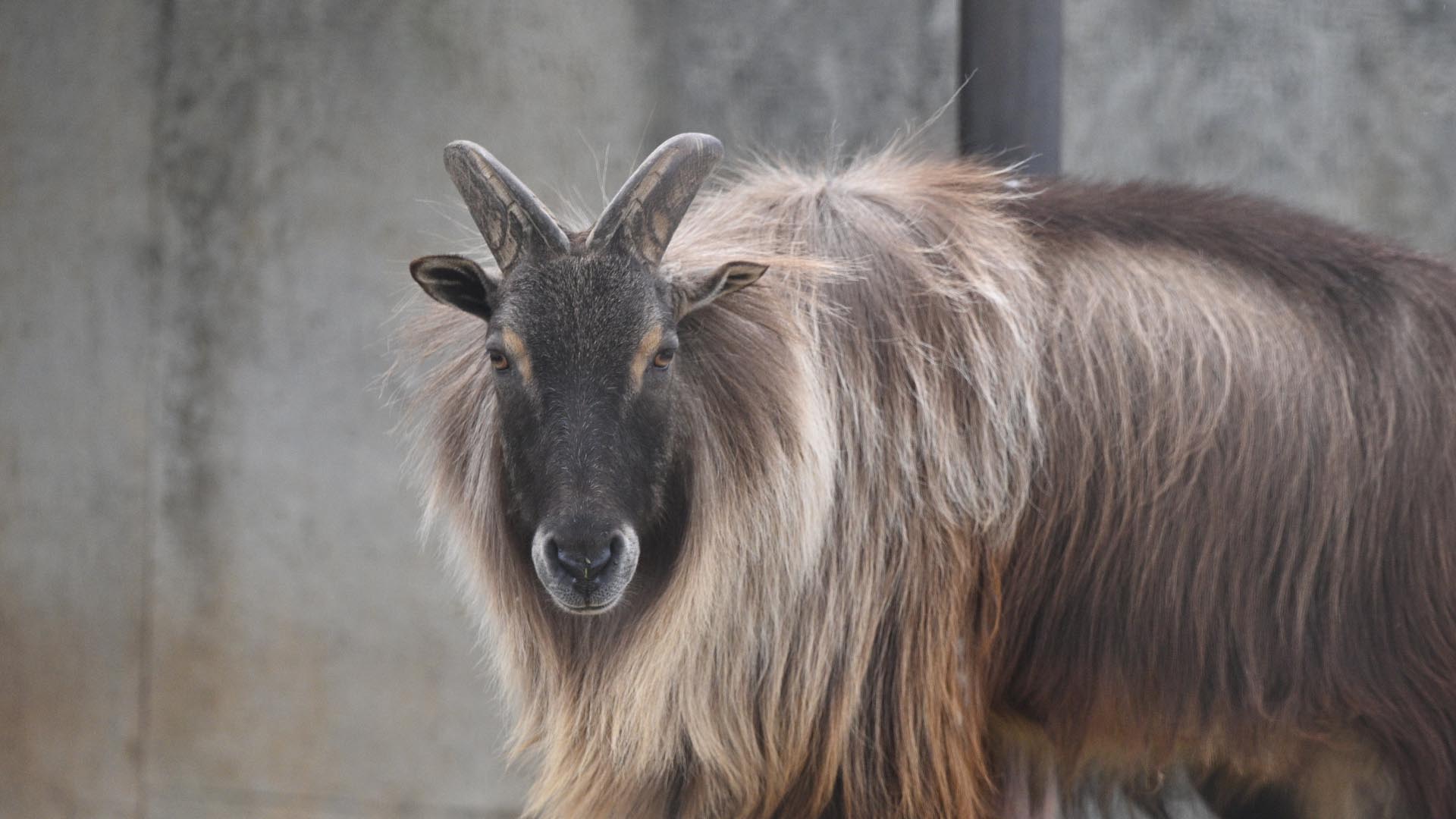
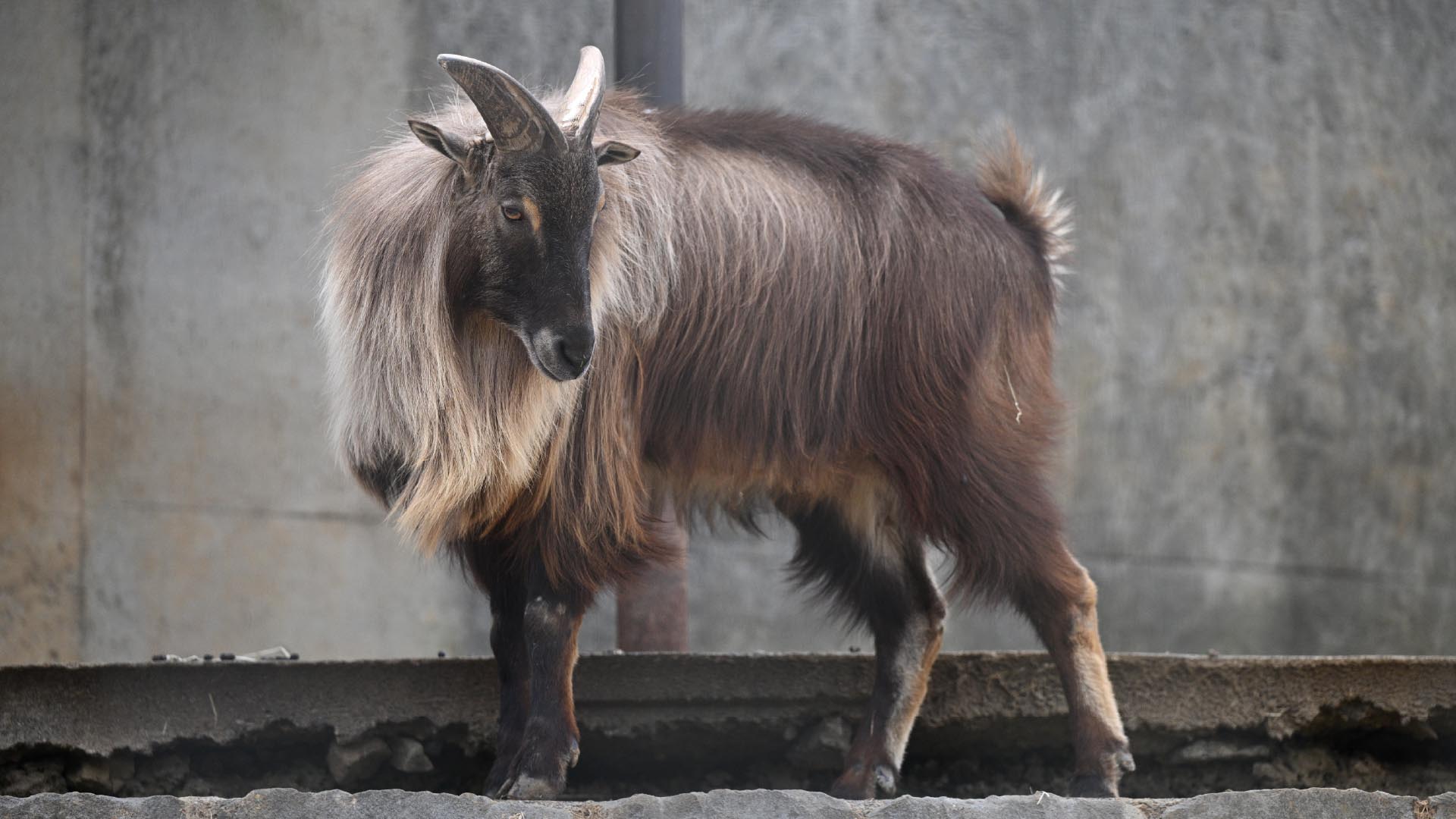
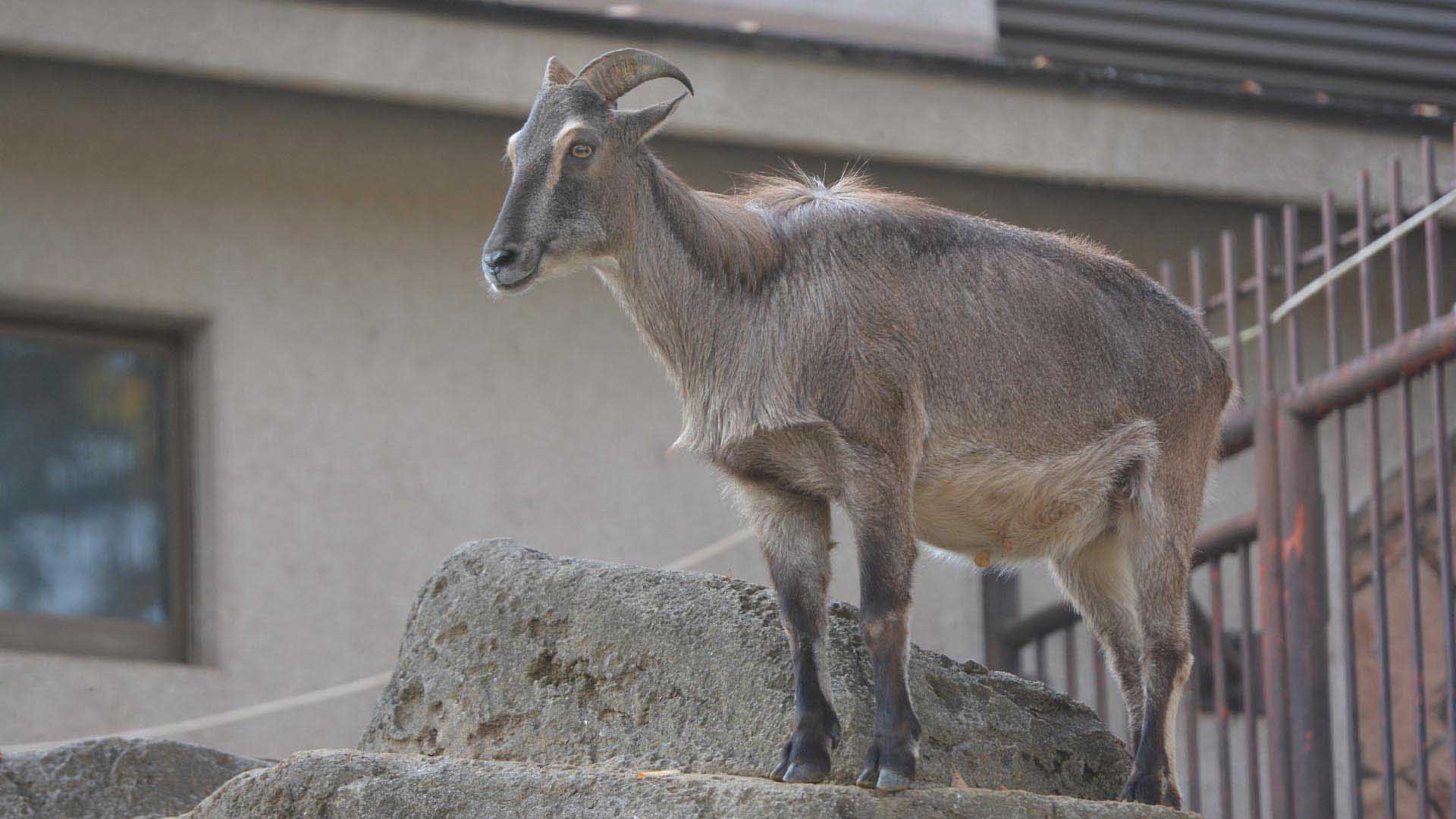
They live in mountainous areas on the southern slopes of the Himalayas, at altitudes of 2,500 to 5,200 meters. They are adept at climbing up and down steep cliffs. The size of a herd is strongly influenced by the ruggedness of its habitat, the abundance of food, predation pressure, and other factors, and can range from a few individuals to several dozen. Males and females live in separate herds except for the breeding season from October to January, when they come together.
| classification | Mammalia, Artiodactyla, Bovidae |
|---|---|
| English name | Himalayan Tahr |
| distribution | Himalayas |
| Residence | mountain forest |
| Size |
Head torso length: 150-175cm
Shoulder height: 80-100cm Weight: 60-90 kg |
| food | Grass, leaves |
| Red List |
IUCN: NT (Near Threatened)
|
hoof
The small contact area makes it suitable for moving around on steep, rocky terrain.
Male mane
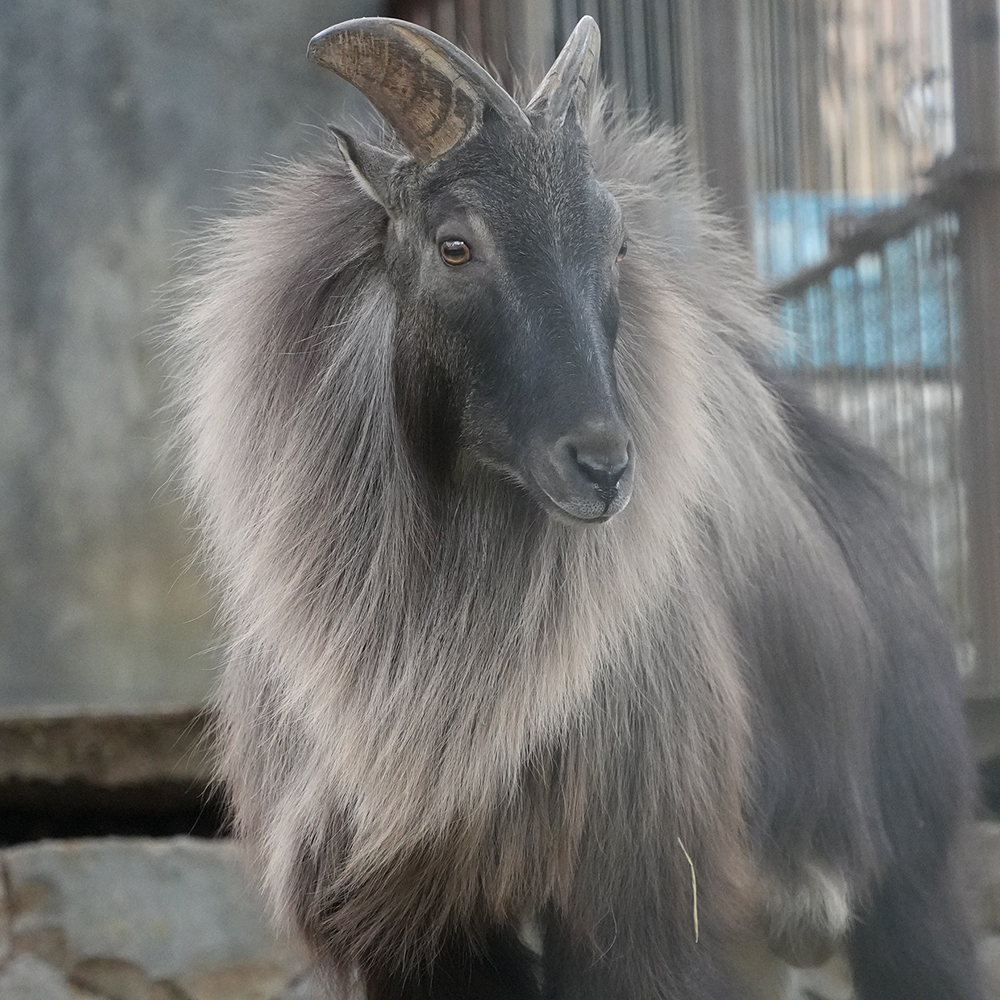
In winter, only males grow a long mane from their neck to their shoulders.