

Zoo Stock Species and the Red List
Zoo Stock Species and the Red List
Zoo Stock

This indicates that the species is included in the Second Zoo Stock Plan, which was formulated by the Tokyo Metropolitan Government in 2018. The plan sets goals for the next 10 years in three areas: "species conservation," "contribution to wildlife conservation," and "environmental education and conservation awareness." 124 animal species are included.
What is the Red List?
Based on scientific research, this is a list of wildlife classified by rank (category) indicating the degree of risk of extinction.
Livng Things Encyclopedia shows the categories (mainland and islands) assessed by the IUCN (International Union for Conservation of Nature) at the global level, the Ministry of the Environment for Japan, and the Tokyo Metropolitan Government for Tokyo.
The higher the category in each table, the higher the risk of extinction, and CR, EN, and VU are the three categories known as "endangered species." In Tokyo, species that are not at the NT (near threatened) level but are relatively rare are considered "species of concern."
|
IUCN categories |
|
|---|---|
|
EX |
extinction |
|
EW |
Extinction in the wild |
|
CR+EN |
— |
|
CR |
Serious crisis |
|
EN |
crisis |
|
VU |
emergency |
|
NT |
Near Threatened |
|
LC・○ |
Low Concern |
|
DD |
Data shortage |
|
LP |
— |
|
Japan (Ministry of the Environment) Category |
|
|---|---|
|
EX |
extinction |
|
EW |
Extinction in the wild |
|
CR+EN |
Endangered species |
|
CR |
Critically Endangered |
|
EN |
Endangered species |
|
VU |
Endangered species |
|
NT |
Near Threatened |
|
LC・○ |
— |
|
DD |
Lack of information |
|
LP |
Endangered |
|
Tokyo Category |
|
|---|---|
|
EX |
extinction |
|
EW |
Extinction in the wild |
|
CR+EN |
Endangered species |
|
CR |
Critically Endangered |
|
EN |
Endangered species |
|
VU |
Endangered species |
|
NT |
Near Threatened |
|
LC・○ |
Unranked |
|
DD |
Lack of information |
|
LP |
Endangered |
Creatures at Tama Zoo
Creatures at Tama Zoo
Grevy's Zebra
Grevy's Zebra
Equus grevyi
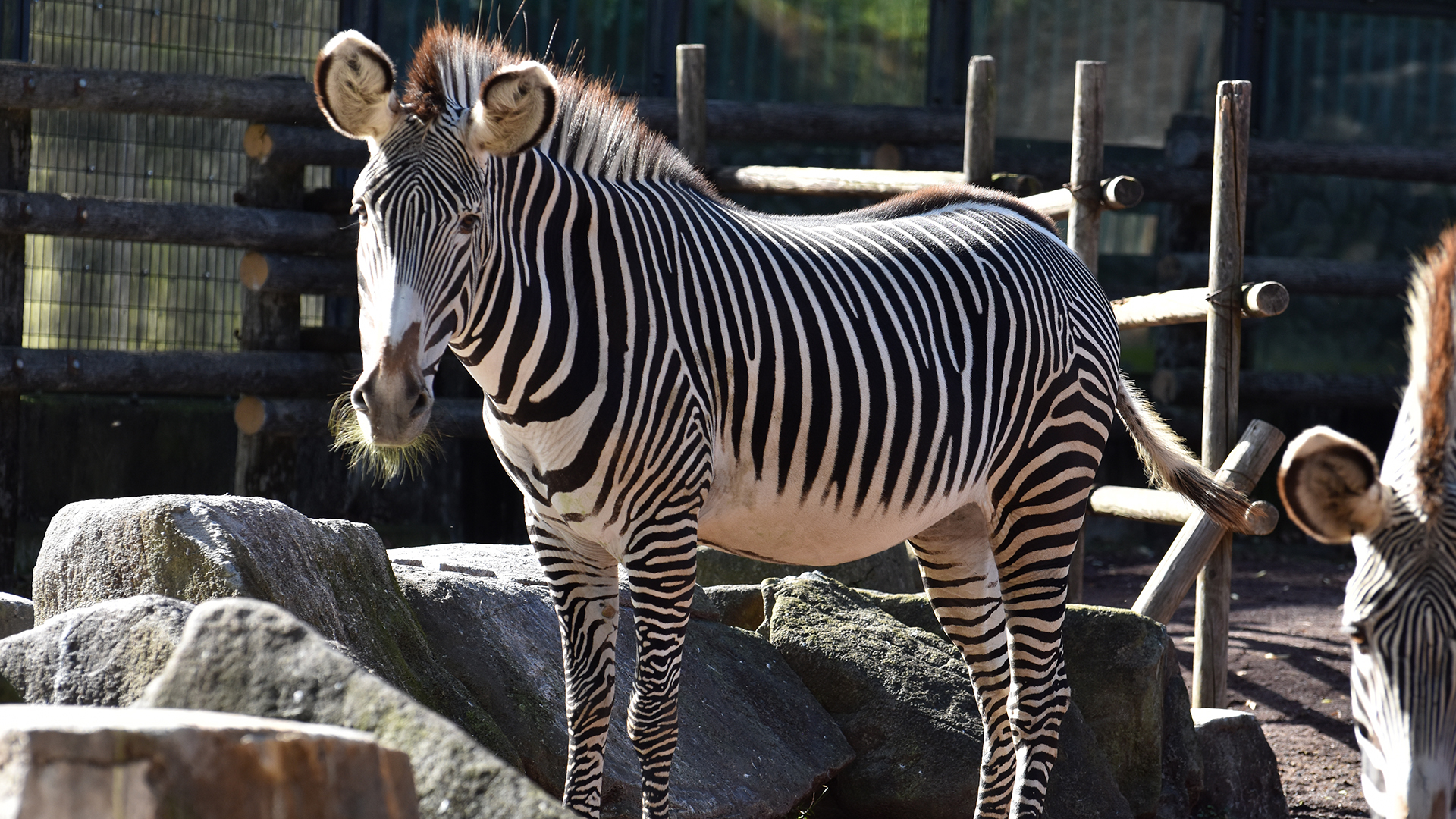
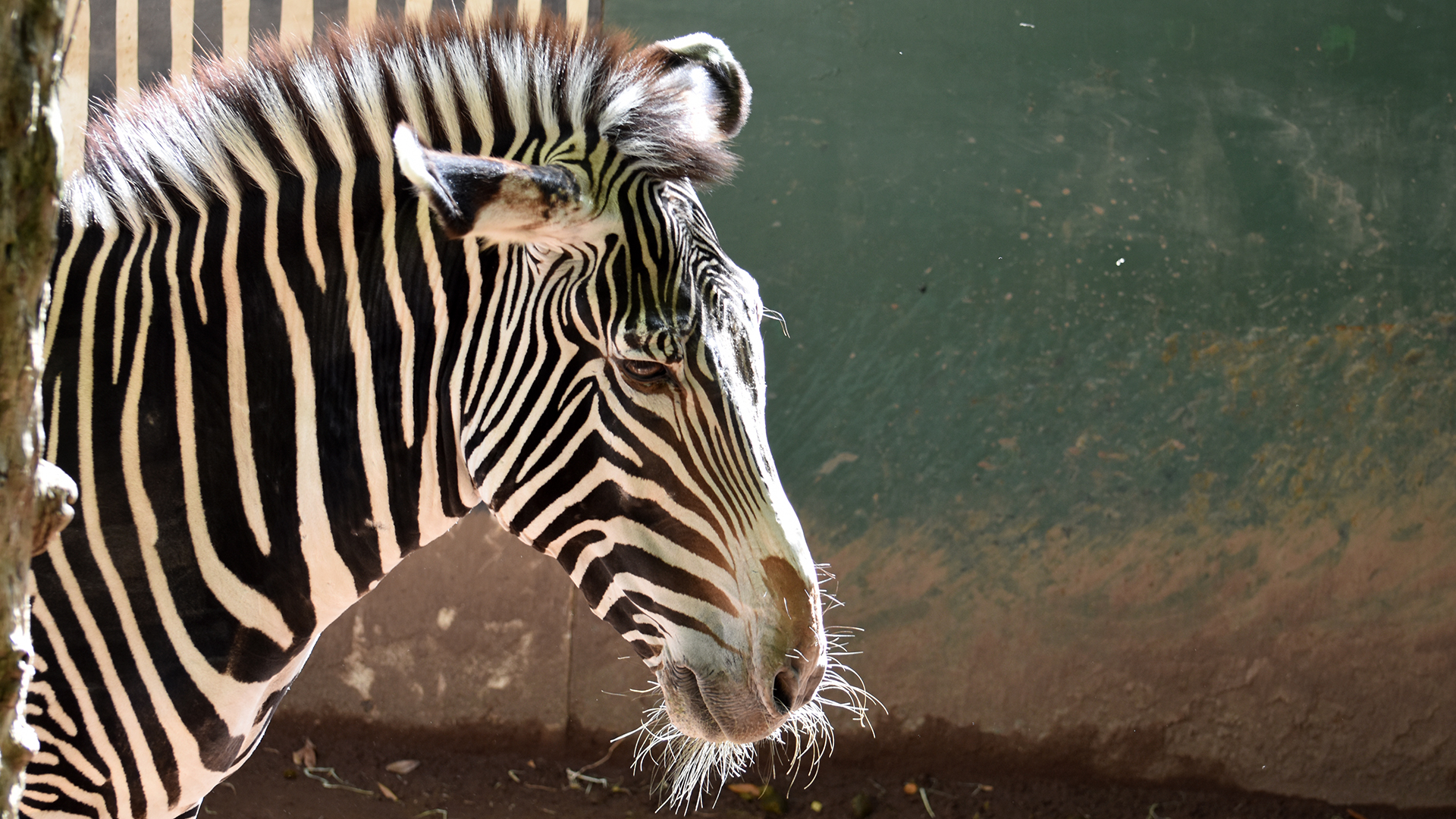
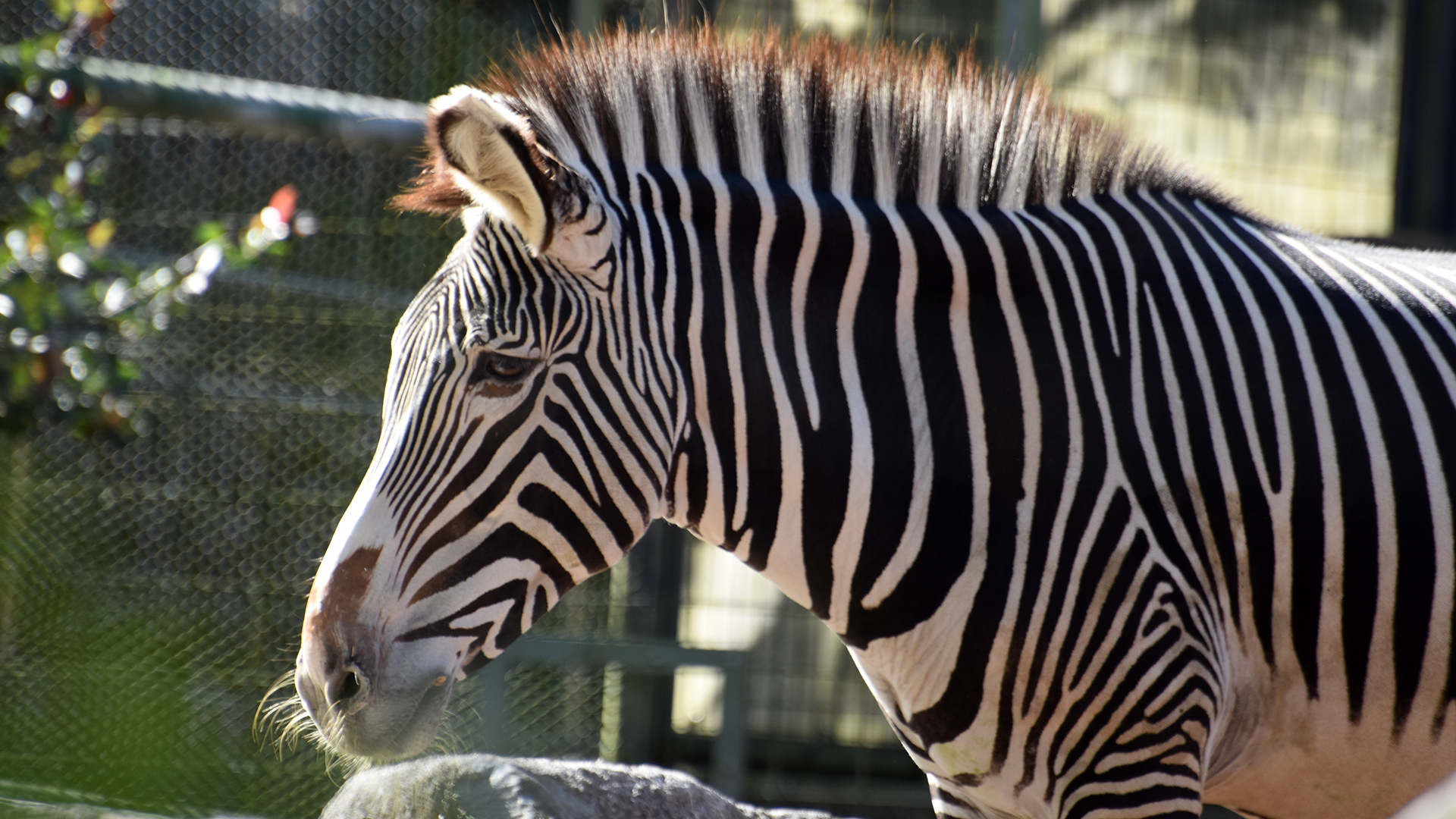
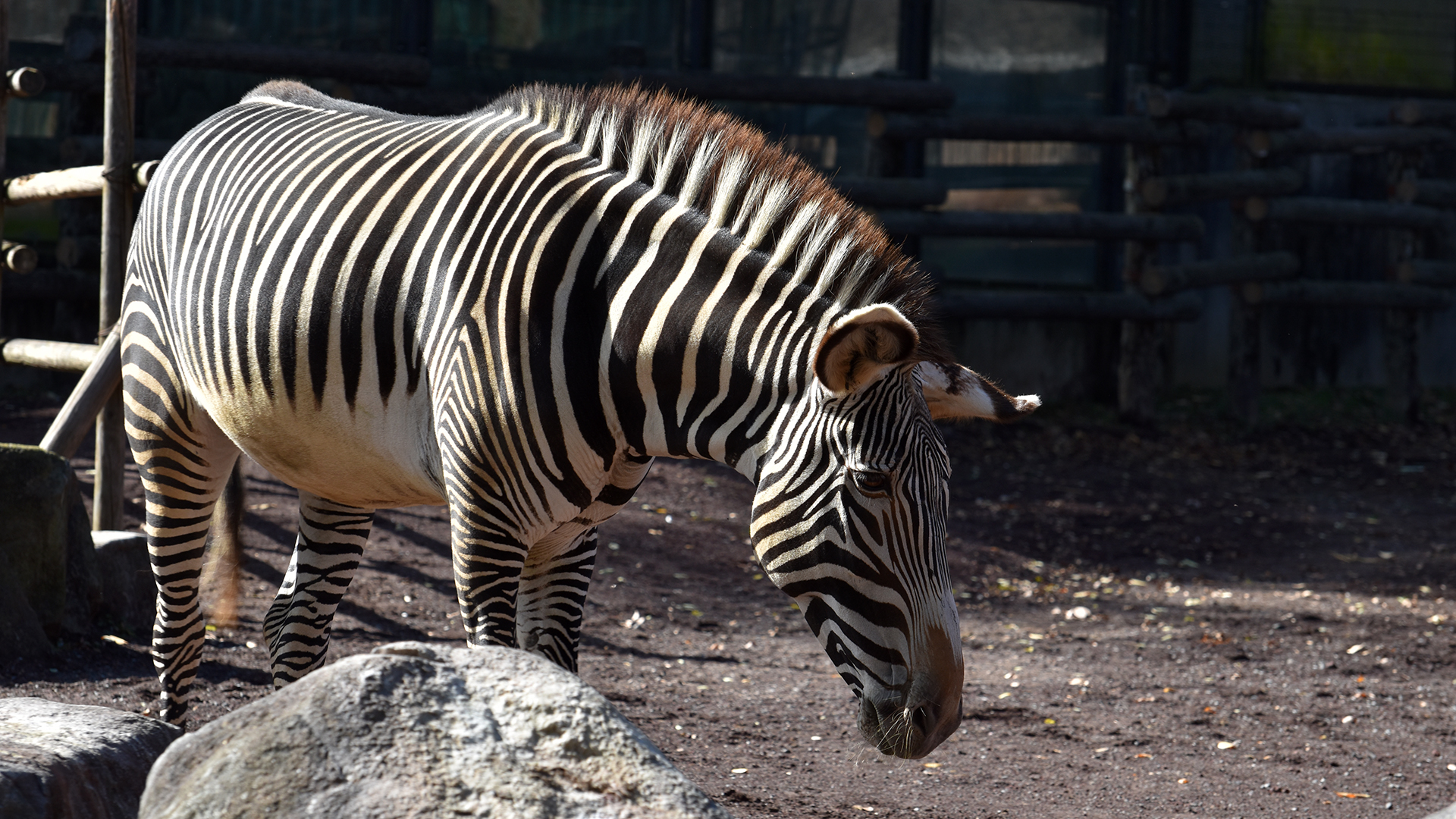
This is the largest species of Domestic Horse. It is characterized by large, round ears and finer stripes than other Domestic Horse. Both males and females live alone, but they can also form small herds of 5 to 20 individuals, centered around a female and her young.
| classification | Mammalia, Perissodactyla, Domestic Horse |
|---|---|
| English name | Grevy's Zebra |
| distribution | Ethiopia, Kenya |
| Residence | grassland, shrubland |
| Size |
Shoulder height: 1.4-1.6m
Weight: 350-420 kg |
| food | grass |
| Red List |
IUCN: EN (crisis)
|
ear
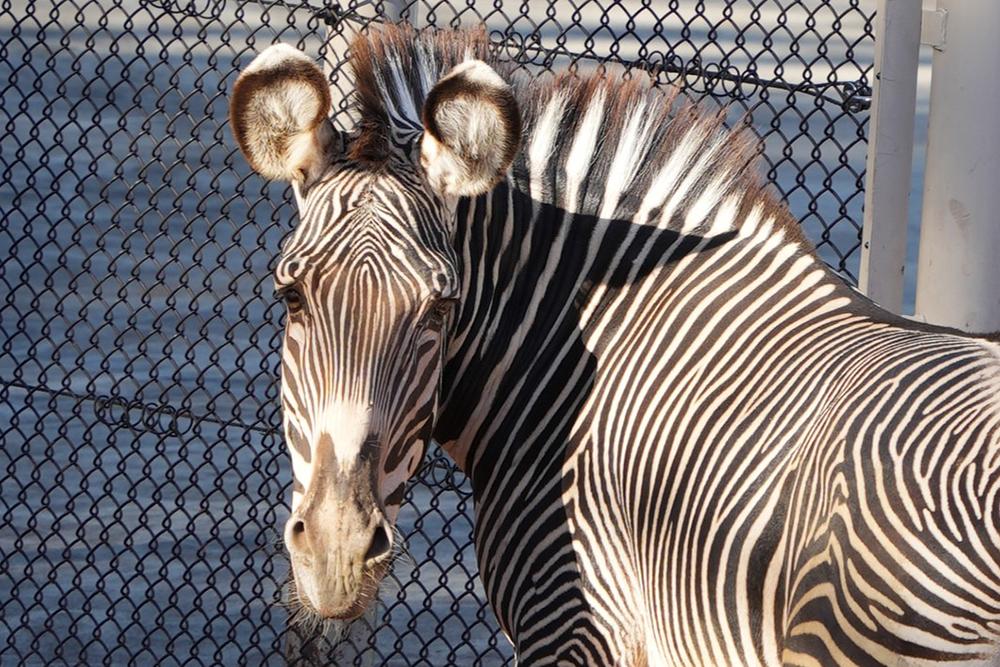
Their large, round ears are densely covered in hair and can move freely 180 degrees on each side, allowing them to hear sounds from far away and from all directions without changing their body position.
mouth
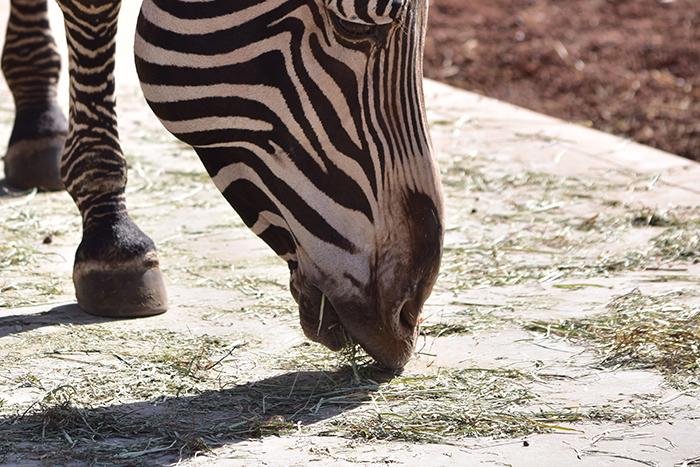
Their soft lips are sensitive to the touch, and they eat by smelling with their nose and feeling the texture with their lips. They skillfully separate food from non-food by moving their lips from side to side.
teeth
The upper and lower incisors are tightly fitted together and are well suited to biting grass.
stripes
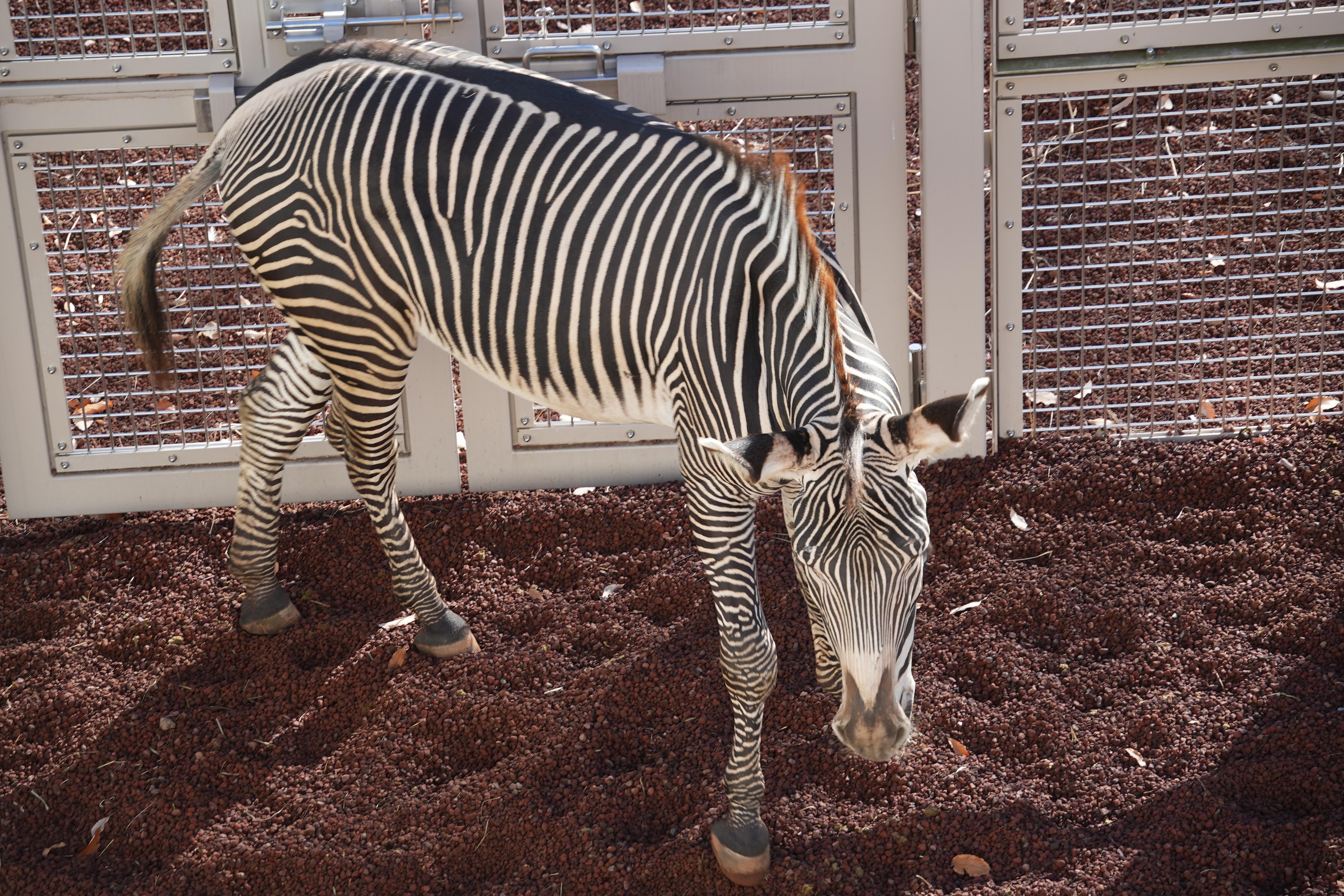
The black and white stripes provide camouflage on the plains. The stripes are narrow and numerous, and the stripes on the legs extend over the hooves. There are no stripes on the belly, but there is a single black line (midline). The midline on the back is wider.
Pregnancy and childbirth
The gestation period is 390-428 days, and they give birth to a single calf at a time.
social structure
They live in groups with hartebeest, eland, ostrich, wildebeest, and other Domestic Horse. Males have large territories and keep other males away. Females have weak social relationships and do not form permanent groups.
Population
In the late 1970s and early 1980s, there were approximately 15,600 individuals in the population, but this had decreased to approximately 2,000 individuals by 2004. Since then, the population has stabilized, and there are currently an estimated just under 2,000 mature individuals.