

Zoo Stock Species and the Red List
Zoo Stock Species and the Red List
Zoo Stock
This indicates that the species is included in the Second Zoo Stock Plan, which was formulated by the Tokyo Metropolitan Government in 2018. The plan sets goals for the next 10 years in three areas: "species conservation," "contribution to wildlife conservation," and "environmental education and conservation awareness." 124 animal species are included.
What is the Red List?
Based on scientific research, this is a list of wildlife classified by rank (category) indicating the degree of risk of extinction.
Livng Things Encyclopedia shows the categories (mainland and islands) assessed by the IUCN (International Union for Conservation of Nature) at the global level, the Ministry of the Environment for Japan, and the Tokyo Metropolitan Government for Tokyo.
The higher the category in each table, the higher the risk of extinction, and CR, EN, and VU are the three categories known as "endangered species." In Tokyo, species that are not at the NT (near threatened) level but are relatively rare are considered "species of concern."
|
IUCN categories |
|
|---|---|
|
EX |
extinction |
|
EW |
Extinction in the wild |
|
CR+EN |
— |
|
CR |
Serious crisis |
|
EN |
crisis |
|
VU |
emergency |
|
NT |
Near Threatened |
|
LC・○ |
Low Concern |
|
DD |
Data shortage |
|
LP |
— |
|
Japan (Ministry of the Environment) Category |
|
|---|---|
|
EX |
extinction |
|
EW |
Extinction in the wild |
|
CR+EN |
Endangered species |
|
CR |
Critically Endangered |
|
EN |
Endangered species |
|
VU |
Endangered species |
|
NT |
Near Threatened |
|
LC・○ |
— |
|
DD |
Lack of information |
|
LP |
Endangered |
|
Tokyo Category |
|
|---|---|
|
EX |
extinction |
|
EW |
Extinction in the wild |
|
CR+EN |
Endangered species |
|
CR |
Critically Endangered |
|
EN |
Endangered species |
|
VU |
Endangered species |
|
NT |
Near Threatened |
|
LC・○ |
Unranked |
|
DD |
Lack of information |
|
LP |
Endangered |
Creatures at Tama Zoo
Creatures at Tama Zoo
Glow-worm
Glow-worm
Arachnocampa richardsae
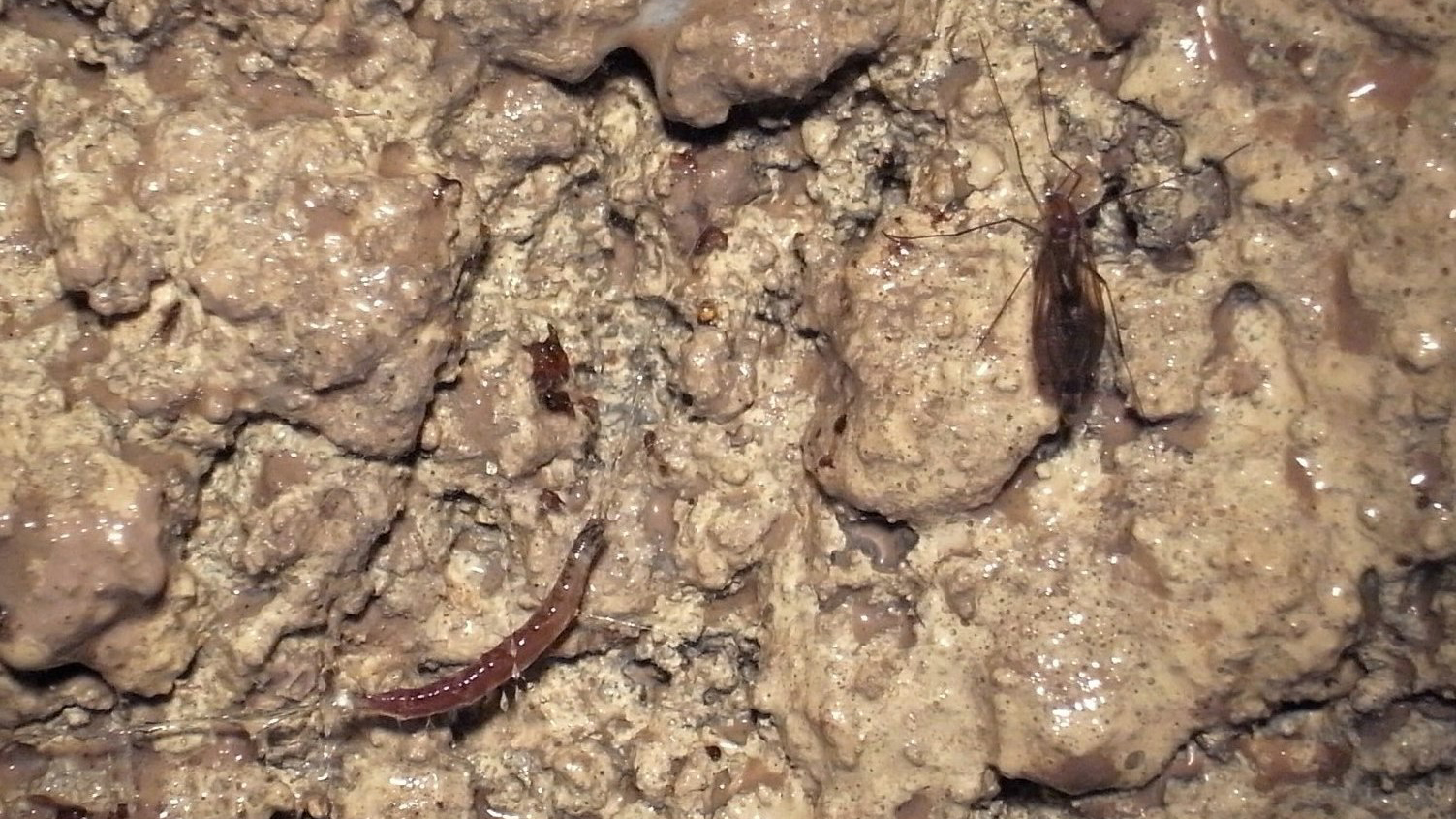
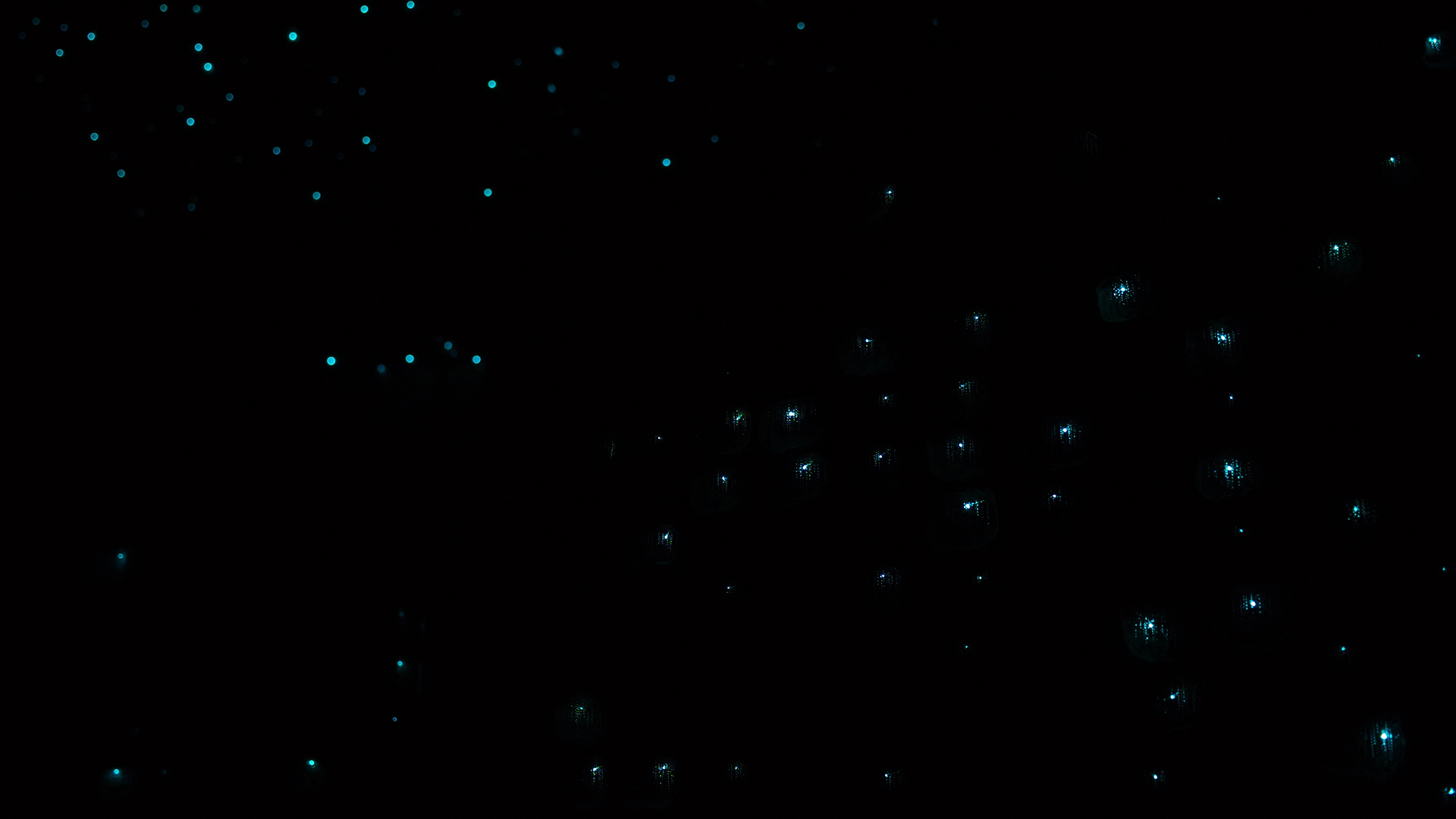
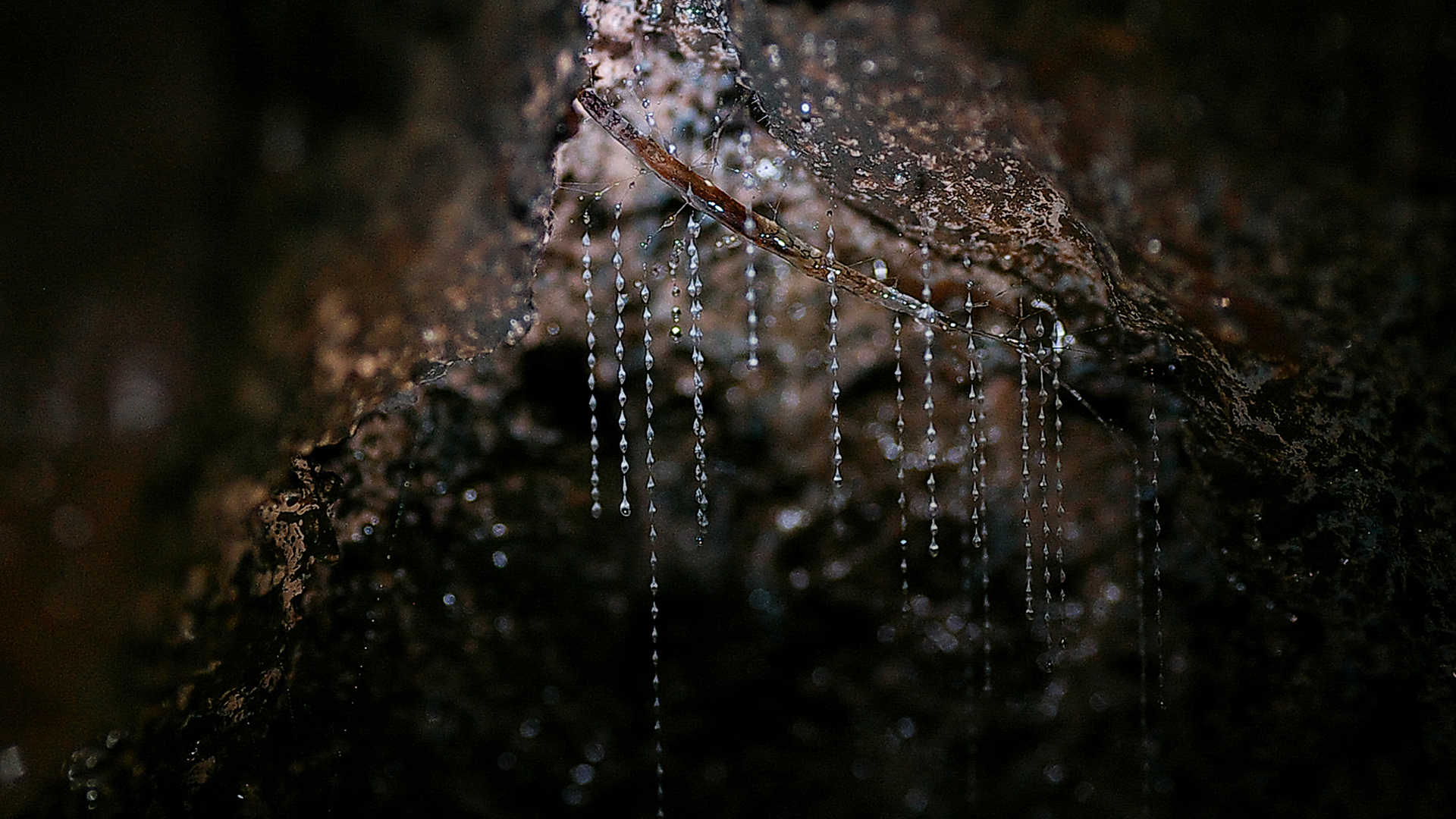
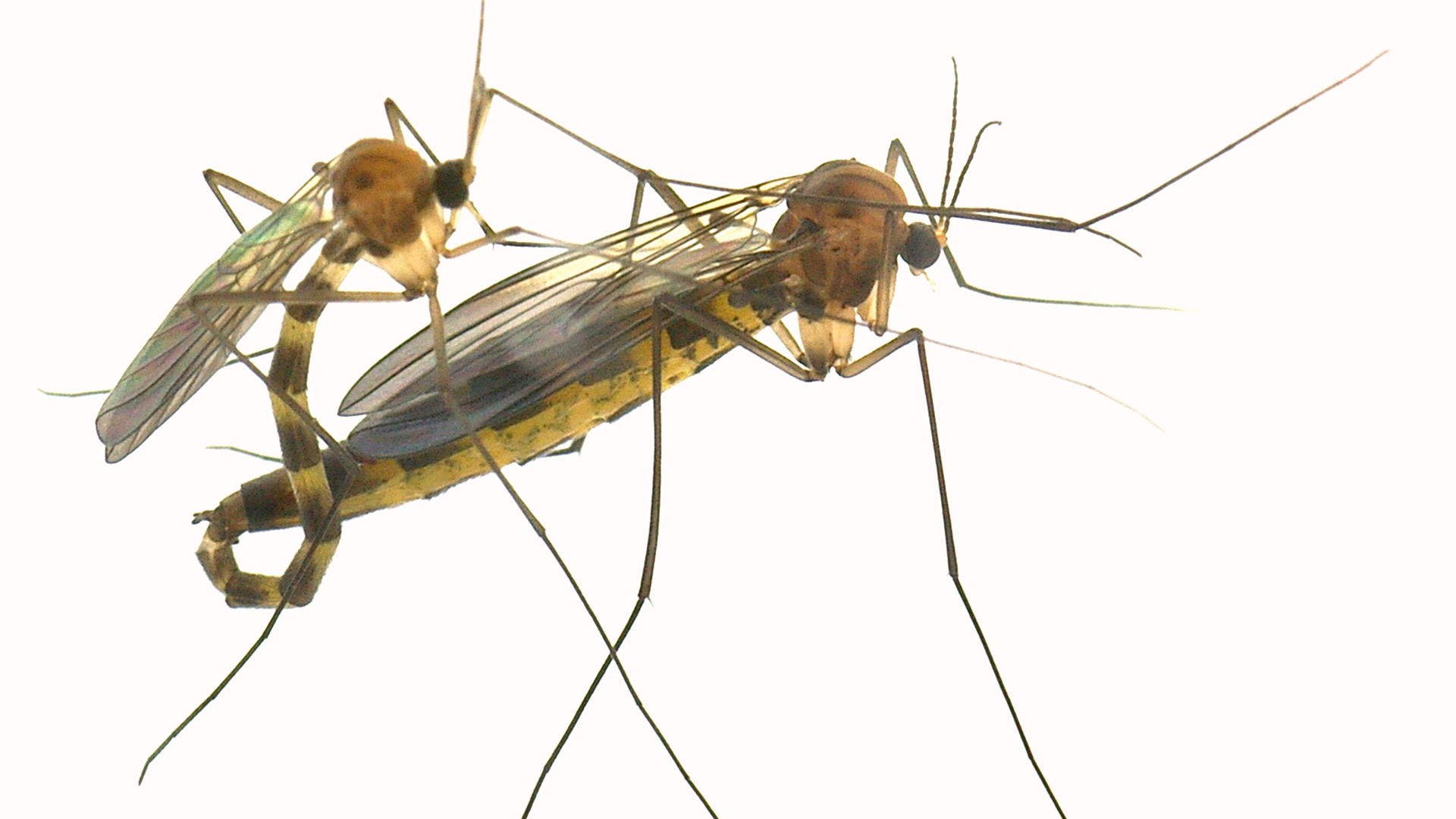
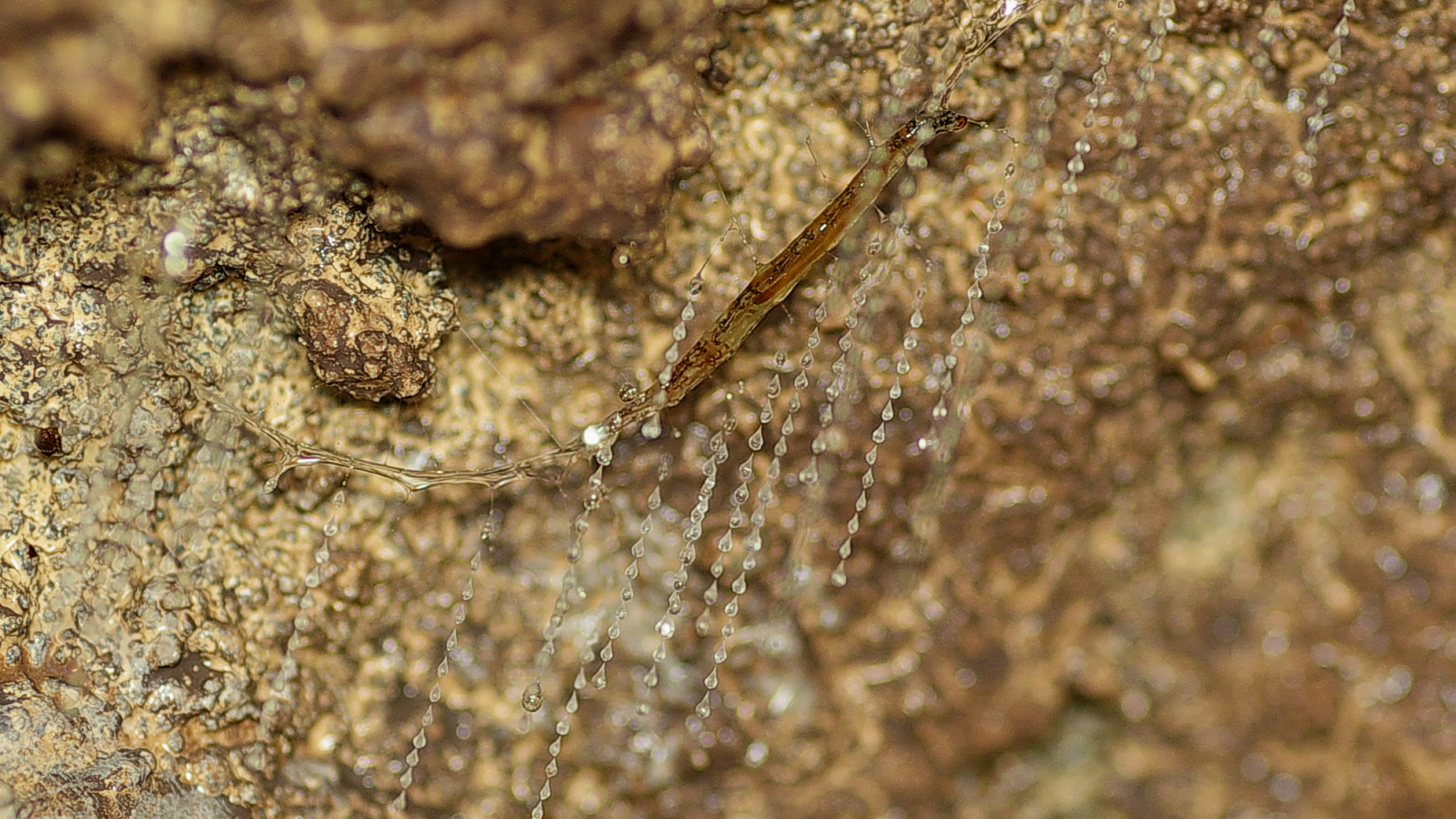
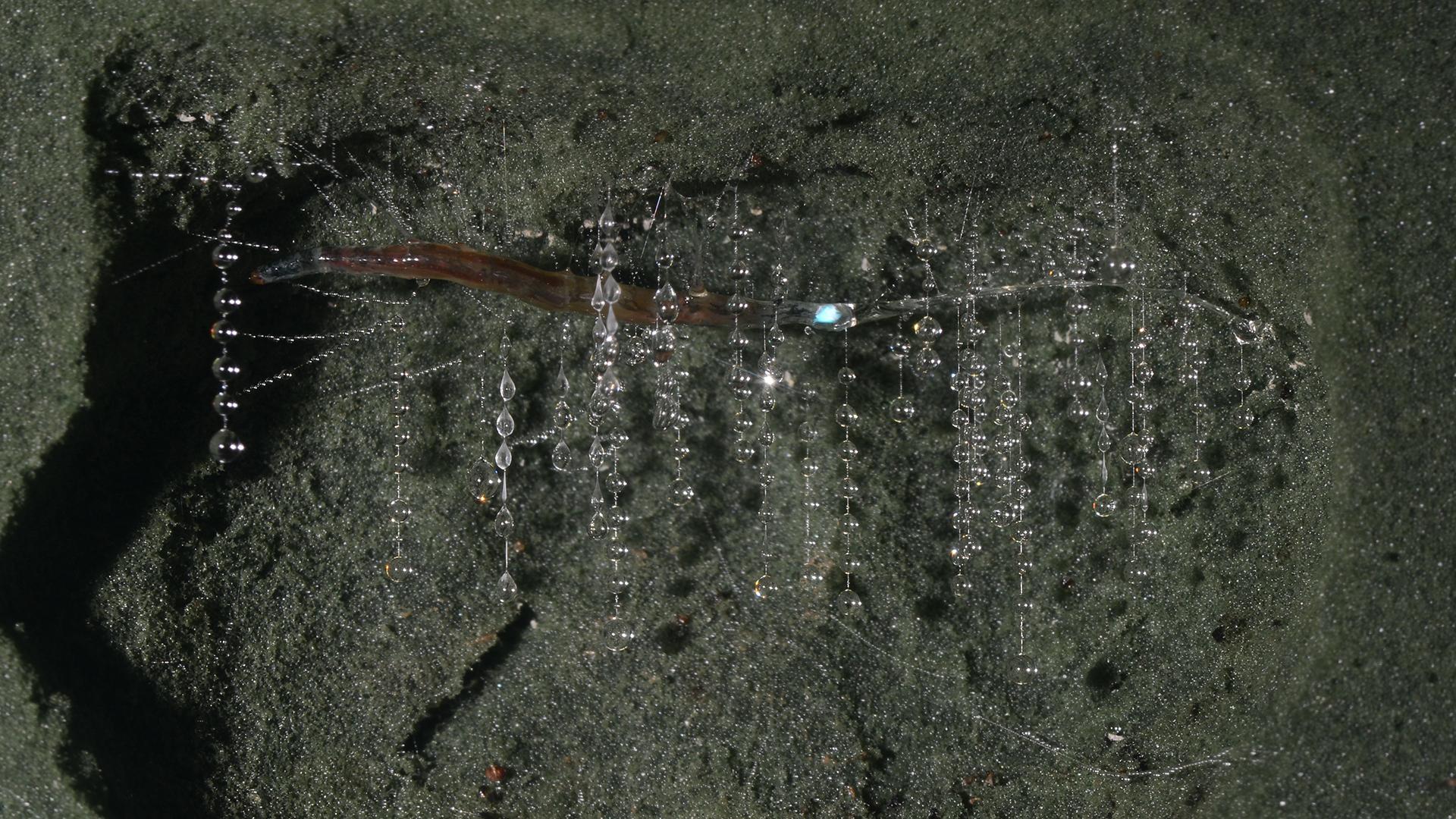
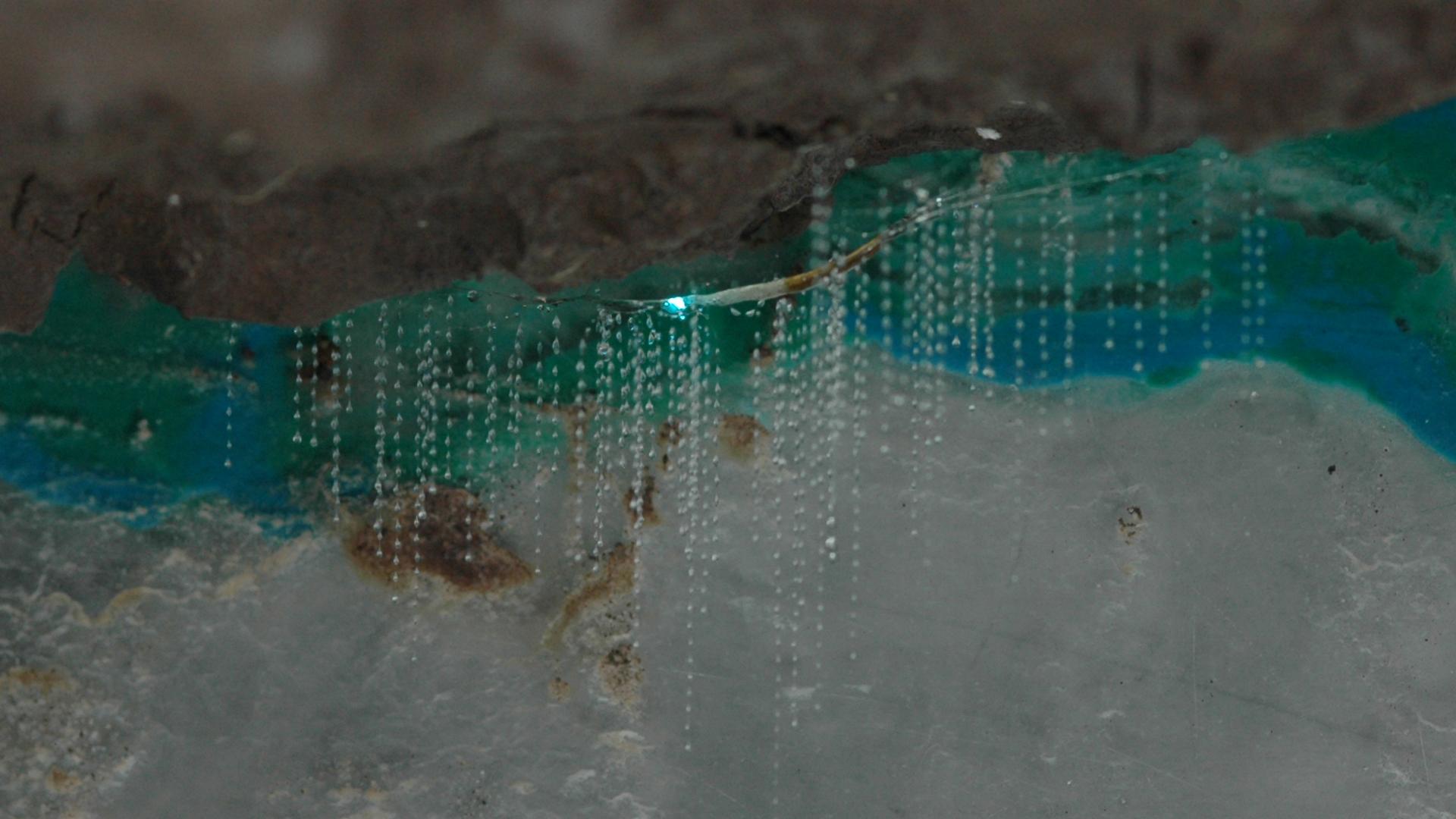
The larvae build nests made of mucus and threads, from which they hang down many threads (mucus threads) with droplets of water (mucus). They light up the light-emitting organ at the end of their abdomen to lure small insects that are attracted to the light into the nest, where they catch and eat the insects that become entangled in the mucus threads. Only the larvae can glow; the pupae and adults do not. Once they become adults, they do not eat anything and only mate and lay eggs, completing their life cycle. The larvae are also called "glow worms".
| classification | Insecta, Diptera, Mycetidae |
|---|---|
| English name | Glowworm |
| distribution | New South Wales, Australia |
| Residence | Caves, caverns, and other dark, cool, humid, windless places with water flowing in |
| Size |
Body length
Final instar larva: 30mm Pupa: Male 10mm, Female 12mm Adult: Male 10mm, Female 12mm |
| food | Larva: A small insect Adult: Does not eat |
| Red List |
Unrated
|
Points to observe in the luminous exhibit
Compared to fireflies, they emit a very weak light, so you need to allow your eyes to fully adapt to the darkness before observing them. The light they emit varies in intensity and size, and is influenced by factors such as their growth, the individual's condition and appetite. The larvae generally lie motionless in their nests, waiting for prey. Some individuals move slightly depending on the time of day, but observing them requires patience.
About the fungus gnat
They inhabit only Australia and New Zealand (currently 9 species).
The life cycle of Glow-worm
The egg period is about two weeks, the larval period is about six months to a year, and the adult period is about two weeks for males and about three days for females.
Nest management
The larvae frequently maintain the structure, repairing it almost daily. The hanging sticky threads gradually absorb moisture from the air, and the older the sticky threads are, the more round and transparent the water droplets (mucus) on them become. When they become damaged, they are replaced.
Tama Zoo exhibit environment
The walls of the exhibition room are cooled, creating a cool environment without the need for air conditioning. The walls are also equipped with numerous misting devices that periodically spray mist from closing time to before opening time to maintain high humidity. The current exhibition facility in the main building is the second generation, and the original (the ecological garden) is now the firefly exhibition room.