

Zoo Stock Species and the Red List
Zoo Stock Species and the Red List
Zoo Stock
This indicates that the species is included in the Second Zoo Stock Plan, which was formulated by the Tokyo Metropolitan Government in 2018. The plan sets goals for the next 10 years in three areas: "species conservation," "contribution to wildlife conservation," and "environmental education and conservation awareness." 124 animal species are included.
What is the Red List?
Based on scientific research, this is a list of wildlife classified by rank (category) indicating the degree of risk of extinction.
Livng Things Encyclopedia shows the categories (mainland and islands) assessed by the IUCN (International Union for Conservation of Nature) at the global level, the Ministry of the Environment for Japan, and the Tokyo Metropolitan Government for Tokyo.
The higher the category in each table, the higher the risk of extinction, and CR, EN, and VU are the three categories known as "endangered species." In Tokyo, species that are not at the NT (near threatened) level but are relatively rare are considered "species of concern."
|
IUCN categories |
|
|---|---|
|
EX |
extinction |
|
EW |
Extinction in the wild |
|
CR+EN |
— |
|
CR |
Serious crisis |
|
EN |
crisis |
|
VU |
emergency |
|
NT |
Near Threatened |
|
LC・○ |
Low Concern |
|
DD |
Data shortage |
|
LP |
— |
|
Japan (Ministry of the Environment) Category |
|
|---|---|
|
EX |
extinction |
|
EW |
Extinction in the wild |
|
CR+EN |
Endangered species |
|
CR |
Critically Endangered |
|
EN |
Endangered species |
|
VU |
Endangered species |
|
NT |
Near Threatened |
|
LC・○ |
— |
|
DD |
Lack of information |
|
LP |
Endangered |
|
Tokyo Category |
|
|---|---|
|
EX |
extinction |
|
EW |
Extinction in the wild |
|
CR+EN |
Endangered species |
|
CR |
Critically Endangered |
|
EN |
Endangered species |
|
VU |
Endangered species |
|
NT |
Near Threatened |
|
LC・○ |
Unranked |
|
DD |
Lack of information |
|
LP |
Endangered |
Creatures at Tama Zoo
Creatures at Tama Zoo
Genji Firefly
Genji Firefly
Luciola cruciata
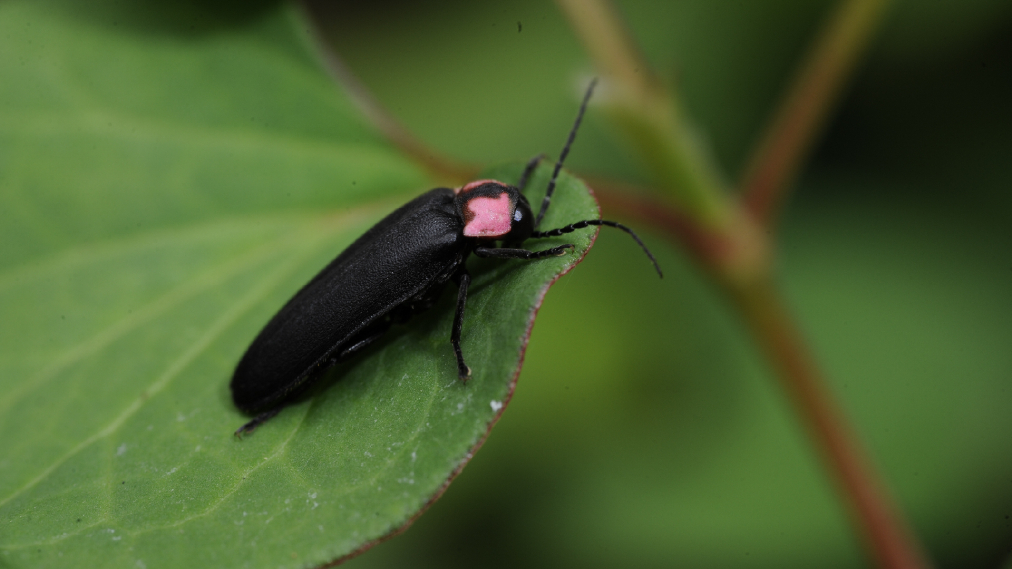
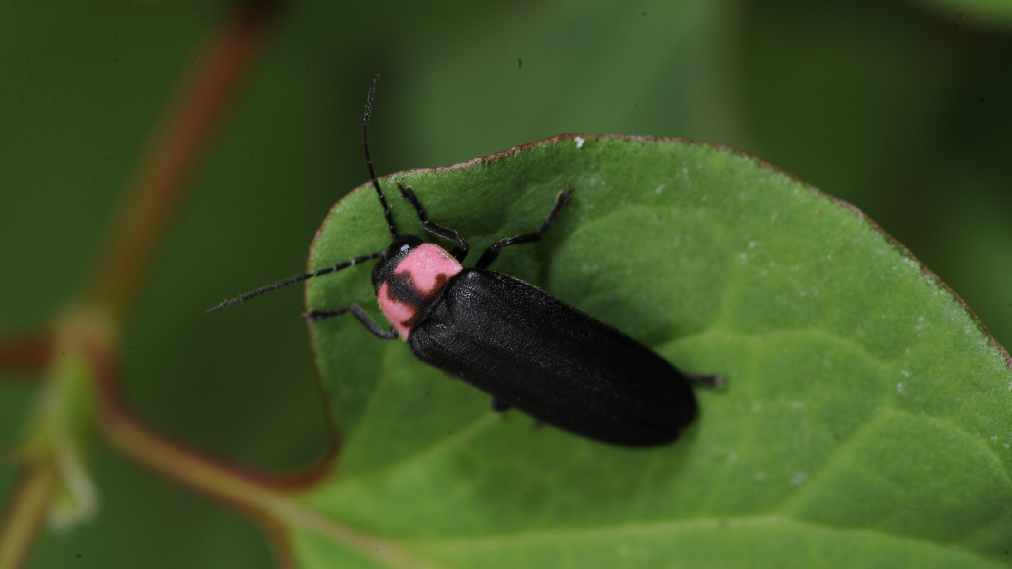
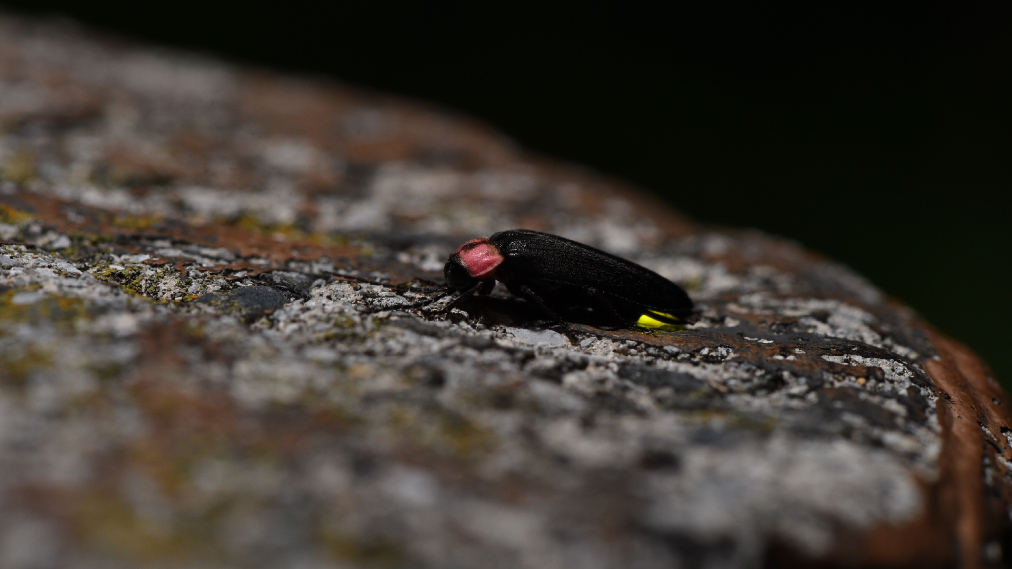
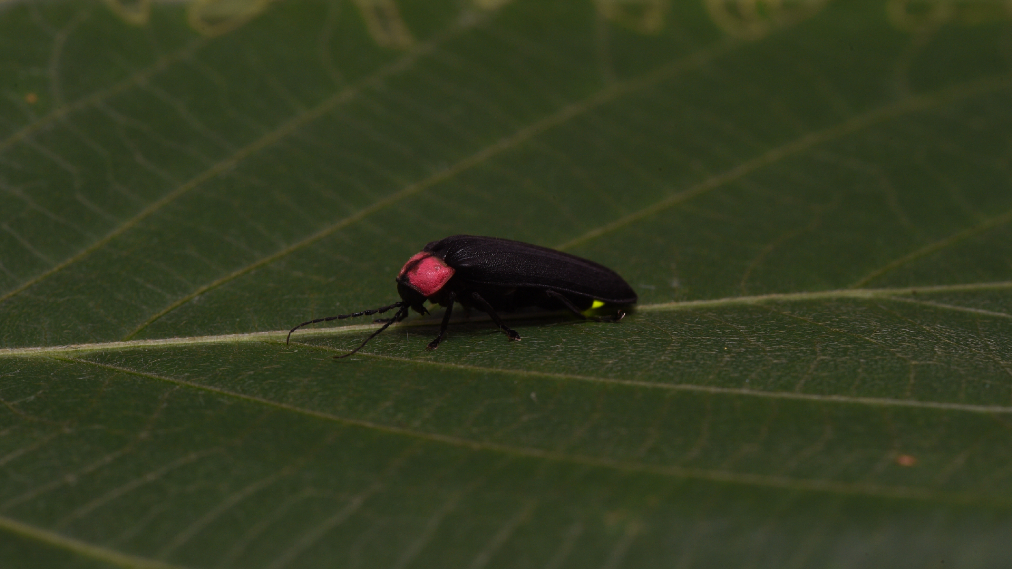
Adults fly near rivers at night, glowing. In areas where they occur in large numbers, they may all glow and disappear at once. Females sit on leaves, glowing, and wait for males. Eggs are laid on moss near the water, and the hatched larvae go into the water and feed on snails such as Japanese river snails. They spend the winter as larvae, and in the spring they come onto land and burrow underground to pupate. Adults emerge in early summer and have a luminous organ in their abdomen.
| classification | Insecta, Coleoptera, Firefly family |
|---|---|
| English name | Genji Firefly |
| distribution | Japan (Honshu, Shikoku, Kyushu) |
| Residence | Larvae: flowing water areas Pupa: In moist soil on the bank Adult: Bushes and grass along rivers |
| Size |
Body length (adult): Males approximately 14 mm, females approximately 16 mm
|
| food | Larva: Japanese pond snail |
| Red List |
IUCN: Not rated
Tokyo: NT (near threatened) |