

Zoo Stock Species and the Red List
Zoo Stock Species and the Red List
Zoo Stock

This indicates that the species is included in the Second Zoo Stock Plan, which was formulated by the Tokyo Metropolitan Government in 2018. The plan sets goals for the next 10 years in three areas: "species conservation," "contribution to wildlife conservation," and "environmental education and conservation awareness." 124 animal species are included.
What is the Red List?
Based on scientific research, this is a list of wildlife classified by rank (category) indicating the degree of risk of extinction.
Livng Things Encyclopedia shows the categories (mainland and islands) assessed by the IUCN (International Union for Conservation of Nature) at the global level, the Ministry of the Environment for Japan, and the Tokyo Metropolitan Government for Tokyo.
The higher the category in each table, the higher the risk of extinction, and CR, EN, and VU are the three categories known as "endangered species." In Tokyo, species that are not at the NT (near threatened) level but are relatively rare are considered "species of concern."
|
IUCN categories |
|
|---|---|
|
EX |
extinction |
|
EW |
Extinction in the wild |
|
CR+EN |
— |
|
CR |
Serious crisis |
|
EN |
crisis |
|
VU |
emergency |
|
NT |
Near Threatened |
|
LC・○ |
Low Concern |
|
DD |
Data shortage |
|
LP |
— |
|
Japan (Ministry of the Environment) Category |
|
|---|---|
|
EX |
extinction |
|
EW |
Extinction in the wild |
|
CR+EN |
Endangered species |
|
CR |
Critically Endangered |
|
EN |
Endangered species |
|
VU |
Endangered species |
|
NT |
Near Threatened |
|
LC・○ |
— |
|
DD |
Lack of information |
|
LP |
Endangered |
|
Tokyo Category |
|
|---|---|
|
EX |
extinction |
|
EW |
Extinction in the wild |
|
CR+EN |
Endangered species |
|
CR |
Critically Endangered |
|
EN |
Endangered species |
|
VU |
Endangered species |
|
NT |
Near Threatened |
|
LC・○ |
Unranked |
|
DD |
Lack of information |
|
LP |
Endangered |
Creatures at Tama Zoo
Creatures at Tama Zoo
Eurasian Eagle Owl
Eurasian Eagle Owl
Bubo bubo
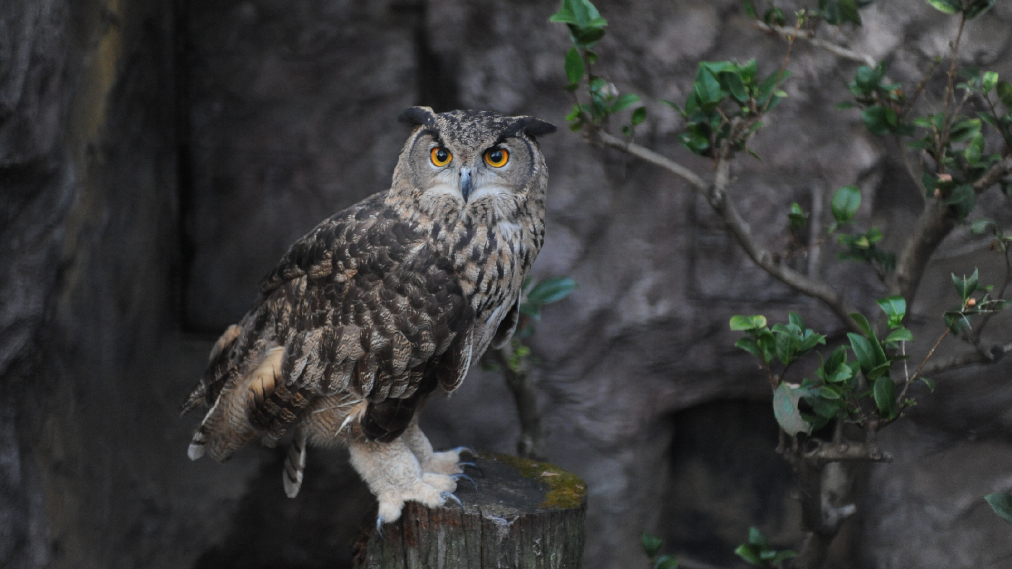
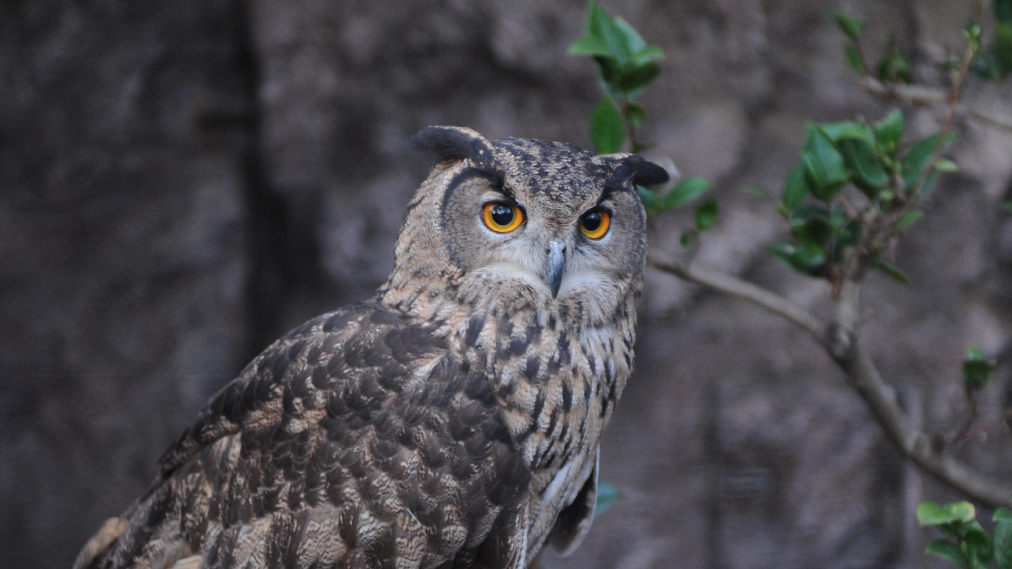
Their bodies are grayish brown to short yellowish brown with black spots and stripes. They are primarily nocturnal, active after sunset and a few hours before sunrise. In the northern end of their habitat, they are also active during the daytime during the summer. The breeding season varies depending on the habitat, from February to August in Scandinavia to December in France. They build nests on cliffs, on the ground on steep slopes, or in the entrance to caves, and lay 2 to 4 eggs.
| classification | Class Aves, Order Ural Owl, Family Ural Owl |
|---|---|
| English name | Eurasian Eagle Owl |
| distribution | Europe, Russia, Central Asia, China |
| Residence | Rocky areas, forests, open forests, grasslands |
| Size |
全長:60~75cm
翼開長:160~188cm 体重:1.5~2.8kg |
| food | They eat mainly small mammals, but also occasionally reptiles, amphibians, fish, and invertebrates. |
| Red List |
IUCN: LC (Least Concern)
Japan: CR (Critically Endangered) |
How to hunt
They basically hunt in ambushes, searching for prey from the top of trees and then swooping down to attack when they find it. Compared to Western Barn Owl and Ural Owl, their dish-shaped faces are smaller, so they are said to rely more on their vision to hunt.