

Zoo Stock Species and the Red List
Zoo Stock Species and the Red List
Zoo Stock

This indicates that the species is included in the Second Zoo Stock Plan, which was formulated by the Tokyo Metropolitan Government in 2018. The plan sets goals for the next 10 years in three areas: "species conservation," "contribution to wildlife conservation," and "environmental education and conservation awareness." 124 animal species are included.
What is the Red List?
Based on scientific research, this is a list of wildlife classified by rank (category) indicating the degree of risk of extinction.
Livng Things Encyclopedia shows the categories (mainland and islands) assessed by the IUCN (International Union for Conservation of Nature) at the global level, the Ministry of the Environment for Japan, and the Tokyo Metropolitan Government for Tokyo.
The higher the category in each table, the higher the risk of extinction, and CR, EN, and VU are the three categories known as "endangered species." In Tokyo, species that are not at the NT (near threatened) level but are relatively rare are considered "species of concern."
|
IUCN categories |
|
|---|---|
|
EX |
extinction |
|
EW |
Extinction in the wild |
|
CR+EN |
— |
|
CR |
Serious crisis |
|
EN |
crisis |
|
VU |
emergency |
|
NT |
Near Threatened |
|
LC・○ |
Low Concern |
|
DD |
Data shortage |
|
LP |
— |
|
Japan (Ministry of the Environment) Category |
|
|---|---|
|
EX |
extinction |
|
EW |
Extinction in the wild |
|
CR+EN |
Endangered species |
|
CR |
Critically Endangered |
|
EN |
Endangered species |
|
VU |
Endangered species |
|
NT |
Near Threatened |
|
LC・○ |
— |
|
DD |
Lack of information |
|
LP |
Endangered |
|
Tokyo Category |
|
|---|---|
|
EX |
extinction |
|
EW |
Extinction in the wild |
|
CR+EN |
Endangered species |
|
CR |
Critically Endangered |
|
EN |
Endangered species |
|
VU |
Endangered species |
|
NT |
Near Threatened |
|
LC・○ |
Unranked |
|
DD |
Lack of information |
|
LP |
Endangered |
Creatures at Tama Zoo
Creatures at Tama Zoo
Domestic Horse
Livestock: Hokkaido Japanese cattle
Domestic Horse
Livestock: Hokkaido Japanese cattleEquus caballus
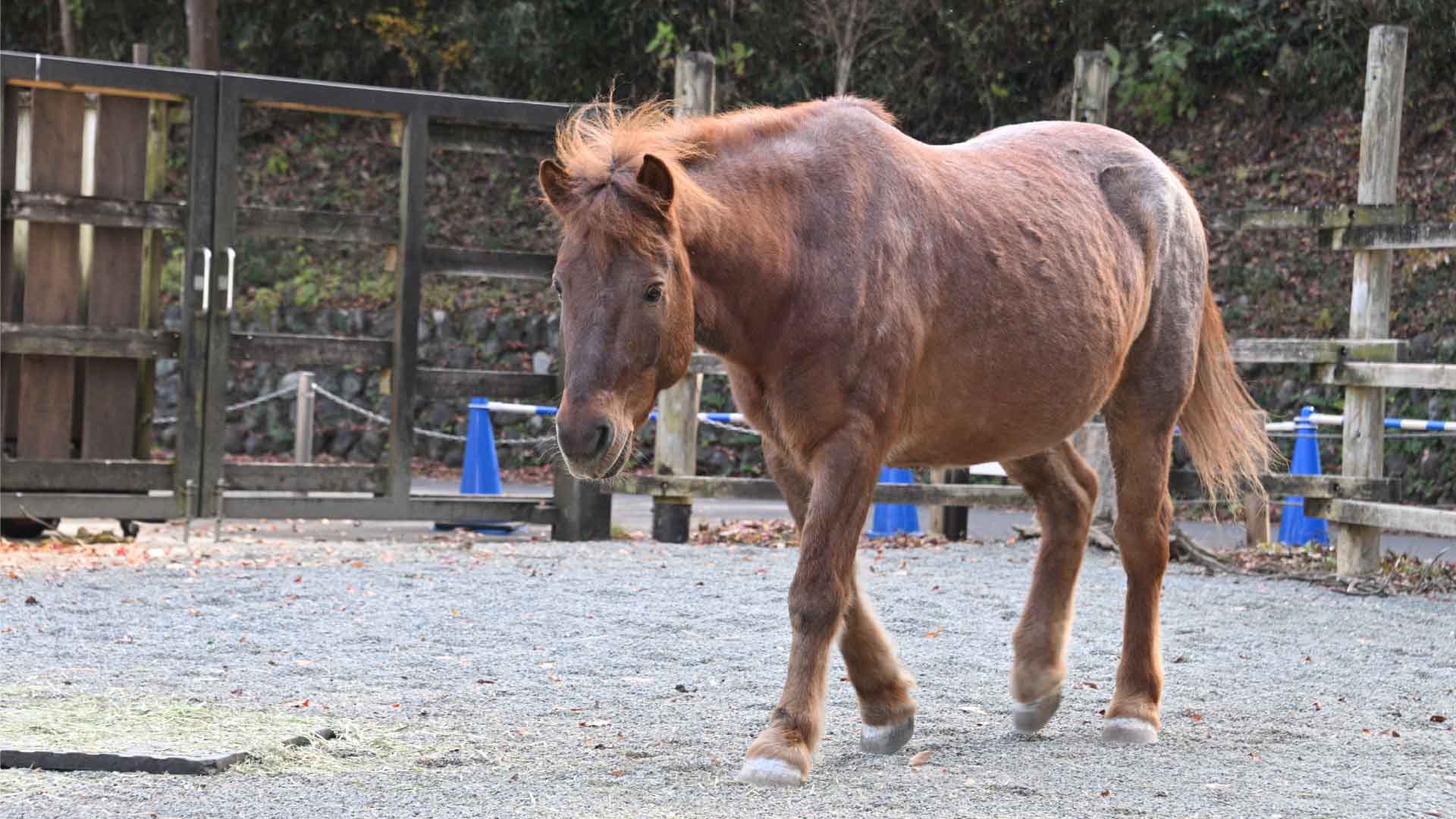
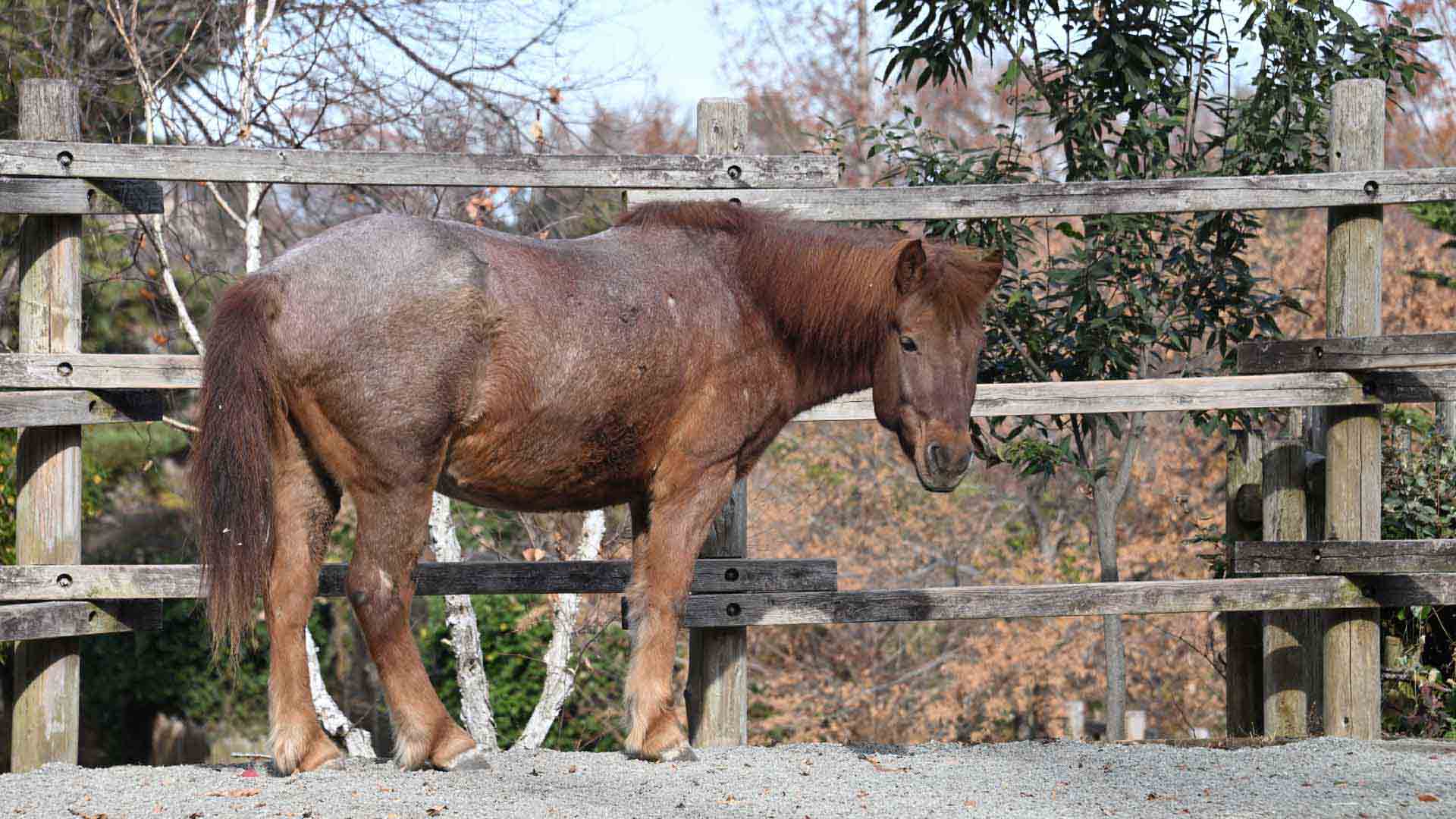
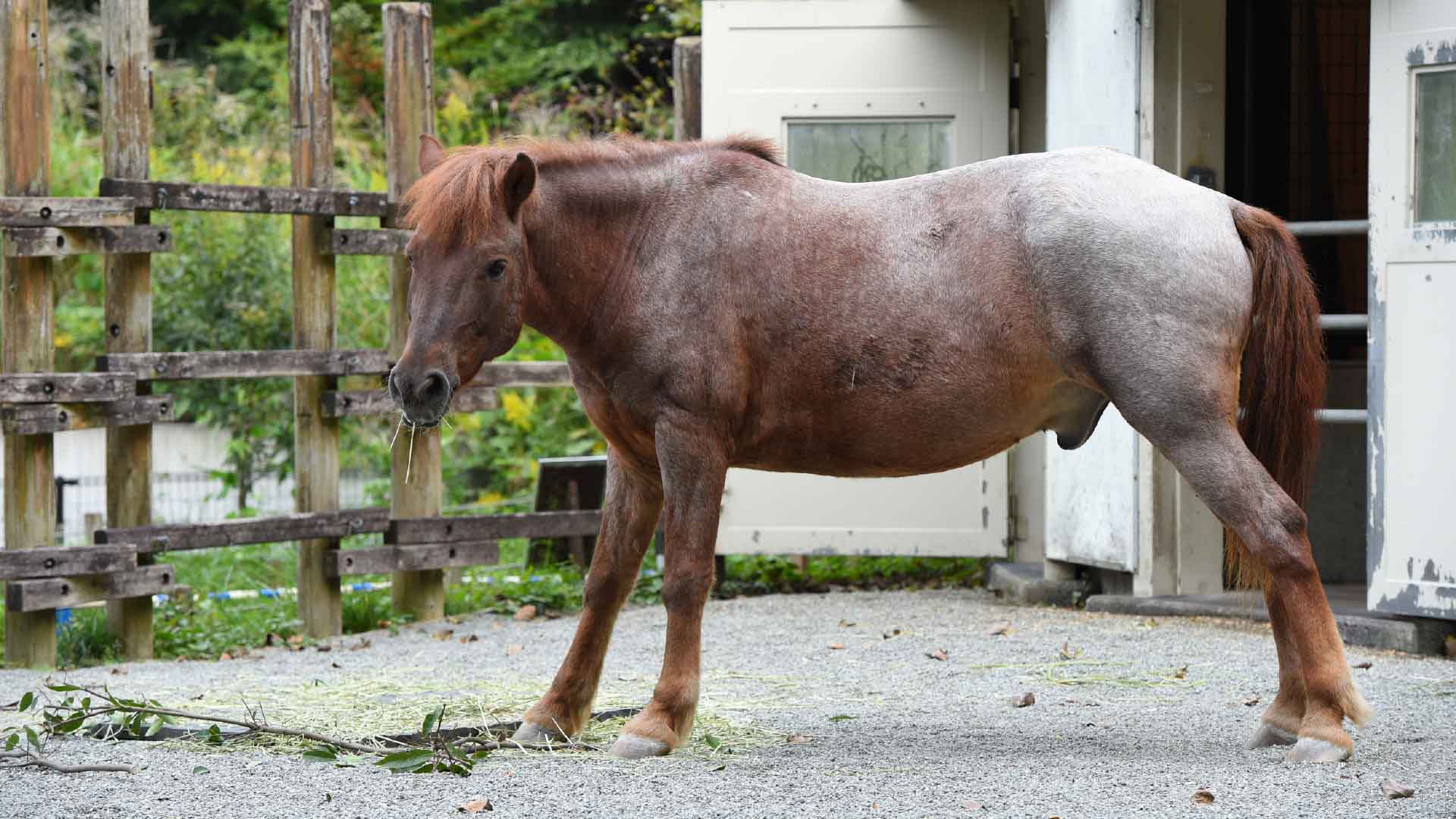
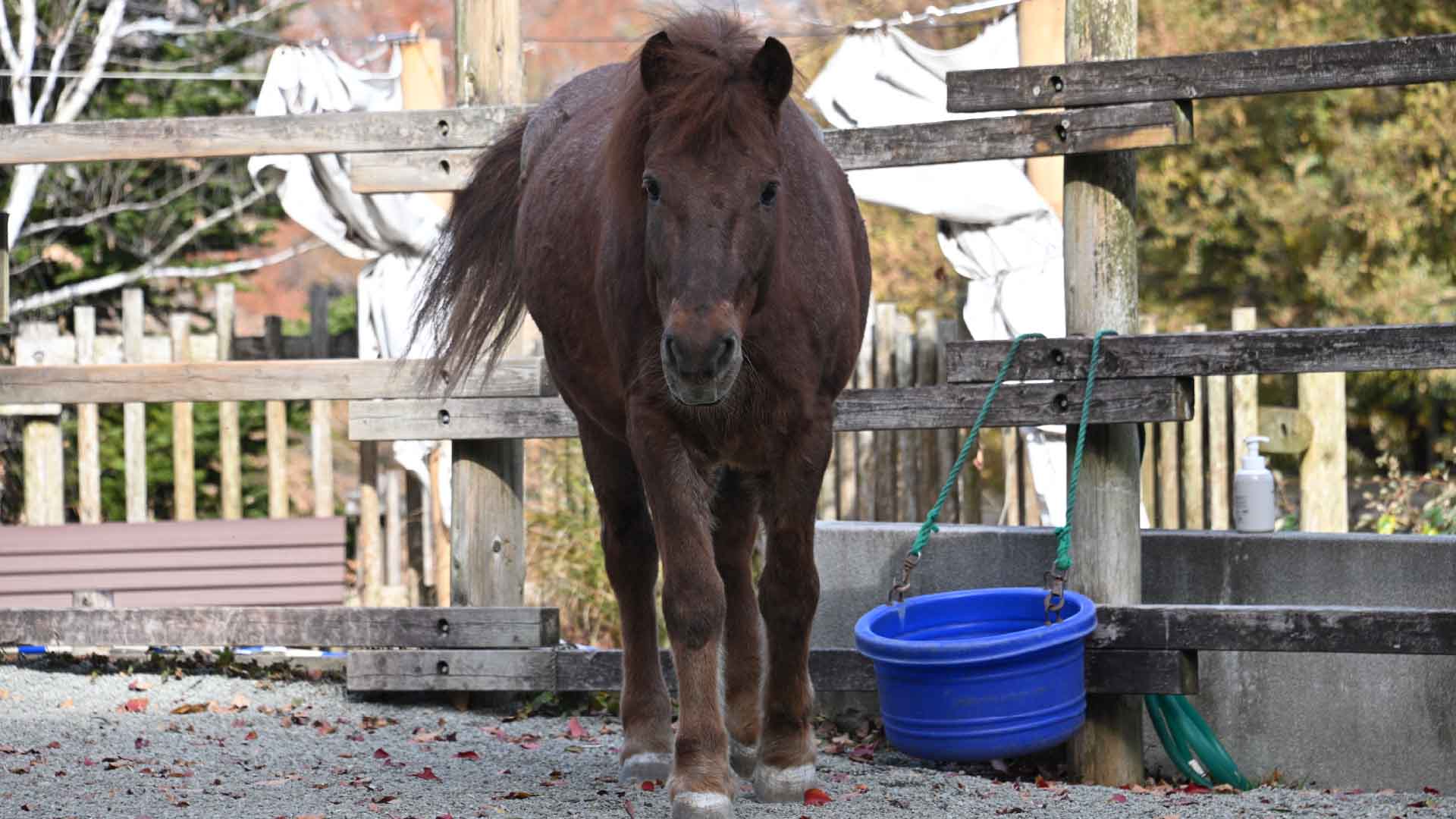
There are eight native horse breeds in Japan that are rooted in each region.
The Hokkaido Japanese horse (commonly known as Dosanko) is one such breed. Used to transport luggage and people on its back, it has made a long-standing contribution to the development of Hokkaido since the Meiji era. It is used as a riding horse in a variety of situations, including horse trekking, the traditional martial art of Yabusame, and horse riding for the disabled.
| classification | Mammalia, Perissodactyla, Domestic Horse |
|---|---|
| English name | Domestic Horse |
| distribution | Japan (Hokkaido) |
| Residence | ー |
| Size |
Shoulder height: approx. 130cm
|
| food | grass |
| Red List |
Not rated for livestock
|
Native horses that are good at transporting goods
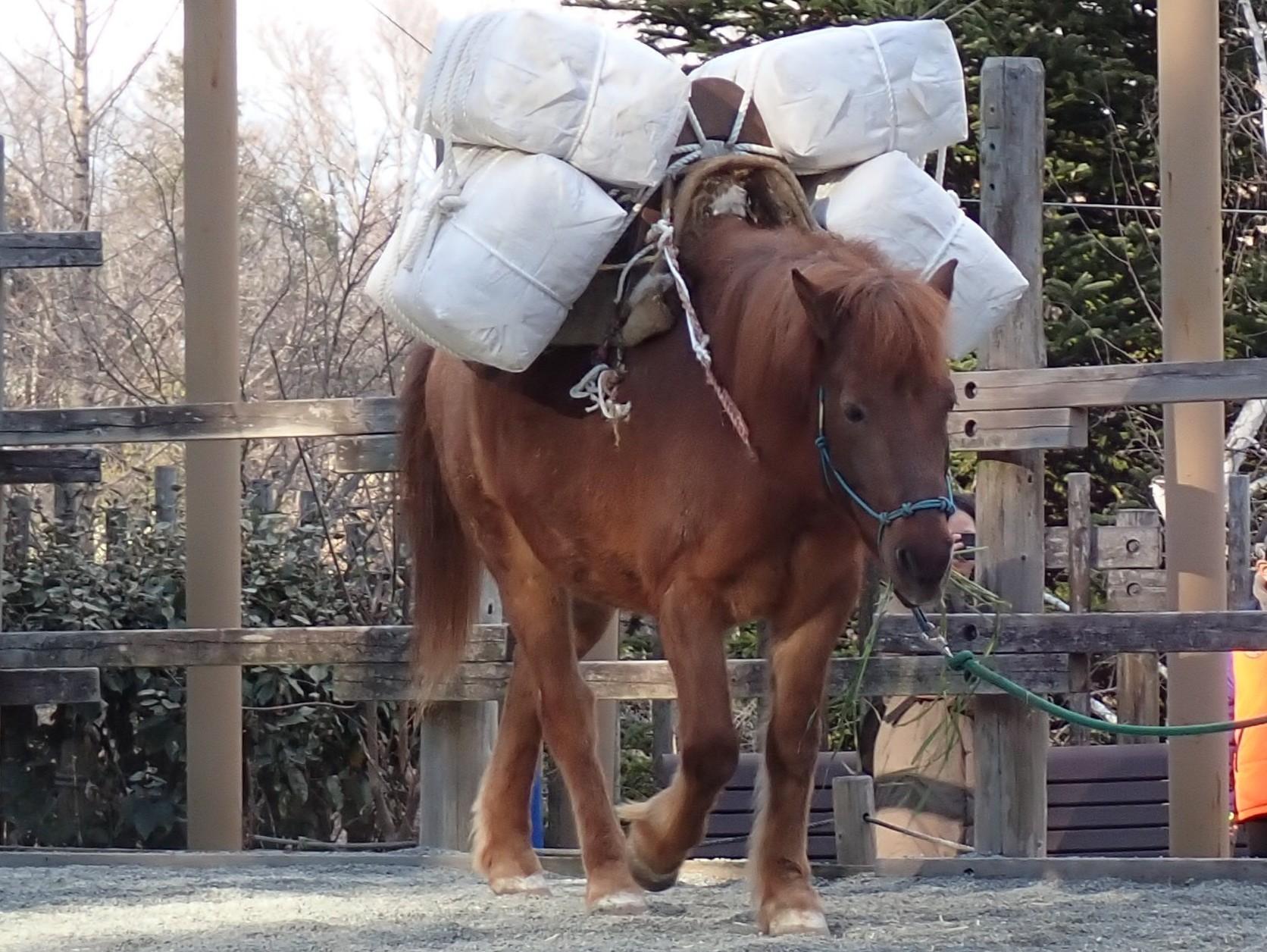
Hokkaido Washu horses have been used primarily as horses for carrying people and goods on their backs. They are not too tall, and their build makes it easy to carry people and goods on their backs.
Walking
They walk in a side-by-side gait, with their front and back legs moving in the same direction at the same time. This way of walking prevents their backs from swaying up and down, which prevents damage to or the collapse of loads carried on their backs. For this reason, side-by-side gait Domestic Horse have long been valued for carrying heavy loads.
Survival crisis
The Hokkaido Washu breed is facing a crisis of survival due to declining populations and a decline in genetic diversity. Environmental changes, such as a decrease in grazing land, are also an issue. What we can do is deepen our understanding of native horses, support conservation efforts, and spread awareness of their value. Knowledge itself will help us connect to the future.
Breeding techniques at Tama Zoo
At Tama Zoo, we use a method called "Kawakawa training" to raise and manage our domestic horses. By imitating the behavior of Domestic Horse in the herd toward other Domestic Horse, animal keeper gain the trust and become recognized as respected members of the herd.