

Zoo Stock Species and the Red List
Zoo Stock Species and the Red List
Zoo Stock

This indicates that the species is included in the Second Zoo Stock Plan, which was formulated by the Tokyo Metropolitan Government in 2018. The plan sets goals for the next 10 years in three areas: "species conservation," "contribution to wildlife conservation," and "environmental education and conservation awareness." 124 animal species are included.
What is the Red List?
Based on scientific research, this is a list of wildlife classified by rank (category) indicating the degree of risk of extinction.
Livng Things Encyclopedia shows the categories (mainland and islands) assessed by the IUCN (International Union for Conservation of Nature) at the global level, the Ministry of the Environment for Japan, and the Tokyo Metropolitan Government for Tokyo.
The higher the category in each table, the higher the risk of extinction, and CR, EN, and VU are the three categories known as "endangered species." In Tokyo, species that are not at the NT (near threatened) level but are relatively rare are considered "species of concern."
|
IUCN categories |
|
|---|---|
|
EX |
extinction |
|
EW |
Extinction in the wild |
|
CR+EN |
— |
|
CR |
Serious crisis |
|
EN |
crisis |
|
VU |
emergency |
|
NT |
Near Threatened |
|
LC・○ |
Low Concern |
|
DD |
Data shortage |
|
LP |
— |
|
Japan (Ministry of the Environment) Category |
|
|---|---|
|
EX |
extinction |
|
EW |
Extinction in the wild |
|
CR+EN |
Endangered species |
|
CR |
Critically Endangered |
|
EN |
Endangered species |
|
VU |
Endangered species |
|
NT |
Near Threatened |
|
LC・○ |
— |
|
DD |
Lack of information |
|
LP |
Endangered |
|
Tokyo Category |
|
|---|---|
|
EX |
extinction |
|
EW |
Extinction in the wild |
|
CR+EN |
Endangered species |
|
CR |
Critically Endangered |
|
EN |
Endangered species |
|
VU |
Endangered species |
|
NT |
Near Threatened |
|
LC・○ |
Unranked |
|
DD |
Lack of information |
|
LP |
Endangered |
Creatures at Tama Zoo
Creatures at Tama Zoo

Crested Ibis
Crested Ibis
Nipponia Nippon
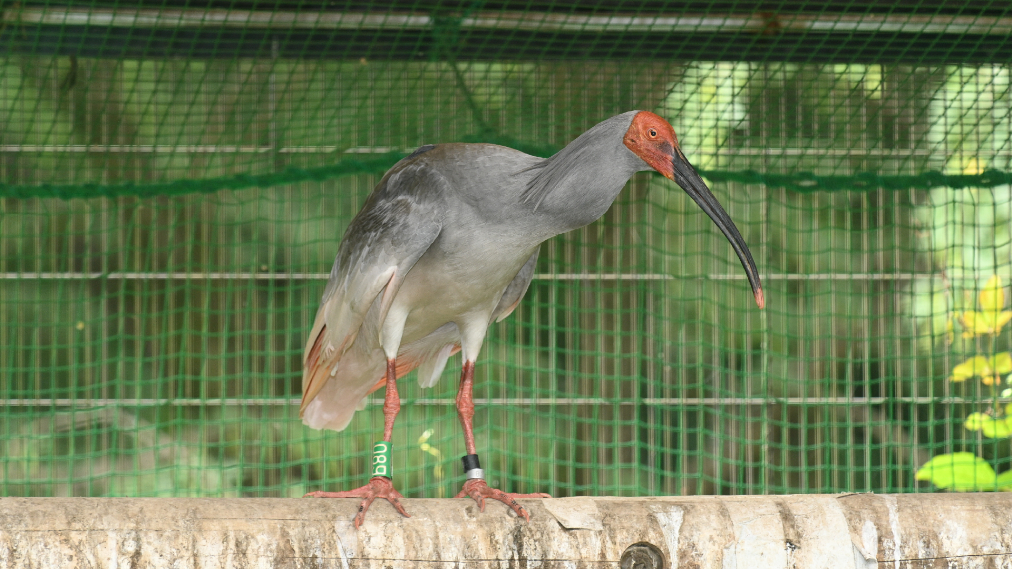
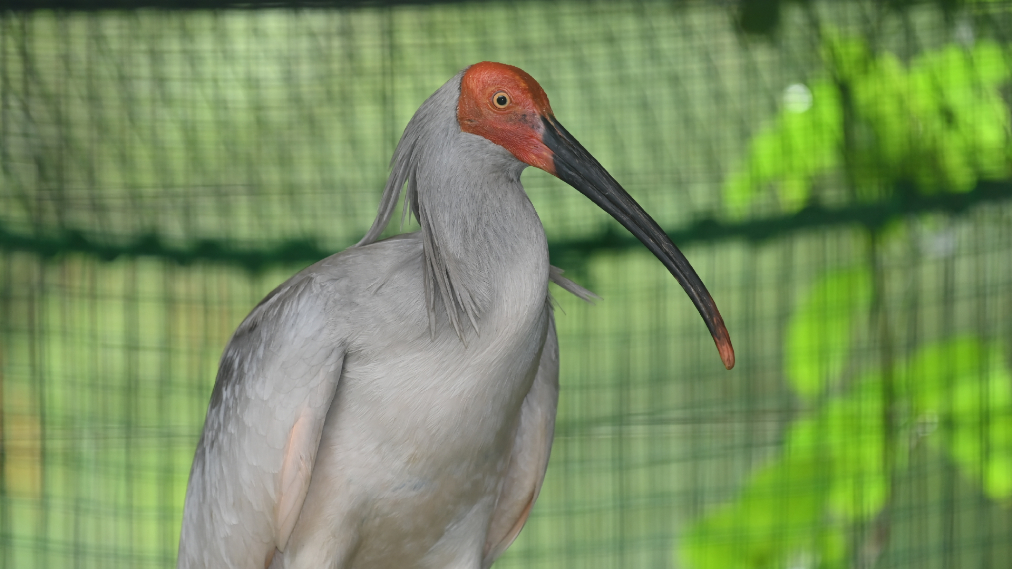
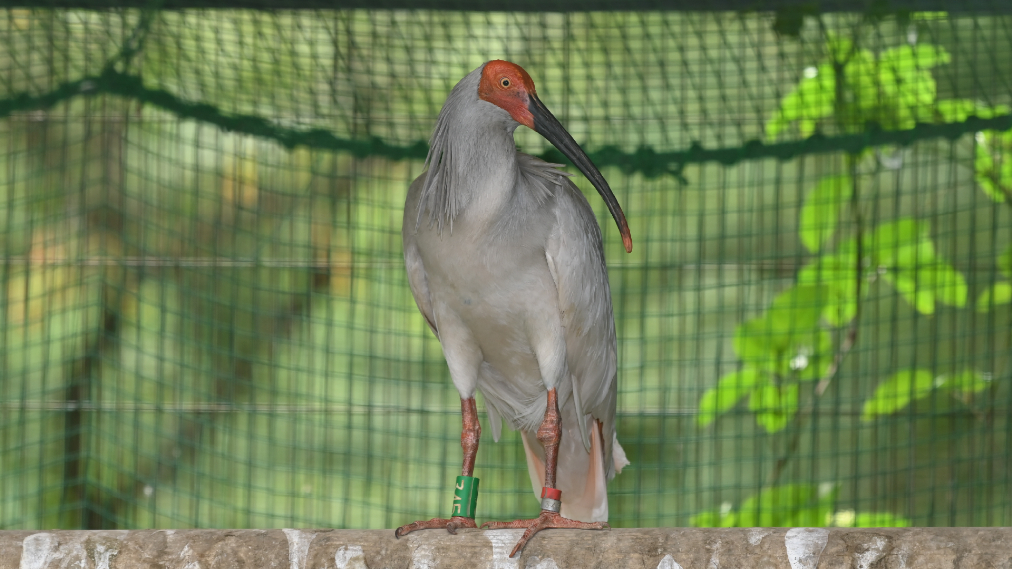
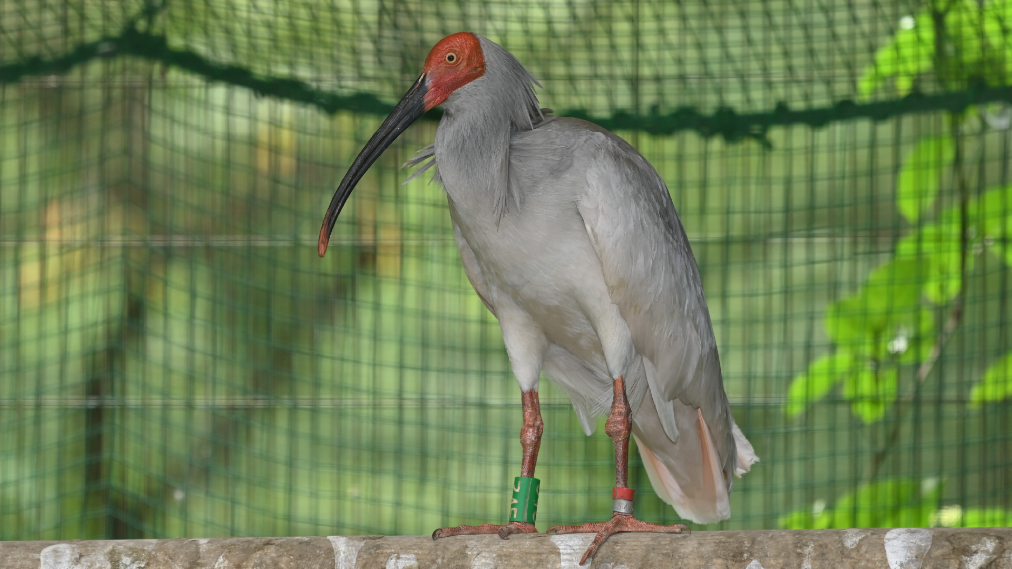
This bird is characterized by its pale orange-red wings, known as "Tokiiro" (Japanese crested ibis color), and its bare red face. Its beak is long and slender, curved downwards, making it easy to peck at and search for creatures in the mud. During the day, it hunts for and eats creatures in shallow waters such as rice paddies, and when it gets dark, it rests in trees.
| classification | Birds, Pelecaniformes, Crested Ibis |
|---|---|
| English name | Crested Ibis |
| distribution | Japan, China, and the Korean Peninsula |
| Residence | They nest in forests and feed in shallow water areas such as rice fields and wetlands. |
| Size |
Total length: approx. 75cm
Wingspan length: approx. 140cm Weight: Approximately 1.5-2.0 kg |
| food | Loaches, Japanese Freshwater Crab, frogs, pond snails, insects, etc. |
| Red List |
IUCN: EN (crisis)
Japan: EN (Endangered) |
Feather color
The color of their feathers changes with the seasons. During the non-breeding season, their entire bodies are whitish, and the undersides of their wings and tail feathers are a distinctive pale orange-red color known as toki color. During the breeding season, which begins around December, they smear the black skin that has fallen off their necks onto their feathers while bathing, turning their heads, wings, and backs gray-black. Once the breeding season ends, their feathers change back to the whitish color they are in during the non-breeding season.
Childrearing
When the chicks hatch in April, the male and female work together to raise them.
Chick color
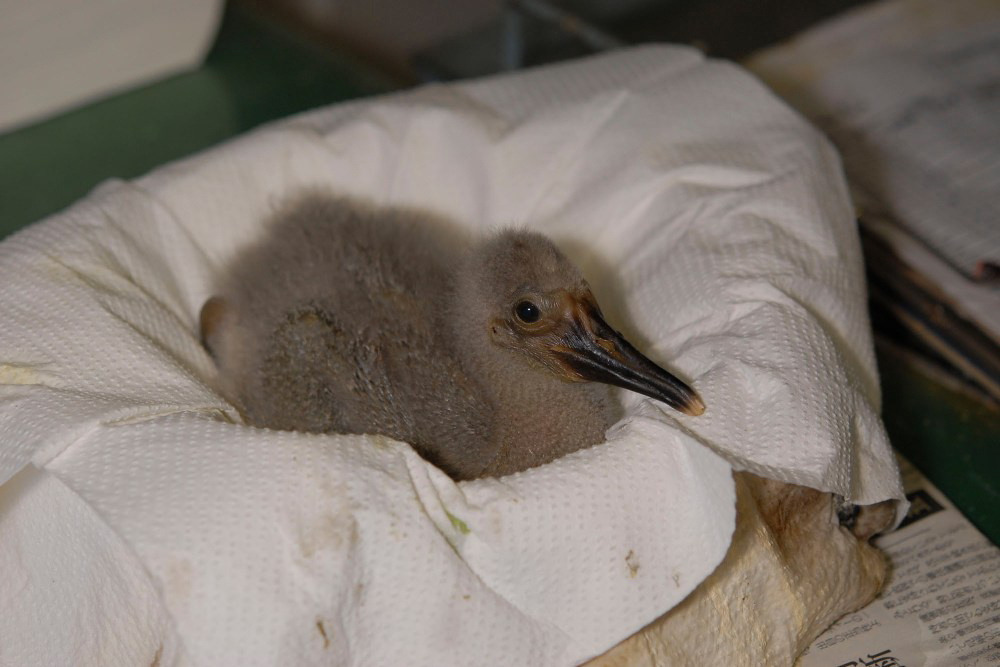
Newly hatched chicks have grey feathers and yellow faces so that they do not stand out in the nest. After about two years of age, they grow in the same coloured feathers as adults.
Wild conditions
They once lived all over Japan, but their numbers have declined due to overhunting for their "Toki" colored feathers, deforestation of breeding grounds, and the dwindling population of rice paddies due to the heavy use of pesticides. The last wild-caught crested ibis died in 2003, but captive-bred Crested Ibis Crested Ibis received from China were released on Sado Island, and there are now around 600 crested Crested Ibis living there. Release on Honshu is scheduled to begin in 2026.
Initiatives at the Tokyo Metropolitan Zoo
Since the start of Crested Ibis conservation efforts, we have cooperated in a variety of areas, including technical cooperation in breeding and veterinary care, the development of feed, artificial incubation, and the establishment of chick-rearing techniques. As part of ex-situ conservation, Tama Zoo was selected as the first dispersed breeding site, and has been breeding Crested Ibis since 2007. The chicks that have grown are moved to the Sado Crested Crested Ibis Conservation Center in Niigata Prefecture, and some have been released into the wild. By 2025, 104 birds have been released. A wild reintroduction project began in Sado City in 2008, and approximately 530 crested ibises have been released, including Crested Ibis born and raised at Tama Zoo.