

Zoo Stock Species and the Red List
Zoo Stock Species and the Red List
Zoo Stock

This indicates that the species is included in the Second Zoo Stock Plan, which was formulated by the Tokyo Metropolitan Government in 2018. The plan sets goals for the next 10 years in three areas: "species conservation," "contribution to wildlife conservation," and "environmental education and conservation awareness." 124 animal species are included.
What is the Red List?
Based on scientific research, this is a list of wildlife classified by rank (category) indicating the degree of risk of extinction.
Livng Things Encyclopedia shows the categories (mainland and islands) assessed by the IUCN (International Union for Conservation of Nature) at the global level, the Ministry of the Environment for Japan, and the Tokyo Metropolitan Government for Tokyo.
The higher the category in each table, the higher the risk of extinction, and CR, EN, and VU are the three categories known as "endangered species." In Tokyo, species that are not at the NT (near threatened) level but are relatively rare are considered "species of concern."
|
IUCN categories |
|
|---|---|
|
EX |
extinction |
|
EW |
Extinction in the wild |
|
CR+EN |
— |
|
CR |
Serious crisis |
|
EN |
crisis |
|
VU |
emergency |
|
NT |
Near Threatened |
|
LC・○ |
Low Concern |
|
DD |
Data shortage |
|
LP |
— |
|
Japan (Ministry of the Environment) Category |
|
|---|---|
|
EX |
extinction |
|
EW |
Extinction in the wild |
|
CR+EN |
Endangered species |
|
CR |
Critically Endangered |
|
EN |
Endangered species |
|
VU |
Endangered species |
|
NT |
Near Threatened |
|
LC・○ |
— |
|
DD |
Lack of information |
|
LP |
Endangered |
|
Tokyo Category |
|
|---|---|
|
EX |
extinction |
|
EW |
Extinction in the wild |
|
CR+EN |
Endangered species |
|
CR |
Critically Endangered |
|
EN |
Endangered species |
|
VU |
Endangered species |
|
NT |
Near Threatened |
|
LC・○ |
Unranked |
|
DD |
Lack of information |
|
LP |
Endangered |
Creatures at Tama Zoo
Creatures at Tama Zoo
Cape Teal
Cape Teal
Anas capensis
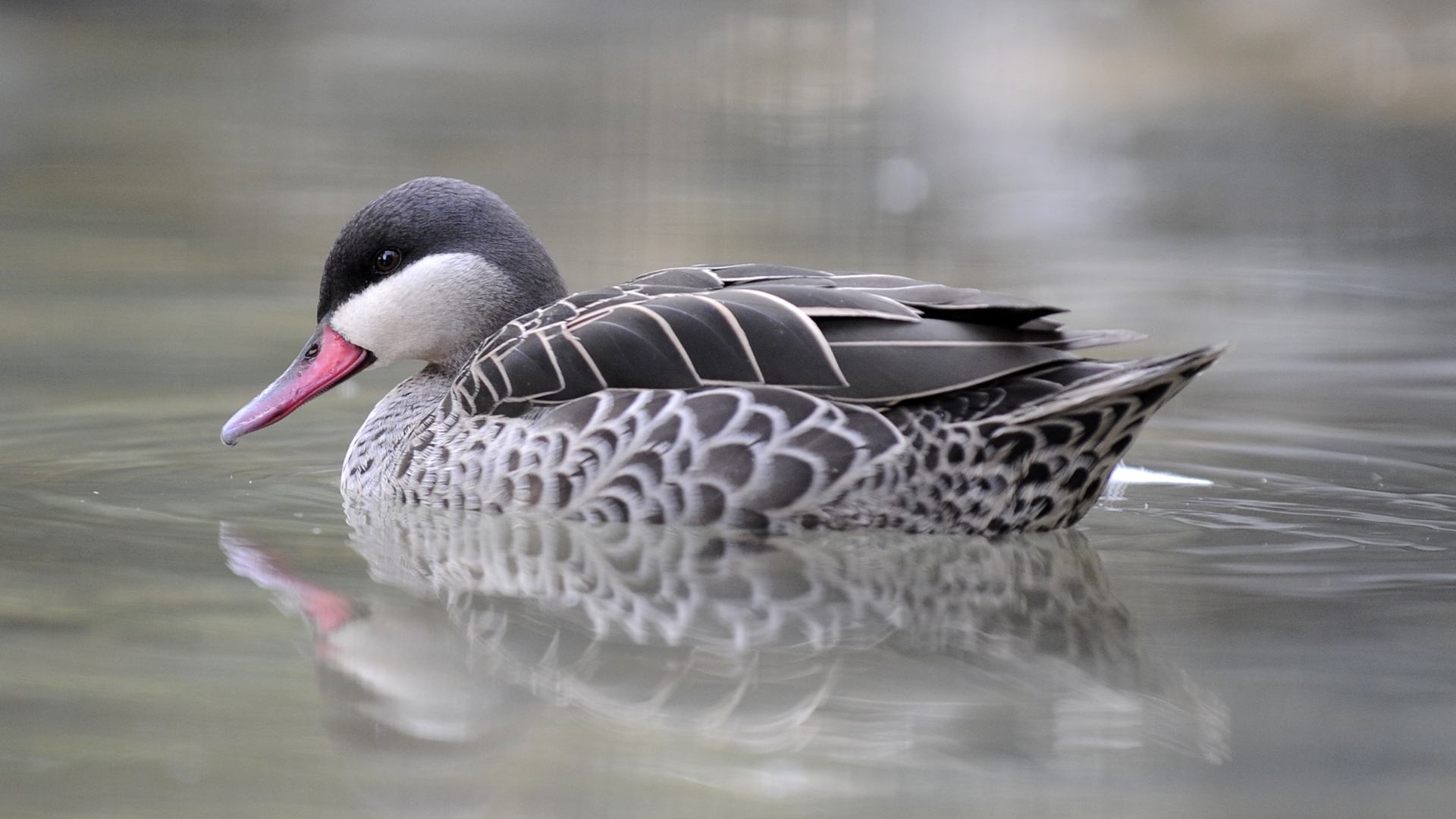
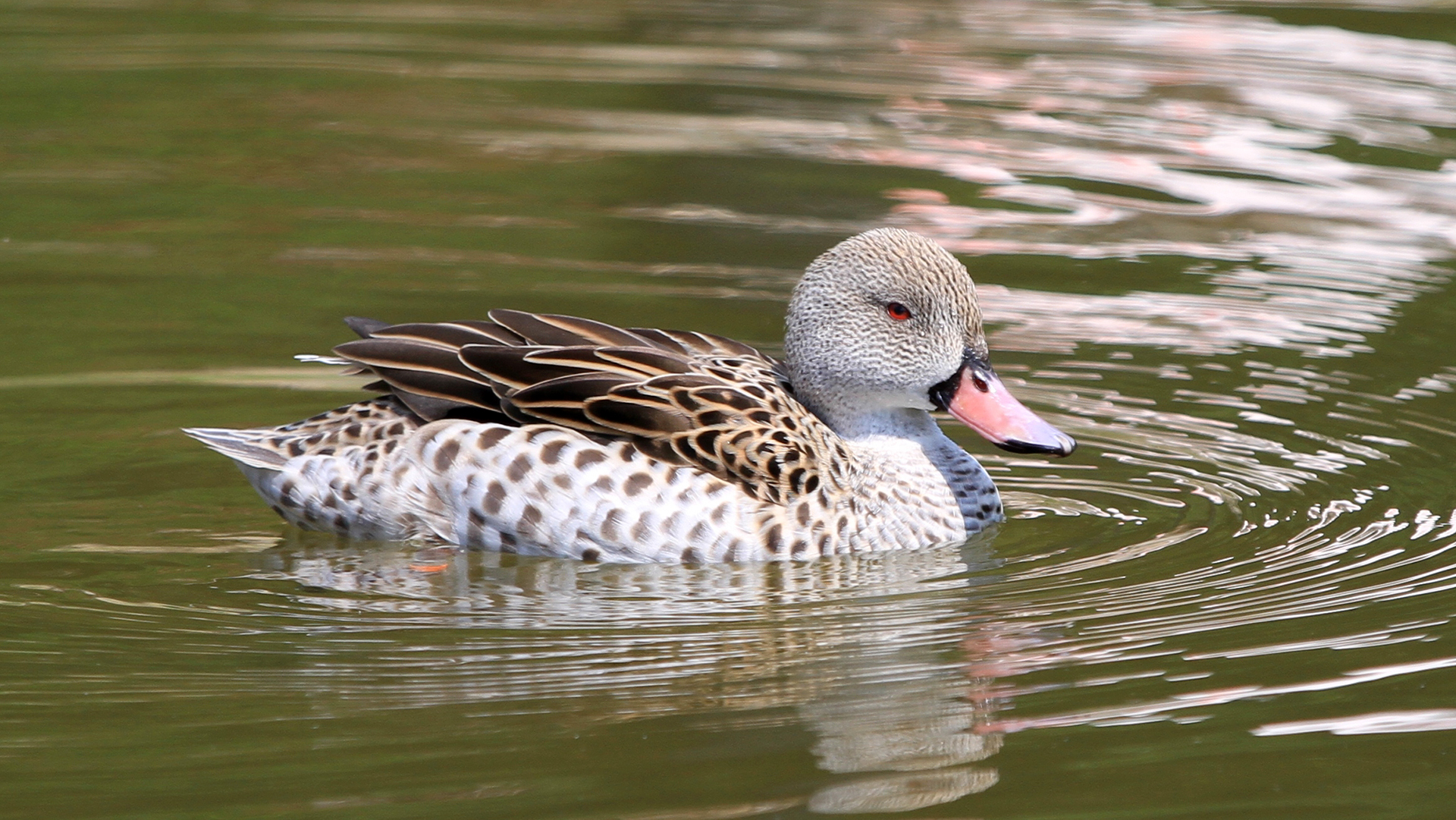
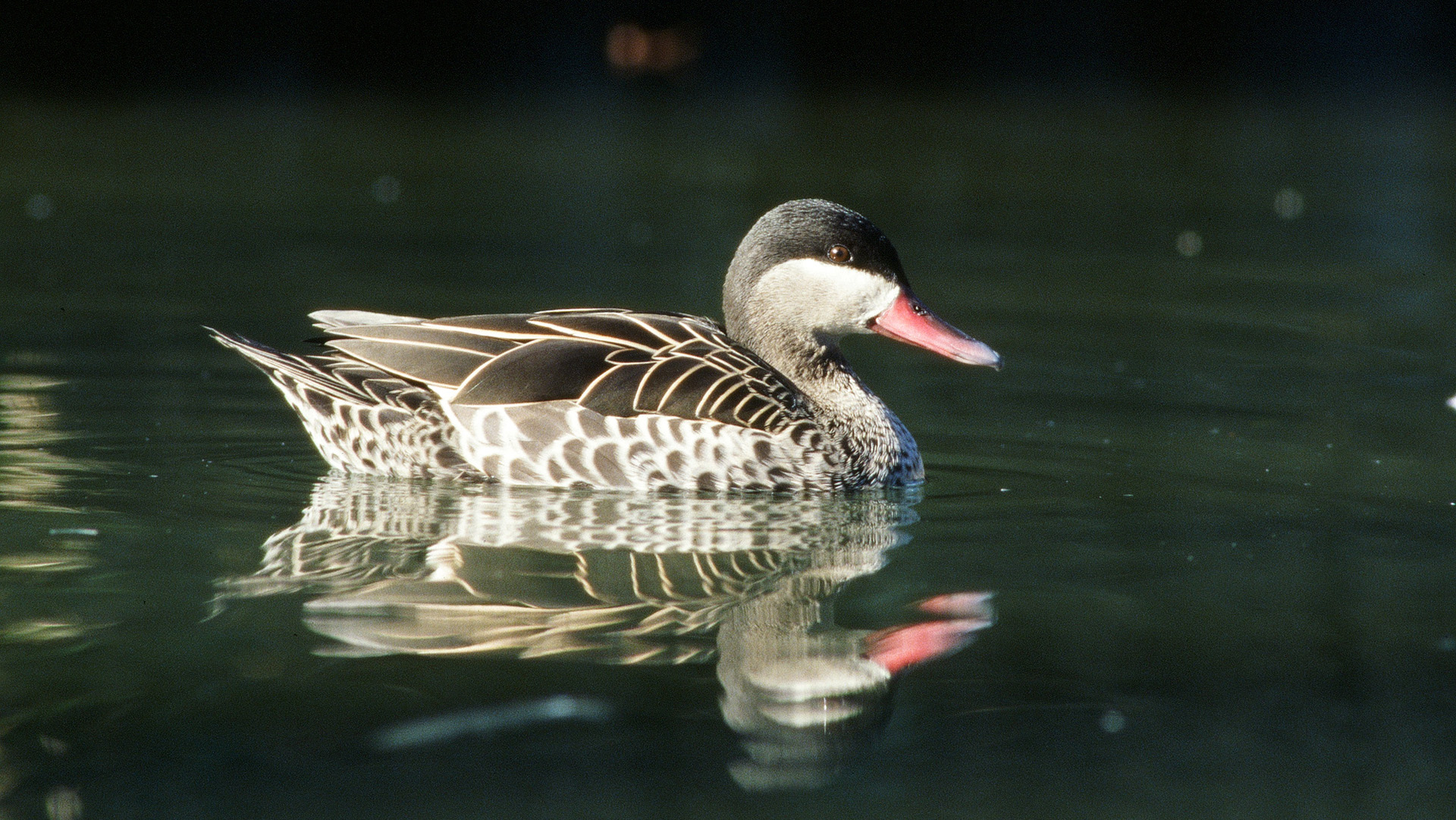
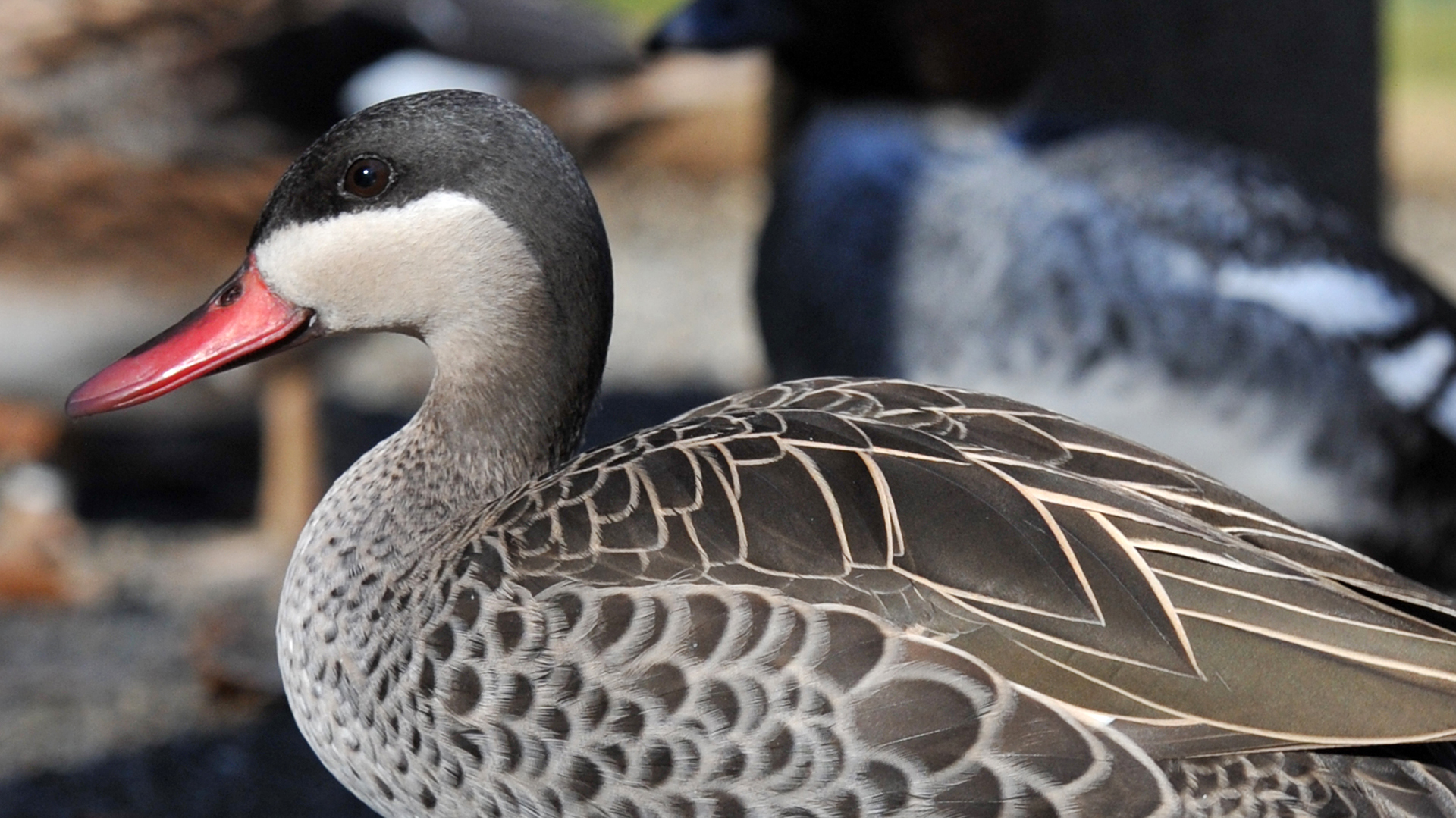
Their bodies are grey with brownish backs and reddish-pink beaks. They are mainly sedentary and do not migrate, but will migrate in response to changes in rainfall and water levels. Breeding seasons also change with changes in rainfall and vary by region. They build nests covered with downy feathers in hollows dug in the ground and lay 6 to 11 eggs. They travel in pairs or small flocks of 3 to 7 birds throughout the year, but may form larger flocks only during the molting season.
| classification | Aves, Anseriformes, Anatidae |
|---|---|
| English name | Cape Teal |
| distribution | Nigeria, Ethiopia to Tanzania, Angola to South Africa |
| Residence | Lakes, tidal flats, shallow waters |
| Size |
Total length: 44-48cm
Weight: 316-502g |
| food | Aquatic invertebrates, small amphibians, and aquatic plants |
| Red List |
IUCN: LC (Least Concern)
|