

Zoo Stock Species and the Red List
Zoo Stock Species and the Red List
Zoo Stock

This indicates that the species is included in the Second Zoo Stock Plan, which was formulated by the Tokyo Metropolitan Government in 2018. The plan sets goals for the next 10 years in three areas: "species conservation," "contribution to wildlife conservation," and "environmental education and conservation awareness." 124 animal species are included.
What is the Red List?
Based on scientific research, this is a list of wildlife classified by rank (category) indicating the degree of risk of extinction.
Livng Things Encyclopedia shows the categories (mainland and islands) assessed by the IUCN (International Union for Conservation of Nature) at the global level, the Ministry of the Environment for Japan, and the Tokyo Metropolitan Government for Tokyo.
The higher the category in each table, the higher the risk of extinction, and CR, EN, and VU are the three categories known as "endangered species." In Tokyo, species that are not at the NT (near threatened) level but are relatively rare are considered "species of concern."
|
IUCN categories |
|
|---|---|
|
EX |
extinction |
|
EW |
Extinction in the wild |
|
CR+EN |
— |
|
CR |
Serious crisis |
|
EN |
crisis |
|
VU |
emergency |
|
NT |
Near Threatened |
|
LC・○ |
Low Concern |
|
DD |
Data shortage |
|
LP |
— |
|
Japan (Ministry of the Environment) Category |
|
|---|---|
|
EX |
extinction |
|
EW |
Extinction in the wild |
|
CR+EN |
Endangered species |
|
CR |
Critically Endangered |
|
EN |
Endangered species |
|
VU |
Endangered species |
|
NT |
Near Threatened |
|
LC・○ |
— |
|
DD |
Lack of information |
|
LP |
Endangered |
|
Tokyo Category |
|
|---|---|
|
EX |
extinction |
|
EW |
Extinction in the wild |
|
CR+EN |
Endangered species |
|
CR |
Critically Endangered |
|
EN |
Endangered species |
|
VU |
Endangered species |
|
NT |
Near Threatened |
|
LC・○ |
Unranked |
|
DD |
Lack of information |
|
LP |
Endangered |
Creatures at Tama Zoo
Creatures at Tama Zoo

Brant Goose
Brant Goose
Branta Bernicla
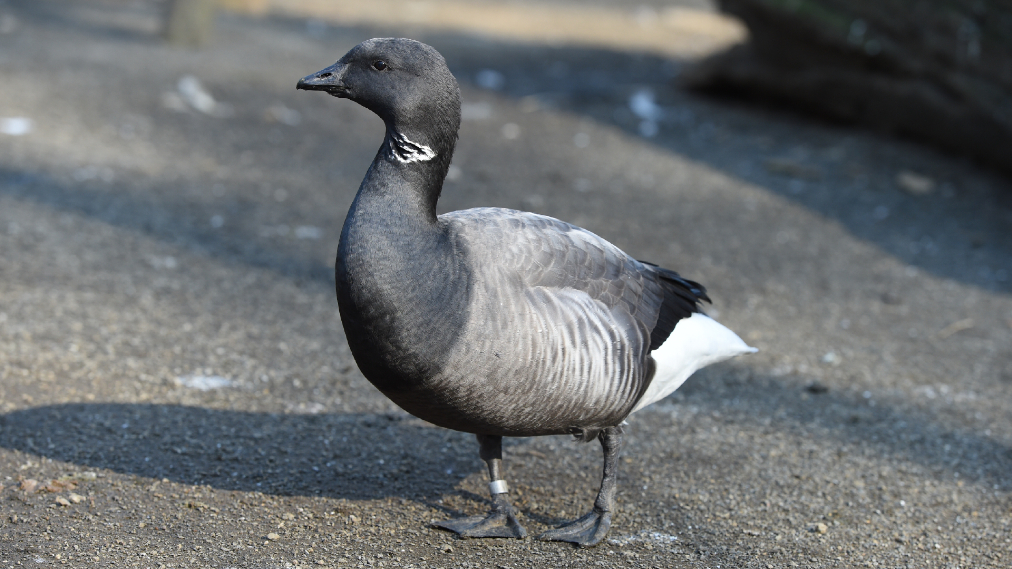
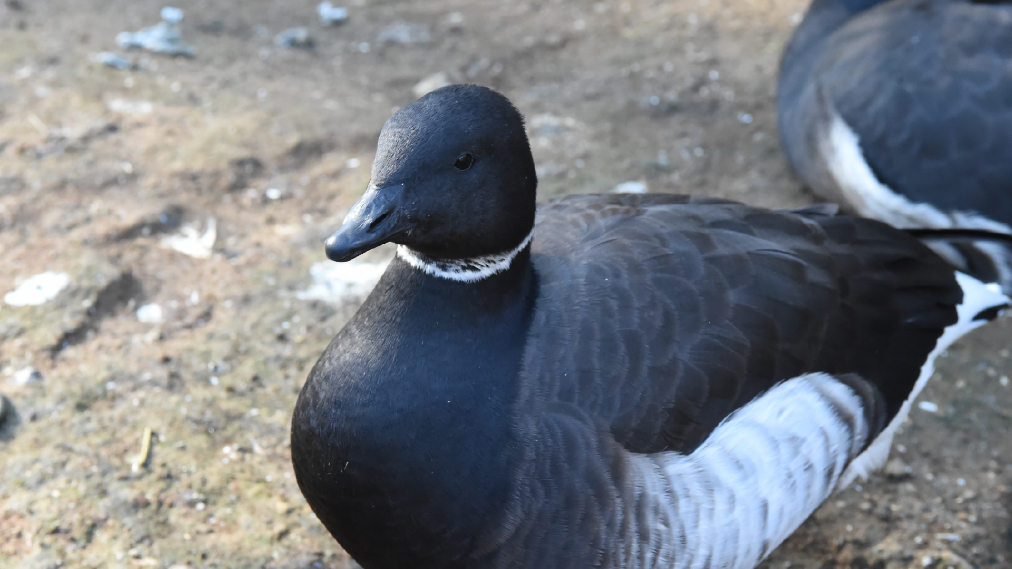
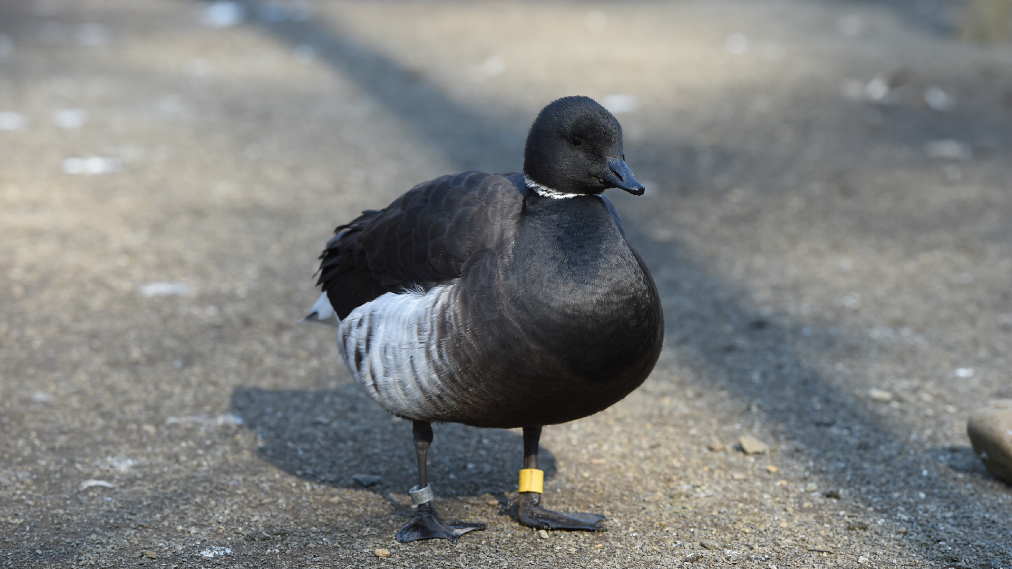
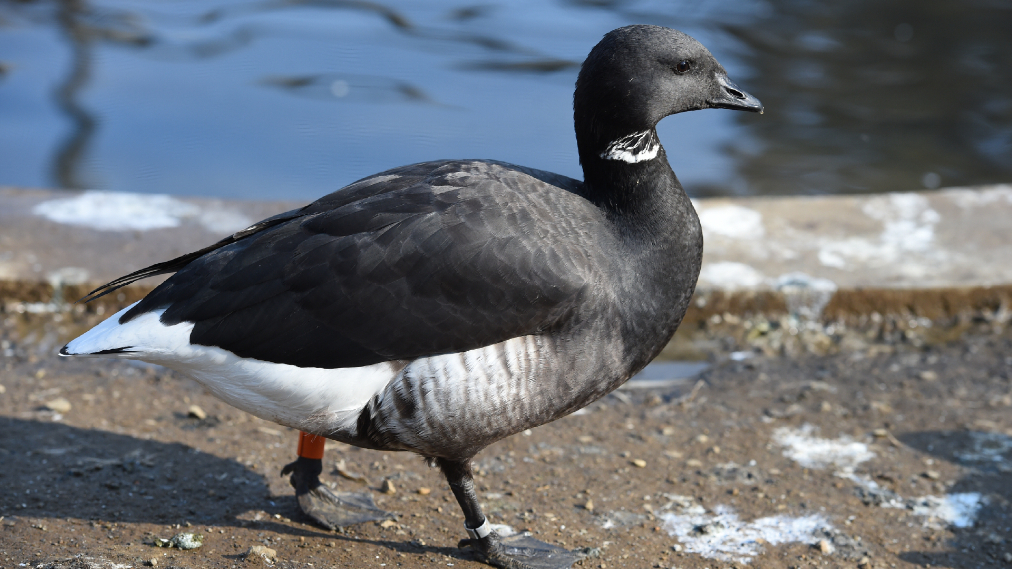
Their bodies are generally brown, grayish to blackish brown, with a white collar-like pattern on their necks. Of all the geese found in Japan, they are the only ones that live on the coast. Their breeding season begins around June. They build nests made of grass, moss and feathers and lay 3 to 5 eggs. They often nest near Snowy Owl nests to avoid being attacked by arctic foxes.
| classification | Aves, Anseriformes, Anatidae |
|---|---|
| English name | Brant Goose |
| distribution | Breeding season: Greenland, Russia, and the Arctic coasts of the United States and Canada Wintering season: Coasts of the UK, France, and Germany, China, Korea, Japan, and the west coast of the US |
| Residence | Breeding season: Tundra near the coast Wintering season: Coasts, tidal flats, lakes and marshes |
| Size |
全長:55~56cm
翼開長:110~120cm 体重:1.2~2.3kg |
| food | Grass, moss, lichen, seaweed, seaweed |
| Red List |
IUCN: LC (Least Concern)
Japan: VU (Vulnerable) |
Danger in the wild
There are approximately 500,000 brent geese living in the world, but the population in the Asia-Pacific region is said to be around 8,700, which is not a large number. Of these, around 2,500 are thought to overwinter in Japan. In order for Brant Goose to continue overwintering in the future, it is important to conserve Bell-ware beds, where there is an abundance Bell-ware for them to feed on.