

Zoo Stock Species and the Red List
Zoo Stock Species and the Red List
Zoo Stock

This indicates that the species is included in the Second Zoo Stock Plan, which was formulated by the Tokyo Metropolitan Government in 2018. The plan sets goals for the next 10 years in three areas: "species conservation," "contribution to wildlife conservation," and "environmental education and conservation awareness." 124 animal species are included.
What is the Red List?
Based on scientific research, this is a list of wildlife classified by rank (category) indicating the degree of risk of extinction.
Livng Things Encyclopedia shows the categories (mainland and islands) assessed by the IUCN (International Union for Conservation of Nature) at the global level, the Ministry of the Environment for Japan, and the Tokyo Metropolitan Government for Tokyo.
The higher the category in each table, the higher the risk of extinction, and CR, EN, and VU are the three categories known as "endangered species." In Tokyo, species that are not at the NT (near threatened) level but are relatively rare are considered "species of concern."
|
IUCN categories |
|
|---|---|
|
EX |
extinction |
|
EW |
Extinction in the wild |
|
CR+EN |
— |
|
CR |
Serious crisis |
|
EN |
crisis |
|
VU |
emergency |
|
NT |
Near Threatened |
|
LC・○ |
Low Concern |
|
DD |
Data shortage |
|
LP |
— |
|
Japan (Ministry of the Environment) Category |
|
|---|---|
|
EX |
extinction |
|
EW |
Extinction in the wild |
|
CR+EN |
Endangered species |
|
CR |
Critically Endangered |
|
EN |
Endangered species |
|
VU |
Endangered species |
|
NT |
Near Threatened |
|
LC・○ |
— |
|
DD |
Lack of information |
|
LP |
Endangered |
|
Tokyo Category |
|
|---|---|
|
EX |
extinction |
|
EW |
Extinction in the wild |
|
CR+EN |
Endangered species |
|
CR |
Critically Endangered |
|
EN |
Endangered species |
|
VU |
Endangered species |
|
NT |
Near Threatened |
|
LC・○ |
Unranked |
|
DD |
Lack of information |
|
LP |
Endangered |
Creatures at Tama Zoo
Creatures at Tama Zoo
Black-feaded Ibis
Black-feaded Ibis
Threskiornis melanocephalus
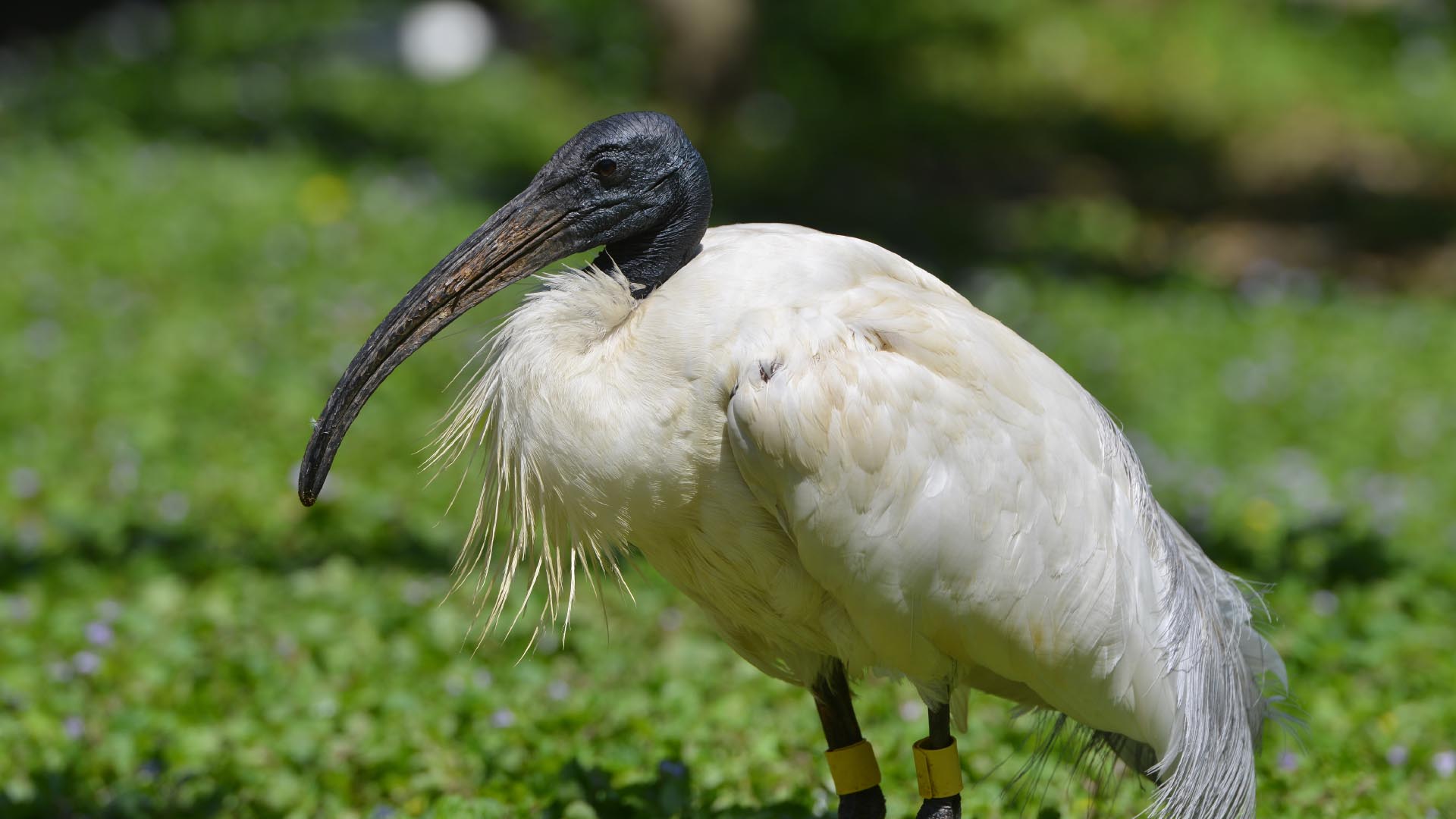
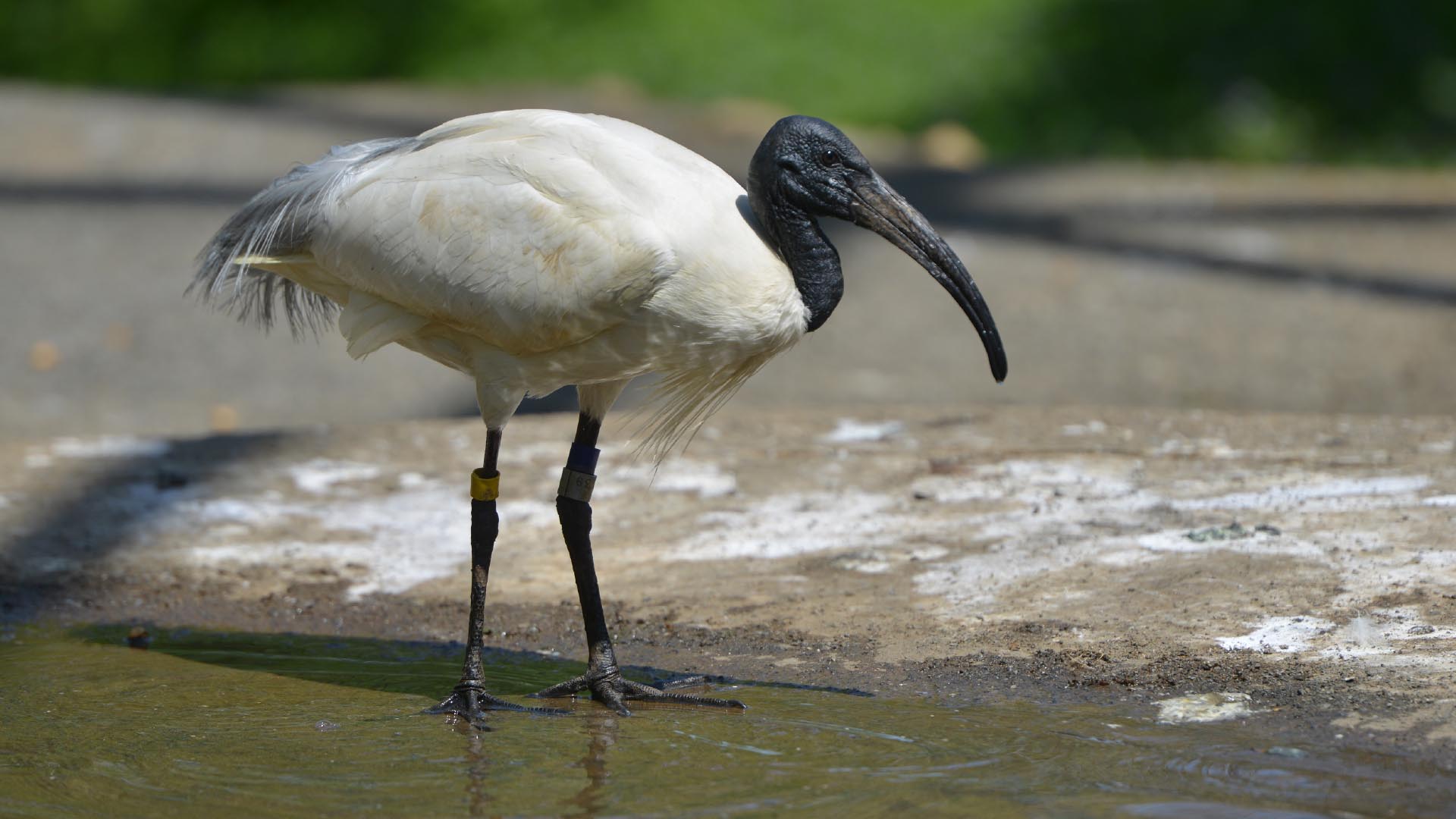
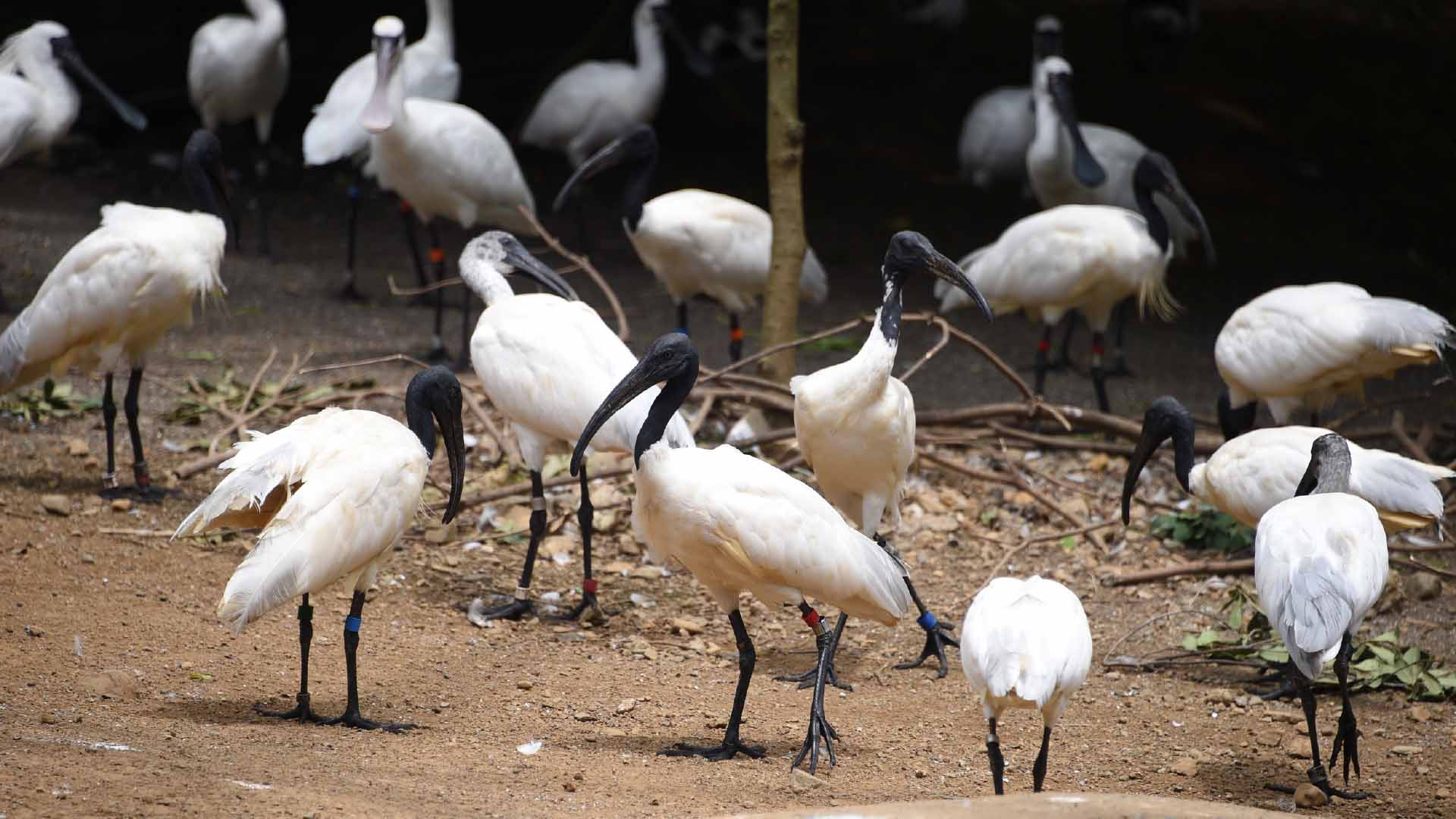
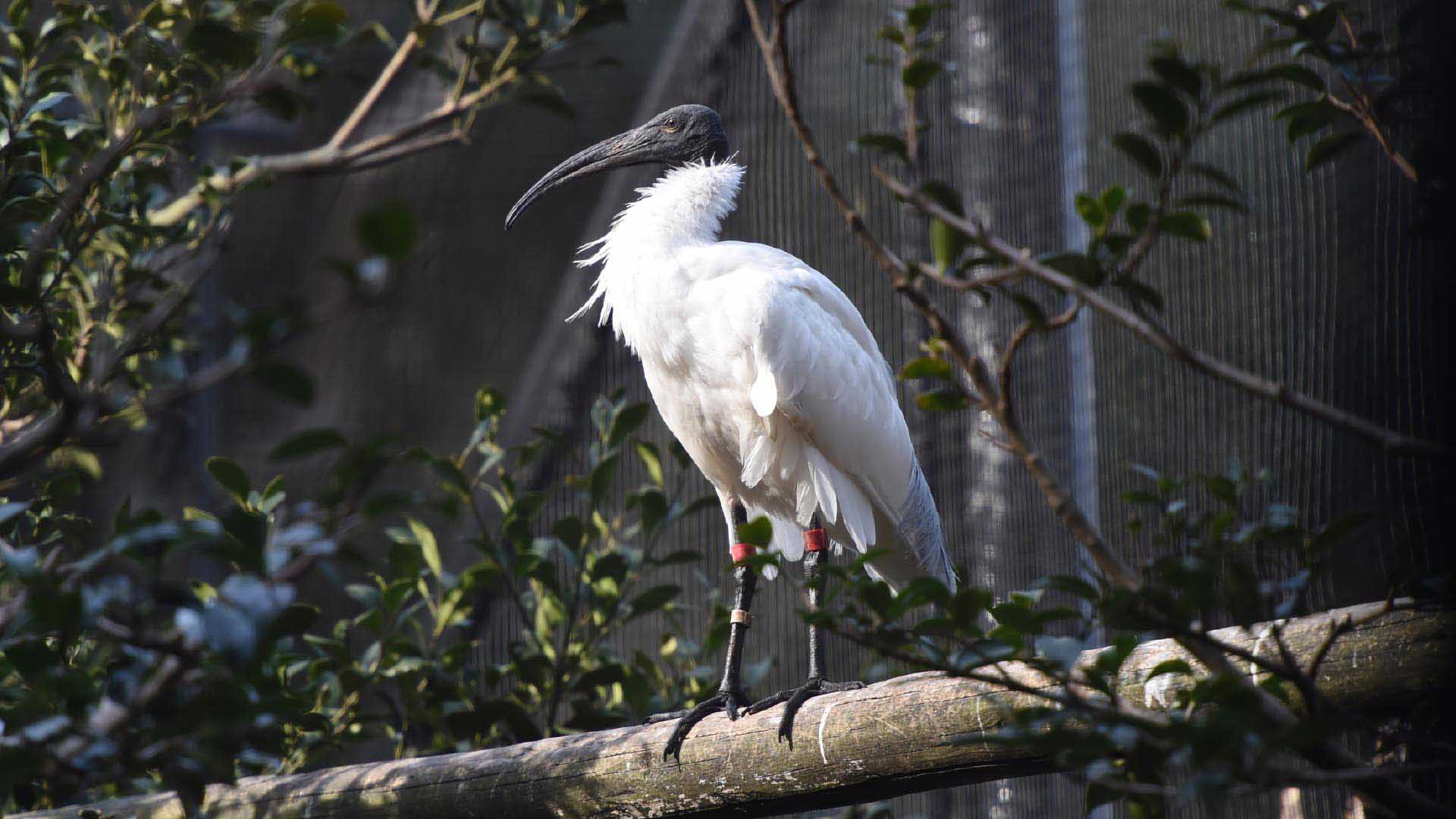
There are no feathers on the head or neck, and the black skin is exposed. The feathers on the whole body are mostly white, with white ornamental feathers on the upper part of the chest and grey ornamental feathers on the back. They migrate to spend the winter, and on rare occasions may even fly to Japan.
| classification | Birds, Pelecaniformes, Crested Ibis |
|---|---|
| English name | Black-headed Ibis |
| distribution | It is widely distributed from Pakistan, Nepal, southern China to Southeast Asia, and some individuals are migratory. |
| Residence | Swamps, marshes, flooded areas, areas around rivers and lakes, rice paddies, fallow land and other open areas |
| Size |
Total length: 65-76cm
|
| food | Frogs, tadpoles, snails, insects, small fish that live in shallow waters, and crustaceans |
| Red List |
IUCN: LC (Least Concern)
|
Foraging behavior
They feed mainly in waterside areas such as rice paddies and shallows. Their long, slender, downward-curved beaks have a high concentration of nerves at the tip, making them very sensitive. They use this beak to peck at the ground in search of frogs and other creatures.