

Zoo Stock Species and the Red List
Zoo Stock Species and the Red List
Zoo Stock

This indicates that the species is included in the Second Zoo Stock Plan, which was formulated by the Tokyo Metropolitan Government in 2018. The plan sets goals for the next 10 years in three areas: "species conservation," "contribution to wildlife conservation," and "environmental education and conservation awareness." 124 animal species are included.
What is the Red List?
Based on scientific research, this is a list of wildlife classified by rank (category) indicating the degree of risk of extinction.
Livng Things Encyclopedia shows the categories (mainland and islands) assessed by the IUCN (International Union for Conservation of Nature) at the global level, the Ministry of the Environment for Japan, and the Tokyo Metropolitan Government for Tokyo.
The higher the category in each table, the higher the risk of extinction, and CR, EN, and VU are the three categories known as "endangered species." In Tokyo, species that are not at the NT (near threatened) level but are relatively rare are considered "species of concern."
|
IUCN categories |
|
|---|---|
|
EX |
extinction |
|
EW |
Extinction in the wild |
|
CR+EN |
— |
|
CR |
Serious crisis |
|
EN |
crisis |
|
VU |
emergency |
|
NT |
Near Threatened |
|
LC・○ |
Low Concern |
|
DD |
Data shortage |
|
LP |
— |
|
Japan (Ministry of the Environment) Category |
|
|---|---|
|
EX |
extinction |
|
EW |
Extinction in the wild |
|
CR+EN |
Endangered species |
|
CR |
Critically Endangered |
|
EN |
Endangered species |
|
VU |
Endangered species |
|
NT |
Near Threatened |
|
LC・○ |
— |
|
DD |
Lack of information |
|
LP |
Endangered |
|
Tokyo Category |
|
|---|---|
|
EX |
extinction |
|
EW |
Extinction in the wild |
|
CR+EN |
Endangered species |
|
CR |
Critically Endangered |
|
EN |
Endangered species |
|
VU |
Endangered species |
|
NT |
Near Threatened |
|
LC・○ |
Unranked |
|
DD |
Lack of information |
|
LP |
Endangered |
Creatures at Tama Zoo
Creatures at Tama Zoo
Black-faced Spoonbill
Black-faced Spoonbill
Platalea minor
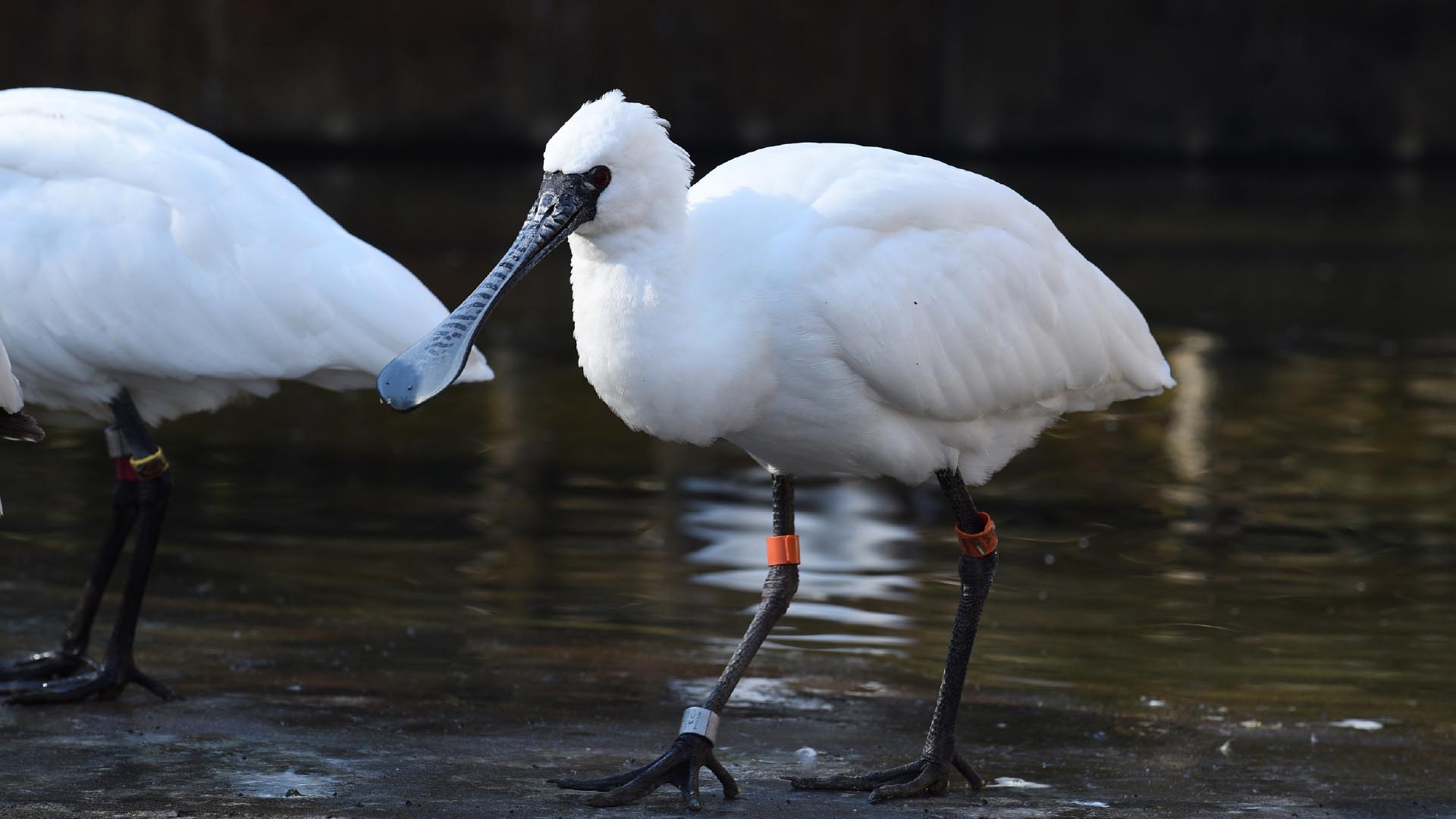
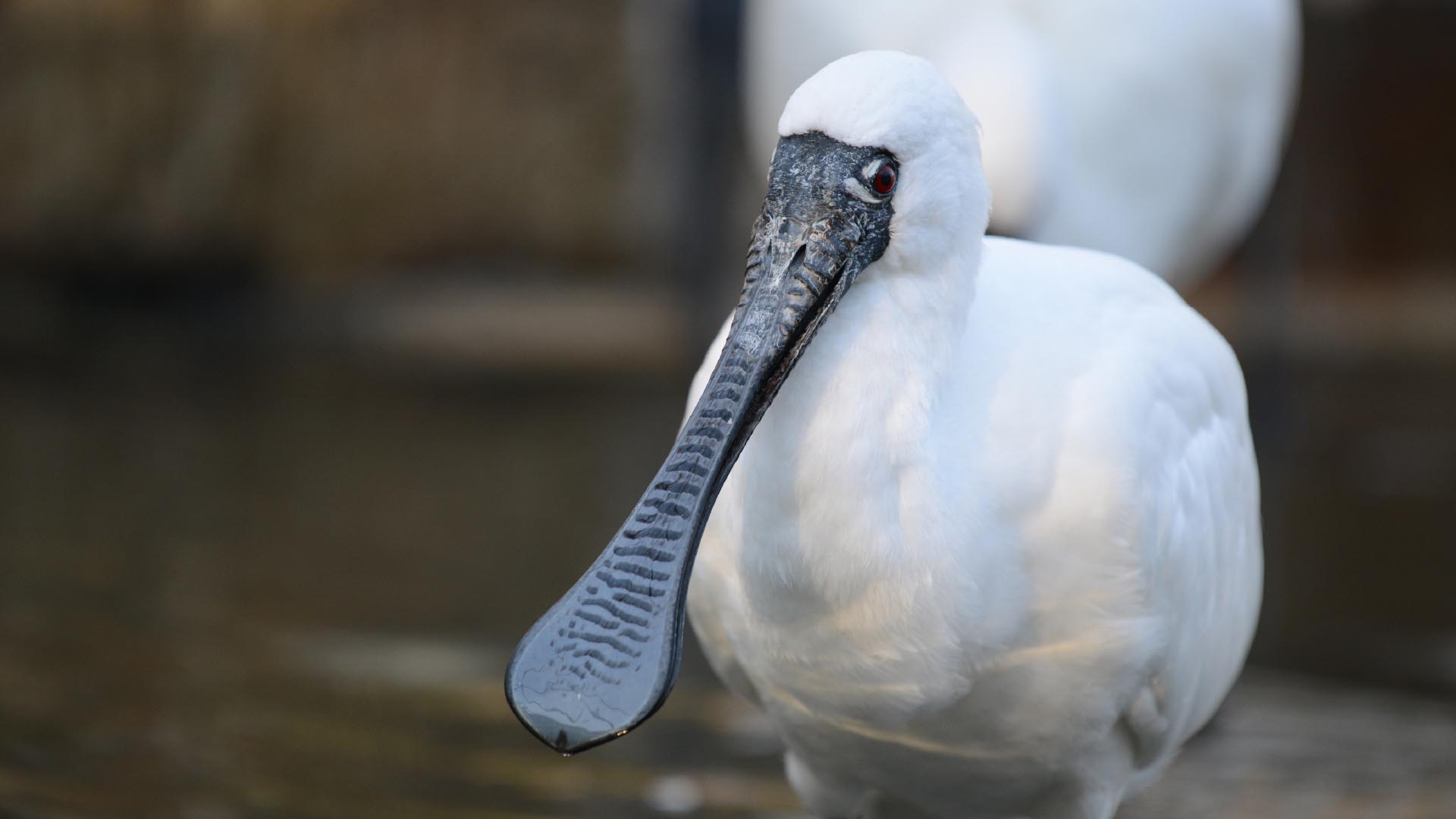
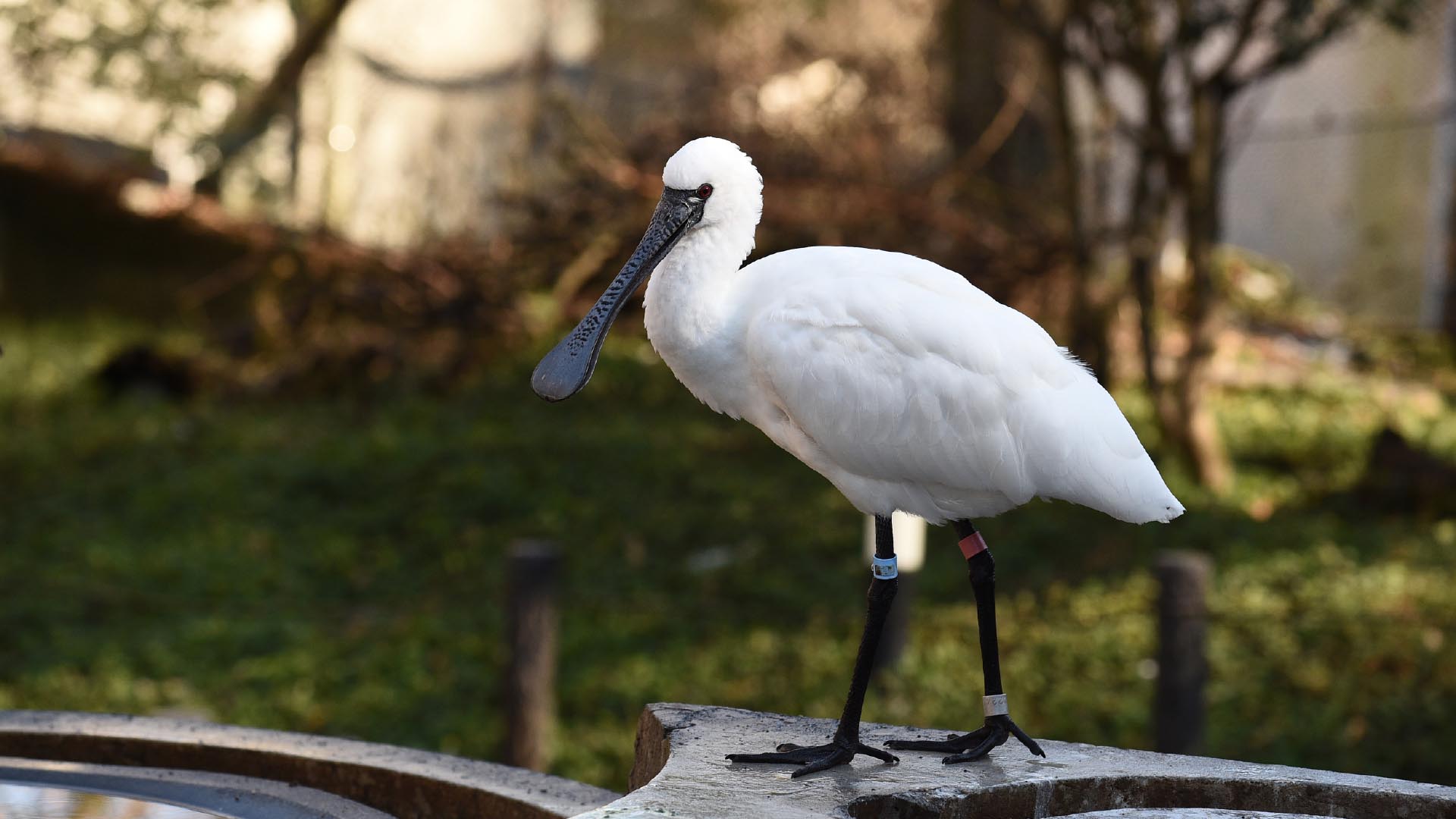
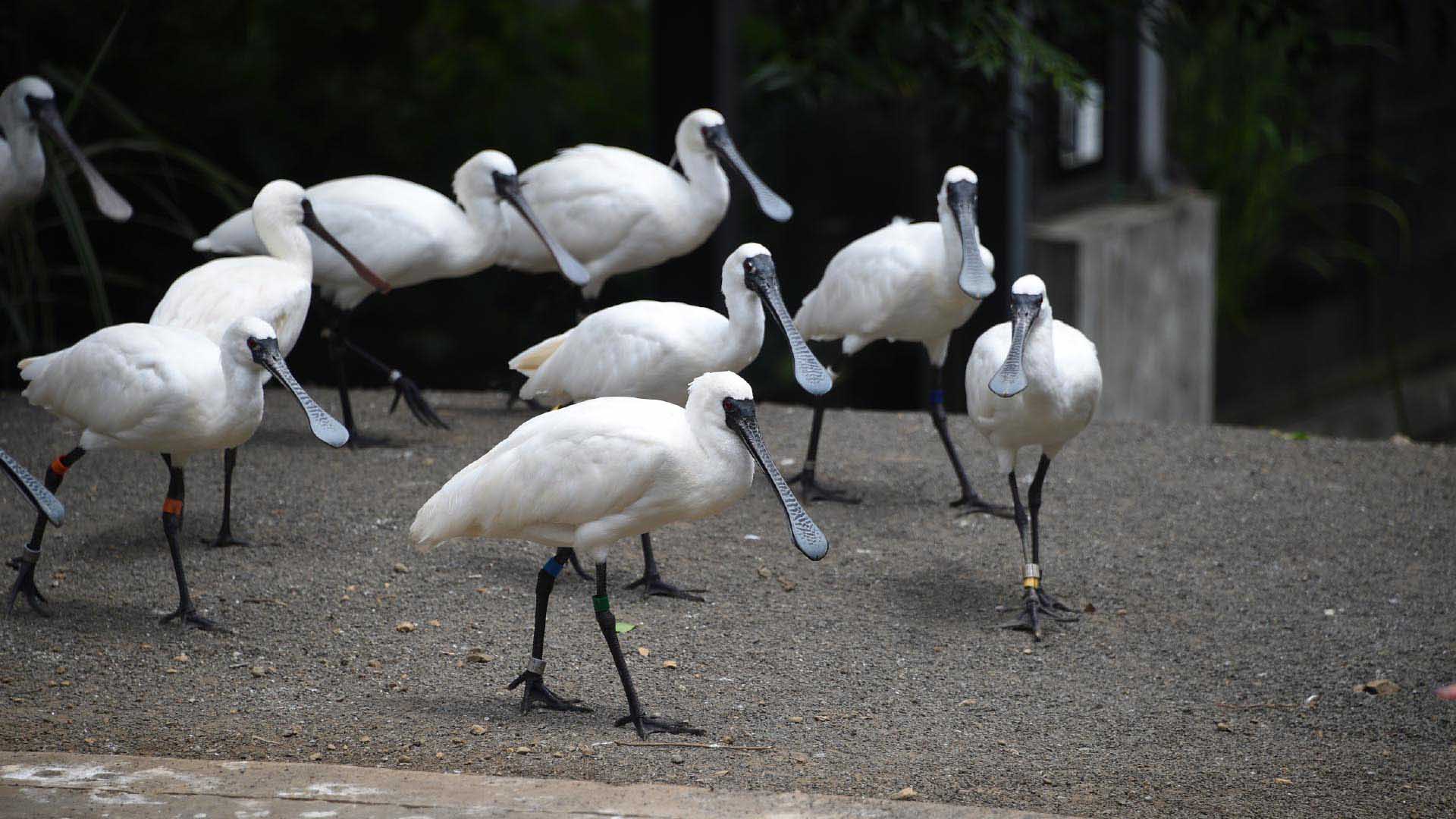
Although it has the word "heron" in its name, it is not a heron, but a member of the Crested Ibis family of the Pelecaniformes order. It got its name from its bare black face and spatula-shaped beak. The beak of an adult bird is black with a wavy pattern on its surface. The feathers on its entire body are white, but during the breeding season, the feathers on its chest turn yellowish and a crest grows from its head.
| classification | Birds, Pelecaniformes, Crested Ibis |
|---|---|
| English name | Black-faced Spoonbill |
| distribution | Breeding areas: Northwestern Korean Peninsula, northeastern China, northeastern Russia Wintering areas: Southwestern Korean Peninsula, Japan, Taiwan, Hong Kong, southern China, Vietnam |
| Residence | Tidal flats and estuaries |
| Size |
Total length: approx. 70-80cm
Weight: 1.5kg - 2.2kg |
| food | Fish, crustaceans, swordtails, etc. |
| Red List |
IUCN: VU (Very)
Japan: VU (Vulnerable to Endangered Species) Tokyo Metropolitan Government: CR (Critically Endangered) |
Foraging behavior
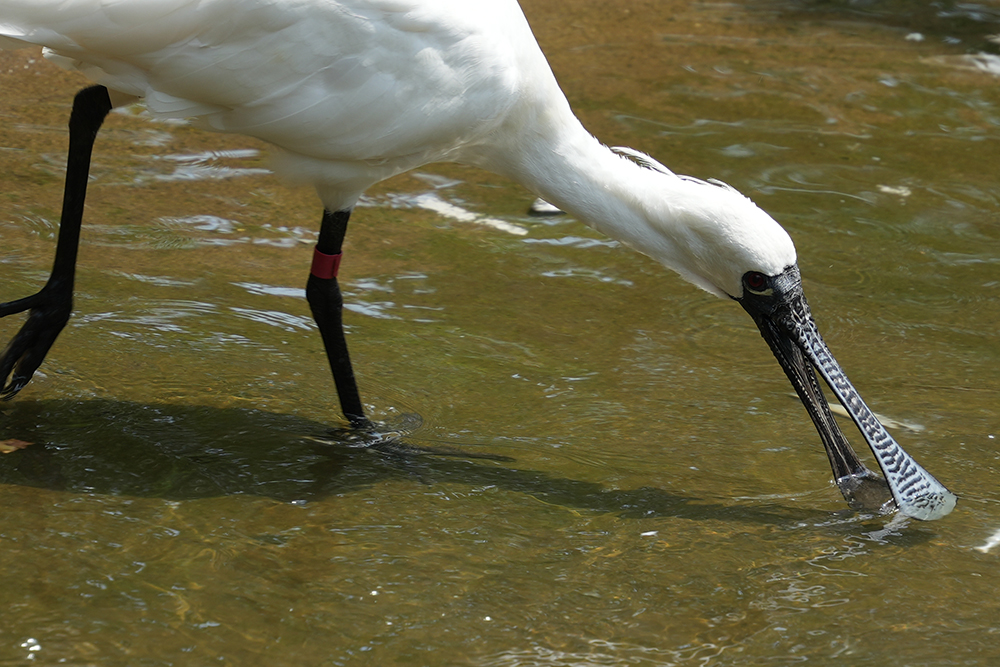
They feed on fish and crustaceans in shallow waters such as tidal flats. They submerge part or all of their beak in the water, open it slightly, and swing it from side to side while walking around searching. When prey touches the inside of their beak, they grab it and swallow it whole.
Danger in the wild
Their numbers have declined due to various factors, including war and habitat loss, and it is believed that there were fewer than 300 birds remaining around 1990. Since then, conservation efforts in their habitat have led to a steady increase in numbers, and as of 2025, it is confirmed that there are approximately 7,000 birds remaining. In Japan, efforts are being made to conserve the wintering grounds, such as tidal flats and wetlands, as well as to reduce injuries and deaths from exhaustion caused by fishing gear.
Tama Zoo Initiatives
Tama Zoo began raising turtles in 1989, and many chicks have been raised since then. The bred individuals are then transported to zoos both in Japan and abroad. In addition, zoos have taken in wild turtles via conservation facilities, and have successfully bred them with captive-born individuals.