

Zoo Stock Species and the Red List
Zoo Stock Species and the Red List
Zoo Stock
This indicates that the species is included in the Second Zoo Stock Plan, which was formulated by the Tokyo Metropolitan Government in 2018. The plan sets goals for the next 10 years in three areas: "species conservation," "contribution to wildlife conservation," and "environmental education and conservation awareness." 124 animal species are included.
What is the Red List?
Based on scientific research, this is a list of wildlife classified by rank (category) indicating the degree of risk of extinction.
Livng Things Encyclopedia shows the categories (mainland and islands) assessed by the IUCN (International Union for Conservation of Nature) at the global level, the Ministry of the Environment for Japan, and the Tokyo Metropolitan Government for Tokyo.
The higher the category in each table, the higher the risk of extinction, and CR, EN, and VU are the three categories known as "endangered species." In Tokyo, species that are not at the NT (near threatened) level but are relatively rare are considered "species of concern."
|
IUCN categories |
|
|---|---|
|
EX |
extinction |
|
EW |
Extinction in the wild |
|
CR+EN |
— |
|
CR |
Serious crisis |
|
EN |
crisis |
|
VU |
emergency |
|
NT |
Near Threatened |
|
LC・○ |
Low Concern |
|
DD |
Data shortage |
|
LP |
— |
|
Japan (Ministry of the Environment) Category |
|
|---|---|
|
EX |
extinction |
|
EW |
Extinction in the wild |
|
CR+EN |
Endangered species |
|
CR |
Critically Endangered |
|
EN |
Endangered species |
|
VU |
Endangered species |
|
NT |
Near Threatened |
|
LC・○ |
— |
|
DD |
Lack of information |
|
LP |
Endangered |
|
Tokyo Category |
|
|---|---|
|
EX |
extinction |
|
EW |
Extinction in the wild |
|
CR+EN |
Endangered species |
|
CR |
Critically Endangered |
|
EN |
Endangered species |
|
VU |
Endangered species |
|
NT |
Near Threatened |
|
LC・○ |
Unranked |
|
DD |
Lack of information |
|
LP |
Endangered |
Creatures at Tama Zoo
Creatures at Tama Zoo
Land Snail
Land Snail
Mandarina Hirasei
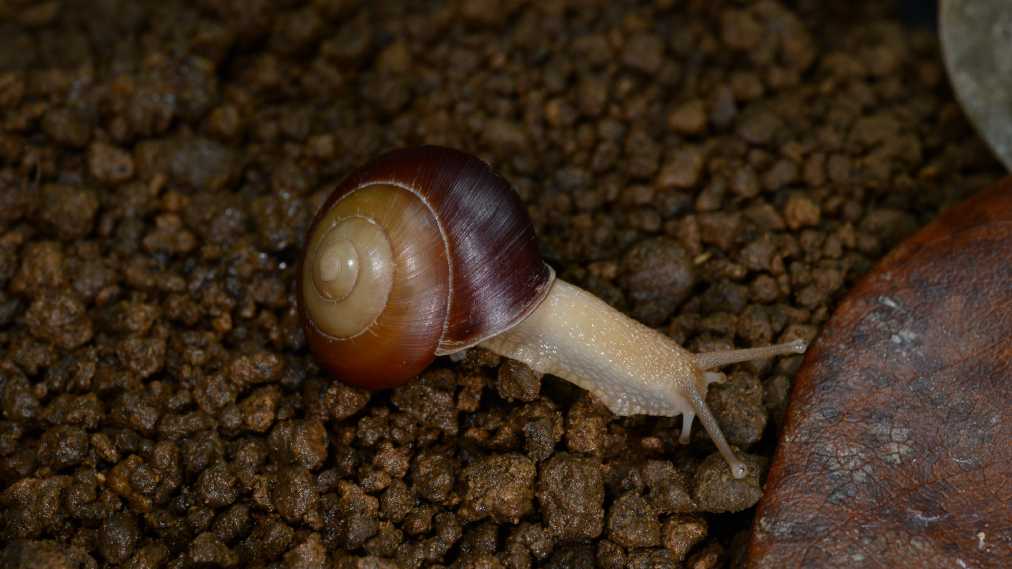
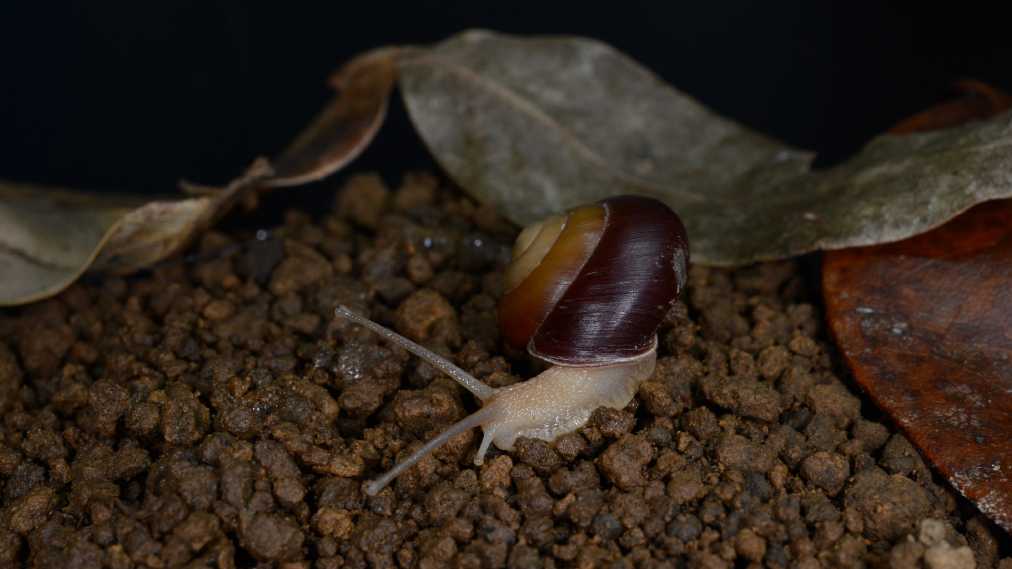
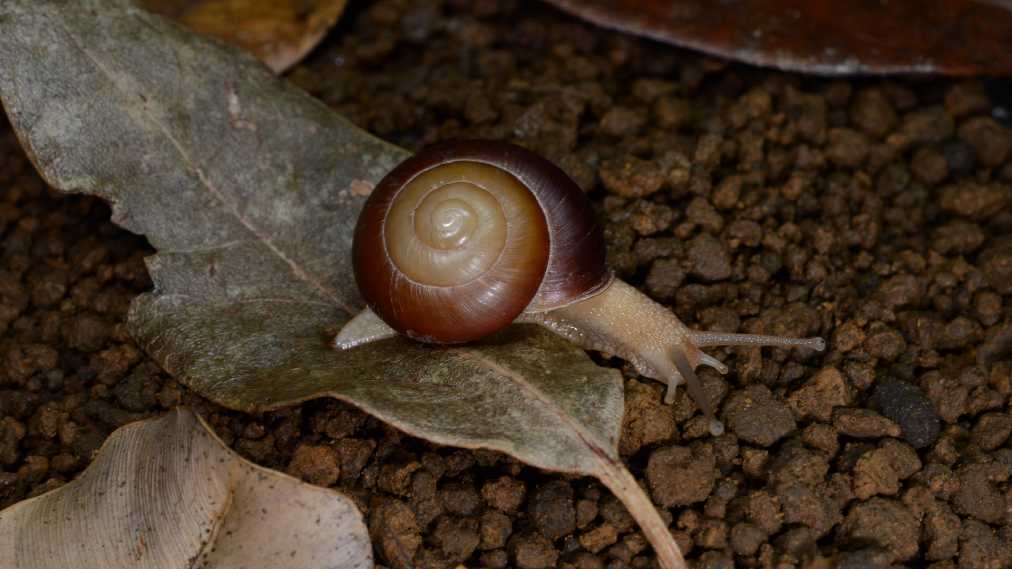
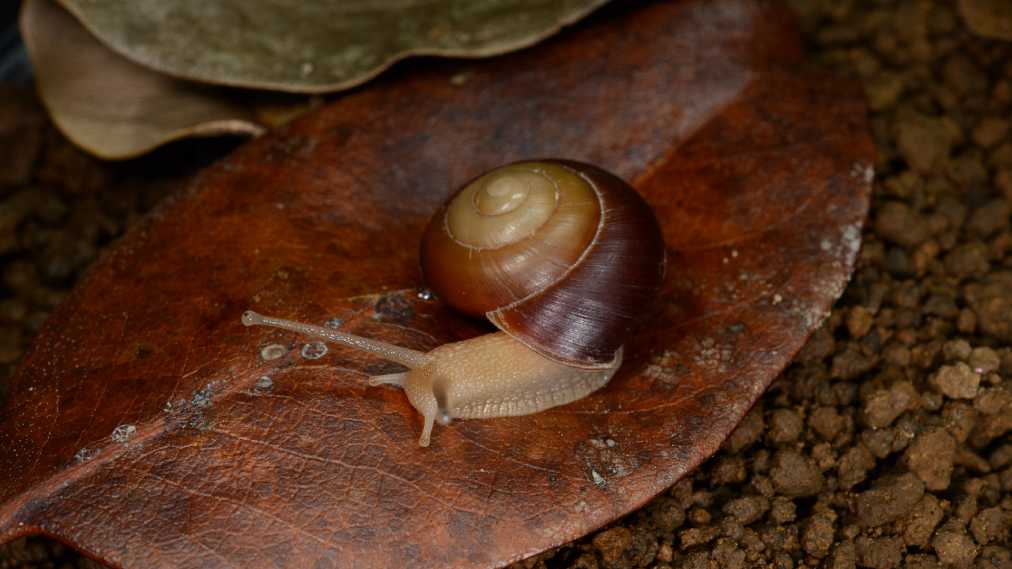
It is endemic to the Ogasawara Islands. The shell color ranges from light yellowish brown to dark brown, with no color bands. The shell surface is almost smooth and not very shiny. The shell opening is thick and everted. It is a semi-arboreal species that lives in forests, from the trees to the ground.
| classification | Gastropoda, Eurasian Moorhen Family Hemicidae |
|---|---|
| English name | Land Snail |
| distribution | Japan (Southern Chichijima Island in the Ogasawara Islands (almost extinct), Tatsumi Island) |
| Residence | From the treetops to the ground in a forest where Pandanus and Boninus trees grow |
| Size |
Shell length: 13.0mm
Shell diameter: 21.0mm |
| food | plant |
| Red List |
IUCN: DD (Data Deficient)
Japan: CR+EN (endangered species) Tokyo: CR+EN (endangered species) |
Semi-arboreal lifestyle
There are octopus trees planted within the exhibition area, and you can observe the animals living a semi-arboreal lifestyle, resting in the gaps between the leaves or crawling on the ground.
Relationship with World Natural Heritage Sites
The Ogasawara Islands were registered as a World Heritage Site in June 2011. One of the reasons for the registration is the evolutionary diversity of the 100 species of land snails that live there, including Land Snail.
Threat of extinction
The snails are in danger of extinction due to the introduction of creatures that do not natively inhabit Ogasawara, such as the New Guinea flatworm and the brown rat, which eat the snails.
Conservation activities
Tokyo Metropolitan Zoo is working to conserve four species of Land Snail genus, which are in danger of extinction. In addition to breeding to maintain genetic diversity, the zoo is also conducting research that can only be done in captivity, and striving to gather scientific knowledge.