

Zoo Stock Species and the Red List
Zoo Stock Species and the Red List
Zoo Stock

This indicates that the species is included in the Second Zoo Stock Plan, which was formulated by the Tokyo Metropolitan Government in 2018. The plan sets goals for the next 10 years in three areas: "species conservation," "contribution to wildlife conservation," and "environmental education and conservation awareness." 124 animal species are included.
What is the Red List?
Based on scientific research, this is a list of wildlife classified by rank (category) indicating the degree of risk of extinction.
Livng Things Encyclopedia shows the categories (mainland and islands) assessed by the IUCN (International Union for Conservation of Nature) at the global level, the Ministry of the Environment for Japan, and the Tokyo Metropolitan Government for Tokyo.
The higher the category in each table, the higher the risk of extinction, and CR, EN, and VU are the three categories known as "endangered species." In Tokyo, species that are not at the NT (near threatened) level but are relatively rare are considered "species of concern."
|
IUCN categories |
|
|---|---|
|
EX |
extinction |
|
EW |
Extinction in the wild |
|
CR+EN |
— |
|
CR |
Serious crisis |
|
EN |
crisis |
|
VU |
emergency |
|
NT |
Near Threatened |
|
LC・○ |
Low Concern |
|
DD |
Data shortage |
|
LP |
— |
|
Japan (Ministry of the Environment) Category |
|
|---|---|
|
EX |
extinction |
|
EW |
Extinction in the wild |
|
CR+EN |
Endangered species |
|
CR |
Critically Endangered |
|
EN |
Endangered species |
|
VU |
Endangered species |
|
NT |
Near Threatened |
|
LC・○ |
— |
|
DD |
Lack of information |
|
LP |
Endangered |
|
Tokyo Category |
|
|---|---|
|
EX |
extinction |
|
EW |
Extinction in the wild |
|
CR+EN |
Endangered species |
|
CR |
Critically Endangered |
|
EN |
Endangered species |
|
VU |
Endangered species |
|
NT |
Near Threatened |
|
LC・○ |
Unranked |
|
DD |
Lack of information |
|
LP |
Endangered |
Creatures at Tama Zoo
Creatures at Tama Zoo
African Spoonbill
African Spoonbill
Platalea alba
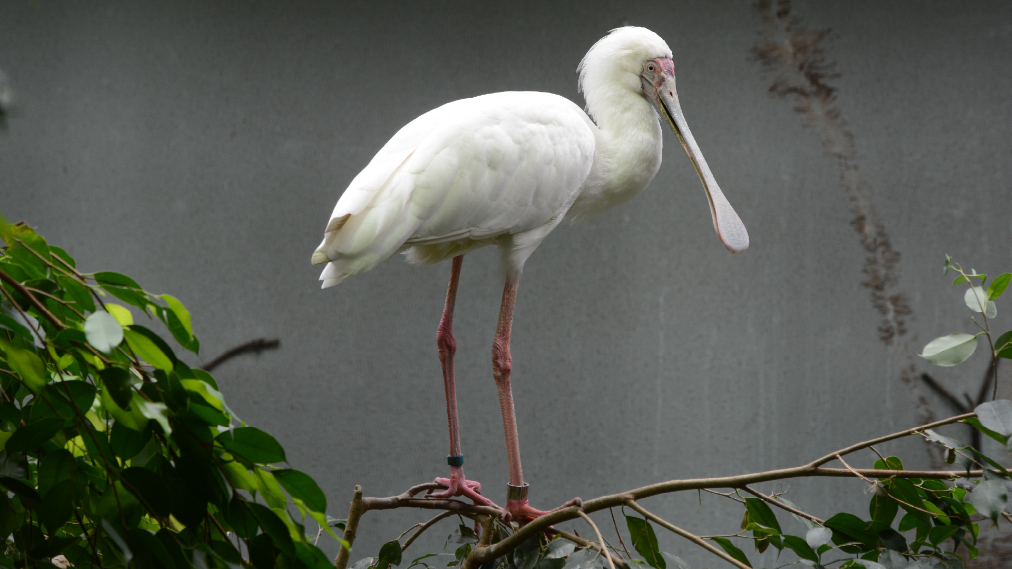
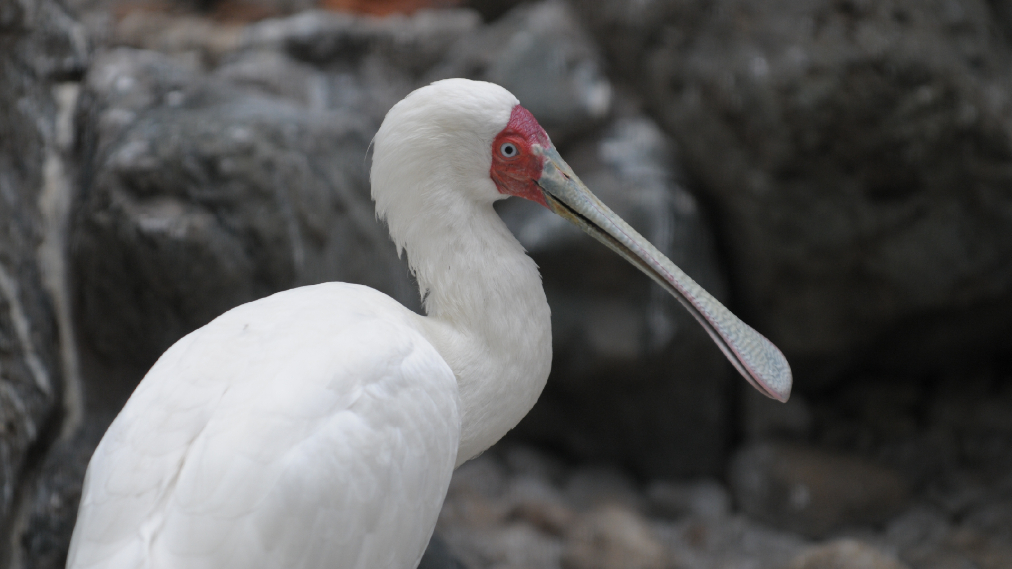
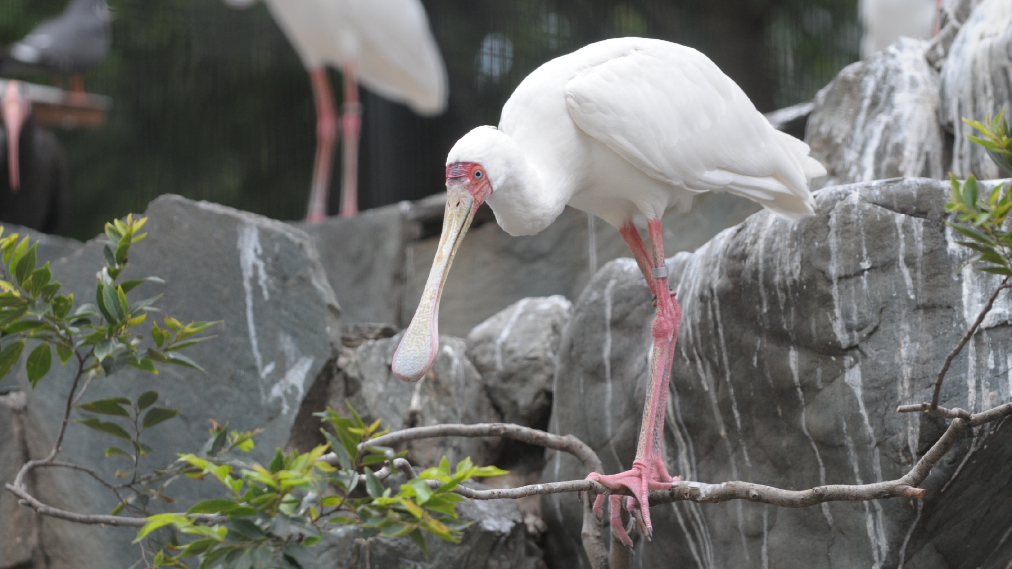
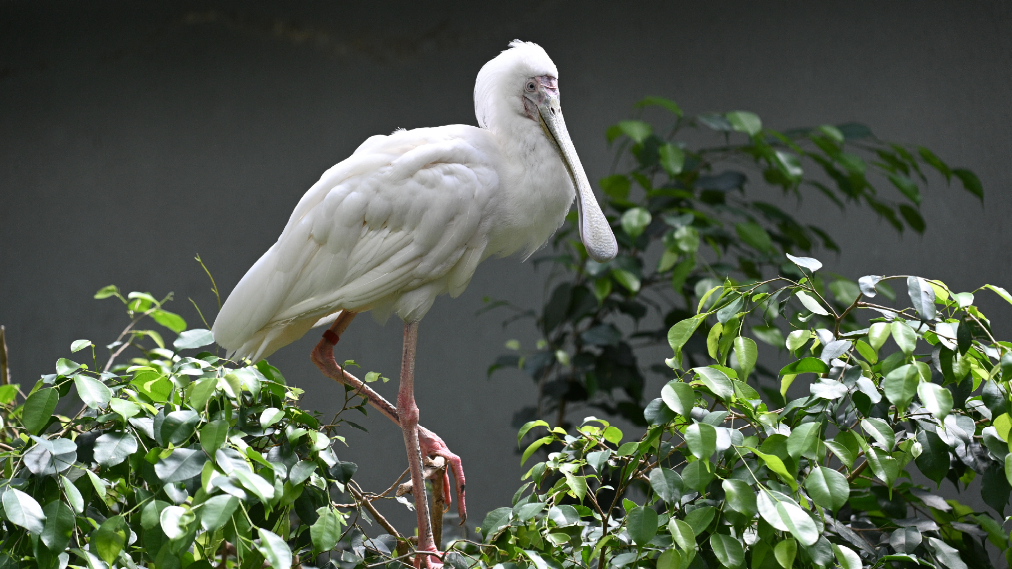
Its feathers are white, and its face is red and bare up to the line connecting its eyes. Its legs are red, and its spatula-shaped beak is gray-blue to grape-colored. It has a short crest on its head. It nests in colonies on trees or in reed beds.
| classification | Birds, Pelecaniformes, Crested Ibis |
|---|---|
| English name | African Spoonbill |
| distribution | Sub-Saharan Africa and Madagascar |
| Residence | Lakes, marshes, reservoirs, and other large, shallow inland bodies of water, rarely coastal lagoons, salt pans, streams, and estuaries |
| Size |
Total length: 90-91cm
Weight: Approx. 1.8 kg |
| food | Small fish and aquatic invertebrates |
| Red List |
Unrated
|
Foraging behavior
They feed in shallow waters, either alone or in small groups of just a few birds. They search by submerging part or all of their beak in the water, slightly opening it and swinging it from side to side. When prey touches the inside of their beak, they grab it and swallow it whole.