

What I felt after seeing the snail conservation efforts in the Ogasawara Islands
May 15, 2026
Snails are a prime example of familiar creatures, and as evidence of their popularity, they are called by a variety of names, such as "dendenmushi" and "maimai."
It is said that there are about 800 species of snails in Japan. Because they are sensitive to dryness, move slowly, and cannot easily travel long distances, many species are endemic and inhabit only very limited areas. Their shells vary in size, shape, and color, and a snail commonly seen in your area may be unfamiliar to many people.
Land Snail kept at Tama Zoo is an endemic species found only in the Ogasawara Islands.
The Ogasawara Islands are located about 1,000 km south of central Tokyo and have never been connected to the mainland. As a result, the islands have undergone unique evolution, and many species of organisms endemic to the islands inhabit them.
Snails are one such example; of the approximately 100 snail species confirmed in the Ogasawara Islands, more than 90% are endemic. This means that nearly one-eighth of all snails in Japan are found only in the Ogasawara Islands. The presence of this diverse snail population is one of the reasons why the Ogasawara Islands were designated a World Natural Heritage site.
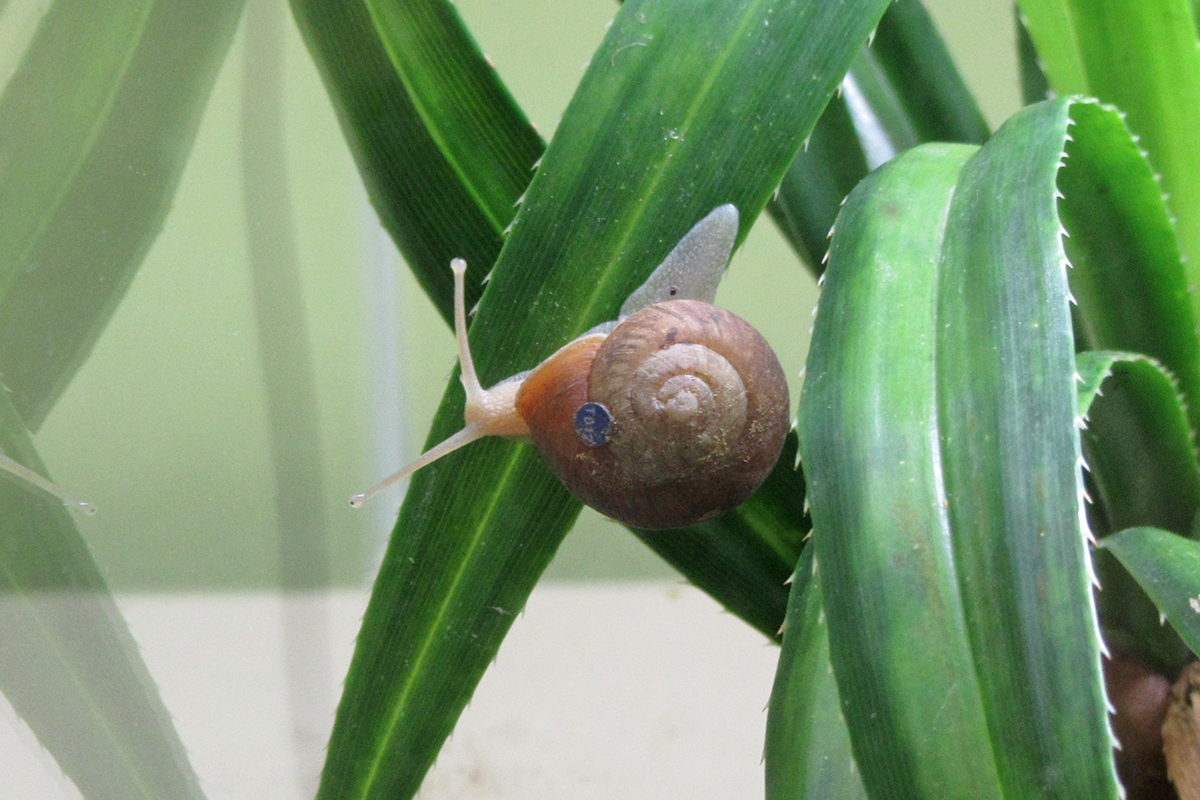
These snails of the Ogasawara Islands are currently facing a major threat. Predation by natural enemies such as the invasive species *Platypleura fuscipes* (a type of planarian), rats, and ants is the main cause, and in some areas, certain species have almost disappeared.
Land Snail which we keep at our zoo, is also designated as an endangered species, and as a target species for the Ministry of the Environment's conservation and propagation program, we are working systematically on captive breeding in cooperation with relevant parties.
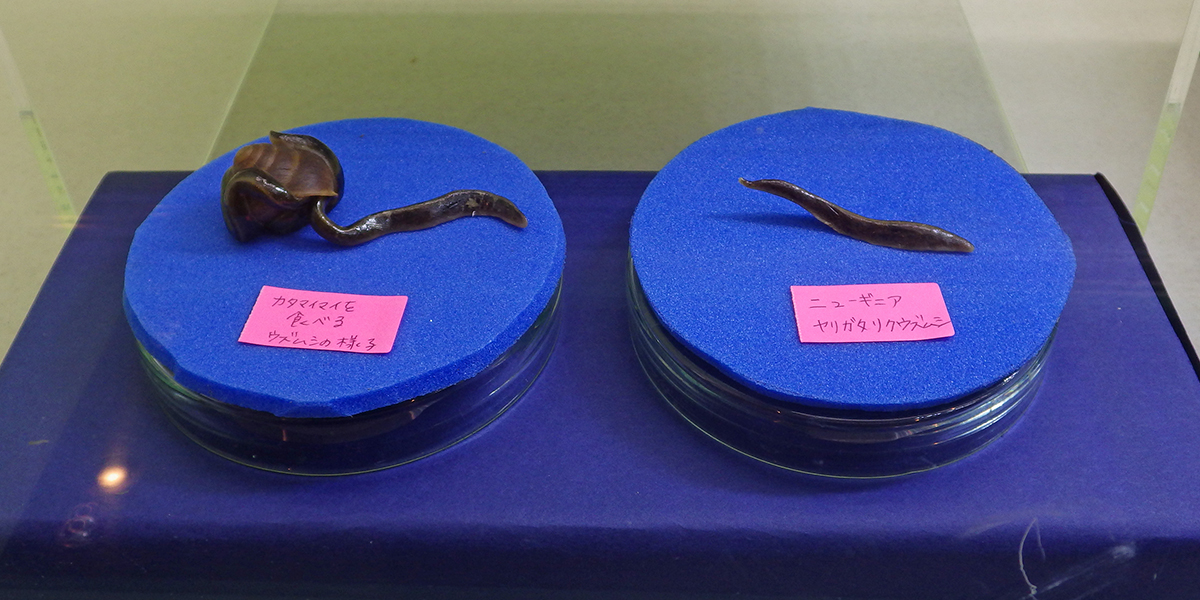
Local residents and experts are working together to implement various measures and conserve the habitat, but eradicating an invasive species once it has entered the area is extremely difficult.
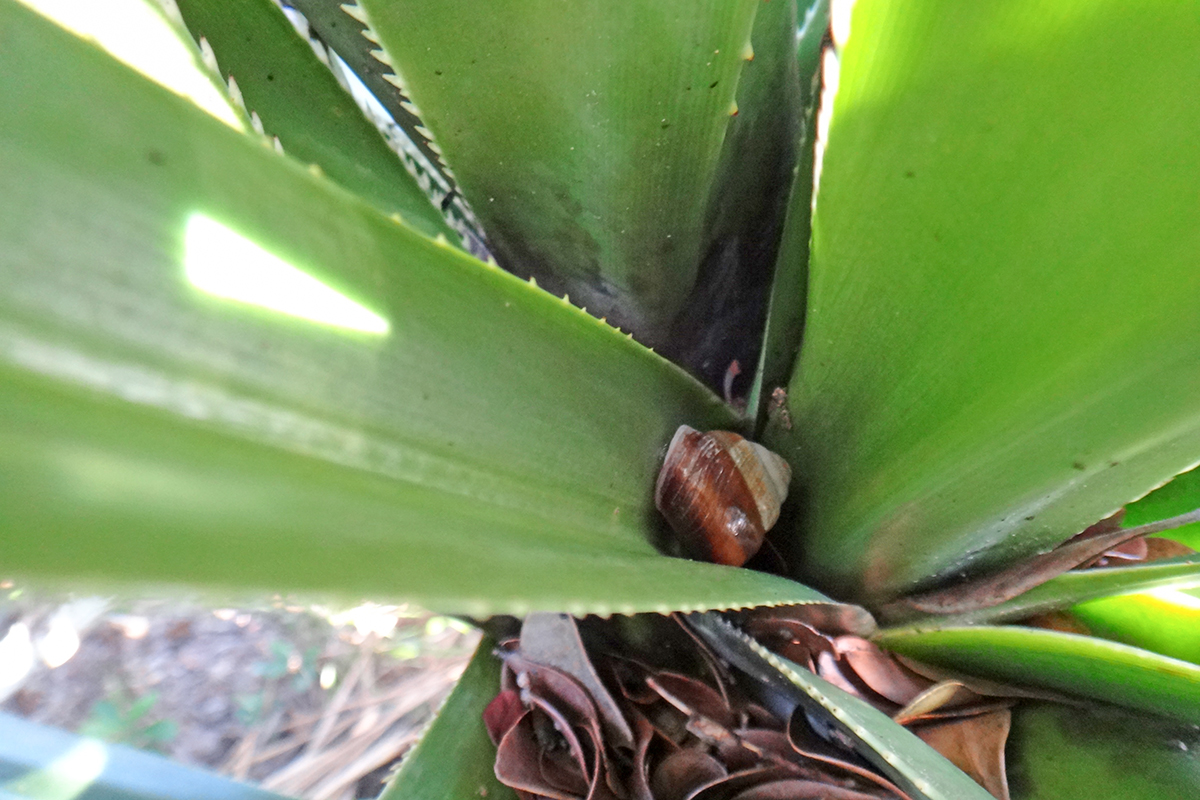
When I visited the Ogasawara Islands for an inspection, I observed the environments of islands severely affected by flatworms and islands that had not yet been invaded by flatworms. Both were lush and green, and I was able to observe many other creatures. At first glance, it was impossible to tell which island was suffering the most damage.
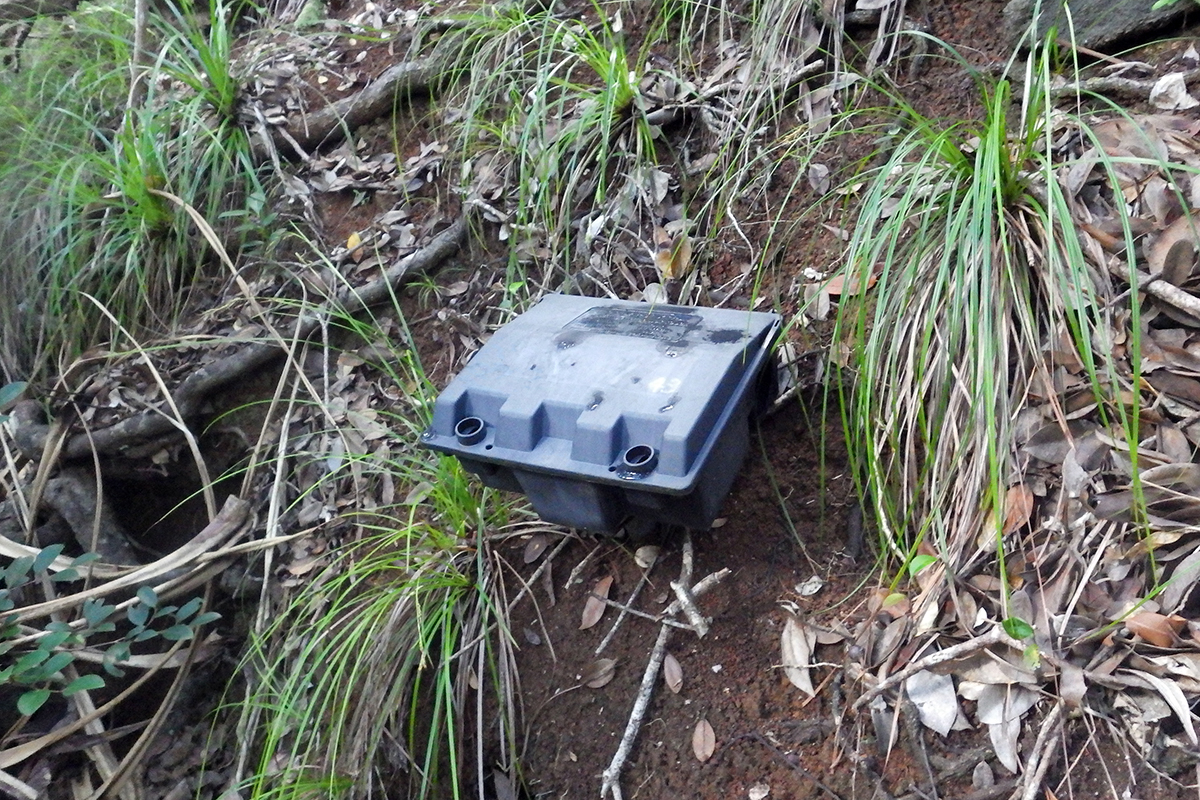
I observed conservation efforts within the habitat, and I learned that both the target snails and the invasive species are small, and the surveys and countermeasures consist of painstaking work such as checking the undersides of fallen leaves and setting traps. Above all, it is important to "prevent the introduction" of invasive species, and I strongly felt the need for border control measures.
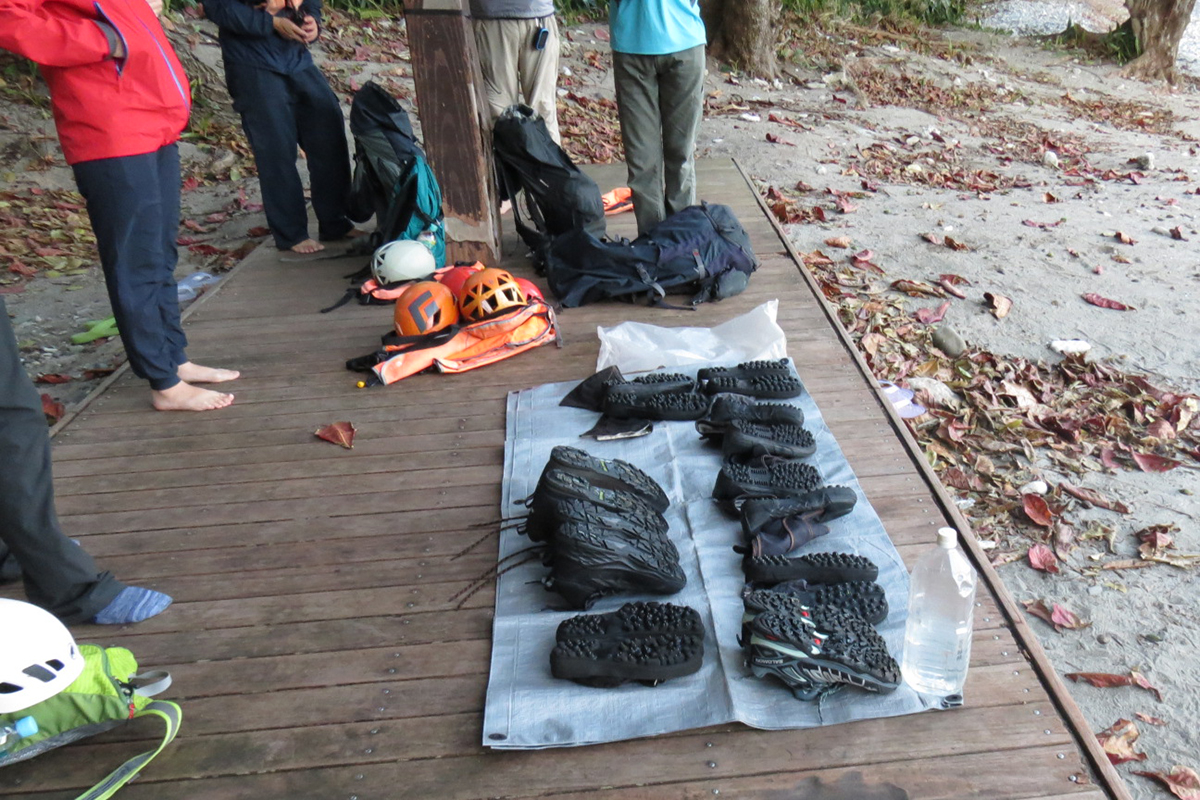
Visitors viewing the exhibits sometimes comment, "I haven't seen many snails around lately."
In urbanized areas, the environment may be becoming drier and less suitable for snails. While not as severe as the snails in the Ogasawara Islands, the snails around you may also be experiencing a significant decline in numbers without you even noticing.
I believe that getting to know and caring for the creatures that live there is the first step in protecting those creatures and their habitats, so I would be happy if you could think about the small creatures in your local area.
[Tama Zoo]