

Considering Serval breeding
January 30, 2026
In the past, Serval were very easy to obtain as wild animals, often sold as pets. In 2006, they were designated as a specified animal (a dangerous animal that may harm humans, as defined by the Act on Welfare and Management of Animals), and in 2020, keeping them as pets was prohibited, and they are no longer sold as pets.
Currently, if you want to keep a specific animal for a specific purpose, such as in a zoo or research facility, you need permission from the prefectural governor or the mayor of a designated city for each type of animal and each facility, and you must comply with standards regarding the structure of the facility and the methods of raising and storing the animal.

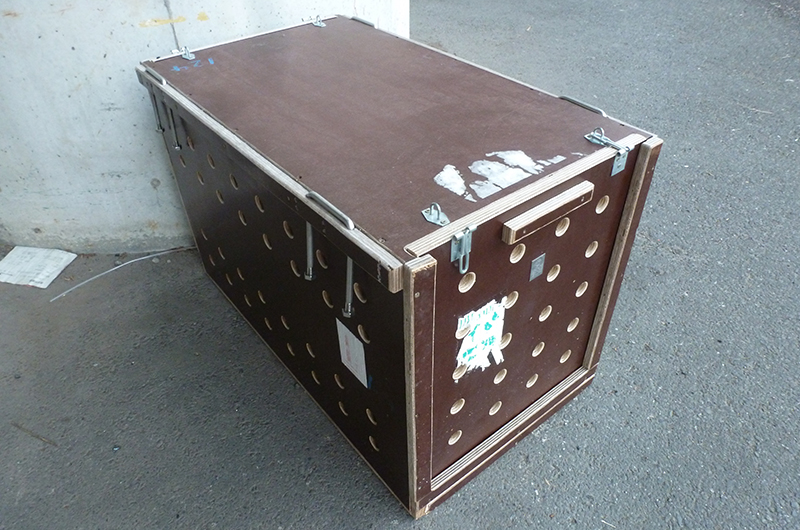
Although they are no longer sold as pets in Japan, they can be obtained overseas through breeding in zoos or through breeders, and Tama Zoo has previously imported individuals from zoos both in Japan and overseas. However, importing from overseas places a burden on the animals and requires a lot of administrative work in terms of negotiations, procedures, transportation, and quarantine, so it is best to utilize individuals from within Japan.
There are approximately 28 Serval kept in zoos across Japan, about half of which are related to the ones at our zoo, and the remaining half are individuals imported from overseas and their offspring.
Tama regularly breeds cubs, giving birth to a fourth generation, but other zoos don't have many generations. To continue breeding, once a baby is born, a mate must be introduced when the baby is of breeding age, but space is also needed to raise the mate and the newborn cub while still raising the parent and siblings.
Tama Zoo has one of the largest Serval breeding facilities in Japan, and is able to breed and raise servals for successive generations. However, as it is not possible to continue raising all Serval, which live for around 20 years, many of them are sent to other zoos.

The fourth generation has been born and it is now time to think about breeding the fifth and sixth generations.
While planning with highly bred individuals tends to produce good results, it also means increasing the number of related individuals. This ultimately reduces the number of potential breeding partners and puts strain on breeding space. Conversely, breeding individuals that have not produced offspring makes planning easier when proceeding with successive breeding, as there are many distantly related potential breeding partners. Additionally, Serval servals are capable of breeding from around the age of three, and there are records of servals giving birth at age 14. Males appear to be able to reproduce longer than females. Taking these factors into consideration, we introduced Sora (male, 15 years old), who has not produced offspring, in July 2025. We have housed him with females several times for breeding purposes, but have not yet seen good results. We look forward to future developments.
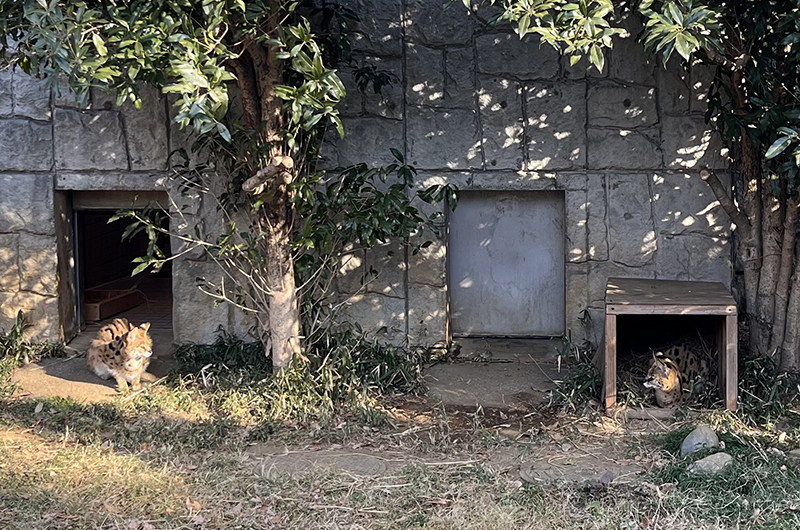
I would like to continue thinking about how to pass this on to future generations.
[Hirose, Animal Care and Exhibit Officer, North Zoo of Tama Zoo]
(January 30, 2026)