

Anesthesia for animals: managing breathing
January 16, 2026
Zoos sometimes use anesthesia for animal examinations, treatments, and safe transport. While anesthesia puts animals into a sleep-like state and is essential for reducing stress and anxiety caused by treatment, it also carries risks such as decreased heart and lung function, slower blood flow throughout the body, and weakened breathing.
Therefore, zoo veterinarians carefully manage the respiration of animals under anesthesia, taking into account the animal's species and weight. This time, we will introduce three important tools used in this process: endotracheal tubes, laryngoscopes, and ventilators.
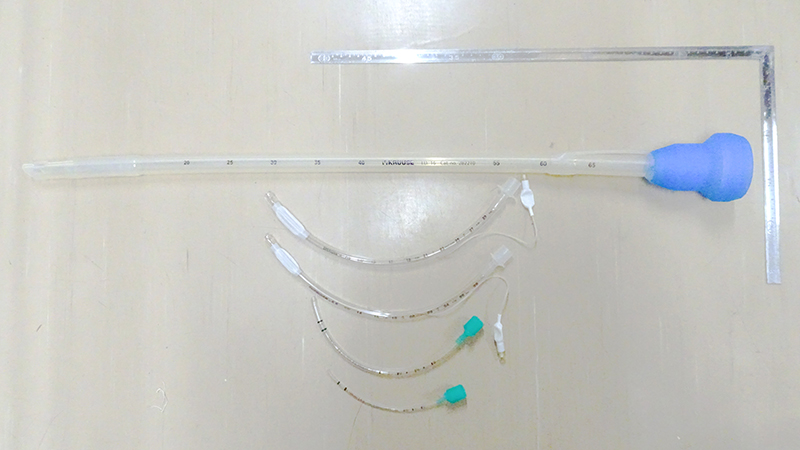
An endotracheal tube is a tube inserted into the trachea from the larynx, located in the middle of the throat at the back of the mouth. It ensures an airway, allowing for a stable delivery of anesthetic gas and oxygen to the body during anesthesia, and also prevents saliva and vomit from entering the trachea.
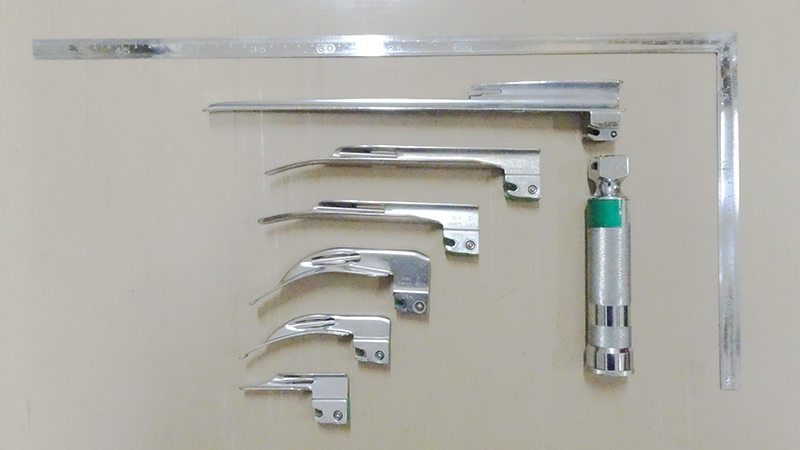
A laryngoscope is a tool that uses the tongue to push down and illuminate the entrance to the trachea at the end of the larynx, making it easier to see when inserting a tube into the trachea.
In animal hospitals, various sizes of endotracheal tubes and laryngoscopes are used depending on the animal's species, mouth size, weight, and tracheal diameter.
In the unlikely event that an animal's breathing becomes shallow and weak, a ventilator is connected to a tube to support breathing. This machine delivers oxygen at a steady rhythm, maintaining the animal's life. The amount and frequency of air delivery are precisely adjusted according to the degree of anesthesia.
During anesthesia, veterinarians and animal keeper monitor the animal's respiratory rate, chest movement, and the color of its tongue and mucous membranes. They also check the pulse rate and waveform on an electrocardiogram, and listen to heart and lung sounds with a stethoscope, among other methods, allowing veterinarians to directly monitor the animal's heart and respiratory condition in order to respond immediately in case of an emergency.
A key characteristic of anesthesia management in zoos is the significant differences in body structure and respiratory mechanisms among animals. Zoos, which house a diverse range of animals including mammals, birds, and reptiles, as well as animals of varying sizes, require the selection of appropriate endotracheal tubes and laryngoscopes, and respiratory management techniques for each individual animal.
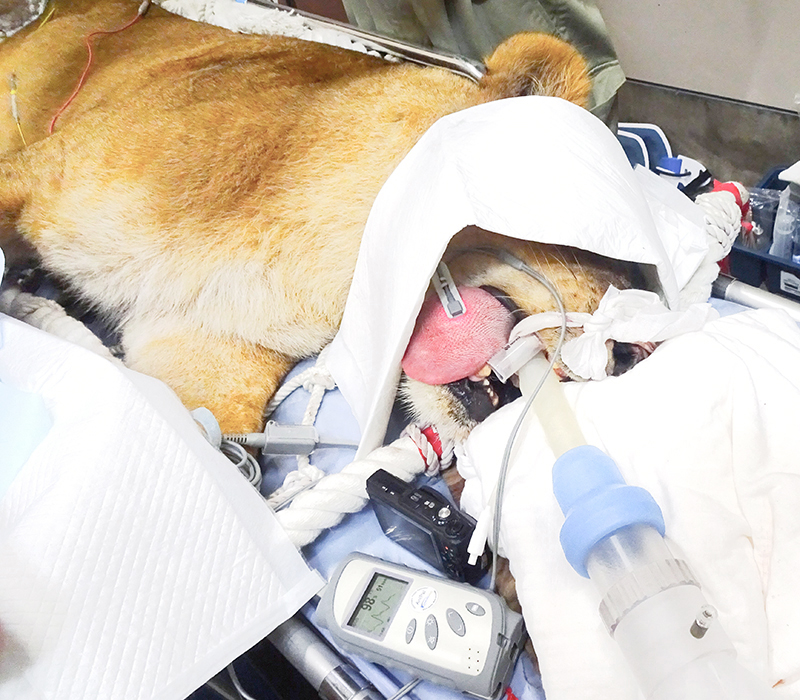
Anesthesia for any animal is always a tense experience, and thorough preparation and simulation are crucial. We carefully discuss the entire process, from administering anesthesia to waking the animal, with animal keeper, taking into account the animal's age and temperament. We will continue to work towards improving zoo medical care so that we can safely administer anesthesia to animals in the future.
[Kato, Animal Hospital Section, Animal Care and Exhibition Division Tama Zoo]