This report details the background and current status of the preparations underway at Ueno Zoo for Giant Panda "Xiang Xiang" to become independent.
■ Giant Panda attack on its cub
Giant Panda, both males and females, are solitary animals. While they may spend time with their mothers and siblings when they are young, as adults, they lead a harsh life, competing for food and territory even with other related individuals such as parents and offspring.
In solitary animals, the time when parents and offspring separate often comes suddenly, with the mother abruptly changing her attitude towards her cub. She becomes persistently aggressive, urging the cub to become independent and driving it out of her territory. In wild Giant Panda, previous research has shown that this change occurs between 18 months and 2 years of age.
Because it is difficult for zoos to provide vast enclosures, attempting to allow offspring to become independent naturally could lead to aggressive mothers inflicting fatal injuries on their offspring within the limited space.
■ Xiang Xiang begins to become independent
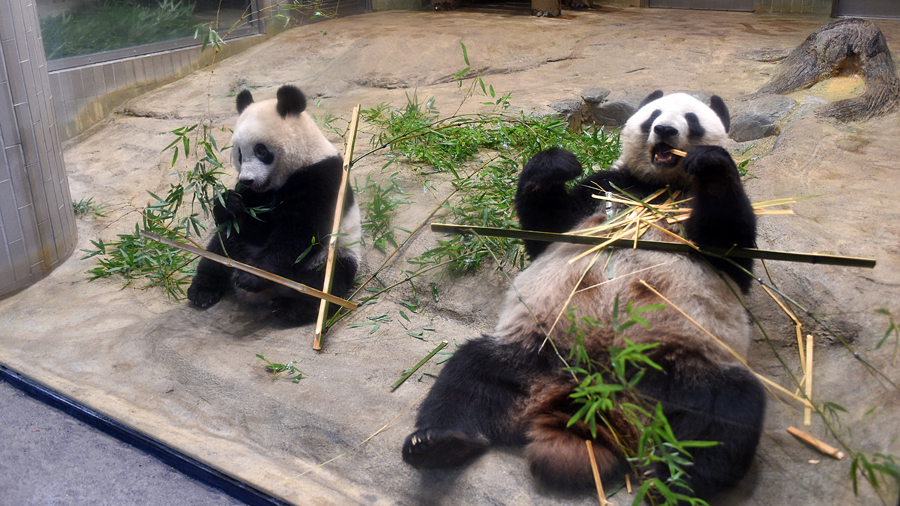
It is thought that Xiang Xiang, the cub at Ueno Zoo, will also suddenly face the time of separation from her mother after December 2018, when she turns one and a half years old. In early October 2018, Xiang Xiang began eating the same food as adult cubs, the time Shin Shin spent nursing her gradually shortened, and she began to appear to interrupt nursing at times. In addition, Xiang Xiang was able to drink formula milk for nutritional supplementation, so it was decided to take steps toward independence.
Facilities that raise Giant Panda both in Japan and abroad carefully assess the animals' development and weaning and separation from their mothers occur between one and one and a half years of age. Ueno Zoo has also decided to follow a plan to ensure that Xiang Xiang can safely become independent.
■ Behavior of adult Giant Panda
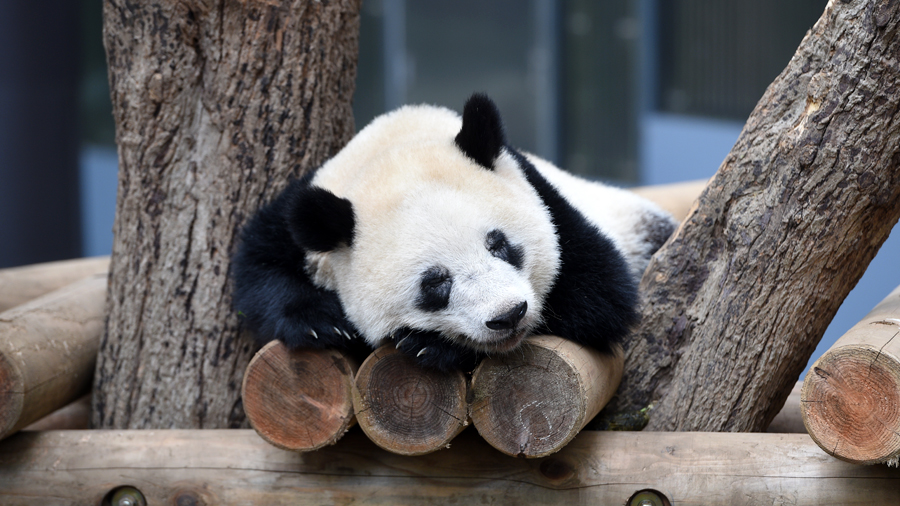
Adult Giant Panda primarily feed on bamboo and dwarf bamboo, which have low nutritional value. Therefore, they spend most of their active time foraging and the rest of the time resting (sleeping). This is a natural behavior that allows pandas to live efficiently without wasting energy. As Xiang Xiang grows, she spends less time playing and more time eating bamboo and dwarf bamboo, and her daily routine is becoming more like that of an adult.
■Current situation
Even before she began taking steps to stand on her own, the grown-up Xiang Xiang would only play with her mother, Shin Shin, for about an hour a day. Now that she is progressing through the steps, the situation remains the same, including during feeding times.
Xiang Xiang can sometimes be seen wandering around alone in the enclosure, or following Shin Shin around when they are together, but these behaviors are only observed for a short time, and after a while she settles down to eat or rest.
We have received comments that this may seem cruel, but this is a crucial period for the development of an animal that lives alone. To avoid Xiang Xiang having to face sudden changes in her mother's behavior, we have determined that systematically planning the steps to independence in a captive, artificial environment is the best approach. We are carefully observing Xiang Xiang's appetite, weight changes, stool condition, and 24-hour behavior, and are proceeding with the steps while constantly confirming that there are no health problems.
We ask for your understanding of the characteristics of Giant Panda and the circumstances of keeping them in captivity, and we would appreciate your warm support as you watch over the growth of Giant Panda "Xiang Xiang."
(November 30, 2018)